What is the Best Natural Aphid Spray? Top Solutions for Effective Pest Control

Aphids can wreak havoc on gardens and crops, damaging plants by sucking their sap and potentially spreading diseases. Finding an effective pest control solution is essential for any gardener or farmer aiming to maintain healthy vegetation. While chemical pesticides may offer quick results, natural alternatives are increasingly popular for their eco-friendly benefits and safety for beneficial insects. In this article, we will explore the best natural aphid sprays available, discussing their ingredients, effectiveness, and ease of use. Discover the top solutions that can help you keep your plants thriving while minimizing harm to the environment and surrounding ecosystems.
What is the Best Natural Aphid Spray?
When controlling aphids, various natural sprays can be effective, but one often stands out: neem oil. Derived from the seeds of the neem tree, neem oil acts as both a pesticide and a repellent, disrupting the life cycle of aphids without harming beneficial insects when used correctly. Its active compounds interfere with the aphids' ability to feed and reproduce, leading to decreased populations. Other natural alternatives include soap sprays and essential oils, which can also help manage aphid infestations by suffocating them or deterring them through scent. It’s essential to apply these natural sprays in the early morning or late evening to enhance their efficacy and minimize harm to beneficial insects like bees.
1. Neem Oil
Neem oil is a powerful and natural solution derived from the seeds of the neem tree. It contains azadirachtin, a compound that inhibits the growth and reproduction of aphids, effectively controlling their population. To use neem oil, mix it with water and a few drops of dish soap, then spray it onto the affected plants. It is essential to apply the spray regularly, especially after rainfall, to maintain its effectiveness.
2. Soap Spray
Soap sprays, made from a mixture of water and mild liquid soap, are another effective means of controlling aphids. The soap works by breaking down the protective waxy coating on the aphids, leading to dehydration and ultimately death. To prepare a soap spray, mix two tablespoons of liquid soap in a quart of water and spray it directly onto the aphids, ensuring thorough coverage of both the insects and the undersides of the leaves.
3. Essential Oils
Certain essential oils, such as peppermint or lavender, can deter aphids due to their strong scents. These oils can be mixed with water and a small amount of soap to create a spray. The potent aroma acts as a natural insect repellent, making plants less appealing to aphids. This method is particularly useful for those looking to maintain a pleasant fragrance in their gardens while keeping pests at bay.
4. Diatomaceous Earth
Diatomaceous earth (DE) is a natural powder made from fossilized algae. When sprinkled on plants, it creates a rough surface that damages the exoskeleton of aphids upon contact, ultimately leading to dehydration. To use DE effectively, it should be dry and applied in a thin layer on top of the plants. Regular reapplication, especially after rain, is crucial for maintaining its effectiveness.
5. Homemade Garlic Spray
Garlic spray is a classic home remedy that utilizes the pungent aroma of garlic to repel aphids. By blending a few cloves of garlic with water and letting the mixture steep overnight, gardeners can create a potent spray to deter these pests. The strong smell masks the plants' natural scents, making them less attractive to aphids. This organic solution can be sprayed once every few days for optimal results.
| Method | Active Ingredient | How to Use |
|---|---|---|
| Neem Oil | Azadirachtin | Mix with water and spray on affected plants. |
| Soap Spray | Liquid Soap | Mix with water and apply directly to aphids. |
| Essential Oils | Peppermint/Lavender | Mix with water and spray to repel aphids. |
| Diatomaceous Earth | Natural Silica | Sprinkle on plants to damage exoskeletons. |
| Homemade Garlic Spray | Garlic | Blend with water and spray on plants. |
What is the best homemade aphid killer?
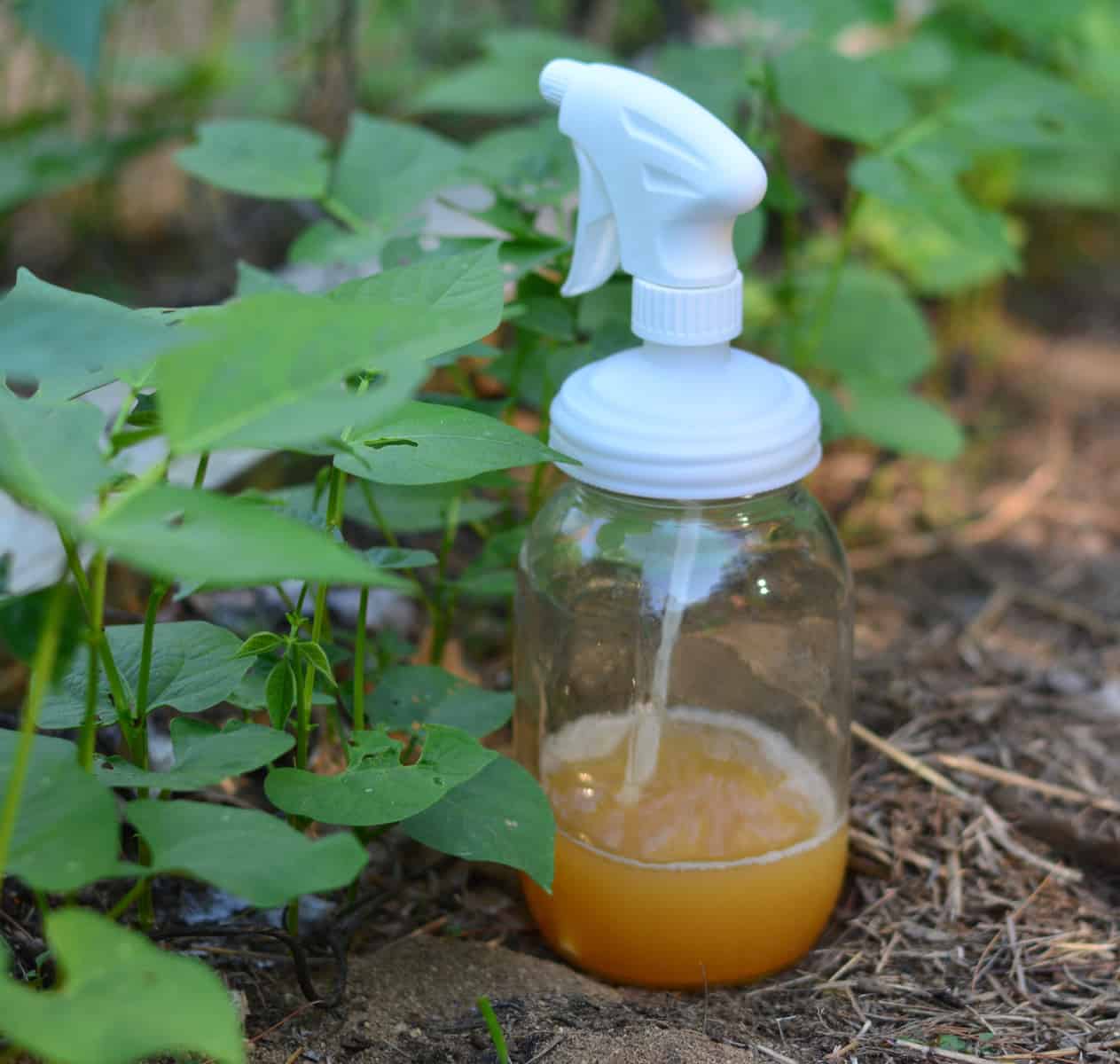
The best homemade aphid killer typically consists of natural ingredients that are effective in controlling aphid populations without harming beneficial insects or the environment. Here are some popular recipes and methods:
Soap and Water Spray
This is one of the simplest and most effective homemade aphid killers. The soap spray works by suffocating the insects and disrupting their ability to thrive.
- Ingredients: Mix 1-2 tablespoons of mild liquid soap (such as Castile soap) in a gallon of water.
- Application: Pour the mixture into a spray bottle and apply it directly onto the affected plants, focusing on the leaves and stems where aphids congregate.
- Frequency: Reapply every few days or after rain until the aphid population is under control.
Neem Oil Solution
Neem oil is derived from the seeds of the neem tree, and it contains compounds that inhibit aphid reproduction and disrupt their feeding.
- Ingredients: Combine 2 tablespoons of neem oil with 1 gallon of water and a few drops of dish soap (to help emulsify the oil).
- Application: Shake well and spray the mixture onto the infested plants, ensuring proper coverage.
- Protection: Neem oil not only kills aphids but also protects against future infestations, so it can be used preventively.
Garlic Spray
Garlic is known for its strong odor, which can deter aphids and other pests. This homemade spray is easy to prepare and effective.
See also:
- Ingredients: Blend 2-3 cloves of garlic with water and strain the mixture to obtain a liquid.
- Application: Mix this liquid with a tablespoon of mild soap in a spray bottle and apply it to the plants.
- Effectiveness: The pungent smell of garlic helps to mask the scent of the plants, making them less attractive to aphids.
Hot Pepper Spray
Hot pepper is another natural deterrent against aphids. The capsaicin in peppers is an irritant to many pests.
- Ingredients: Blend 1-2 hot peppers with a quart of water and allow the mixture to steep overnight.
- Application: Strain the mixture and mix it with a few drops of dish soap and water in a spray bottle.
- Safety: Test the spray on a small part of the plant first to ensure no adverse reaction occurs.
Essential Oils
Certain essential oils, such as peppermint and citrus oils, can also serve as excellent homemade aphid killers due to their strong scents.
- Ingredients: Combine 10-15 drops of essential oil with a quart of water and a few drops of soap.
- Application: Shake well and spray the mixture on affected plants.
- Benefits: Not only do the oils repel aphids, but they also can promote overall plant health and vitality.
Does vinegar kill aphids naturally?
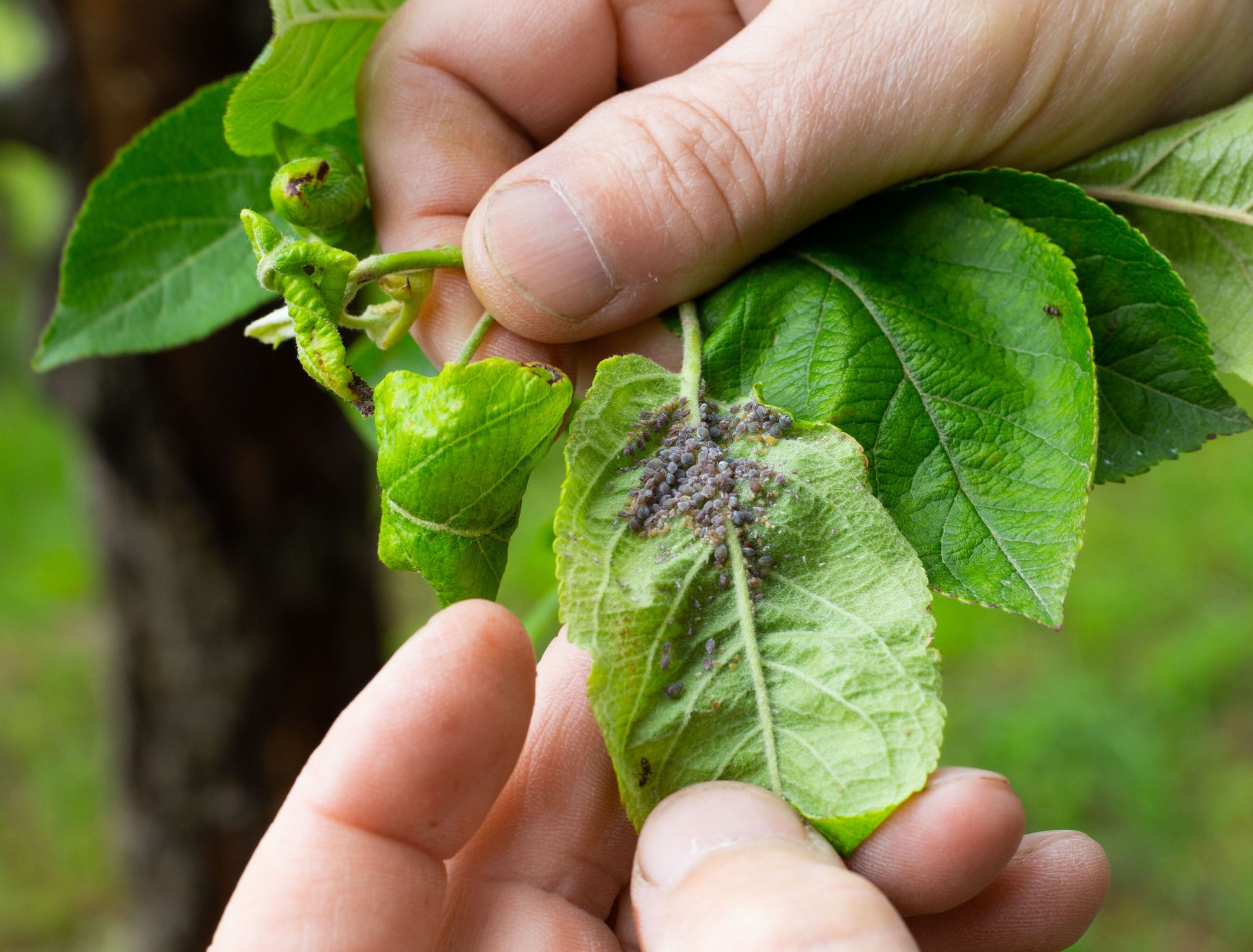
Vinegar has been recognized as a potential natural solution for various pest control issues, including aphids, which are common garden pests. While vinegar can help deter aphids due to its acidity, it is important to understand that it may not effectively kill them outright. The high acidity of vinegar can disrupt the aphids’ protective coatings, causing distress, and it can also repel them from treated plants. However, vinegar is often not lethal, especially when compared to other insecticides.
To maximize its effectiveness, vinegar can be used as a part of a broader integrated pest management strategy. While it may aid in repelling aphids, other methods and treatments may be necessary to manage a serious aphid infestation effectively.
How Does Vinegar Work Against Aphids?
Using vinegar against aphids relies on its acidity, which can disrupt their natural protective barriers. Here’s how it works:
- Acidic Nature: The high acidity of vinegar can cause dehydration in aphids.
- Repellent Effect: The smell and taste of vinegar can act as a deterrent, causing aphids to avoid treated areas.
- Non-Selective: Vinegar may also harm beneficial insects; thus, it should be used cautiously.
How to Use Vinegar for Aphid Control
To effectively use vinegar for controlling aphids, it is crucial to prepare it correctly:
- Mixing: Combine equal parts of vinegar (preferably white vinegar) and water.
- Application: Spray the mixture directly onto aphids on affected plants.
- Frequency: Reapply the solution every few days, especially after rain or watering.
Effectiveness of Vinegar Compared to Other Solutions
Understanding the effectiveness of vinegar in relation to other pest control methods can guide your approach:
- Immediate Effects: Vinegar can provide immediate, but temporary, relief from aphid presence.
- Long-Term Control: More lasting solutions may require insecticidal soaps or neem oil.
- Environmental Considerations: Vinegar is less harmful to the environment compared to chemical pesticides.
Potential Risks of Using Vinegar
While using vinegar can be beneficial, there are some risks to consider:
- Plant Damage: Direct application can cause leaf burns or other damage if not properly diluted.
- Beneficial Insects: Vinegar can also harm beneficial insects such as ladybugs and bees.
- Resistance and Adaptation: Aphids may adapt to vinegar over time, reducing its effectiveness.
Alternative Natural Remedies for Aphids
If vinegar does not yield the desired results, consider other natural methods:
- Insecticidal Soap: This can kill aphids on contact without harsh chemicals.
- Companion Planting: Introduce plants that repel aphids, such as marigolds or garlic.
- Natural Predators: Encourage or introduce natural aphid predators like ladybugs and lacewings.
Do banana peels really work for killing aphids?

Banana peels are often said to be an effective natural remedy for various garden pests, including aphids. However, the efficacy of banana peels in killing aphids is somewhat of a debated topic. While some gardeners swear by using banana peels, it is important to understand that their effectiveness may not be as direct or potent as other pest control methods.
See also:
Understanding Aphids and Their Impact on Plants
Aphids are small insects that feed on the sap of plants, leading to various problems in garden health. Their presence can result in:
- Stunted growth: Plants may fail to thrive due to nutrient loss.
- Weakened immunity: Infestations can make plants more susceptible to diseases.
- Plant deformities: Aphids cause curling and yellowing of leaves.
As sap-sucking pests, they can rapidly reproduce, making them a significant threat to any garden.
The Nutritional Components of Banana Peels
Banana peels contain several nutrients that are often beneficial for plants, including:
- Potassium: Promotes root development and overall plant health.
- Phosphorus: Supports flowering and fruiting processes.
- Calcium: Helps in strengthening cell walls and preventing diseases.
While these nutrients can improve plant vigor, they do not directly kill aphids.
How Banana Peels Might Help Against Aphids
There are several ways in which banana peels might indirectly assist in controlling aphids:
- Attracting Beneficial Insects: The peels can attract insects like ladybugs that feed on aphids.
- Creating a Barrier: Rubbing banana peels on plants may leave a sticky residue that could deter aphids.
- Boosting Plant Health: Healthier plants are less likely to be severely affected by aphid attacks.
While these factors can contribute to managing aphid populations, they do not guarantee eradication.
Alternative Methods for Controlling Aphids
If you're looking for effective ways to control aphids, consider some of these alternatives:
- Insecticidal Soap: This can kill aphids on contact and is safe for most plants.
- Neem Oil: A natural pesticide that disrupts the life cycle of aphids.
- Companion Planting: Certain plants can repel aphids or attract their natural predators.
These methods can be more effective than relying solely on banana peels.
Using Banana Peels in the Garden: Tips and Best Practices
If you choose to use banana peels in your gardening, here are some tips for best results:
- Chop or Cut Peels: This can help release nutrients more effectively.
- Composting: Adding peels to compost can enrich the soil with nutrients.
- Combine with Other Methods: Use bananas peels alongside proven pest control strategies.
These practices can help maximize the potential benefits of banana peels in the garden.
Questions from Our Readers
What is the best natural aphid spray?
The best natural aphid spray often includes ingredients like neem oil, soapy water, or garlic spray. These options are effective because they disrupt the aphids' feeding and reproduction, making them a popular choice for organic gardening.
How do you make a homemade aphid spray?
To make a homemade aphid spray, you can mix one tablespoon of liquid soap (preferably biodegradable) with one quart of water in a spray bottle. This mixture is effective at suffocating aphids while being safe for your plants when used properly.
See also:
Is neem oil effective against aphids?
Yes, neem oil is highly effective against aphids due to its insecticidal properties. It works by disrupting the aphids' hormones, preventing them from feeding and reproducing, thereby helping to control their population effectively.
Can I use essential oils as an aphid spray?
Absolutely, essential oils like peppermint or rosemary can be used as aphid sprays. When diluted properly with water and a mild soap, these oils not only deter aphids but also provide a pleasant scent for your garden.

If you want to read more articles like What is the Best Natural Aphid Spray? Top Solutions for Effective Pest Control, we recommend you check out our Insects category.
Leave a Reply
Related Articles