Ultimate Guide: How to Permanently Remove Aphids? Transform Your Garden Today!

Aphids are among the most common pests that can wreak havoc in gardens, sucking the life out of plants and disrupting their growth. These tiny insects can quickly multiply, leading to infestations that challenge even the most seasoned gardeners. Fortunately, there are effective strategies to combat these invasive pests and reclaim your garden. In this ultimate guide, we will explore a variety of methods, from natural remedies to chemical solutions, to help you permanently remove aphids from your plants. Transform your garden today and ensure a thriving environment for your flowers, vegetables, and herbs.
Effective Methods for Permanently Removing Aphids
To permanently remove aphids, one effective strategy involves a combination of natural predators, homemade sprays, and proper plant care. Introducing beneficial insects such as ladybugs or lacewings can create a natural balance in your garden, as these creatures feed on aphids. Additionally, using a homemade insecticidal soap made of diluted dish soap and water can suffocate and eliminate these pests without harming your plants. Regularly inspecting your plants and maintaining their health through proper watering and fertilization also helps in reducing aphid populations, as healthy plants are less susceptible to infestations.
Understanding Aphid Life Cycle
To effectively combat aphids, it is vital to understand their life cycle. Aphids reproduce quickly, often giving birth to live young in large numbers, which can lead to rapid infestations. They have four stages: egg, nymph, adult, and reproductive adult. Understanding these stages allows you to time your control measures effectively, targeting them during peak reproduction periods when they are most vulnerable.
Naturally Introducing Beneficial Insects
Introducing beneficial insects such as ladybugs, lacewings, and hoverflies can significantly reduce aphid populations in a garden. These insects prey on aphids, helping to keep their numbers in check naturally. When introducing these predators, it is essential to ensure that the environment is suitable for them, providing food and habitat to encourage their establishment and reproduction in your garden.
Homemade Insecticidal Soap Recipe
Creating a homemade insecticidal soap is an effective solution for reducing aphid numbers. To prepare, mix one tablespoon of pure liquid dish soap with one quart of water, and pour the solution into a spray bottle. Spray directly onto the aphids, ensuring you cover both the tops and undersides of the leaves, as the soap works by suffocating the pests. Always test the solution on a small area first to avoid harming the plant.
Regular Plant Maintenance
Maintaining plant health is crucial in preventing aphid infestations. Providing adequate water, proper fertilization, and ensuring good airflow through pruning can greatly enhance plant resilience. Healthy plants are less likely to attract aphids, as stressed plants often release more volatile organic compounds, which can allure these pests. Regularly inspecting plants and removing any signs of stress can minimize the risk of aphids.
Using Chemical Pesticides Judiciously
While it is advisable to use natural methods, sometimes the application of chemical pesticides may be necessary for severe infestations. When choosing a pesticide, select one that specifically targets aphids and has a low toxicity to beneficial insects. Always follow the manufacturer’s instructions for application, and consider timing the application to minimize the impact on other wildlife. It is vital to monitor the garden post-application for any signs of re-infestation.
| Method | Description | Effectiveness |
|---|---|---|
| Natural Predators | Introduce beneficial insects like ladybugs. | Very effective for long term control. |
| Homemade Soap | A mixture of soap and water sprayed on aphids. | Highly effective if applied correctly. |
| Plant Maintenance | Healthy plants can resist aphids better. | Indirectly effective by reducing attraction. |
| Chemical Pesticides | Apply targeted pesticides as a last resort. | Quickly effective but can harm beneficial species. |
| Regular Inspections | Monitor plants frequently for early signs of aphids. | Preemptive measure for infestations. |
Can you permanently get rid of aphids?
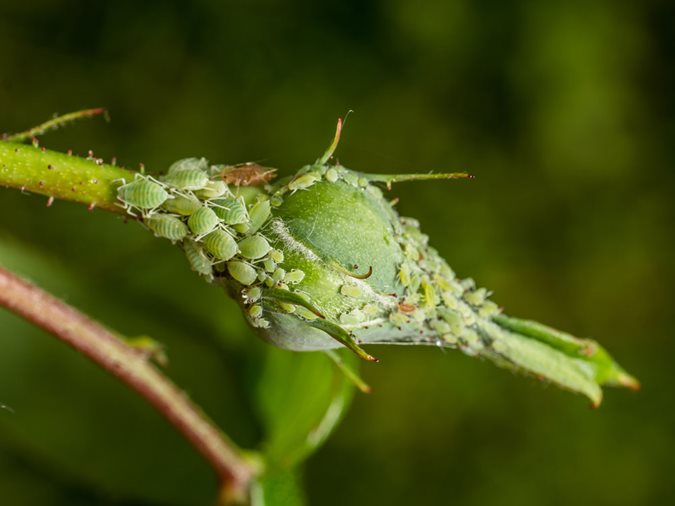
To address the question of whether you can permanently get rid of aphids, it is important to understand that while you can effectively manage and reduce their populations, achieving a permanent eradication is quite challenging. Aphids are resilient pests that can reproduce rapidly and often establish themselves in various environments. However, with a combination of proper management strategies, you can significantly minimize their impact on your plants.
Understanding Aphid Behavior
Aphids are small, soft-bodied insects that feed on the sap of plants. They are known for their ability to reproduce quickly, sometimes giving birth to live young without mating. Their presence can lead to stunted growth, distorted leaves, and can even transmit plant viruses. Given their rapid reproduction and ability to hide in small crevices, permanently eliminating them is complex.
- Aphids can reproduce both sexually and asexually, enhancing their survival ability.
- They form dense colonies that protect each other from natural predators.
- Aphids can produce various generations within a single season, leading to explosive population increases.
Natural Predators
One effective method to combat aphid populations is by utilizing their natural predators. Introducing or attracting beneficial insects such as ladybugs, lacewings, and parasitic wasps can help keep aphid numbers in check. These predators feed on aphids and can significantly reduce their populations without harmful chemicals.
- Lacewings lay eggs near aphid colonies, and the larvae feed on them.
- Ladybugs are avid feeders of aphids; a single ladybug can consume hundreds of aphids in one week.
- Parasitic wasps lay their eggs inside aphids, which ultimately leads to the death of the aphids.
Cultural Control Methods
Implementing cultural control methods can significantly reduce aphid populations. These methods focus on altering the growing conditions to make plants less attractive to aphids. Effective strategies include rotating crops, avoiding excessive nitrogen fertilization, and encouraging plant diversity.
- Rotating crops prevents aphids from developing resistance to certain plants.
- Using companion planting to introduce plants that repel aphids can deter their colonization.
- Maintaining healthy plants through proper care helps them resist aphid infestations.
Pesticidal Approaches
While chemical pesticides can be effective in managing aphids, reliance on pesticides alone may not lead to permanent results. Over time, aphids can become resistant to certain chemicals, necessitating the use of more potent and potentially harmful substances. Using targeted, environmentally safe options can help mitigate this issue.
- Neem oil acts as both a pesticide and a repellent for aphids.
- Insecticidal soaps disrupt aphid cell membranes, leading to their demise.
- Organic methods tend to have less environmental impact and help in sustainable pest management.
Regular Monitoring and Maintenance
A key aspect of managing aphid populations effectively is regular monitoring and maintenance. Keeping a close eye on your plants allows for early identification of aphid infestations, making it easier to control. Once an infestation is detected, swift action can be taken to minimize damage.
See also:
- Conduct routine checks of plants, focusing on new growth where aphids tend to congregate.
- Maintain proper plant health through adequate watering and fertilization to improve resilience against pests.
- Remove heavily infested leaves or branches to reduce the overall population of aphids.
How do you fix an aphid infestation?
:max_bytes(150000):strip_icc()/control-aphids-on-houseplants-1902889-FINAL-9e4d8d6f77874b13ad9b9bc5800471c1.png)
To fix an aphid infestation, it's essential to take a multi-faceted approach that combines prevention, elimination, and ongoing management. Aphids can reproduce quickly and may cause significant damage to your plants, so timely action is crucial.
Identify the Infestation
Recognizing the signs of an aphid infestation is the first step in combating these pests. Check your plants regularly for the presence of small, soft-bodied insects that may appear in various colors, including green, black, and yellow.
- Visual Inspection: Look closely at the undersides of leaves and new growth.
- Honeydew Presence: Be aware of sticky residue on leaves or the ground, a sign of aphid secretions.
- Distorted Leaves: Observe any curling or yellowing in the foliage, which may indicate aphid damage.
Natural Predators
Introducing natural predators of aphids can help control their populations without the need for chemical insecticides. Ladybugs and lacewings are particularly effective in reducing aphid numbers.
- Ladybugs: Release ladybugs in infested areas, as they consume large quantities of aphids.
- Lacewing Larvae: These larvae feed on aphids and can be purchased from garden centers.
- Encourage Bird Populations: Attract birds to your garden, as they can help keep aphid numbers in check.
Manual Removal
For smaller infestations, you may opt for manual removal. This approach is straightforward and environmentally friendly.
- Hand-Picking: Wear gloves and remove aphids directly from the plants.
- Water Spray: Use a strong jet of water to dislodge aphids from your plants.
- Soap Solution: Apply soapy water using a spray bottle, targeting the affected areas.
Chemical Solutions
If natural methods are ineffective, consider using chemical solutions as a last resort. Always follow the manufacturer's instructions and safety precautions.
- Insecticidal Soap: This product can kill aphids on contact and is less toxic to beneficial insects.
- Neem Oil: Derived from the neem tree, this spray acts as both a repellent and pesticide.
- Pyrethrin: A natural insecticide that is effective against a variety of pests, including aphids.
Prevent Future Infestations
After you've dealt with the current infestation, it's essential to implement strategies to prevent future outbreaks.
- Regular Monitoring: Check your plants frequently for any signs of aphids.
- Healthy Plants: Ensure your plants are well-nourished and stressed plants are more susceptible to pests.
- Companion Planting: Incorporate plants that repel aphids, such as marigolds or garlic.
Why do aphids keep coming back?

Aphids are a common pest in gardens and on various plants, and their recurrence can be attributed to several factors.
One of the main reasons why aphids keep coming back is their high reproductive rate. Aphids can reproduce rapidly through a process called parthenogenesis, where females give birth to live young without the need for fertilization. This allows a small number of aphids to quickly multiply and form large colonies on a plant.
Additionally, aphids have a very short life cycle, which contributes to their persistent presence. Under ideal conditions, the life cycle of an aphid can be as short as seven days, allowing them to reproduce multiple generations in a single growing season. Consequently, even after control measures are applied, new generations can quickly emerge.
Moreover, aphids are highly mobile and can easily travel from one plant to another. They are often carried by wind, birds, or other insects, which helps in their spread over larger areas. This mobility also means that infestations can reoccur if neighboring plants or regions are not adequately managed.
Another contributing factor is the presence of suitable host plants. Aphids tend to thrive on specific plants that provide them with the necessary nutrients. If these plants are close by or if the environment favors their survival, aphids will continue to return to those locations.
Lastly, the use of certain pesticides can lead to the development of resistant populations. Over time, if the same pesticides are used repeatedly without rotation or change, some aphids may survive due to genetic resistance. This means that even after treatment, the resistant aphids can repopulate quickly, leading to persistent infestations.
See also:
High Reproductive Rate
Aphids have an exceptionally high reproductive rate which allows them to quickly increase their numbers. The capacity for parthenogenesis means that females can produce offspring without mating.
- Rapid Multiplication: A few aphids can lead to a large population.
- Generational Overlap: Multiple generations can exist simultaneously.
- Population Explosions: Under optimal conditions, infestations can explode in a short time.
Short Life Cycle
The short life cycle of aphids, which can be as brief as seven days, facilitates their rapid reproduction and recovery after control measures.
- Quick Maturity: Aphids reach reproductive maturity rapidly.
- Multiple Generations Annually: They can produce many generations in just one season.
- Repopulation: After control measures, new aphids can emerge quickly.
Mobility and Dispersal
Aphids are highly mobile pests that can disperse easily from one host plant to another, often carried by various means.
- Wind Transport: Wind can carry aphids over long distances.
- Animal Transportation: Birds and other insects can introduce aphids to new plants.
- Natural Migration: Aphids can migrate in search of better feeding conditions.
Availability of Host Plants
The availability of suitable host plants plays a crucial role in the recurrence of aphids. They tend to thrive on plants that provide necessary nutrients.
- Cultivated Crops: Many crops are preferred hosts for aphids.
- Environmental Conditions: Favorable conditions can enhance their survival on host plants.
- Plant Recovery: Plants that recover from infestation can attract new aphids.
Development of Resistance
Repeated use of certain pesticides can lead to the development of resistant aphid populations, making pest control more challenging.
- Pesticide Resistance: Some aphids survive treatments due to genetic factors.
- Control Measure Ineffectiveness: Resistance reduces the effectiveness of repeated pesticide applications.
- Need for Integrated Pest Management: Resistance highlights the importance of diverse control strategies.
What do aphids hate the most?

Aphids are small sap-sucking insects that can be quite a nuisance for gardeners and farmers alike. To effectively manage aphid populations, it is essential to understand what they dislike the most. Here are some of the main deterrents for aphids:
1. Garlic
Aphids are known to dislike the strong scent of garlic. This natural repellent can be used in various forms to deter these pests.
- Garlic spray: Blending garlic cloves with water creates a potent spray that can be applied to plants.
- Garlic granules: Sprinkling these around plants can create a boundary that aphids are reluctant to cross.
- Planting garlic: Having garlic plants nearby can naturally repel aphids.
2. Soap
Insecticidal soap is another effective method that aphids fear. This solution suffocates them upon contact.
- Homemade soap spray: A mixture of water and mild liquid soap can be a safe treatment for plants.
- Commercial insecticidal soap: These products are specifically formulated to target aphids without harming beneficial insects.
- Frequent application: Regular use is necessary as soap solutions degrade quickly in the environment.
3. Essential Oils
Many essential oils can act as natural repellents for aphids. Their potent aromas create an unfriendly environment for these pests.
- Peppermint oil: Mixing peppermint oil with water can effectively deter aphids.
- Neem oil: Derived from the neem tree, it disrupts the life cycle of aphids and prevents infestations.
- Rosemary oil: This oil can also be diluted and sprayed to repel aphids effectively.
4. Companion Planting
Certain plants are known to naturally repel aphids or attract their predators, creating a balanced ecosystem.
- Marigolds: These flowers can deter aphids and attract beneficial insects.
- Chives: Their presence can help repel aphids due to their pungent aroma.
- Catnip: This plant is not only a favorite among cats but also a natural repellent for aphids.
5. Ladybugs
Ladybugs are natural predators of aphids and can help minimize their population effectively.
- Introducing ladybugs: Releasing ladybugs in your garden can provide a biological control method.
- Observing populations: Once introduced, ladybugs will help keep aphid numbers low.
- Maintaining a suitable habitat: Ensure there are food sources (other pests) and flowering plants to attract ladybugs.
Questions from Our Readers
How can I use natural remedies to permanently remove aphids?
Using natural remedies can be an effective way to permanently remove aphids. You can create a mixture of water and dish soap and spray it directly on affected plants, as this solution suffocates the aphids. Additionally, introducing beneficial insects like ladybugs can help control aphid populations naturally.
What chemical treatments are effective against aphids?
Chemical treatments such as insecticidal soaps and neem oil are highly effective in combating aphids. These products work by disrupting the aphid's natural processes, leading to their elimination. It’s crucial to follow the instructions carefully to ensure both effectiveness and safety for your plants.
See also:
How often should I apply treatments for aphid removal?
For best results in permanently removing aphids, treatments should be applied every 7 to 10 days until the infestation is under control. Consistent application allows the treatment to effectively disrupt the aphids' lifecycle, ultimately leading to their eradication.
Can I prevent aphid infestations in the future?
Yes, preventing future aphid infestations is possible by maintaining healthy plants and implementing preventive measures. Regularly inspecting your plants, using companion planting, and ensuring good air circulation can greatly reduce the risk of aphids. Keeping your garden free of debris and dead leaves also helps deter these pests.

If you want to read more articles like Ultimate Guide: How to Permanently Remove Aphids? Transform Your Garden Today!, we recommend you check out our Insects category.
Leave a Reply
Related Articles