Why Should Coffee Grounds Not Be Used in the Garden? The Hidden Risks Explained.
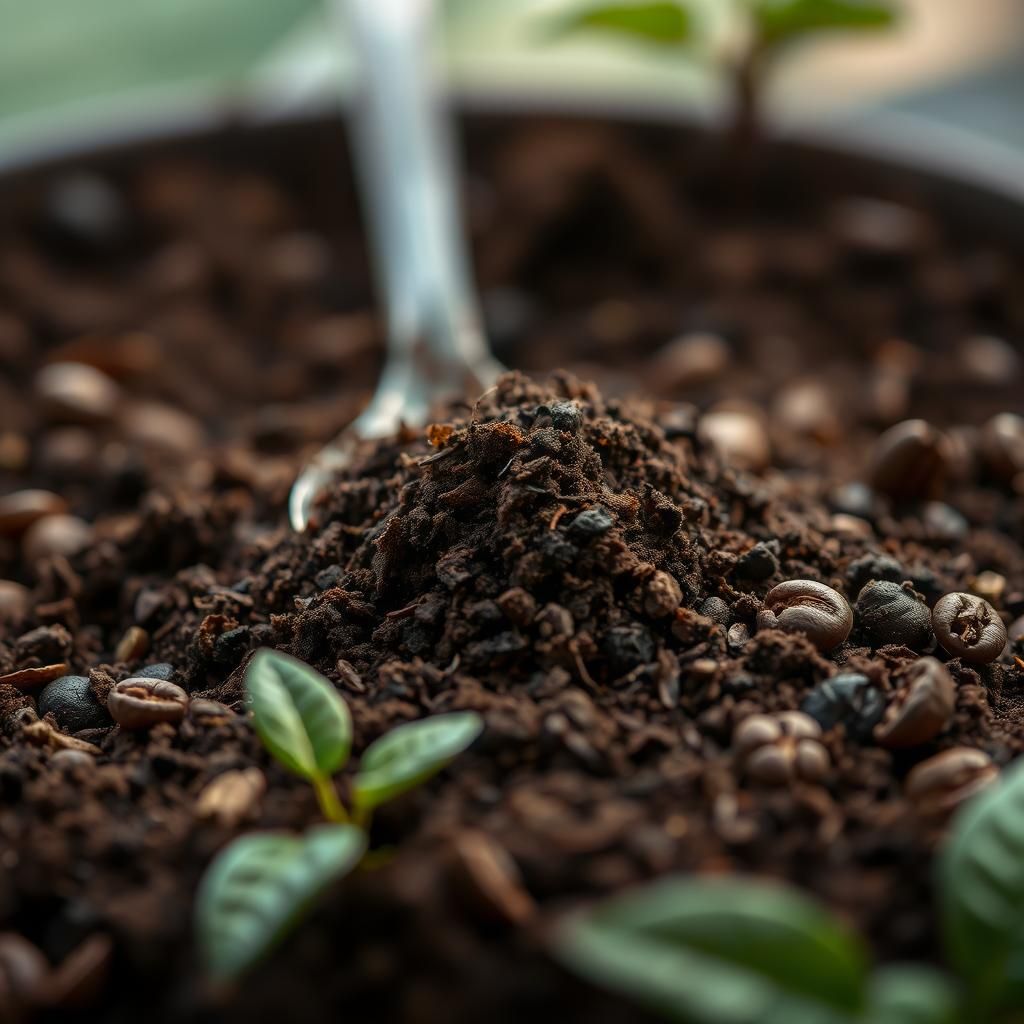
Coffee grounds are often hailed as a gardener's best friend, praised for their potential benefits as a natural fertilizer and pest deterrent. However, a closer examination reveals that their use may not be as universally beneficial as it seems. This article aims to uncover the hidden risks associated with using coffee grounds in the garden. From potential toxicity to the disruption of soil acidity, understanding these factors is crucial for gardeners looking to nurture healthy plants. Join us as we explore the nuanced relationship between coffee grounds and gardening, revealing why moderation and caution are essential.
Why You Should Avoid Using Coffee Grounds in the Garden
Using coffee grounds in the garden may seem like a good idea because they are organic and free, but there are several reasons why they should be avoided. First, coffee grounds are often acidic, which can lead to an imbalanced soil pH, negatively affecting plant health. Many plants prefer a neutral pH, and introducing too many coffee grounds can stunt their growth. Moreover, coffee grounds may attract pests and unwanted organisms, leading to potential infestations and problems in your garden. Lastly, their high nitrogen content, when added in excess, can cause an overload of nutrients, resulting in a fragrant but harmful environment for roots. For these reasons, it is important to consider the implications before adding coffee grounds to your gardening practices.
pH Imbalance
Coffee grounds have a tendency to be acidic, which can significantly impact the pH level of garden soil. While some plants, like azaleas and blueberries, thrive in acidic conditions, most garden plants prefer a more neutral pH around 6.0 to 7.0. Over time, the addition of coffee grounds can lower the soil's pH, making it unsuitable for many species. This can lead to poor nutrient absorption, stunted growth, and even plant death. Therefore, relying on coffee grounds without considering your soil's specific pH needs can lead to detrimental effects.
Pest Attraction
When left on the soil surface, coffee grounds can attract various pests, such as ants, slugs, and termites. The rich aroma and organic material can draw these creatures into your garden, leading to potential infestations. Ants, for instance, may create nests that disturb root systems, while slugs can become a nuisance for tender seedlings. If the grounds are not composted thoroughly, they can also serve as a breeding ground for other pests, complicating your gardening efforts further.
Nutrient Overload
While coffee grounds contain beneficial nutrients, their high nitrogen content can lead to an overload when used excessively. An excess of nitrogen in the soil can result in lush foliage growth at the expense of flower and fruit production. This imbalance can make your plants appear healthy on the surface, but they may struggle to flower or produce fruit properly. Furthermore, too much nitrogen can leach into the surrounding environment, potentially contributing to water pollution.
Contamination Risks
Used coffee grounds may come from commercially brewed coffee, which raises concerns about contaminants that could be present. Many commercial coffee brands use pesticides and other chemicals in their coffee beans. When these grounds are added to your garden, there is a risk of introducing these toxic substances into your soil and plants. Since many gardeners are increasingly focused on organic practices, this can undermine those efforts and potentially harm the ecosystem.
Improper Composting
If coffee grounds are not composted properly before being added to the garden, they can create problems. Inadequate composting will not break down the grounds sufficiently, leading to issues like bad odors or even fungal growth. Uncomposted coffee grounds can also clump together, creating barriers that prevent proper water drainage or aeration in the soil. Therefore, ensuring that coffee grounds are consistently mixed and fully decomposed in a composting setup is crucial for their safe use.
| Issue | Description |
|---|---|
| pH Imbalance | Alters soil pH, making it unsuitable for most plants. |
| Pest Attraction | Attracts ants, slugs, and termites, causing infestations. |
| Nutrient Overload | Excess nitrogen affects flower and fruit production. |
| Contamination Risks | Possible introduction of pesticides and chemicals. |
| Improper Composting | Can lead to odors, fungal growth, and drainage issues. |
Which plants cannot use coffee grounds?

Coffee grounds are a popular organic material used in gardening due to their rich nutrient content. However, not all plants benefit from coffee grounds. Certain plants are sensitive to the effects of these grounds, which can alter soil pH and impact growth negatively. Below are some plants that should generally not be amended with coffee grounds.
Acid-Loving Plants
Acid-loving plants, such as blueberries and azaleas, thrive in low pH soils. Coffee grounds can further acidify the soil, potentially leading to nutrient imbalances. These plants may suffer from:
- Excessive acidity which can hinder growth.
- Nutrient deficiency due to imbalanced pH levels.
- Root damage in extreme cases of acidity.
Herbs
Certain herbs like basil and rosemary do not favor acidic soil and may find the addition of coffee grounds detrimental. They typically prefer well-draining, neutral to slightly alkaline conditions and can exhibit:
- Stunted growth due to unfavorable soil conditions.
- Reduced essential oil production, impacting flavor.
- Increased susceptibility to pests and diseases.
Seedlings and Young Plants
Seedlings and young plants, in general, should be kept away from coffee grounds. The high nitrogen content and potential for mold can be harmful. The issues include:
- Burning of delicate roots due to high nitrogen levels.
- Increased risk of fungal infections.
- Delayed germination and establishment.
Plants with Heavy Feeder Requirements
Certain plants, especially vegetables that require heavy feeding, such as tomatoes and peppers, may struggle with the presence of coffee grounds. This is due to the following reasons:
See also:
- Potential nutrient lockout if pH becomes too low.
- Imbalance of nitrogen and carbon ratios in the soil.
- Inability to absorb necessary nutrients efficiently.
Plants Sensitive to Caffeine
Certain plants exhibit sensitivity to caffeine, a compound present in coffee grounds. Examples include ferns and certain ornamental grasses. These plants may experience:
- Stunted growth as caffeine suppresses plant development.
- Disruption of cellular processes and nutrient uptake.
- Increased vulnerability to environmental stresses.
Why are coffee grounds bad for your garden?
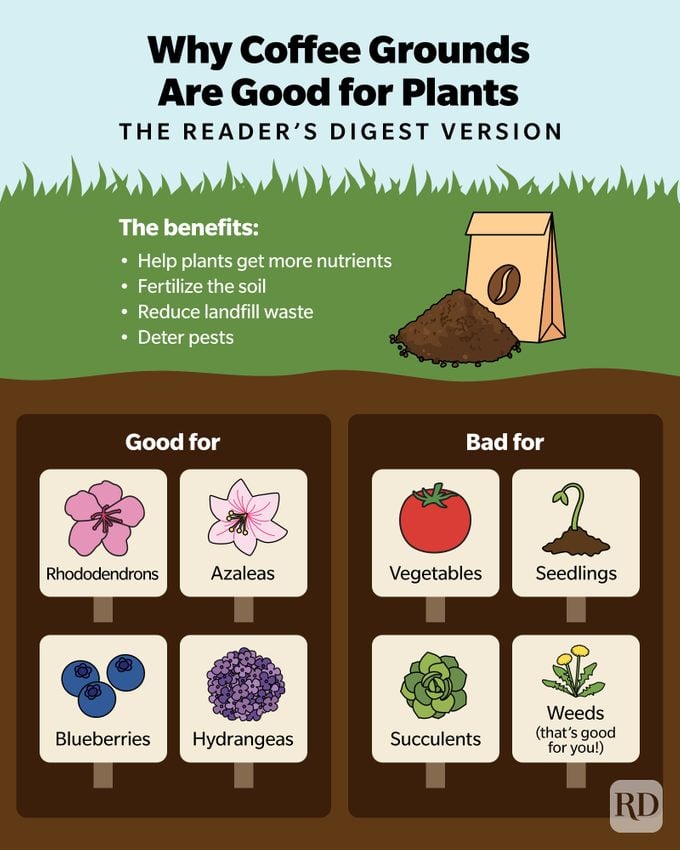
Coffee grounds are often considered a beneficial addition to gardens, but they can also pose several problems that may harm plant growth and soil quality. Understanding why coffee grounds might be bad for your garden is crucial for maintaining a healthy and productive gardening environment. Here are some reasons why coffee grounds can be detrimental:
1. High Acidity Levels
Coffee grounds are known to have a relatively high acidity. When added to soil, they can change its pH levels, making it more acidic. This can be problematic for plants that prefer a neutral to alkaline soil environment. Over time, excessive acidity can lead to nutrient imbalances and poor plant health.
- Many plants thrive in a neutral pH range of 6.0 to 7.0.
- Acidic conditions can stunt growth and cause yellowing of leaves in sensitive plants.
- Monitoring soil pH regularly is essential when using coffee grounds.
2. Nitrogen Imbalance
While coffee grounds contain a decent amount of nitrogen, they also require a significant amount of carbon to break down effectively. When added to soil without the right balance of carbon-rich materials, they can lead to a nitrogen deficiency as microorganisms consume available nitrogen during decomposition.
- Increased microbial activity can deplete nitrogen from the soil, affecting plant growth.
- To balance this, mix coffee grounds with carbon-rich materials like leaves or straw.
- Maintaining the right balance ensures consistent nutrient availability for plants.
3. Attraction of Pests
Coffee grounds can attract certain pests like ants and fruit flies, which may harm the overall health of your garden. If left in large amounts, these pests can disrupt the natural balance of beneficial insects and microorganisms.
- Ants can help to aerate the soil but may also protect other harmful pests.
- Fruit flies thrive in decaying organic matter, which can lead to more issues.
- Keeping grounds dry and well-mixed with other materials can help deter pests.
4. Potential for Mold Growth
Used coffee grounds are often moist, which creates an environment conducive to mold growth. If not handled properly, introducing coffee grounds to your garden can result in an unhealthy buildup of mold, which can affect both plants and the quality of the soil.
- Mold can compete with plants for nutrients and moisture.
- Excessive mold growth can provide a habitat for pathogens, posing risks to plants.
- Spreading coffee grounds in a thin layer or allowing them to dry can prevent mold issues.
5. Soil Compaction
When coffee grounds are used in large quantities, they can lead to soil compaction. Compacted soils limit water infiltration and root growth, making it difficult for plants to obtain the necessary moisture and nutrients.
- Compacted soil can create an unfavorable environment for root development.
- Roots may struggle to penetrate the soil, leading to stunted growth.
- Mixing coffee grounds with other organic materials can improve soil aeration.
Can I just throw coffee grounds in the garden?
:max_bytes(150000):strip_icc()/using-coffee-grounds-in-your-garden-2539864_FINAL-025580b008314747ad1a5d6411baf988.png)
Yes, you can throw coffee grounds in the garden, but there are a few important considerations to keep in mind. Coffee grounds are often used as an organic additive in gardening because they offer several benefits. However, to ensure that you're using them effectively, it's essential to understand how they interact with the soil and plants.
Benefits of Coffee Grounds in the Garden
Coffee grounds can provide multiple advantages when added to garden soil:
- Nutrient Supply: Coffee grounds are rich in nitrogen, which is a vital nutrient for plant growth.
- Soil Structure Improvement: They can help improve soil texture and drainage, making it easier for roots to penetrate.
- pH Level Adjustment: While coffee grounds are mildly acidic, they can help lower the pH of alkaline soils, benefiting acid-loving plants.
How to Apply Coffee Grounds in Your Garden
Applying coffee grounds effectively requires a few best practices:
- Use Sparingly: Apply coffee grounds in moderation to avoid over-concentrating their effects on the soil.
- Mix with Other Materials: Combine grounds with compost or other organic matter for better balance and nutrient release.
- Target Specific Areas: Add them around acid-loving plants like blueberries or rhododendrons for optimal results.
Potential Drawbacks of Using Coffee Grounds
While there are benefits, there are also considerations to be aware of:
See also:
- Over-Acidity: Using too many coffee grounds can make the soil overly acidic, which may harm some plants.
- Attracting Pests: Coffee grounds can attract pests, particularly if they are not incorporated into the soil properly.
- Fungal Issues: A thick layer of coffee grounds on the surface can promote damping-off disease if moisture retention becomes excessive.
Best Plants for Coffee Grounds
Certain plants thrive when coffee grounds are added to the soil:
- Acidic Soil Lovers: Plants like blueberries, azaleas, and rhododendrons appreciate acidic conditions.
- Vegetables: Beans, carrots, and tomatoes can benefit from the nitrogen boost provided by coffee grounds.
- Herbs: Some herbs, including basil and mint, may also thrive in slightly acidic environments created by coffee grounds.
Environmental Considerations
Using coffee grounds in your garden can have positive environmental impacts:
- Waste Reduction: By composting coffee grounds, you're reducing landfill waste and contributing to organic recycling.
- Soil Health: Regular use of coffee grounds can promote beneficial microbial activity within the soil.
- Natural Fertilization: They provide a free source of nutrients, decreasing reliance on synthetic fertilizers.
What animals will coffee grounds keep away?

Coffee grounds are a popular natural deterrent for various animals as they contain compounds that can be unappealing or harmful to certain pests. Here is a detailed look at some of the animals that coffee grounds can help keep away:
1. Cats
Coffee grounds can be an effective repellent for cats due to their strong odor. Cats are known to avoid citrus and coffee scents, making grounds a useful deterrent for keeping them away from gardens or specific areas.
- The scent of coffee is often too overwhelming for cats.
- Sprinkling coffee grounds around your plants can deter felines from digging.
- It creates a barrier that cats typically avoid.
2. Snails and Slugs
The abrasive texture of coffee grounds can deter snails and slugs from creeping into your garden. When these slimy pests encounter coffee grounds, they may turn away due to their uncomfortably rough texture.
- The grounds can create a barrier that inhibits their movement.
- They will typically avoid crawling over coarse substances.
- This makes coffee grounds a natural solution for protecting plants.
3. Ants
Ants can be deterred by coffee grounds, as they dislike the strong smell. Additionally, sprinkling coffee grounds near entry points can disrupt their scent trails, making it harder for them to navigate.
- The aroma of coffee can mask the pheromone trails that ants use.
- Grounds can be used in strategic locations around the home.
- They may help reduce ant activity in the garden.
4. Dogs
While not all dogs are repelled by coffee grounds, many dogs tend to avoid areas where coffee is present due to its unfamiliar scent. This makes it a potential deterrent for keeping dogs away from certain spots in your yard.
- The fragrance can act as a natural boundary.
- Some dogs may associate the smell with something unpleasant.
- Sprinkling used coffee grounds in specific areas can help manage their presence.
5. Birds
Certain species of birds, especially small ones, might be repelled by the strong scent of coffee. This can help protect gardens and plants from being pecked at or disturbed by these creatures.
- The aroma can deter birds from landing in areas where grounds are scattered.
- Using coffee grounds may keep seeds safe from birds pecking.
- They can serve as an effective barrier for delicate plants.
Questions from Our Readers
Why can coffee grounds be harmful to certain plants?
Using coffee grounds in the garden can be harmful to certain plants because they may increase acidity in the soil. While some plants thrive in acidic conditions, others may suffer from nutrient deficiencies and stunted growth if the pH levels become too low. Thus, it's important to know your plants' specific needs before adding coffee grounds to your garden.
Do coffee grounds attract pests in the garden?
Yes, coffee grounds can attract certain pests, such as slugs and snails, which may be looking for a food source. This can create additional challenges for gardeners, as these pests can cause damage to plants. It's crucial to manage and monitor pest activity when using coffee grounds in the garden.
Can coffee grounds affect the drainage of soil?
Using coffee grounds can negatively impact soil drainage due to their tendency to clump together when wet, leading to compacted soil. This compaction can hinder water penetration, thus affecting the health of plants. Proper mixing with other organic materials can help mitigate this issue when adding coffee grounds to the garden.
Should coffee grounds be used as mulch in the garden?
While many gardeners consider using coffee grounds as mulch, it may not be the best choice as they can form a thick layer that prevents water and air from reaching the soil. Additionally, a mulch layer of coffee grounds can lead to foul odors as they decompose. Instead, it's often recommended to mix them with other materials for a more effective mulch.
See also:

If you want to read more articles like Why Should Coffee Grounds Not Be Used in the Garden? The Hidden Risks Explained., we recommend you check out our Compost category.
Leave a Reply
Related Articles