Can I Just Sprinkle Coffee Grounds in My Garden? Discover the Benefits and Tips for Your Plants!
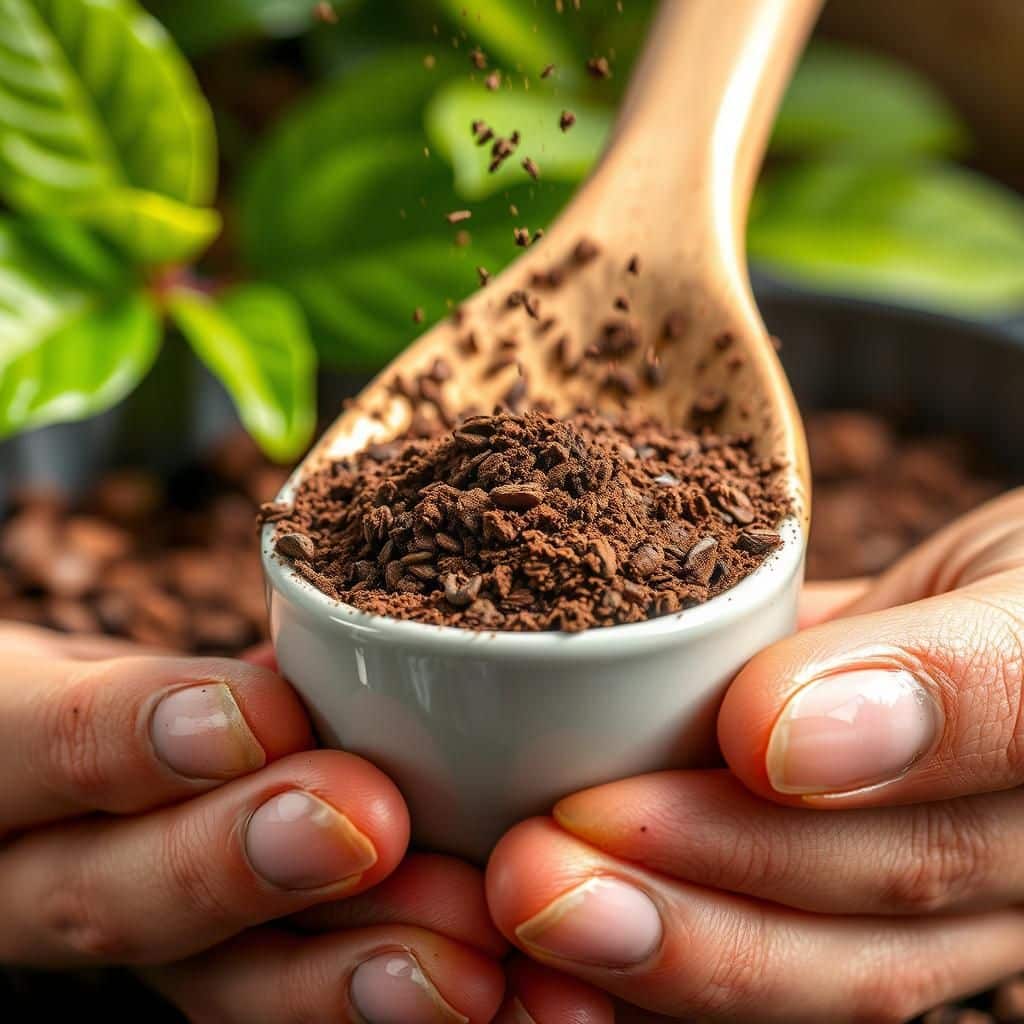
Coffee grounds are often regarded as a miraculous addition to gardening, but can simply sprinkling them in your garden truly benefit your plants? This article explores the myriad advantages of using coffee grounds, from enhancing soil structure to providing crucial nutrients. We will dive into the specific benefits they offer, along with practical tips on how to incorporate them effectively into your gardening routine. Whether you’re a seasoned gardener or a beginner, discover how this daily byproduct can transform your plants and cultivate a healthier, more vibrant garden ecosystem. Join us in unlocking the potential of coffee grounds in gardening!
Can I Just Sprinkle Coffee Grounds in My Garden?
Yes, you can sprinkle coffee grounds in your garden, but there are some important considerations to keep in mind. Coffee grounds are rich in nitrogen, making them a great addition to compost and can help improve soil structure. However, it's essential to use them in moderation; excessive amounts can lead to soil acidity and negatively impact plant growth. Additionally, coffee grounds can attract certain pests if not properly managed. When used wisely, they can promote earthworm activity, improve drainage, and enhance microbial life in the soil, creating a healthier garden environment.
Benefits of Using Coffee Grounds in the Garden
Coffee grounds offer numerous benefits for your garden, serving as an excellent source of nutrients. Their high nitrogen content can help plants grow robustly, while they also improve soil texture and water retention. Moreover, coffee grounds can attract earthworms, which aerate the soil and enhance its overall health. They can even deter some pests, acting as a natural pest control method if used correctly.
How to Apply Coffee Grounds in Your Garden
When applying coffee grounds, it’s best to mix them into the soil rather than simply sprinkling them on top. This approach helps prevent potential mold growth and ensures better integration into the soil. You can apply a thin layer of grounds around your plants or mix them with compost to create a nutrient-rich amendment. Be mindful to limit the amount to avoid creating an overly acidic environment, particularly for plants that thrive in neutral to alkaline soils.
Potential Risks of Using Coffee Grounds
While coffee grounds can benefit the garden, there are potential risks to consider. One concern is the alteration of soil acidity; too many coffee grounds can lower the pH, which might not be suitable for all plants. Additionally, they can harbor mold if too much is applied in a single layer, potentially leading to respiratory issues for humans and animals. Lastly, some individuals may have allergies to coffee dust, which can pose a risk during handling.
Composting with Coffee Grounds
Coffee grounds are an excellent addition to your compost bin. They can balance carbon-rich materials, such as dry leaves and straw, with their nitrogen content. When composted, they break down effectively, adding valuable nutrients to your finished compost product. It’s advisable to mix them with other compostable materials to maintain the right balance and facilitate aeration, speeding up the decomposition process.
How Coffee Grounds Affect Soil Health
Using coffee grounds in moderation can significantly enhance soil health. They can improve soil structure by increasing porosity, which promotes good drainage and root growth. The organic matter in the grounds feeds beneficial microorganisms, promoting a thriving soil ecosystem. However, too many coffee grounds can lead to soil compaction, so it’s important to find the right balance for sustaining optimal soil conditions.
| Benefit | Description |
|---|---|
| Nitrogen Source | Enhances plant growth by providing essential nutrients. |
| Soil Texture Improvement | Helps with water retention and drainage. |
| Pest Deterrent | Can repel certain pests when used appropriately. |
| Compost Accelerator | Balances carbon-rich materials when composting. |
| Attracting Earthworms | Encourages beneficial organisms that enhance soil aeration. |
Can you put coffee grounds straight into the garden?
:max_bytes(150000):strip_icc()/using-coffee-grounds-in-your-garden-2539864_FINAL-025580b008314747ad1a5d6411baf988.png)

Yes, you can put coffee grounds straight into the garden, but there are some important factors to consider to maximize their benefits. Coffee grounds are rich in nitrogen, which is essential for plant growth. However, using them correctly can greatly enhance their effectiveness as a soil amendment.
Benefits of Using Coffee Grounds in the Garden
Coffee grounds provide several advantages when added to garden soil. Here are some key benefits:
- Nutrient-Rich: Coffee grounds contain essential nutrients like nitrogen, phosphorus, and potassium, which are vital for plant health.
- Improves Soil Structure: The organic matter in coffee grounds can help improve soil structure, promoting better water retention and aeration.
- Attracts Earthworms: Adding coffee grounds can attract earthworms, which naturally aerate the soil and help decompose organic matter.
How to Use Coffee Grounds in the Garden
To effectively integrate coffee grounds into your garden, consider the following methods:
- Mix with Compost: Combine coffee grounds with other compost materials to balance nitrogen content.
- Sprinkle on Soil: Lightly sprinkle coffee grounds around plants, making sure to avoid a thick layer that could create a barrier.
- Use as Mulch: Use dried coffee grounds as mulch to help retain moisture and suppress weeds.
Potential Drawbacks of Coffee Grounds
While coffee grounds have many benefits, there are also some drawbacks to consider:
- Acidity Concerns: Coffee grounds are slightly acidic; excessive use can lower soil pH, potentially affecting acid-sensitive plants.
- Overapplication Risks: Using too much can lead to nutrient imbalances and attract pests such as snails and slugs.
- Clumping Issues: If not distributed properly, coffee grounds can clump together, creating a barrier to water and oxygen.
Best Plants for Coffee Ground Application
Some plants thrive when coffee grounds are added to the garden. Here are examples:
- Acid-Loving Plants: Blueberries, azaleas, and rhododendrons do well with the acidity of coffee grounds.
- Vegetables: Carrots, radishes, and tomatoes can benefit from the nutrients in coffee grounds.
- Herbs: Basil and mint can see improved growth when coffee grounds are applied to the soil.
Tips for Collecting and Storing Coffee Grounds
To make the most of your coffee grounds, keep these tips in mind:
- Collect Regularly: Gather coffee grounds frequently to prevent them from becoming moldy or stale.
- Use Filter Paper: Ensure that you include only the grounds and not the paper filter, as it takes longer to decompose.
- Store in a Dry Place: Keep coffee grounds in a sealed container in a cool, dry area to maintain freshness.
Can I sprinkle unused coffee grounds in my garden?
Yes, you can sprinkle unused coffee grounds in your garden. Coffee grounds are an excellent addition to your garden's soil due to their nutrient content and physical properties. They can enhance soil structure, aeration, and moisture retention, making them beneficial for plant growth. Additionally, coffee grounds offer several other advantages that can help improve your garden ecosystem.
See also:
Benefits of Coffee Grounds in the Garden
Coffee grounds provide a variety of benefits when added to your garden soil:
- Nutrient-Rich: Coffee grounds contain essential nutrients such as nitrogen, phosphorus, and potassium, which are vital for plant health.
- Soil Structure Improvement: They help improve the soil structure by creating air pockets, allowing better drainage and root penetration.
- Pest Control: The presence of caffeine in coffee grounds can deter certain pests, such as snails and slugs.
How to Use Coffee Grounds Effectively
To maximize the benefits of coffee grounds in your garden, consider the following tips for effective usage:
- Mix with Soil: Blend coffee grounds with existing soil to distribute nutrients evenly.
- Composting: Add coffee grounds to your compost pile to enhance the composting process and create nutrient-rich compost.
- Apply as a Mulch: Use coffee grounds as mulch to retain moisture and suppress weeds.
Potential Drawbacks of Coffee Grounds
While coffee grounds have many advantages, there are some potential drawbacks to consider:
- Acidity Levels: Coffee grounds can slightly increase soil acidity, which may not be suitable for all plants, particularly those that prefer alkaline conditions.
- Too Much Nitrogen: Excessive application can lead to an overload of nitrogen, potentially harming plants.
- Attracting Pests: In some cases, damp coffee grounds can attract unwanted pests like ants.
Best Plants for Coffee Grounds
Some plants respond particularly well to the addition of coffee grounds. Here are some ideal candidates:
- Acid-Loving Plants: Blueberries, azaleas, and rhododendrons thrive in more acidic conditions, benefiting from coffee grounds.
- Aromatic Herbs: Herbs like basil, oregano, and mint can be stimulated by the nutrients in coffee grounds.
- Vegetables: Carrots, radishes, and spinach can enjoy the added nutrients from coffee grounds.
How to Collect Coffee Grounds for Garden Use
Gathering coffee grounds for garden use can be straightforward. Follow these steps for collection:
- Local Coffee Shops: Ask local cafes or coffee shops if they can save their used coffee grounds for you.
- Home Brewing: If you brew coffee at home, you can save the grounds after each use.
- Storage: Store collected coffee grounds in a dry, airtight container until you are ready to use them.
Questions from Our Readers
Can I use coffee grounds directly in my garden?
Yes, you can use coffee grounds in your garden, but it's recommended to do so in moderation. Coffee grounds are high in nitrogen, which can benefit plants, but an excessive amount may lead to nutrient imbalances in the soil.
What plants benefit from coffee grounds?
Plants like roses, azaleas, and blueberries can significantly benefit from the addition of coffee grounds. These plants thrive in slightly acidic conditions, and coffee grounds can help lower the pH of the soil.
Do coffee grounds attract pests?
While coffee grounds can attract some pests, they generally repel others, such as slugs and snails. It's important to monitor your garden closely to see how they affect pest activity in your specific environment.
See also:
How should I apply coffee grounds to my garden?
You can sprinkle coffee grounds directly on the soil or mix them into compost. It's best to blend them with other materials to avoid creating clumps, which can impede water penetration and air circulation in the soil.

If you want to read more articles like Can I Just Sprinkle Coffee Grounds in My Garden? Discover the Benefits and Tips for Your Plants!, we recommend you check out our Compost category.
Leave a Reply
Related Articles