Where is the Best Place to Plant Berry Bushes? Top Tips for a Thriving Garden

When it comes to planting berry bushes, selecting the right location is crucial for a successful harvest. The ideal spot can significantly impact the growth health and fruit production of your plants. Understanding factors such as sunlight, soil quality, drainage, and spacing can help you optimize your garden for thriving berries. In this article, we will explore the best places to plant berry bushes and provide top tips to ensure your garden flourishes. Whether you are a novice gardener or a seasoned expert, these insights will help you create a vibrant berry patch that yields delicious results.
Where is the Best Place to Plant Berry Bushes?
When considering the best place to plant berry bushes, it is essential to select an area that provides sufficient sunlight, well-draining soil, and protection from harsh winds. Ideally, berry bushes thrive in full sun, which means they need at least 6 to 8 hours of direct sunlight each day. The soil should be rich in organic matter, slightly acidic to neutral, and well-draining to prevent root rot. Additionally, consider spacing the bushes appropriately to ensure good air circulation and reduce the risk of disease. Planting near a fence or a structure can help shield them from cold drafts while also creating a warm microclimate conducive to growth.
Sunlight Requirements
Berry bushes require full sunlight for optimal growth and fruit production. This means they should receive a minimum of 6 to 8 hours of direct sunlight daily. Insufficient sunlight can lead to weak plants that produce fewer fruits and are more susceptible to diseases. To maximize sunlight exposure, consider planting berry bushes in the sunniest part of your garden or yard, avoiding shaded areas from trees or buildings.
Soil Conditions
For berry bushes to thrive, the soil should be well-draining, rich in organic matter, and slightly acidic to neutral (pH 5.5 to 7.0). Incorporating compost or well-rotted manure can enhance soil quality and provide essential nutrients. Heavy clay or compacted soils should be amended to improve drainage. Conducting a soil test can help determine nutrient levels and pH, allowing for targeted adjustments to create the ideal growing conditions for your berry bushes.
Spacing for Air Circulation
Adequate spacing between berry bushes is crucial for promoting good air circulation, which reduces the risk of disease and pest infestations. Each plant should be spaced according to its variety; for most berry bushes, a distance of 3 to 5 feet apart is ideal. This spacing not only helps light and air to reach all parts of the plant but also facilitates easier maintenance and harvesting.
Microclimate Considerations
Choosing a location that creates a favorable microclimate can enhance berry production. Planting near a south or west-facing wall can absorb and reflect heat, creating a warmer environment that helps maintain optimal growing conditions, especially in cooler climates. Additionally, avoiding windy areas or using natural windbreaks can protect the bushes during harsh weather, promoting healthier growth.
Pest and Disease Management
Selecting a location that helps minimize pests and diseases is essential for successful berry bush cultivation. Avoid planting near other plants that attract pests or diseases. Maintaining proper spacing, good air circulation, and healthy soil can significantly reduce the likelihood of infestations. Implementing companion planting strategies, such as growing herbs or flowers that repel pests nearby, can further enhance the health of your berry bushes.
| Aspect | Recommendation |
|---|---|
| Sunlight | 6 to 8 hours of direct sunlight |
| Soil Type | Well-draining, rich in organic matter |
| Spacing | 3 to 5 feet apart |
| Microclimate | South or west-facing location |
| Pest Management | Utilize companion planting and proper spacing |
Where do berry bushes grow best?
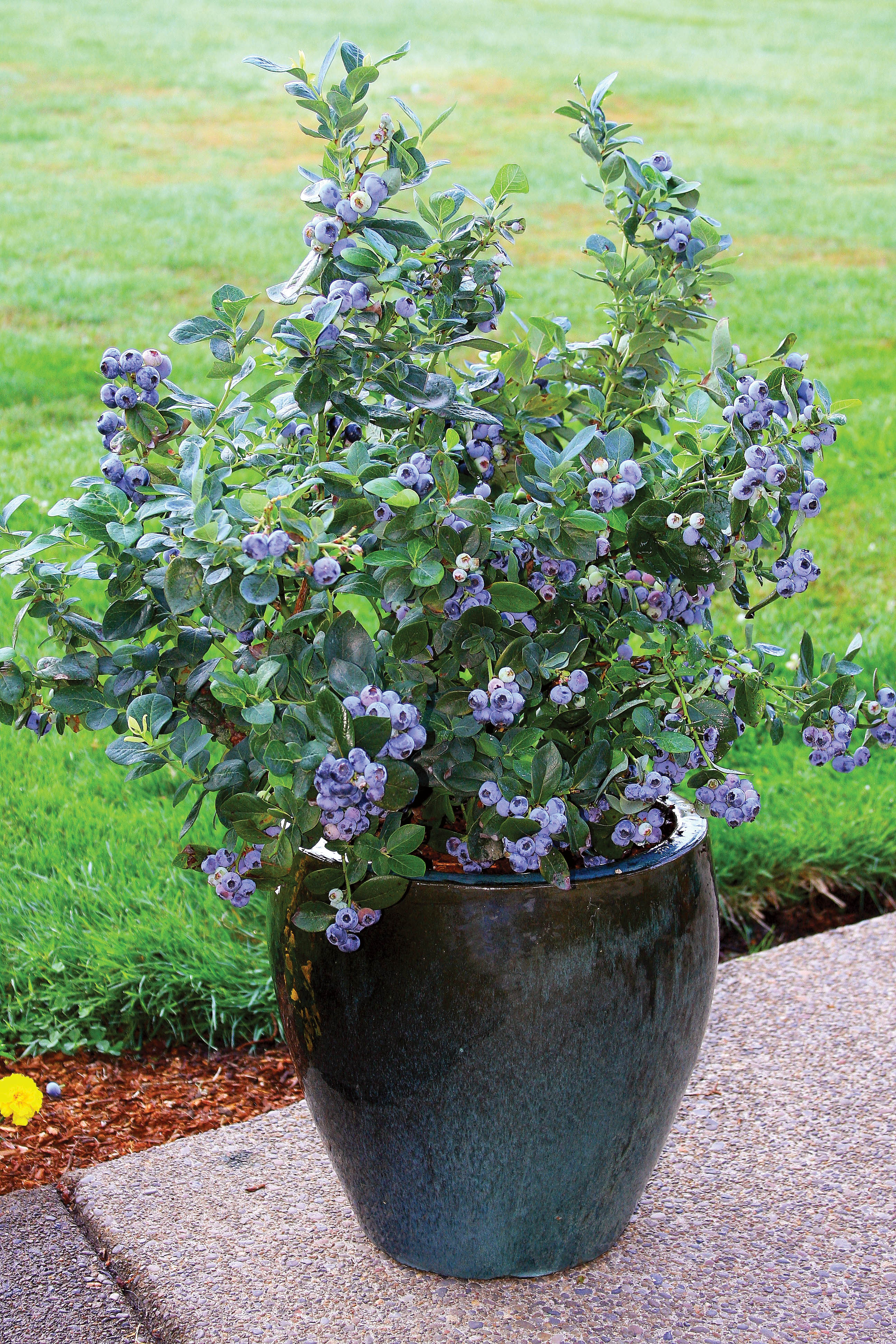
Berry bushes typically thrive in specific conditions that cater to their growth needs. They prefer well-drained soil, adequate sunlight, and an appropriate climate. Understanding where berry bushes grow best can help in planning a productive garden. Here are some factors influencing their growth conditions:
Soil Type
Berry bushes grow best in loamy or sandy soils with good drainage. Heavy clay soils can retain too much moisture, leading to root rot. The following soil characteristics are preferable:
- pH level: Most berry bushes perform well in slightly acidic to neutral soil, ideally between pH 5.5 and 7.0.
- Nutrients: Enriching the soil with organic matter, such as compost, can provide necessary nutrients.
- Drainage: Soil should drain well to prevent waterlogging, which can be detrimental to the roots.
Sunlight Requirements
Berry bushes generally require full sun for optimal growth, which means at least 6 to 8 hours of direct sunlight daily. The sunlight impacts their fruiting capabilities, leading to sweeter and more abundant berries. Key aspects include:
- Sun exposure: Positioning berry bushes in a south or west-facing location can maximize sun exposure.
- Shade tolerance: Some varieties, like blueberries, can tolerate partial shade but will yield less fruit.
- Temperature: Full sun helps ensure proper blooming and fruit set, especially in cooler climates.
Climate Considerations
The climate plays a crucial role in the health and productivity of berry bushes. They thrive in temperate climates with distinct seasons:
- Hardiness zones: Identifying the suitable hardiness zone for specific berry varieties can ensure successful growth.
- Frost risk: Late spring frosts can damage blossoms; choosing varieties that bloom later can mitigate this risk.
- Rainfall: Regular rainfall or irrigation is important, but too much can lead to root issues.
Spacing and Layout
Proper spacing between berry bushes is essential for optimal airflow and sunlight penetration. It also helps reduce disease spread:
See also:
- Row spacing: Maintaining rows 5 to 8 feet apart for taller bushes allows proper access for maintenance.
- Plant spacing: Individual plants should be spaced according to their type; smaller bushes can be 2 to 3 feet apart, while larger ones may need more space.
- Companion planting: Consider planting complementary species nearby to deter pests and enhance growth.
Watering Needs
Watering is critical for berry bushes, particularly during the establishment phase. They need sufficient moisture without becoming waterlogged. Consider the following:
- Moisture levels: Soil should be kept consistently moist but never soggy. A 1 to 2 inches of water weekly is often recommended.
- Irrigation methods: Drip irrigation is preferable as it delivers water directly to the root zone.
- Mulching: Applying mulch can help retain soil moisture and suppress weeds that compete for nutrients.
What side of the house to plant blueberry bushes?
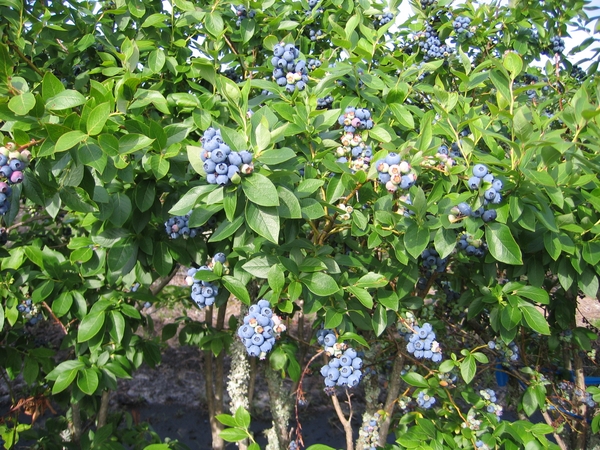
To successfully grow blueberry bushes, it is essential to determine the right side of the house for planting. Blueberries thrive in areas that offer adequate sunlight, proper soil conditions, and protection from harsh elements. Typically, the south or southeast side of the house is the most suitable location for planting blueberry bushes. This orientation provides several benefits, including:
- Maximized Sunlight Exposure: Blueberries require at least 6-8 hours of direct sunlight daily for optimal growth. The south and southeast sides receive the most sunlight throughout the day.
- Protection from Wind: Planting on the side of the house can give some protection from strong winds, which can damage the plants and disrupt their growth.
- Improved Drainage: The elevation of certain sides of a house can promote better drainage, which is crucial for blueberries as they do not tolerate sitting water well.
Soil Requirements for Blueberries
Blueberry bushes require acidic soil to flourish. Ideal soil pH should be between 4.5 and 5.5. Consider the following points regarding soil:
- Testing soil pH: Conduct a soil test to check the acidity levels.
- Soil amendments: Add sulfur or peat moss to lower pH if necessary.
- Well-draining composition: Ensure soil is rich in organic matter and drains well.
Watering Needs
Proper watering is crucial for blueberry production. The following are essential aspects to keep in mind:
- Regular watering: Blueberry bushes need a consistent supply of moisture, especially during dry spells.
- Avoid waterlogging: Ensure that there is no standing water around the root zone.
- Mulching: Apply mulch to retain moisture and regulate soil temperature.
Choosing the Right Varieties
Selecting the appropriate blueberry varieties is crucial, depending on your location and climate. Consider these points:
- Types of blueberries: Highbush, lowbush, and rabbiteye blueberries offer different characteristics.
- Hardiness zones: Choose varieties based on the USDA hardiness zone in your area.
- Pollination: Planting multiple varieties can improve fruit set through cross-pollination.
Sunlight and Microclimates
Understanding the sunlight exposure and potential microclimates around your house is vital. Take note of the following:
- Sunlight patterns: Observe how sunlight moves across your yard throughout the day.
- Shadow effects: Identify any structures or trees that may create shade during the day.
- Microclimate benefits: Utilize spots near walls or fences that may retain heat and promote growth.
Pest and Disease Management
Maintaining the health of your blueberry bushes is critical, including managing pests and diseases. Keep these strategies in mind:
- Regular inspections: Examine bushes for signs of pests or diseases regularly.
- Neem oil or insecticidal soap: Use organic treatments for pest control to minimize harm.
- Proper pruning: Prune to improve air circulation and sunlight penetration.
How much space does a berry bush need?

Berry bushes require a sufficient amount of space to thrive, grow, and produce fruit effectively. The amount of space needed largely depends on the type of berry bush being planted, as different species have unique growth habits and requirements. Generally, most berry bushes need between 3 to 6 feet of space between each plant to ensure they have adequate sunlight, air circulation, and nutrients to flourish. If planting in rows, it's recommended to maintain a distance of about 7 to 10 feet between rows to facilitate maintenance and harvesting.
Factors Influencing Space Requirements
Different factors can influence the amount of space a berry bush needs, including:
- Type of Berry: Different species like blueberries, raspberries, and blackberries have distinct growth habits, affecting their spacing needs.
- Growth Habit: Some berry bushes are more compact, while others can spread significantly, necessitating more space.
- Environmental Conditions: Sunlight, soil quality, and moisture availability can impact how well a berry bush grows, influencing spacing decisions.
Spacing Recommendations for Common Berry Bushes
Each type of berry bush has specific spacing needs:
See also:
- Blueberries: Typically require 4 to 5 feet apart to ensure proper air circulation and fruit production.
- Raspberries: Should be spaced about 2 to 3 feet apart in rows to keep them manageable and productive.
- Blackberries: Need approximately 3 to 4 feet of space between plants; trellising may also be necessary for better growth.
Companion Planting Considerations
When planting berry bushes, consider companion plants that can help or hinder their growth:
- Compatible Plants: Plants like herbs and flowers that attract pollinators may enhance berry production.
- Incompatible Plants: Certain plants may compete for nutrients or harbor pests that affect berry bushes negatively.
- Soil Health: Ensuring a healthy soil ecosystem with companion planting can improve the overall growth and yield of berry bushes.
Maintenance and Access
Proper spacing also aids in the maintenance and care of berry bushes:
- Pruning and Harvesting: Adequate space allows easy access for pruning and harvesting without damaging neighboring plants.
- Pest Control: Easier access to plants makes it simpler to manage pests and diseases effectively.
- Watering and Fertilizing: Proper spacing enables better water distribution and fertilization for each bush.
Long-Term Growth Considerations
As berry bushes develop, their spatial needs may change:
- Ample Space for Maturity: Berry bushes expand as they mature, so initial space should account for their growth potential.
- Challenging Overcrowding: Overcrowding can lead to poorer air circulation, increased disease risk, and reduced fruit yield.
- Future Expansion: Consider future planting plans and the potential for expanding the berry garden when spacing plants.
Do berry bushes grow back every year?

Berry bushes, such as raspberries, blackberries, and blueberries, are perennials, meaning they grow back every year. However, the regeneration and fruit-bearing process can vary depending on the type of berry bush and environmental conditions. Generally, these bushes enter a cycle of dormancy in the winter months and re-emerge in the spring once temperatures rise again. Here are some factors that influence their growth and regrowth each year.
Factors Influencing Berry Bush Growth
Berry bushes are impacted by several key factors that dictate whether they will thrive and produce fruit each year. These include soil quality, weather conditions, and proper care.
- Soil Quality: Well-draining, nutrient-rich soil is essential for the health of berry bushes.
- Climate: Berry bushes thrive in various climates, but extreme temperatures can affect their growth.
- Watering Schedule: Consistent watering, especially during dry spells, is crucial for robust regrowth.
Pruning and Maintenance
Proper pruning and maintenance of berry bushes can significantly enhance their growth and fruit yield each year. Pruning helps remove dead or diseased wood, encouraging healthy growth.
- Timing: Prune during late winter or early spring before new growth starts.
- Technique: Use clean, sharp tools to make clean cuts, minimizing the risk of disease.
- Removal of Old Canes: For raspberries, remove old canes after they have fruited to divert energy to new growth.
Berry Bush Lifespan
The lifespan of berry bushes can vary. Depending on the species and care, some bushes can live for several years, continually producing fruit.
- Variety: Different types of berry bushes have different lifespans; for example, blueberry bushes can last up to 20 years.
- Health: Regular maintenance contributes to a longer, healthier life.
- Environmental Stressors: Pests and diseases can shorten the lifespan of berry bushes if not managed properly.
Seasonal Growth Patterns
Understanding the seasonal growth patterns of berry bushes is critical for successful cultivation and harvesting. Each type of berry bush has its unique growth cycle.
- Spring: During spring, bushes begin to break dormancy and show new growth.
- Summer: Many berry bushes produce flowers and subsequently fruit during the warmer months.
- Fall: In the fall, bushes prepare for winter dormancy, and harvesting is usually completed.
Common Issues Affecting Growth
Several common issues can affect the yearly growth of berry bushes. Recognizing these problems can help in implementing solutions.
- Pests: Insects such as aphids and spider mites can damage leaves and fruit.
- Diseases: Fungal infections like powdery mildew can hinder growth.
- Environmental Factors: Drought or excessive moisture can lead to stress and poor fruit production.
Questions from Our Readers
Where is the best place to plant berry bushes?
To achieve the best results, berry bushes should be planted in a location that receives full sunlight for at least 6 to 8 hours a day. Ensure that the soil is well-drained and rich in organic matter, which promotes healthy growth and fruit production.
What type of soil is ideal for berry bushes?
Berry bushes thrive in loamy soil with good drainage, but they can tolerate a range of soil types as long as it is moderately acidic to neutral (pH 5.0 to 7.0). Adding compost or well-rotted manure can enhance soil fertility and structure.
How much space do berry bushes need when planted?
When planting berry bushes, it is important to provide them with adequate spacing to promote airflow and reduce competition for nutrients. Generally, a spacing of 3 to 5 feet apart is recommended, depending on the type of berry bush.
See also:
Can berry bushes be planted in containers?
Yes, berry bushes can thrive in containers, making them a great option for small spaces or patios. When planting in containers, use a large pot with drainage holes and high-quality potting mix to ensure the plants receive proper nutrients and water drainage.

If you want to read more articles like Where is the Best Place to Plant Berry Bushes? Top Tips for a Thriving Garden, we recommend you check out our Berries category.
Leave a Reply
Related Articles