When Should I Stop Adding to My Compost? A Guide to Perfect Composting Timing

Composting is a rewarding and sustainable practice that transforms kitchen scraps and yard waste into nutrient-rich soil. However, knowing when to stop adding materials to your compost can be tricky. The timing plays a crucial role in achieving optimal decomposition and maximizing the benefits of your compost pile. This guide will explore the signs that indicate it's time to pause your additions, enabling your compost to mature effectively. By understanding the ideal timing for cessation, you can ensure that your compost reaches its full potential, providing you with the best organic material for your garden or landscape.
When Should I Stop Adding to My Compost?
Deciding when to stop adding materials to your compost pile is essential for achieving optimal results. Generally, you should consider halting additions when the compost has reached a mature state, indicated by its dark, crumbly texture and earthy aroma. This usually occurs after several months to a year of composting, depending on the balance of your materials and environmental conditions. Once the compost begins to get hot during the thermophilic phase, you can continue adding, but if it stabilizes and starts cooling down, that's a sign that microbial activity is decreasing. At this point, it’s best to stop adding new materials and allow the compost to finish its cycle.
Signs of Mature Compost
Mature compost exhibits certain characteristics that signal it is ready for use. Look for a dark brown color, a crumbly texture, and a pleasant earthy smell. If you see recognizable bits of food or twigs, it may not be fully decomposed yet. The presence of worms and other beneficial organisms is another sign of a healthy compost ecosystem. When these indicators align, it may be time to stop adding new materials and start using your compost in the garden.
Effects of Overloading Compost
Overloading your compost can hinder the decomposition process. When too many new materials are added, it can create an imbalance, leading to poor aeration and potential odor issues. Excessive green materials can cause a nitrogen overload, while too many brown materials can lead to insufficient nitrogen levels. Both scenarios can stall the decomposition process, making it crucial to manage the amount you’re adding as your compost matures.
How to Transition to Maintenance Mode
To transition your compost to maintenance mode, gradually reduce the amount of new materials you add. Focus instead on turning the pile to ensure even decomposition and aeration. This may involve mixing in some dry leaves to balance moisture levels or ensuring that you keep the pile aerated as it breaks down. Monitoring the temperature and consistency will guide you on when it’s time to cease additions altogether.
Composting in Batches
Composting in batches allows you to manage your compost materials effectively. By creating separate piles or bins for new materials, you can continue adding to one bin while allowing another to mature. This approach ensures that you always have a supply of ready-to-use compost while the other pile continues to decompose without the need for continual additions.
How Much Compost is Enough?
Determining how much compost to stop adding to depends on the quantity you need for gardening or landscaping purposes. If you’ve achieved a sufficient volume that meets your gardening goals, it’s time to stop adding more. Typically, around 1 to 2 inches of compost is enough for garden beds, allowing you to utilize the rich nutrients while letting the remaining compost continue to mature undisturbed.
| Characteristic | Importance |
|---|---|
| Dark Brown Color | Indicates maturity and readiness for use |
| Crumbly Texture | Shows good aeration and decomposition |
| Earthy Smell | Sign of healthy microbial activity |
| Presence of Worms | Indicates a thriving compost ecosystem |
How do I know when to stop adding to compost?

When determining when to stop adding to your compost, it's important to consider several key factors that indicate your compost bin or pile is ready to be finished. Here's an overview of these considerations.
Signs of a Mature Compost
Mature compost has a few distinct characteristics that indicate it is ready for use in your garden. Look for the following signs:
- Color: A dark, rich brown or black color preferred, indicating that the materials have decomposed adequately.
- Texture: A crumbly, soil-like texture should be present, resembling a peat moss consistency.
- Odor: It should have an earthy smell. An unpleasant odor could mean the compost is not ready.
Volume Reduction
As decomposition occurs, you may notice a significant reduction in volume. This reduction is a clear indication that the materials are breaking down. Keep these points in mind:
- Initial Size: Note the original size of your compost pile or bin and observe the decrease.
- Biodegradable Material: Items like kitchen scraps and garden debris shrink as they break down.
- Sifting: If you find you can sift through easily and separate large pieces, it might be time to stop adding new materials.
Temperature Stabilization
A temperature drop in your compost pile signals that the active decomposition phase is over. Check for these factors:
- Thermophilic Phase: Initially, the pile should heat up due to microbial activity. When it cools down, decomposition slows.
- Steady Temperature: If the temperature remains constant for an extended period, it might indicate that no further activity is happening.
- Cooling Off: Rapid cooling may suggest that the organic matter is substantially broken down.
Time Frame
The time it takes for compost to mature can vary based on several factors. Consider these timelines:
See also:
- Hot Composting: This method typically takes 4 to 6 weeks, depending on the materials and conditions.
- Cold Composting: This slower process may take several months to years, allowing materials to decompose gradually.
- Inspection Intervals: Regularly check your compost every few weeks to assess its readiness.
Adding Materials and Balance
Knowing when to stop adding materials is crucial for successful composting. Focus on these guidelines:
- Nitrogen to Carbon Ratio: Maintain a balance (approximately 1 part nitrogen to 30 parts carbon) to promote efficient decomposition.
- Limit Additions: Once your compost has reached a sufficient mass and temperature, it's advisable to halt new additions.
- Mature Ingredients: Incorporate primarily 'green' materials like food scraps while ceasing to add browns such as dry leaves to focus on completion.
How do you tell when the compost is finished?
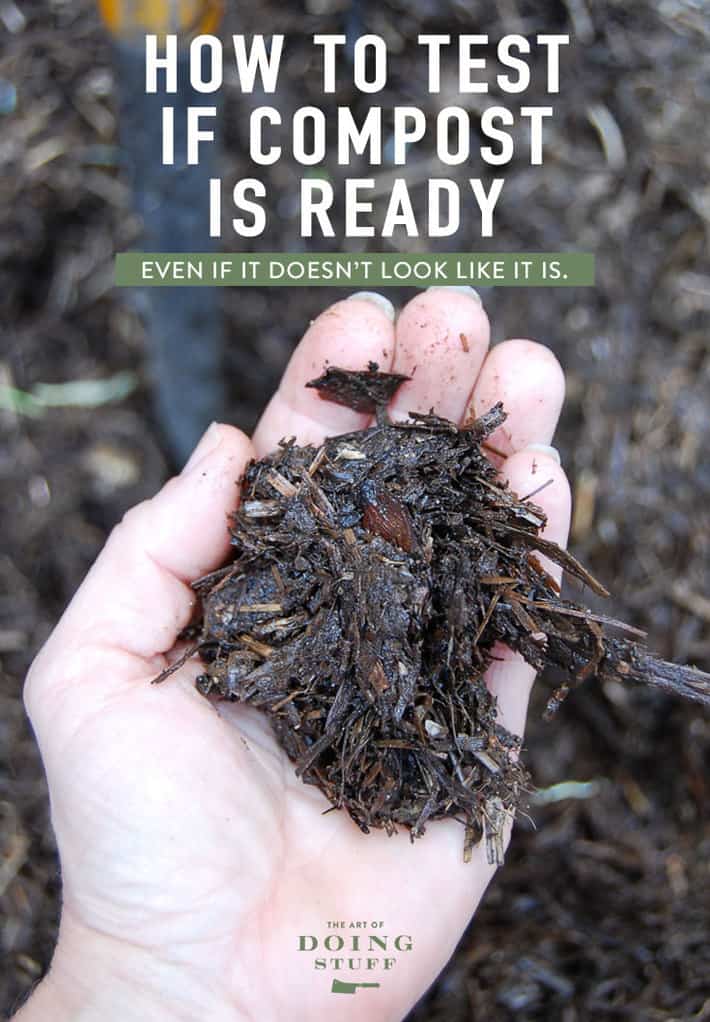
To determine when compost is finished, you should look for several key indicators that signal its readiness for use. Finished compost, also known as humus, is dark, crumbly, and has a pleasant earthy smell. Here are some effective ways to identify if your compost is mature and ready to enrich your garden.
Visual Appearance
The visual aspect of compost is one of the first things to assess. Finished compost should resemble rich, dark soil in both texture and color.
- Color: It should be dark brown or black, indicating that the materials have decomposed properly.
- Texture: The compost should feel crumbly and airy, similar to garden loam.
- Presence of Original Materials: You should not see recognizable pieces of the original compost ingredients; they should have broken down completely.
Odor
The smell of your compost pile can provide significant clues about its state. Mature compost emits a pleasant, earthy aroma, while an incomplete or anaerobic compost pile may have strong, unpleasant odors.
- Pleasant Earthy Smell: A finished compost will have a rich earthy scent that indicates microbial activity has stabilized.
- Avoid Strong Odors: If the compost smells like ammonia or rotten, it may be over-saturated or not fully decomposed.
- Consider Moisture Levels: If your compost is too wet, it may lead to odors; ensure it is moist but not soggy.
Temperature
The temperature of your compost pile can also help determine its readiness. During the active decomposition phase, the pile heats up significantly due to microbial activity.
- Cooling Down: Once the pile has cooled to ambient temperatures, this indicates that the active decomposition phase is likely complete.
- Consistent Temperature: If the temperature stabilizes around room temperature for a while, this is a good sign of finished compost.
- Checking Internal Temperature: Use a compost thermometer to monitor the center of the pile for temperature fluctuations.
Timeframe
The amount of time it takes for compost to mature varies depending on several factors such as materials used, moisture levels, and temperature.
- Typical Duration: Generally, compost can take anywhere from 3 months to a year to fully mature.
- Types of Materials: Compost made primarily from grass clippings and kitchen scraps will decompose faster than woody materials.
- Active Management: Regular turning and monitoring can speed up the composting process significantly.
Testing for Stability
Testing for stability involves checking the microbial activity and nutrient levels in your compost.
- Using a Test Kit: You can purchase a compost test kit to check for pH, nutrient levels, and microbial activity.
- Pay Attention to Beneficial Organisms: A mature compost should contain beneficial microorganisms, such as worms and fungal mycelium.
- Smell and Feel Test: Handle some compost; it should feel cool, not warm, and have that pleasant earthy smell indicating stability.
Can I continuously add to my compost bin?

Yes, you can continuously add to your compost bin, but there are some considerations to keep in mind to ensure that the composting process remains effective and efficient. Continuous addition is beneficial for composting as it allows for a more dynamic and ongoing decomposition process. However, the rate of decomposition can vary depending on the materials added, their ratios, and environmental conditions.
Understanding the Composting Process
The composting process involves the breakdown of organic materials by microorganisms, which thrive in a balanced environment. To understand continuous composting:
- Microbial Activity: The temperature in the compost bin rises as microorganisms break down materials, and maintaining this activity is essential for effective composting.
- Carbon-to-Nitrogen Ratio: A balanced mix of carbon (browns) and nitrogen (greens) is crucial; continuous additions may disrupt this balance.
- Aeration: Regularly turning the compost helps introduce oxygen, necessary for aerobic decomposition, which can be disrupted with continuous additions.
Types of Materials to Add
When adding materials to your compost bin, it’s important to consider what types of organic matter are suitable for composting:
- Fruit and Vegetable Scraps: These are excellent additions and rich in nitrogen, supporting microbial growth.
- Dry Leaves and Paper: Browns add carbon to balance the nitrogen from greens, helping to maintain the right ratio.
- Avoiding Meat and Dairy: These materials can attract pests and create odors, so it's advisable to keep them out of your compost bin.
Managing Odor and Pests
Continuous additions can sometimes lead to unpleasant odors or pest problems; management strategies are essential:
See also:
- Covering Fresh Additions: Always cover new additions with dry materials to prevent odors and pests.
- Aerate Regularly: Turning the compost frequently helps to prevent anaerobic conditions that can produce odors.
- Monitor Moisture Levels: Keeping compost too wet can lead to odor issues; balance moisture by adding dry materials as needed.
Maintaining an Ideal Environment
Creating and maintaining an ideal environment in your compost bin is key for successful continuous composting:
- Temperature Control: Keeping the right temperature (between 130°F to 160°F) can speed up decomposition and mitigate pest issues.
- Size and Space: Having enough space in the bin for continuous additions while allowing airflow is crucial for microbial activity.
- Moisture Management: A damp sponge-like feel is optimal; too dry or too wet can inhibit the composting process.
When to Stop Adding Materials
While you can continuously add to your compost bin, there are times when it’s best to cease adding materials:
- When It’s Full: Once the bin reaches its maximum capacity, it's best to allow the existing materials to decompose fully.
- During Cold Weather: In colder climates, microbial activity slows down; a pause in additions allows winter composting to complete.
- Active Decomposition: If the composting process shows signs of stagnation or imbalance, a break from adding materials may be necessary.
When should you stop composting?
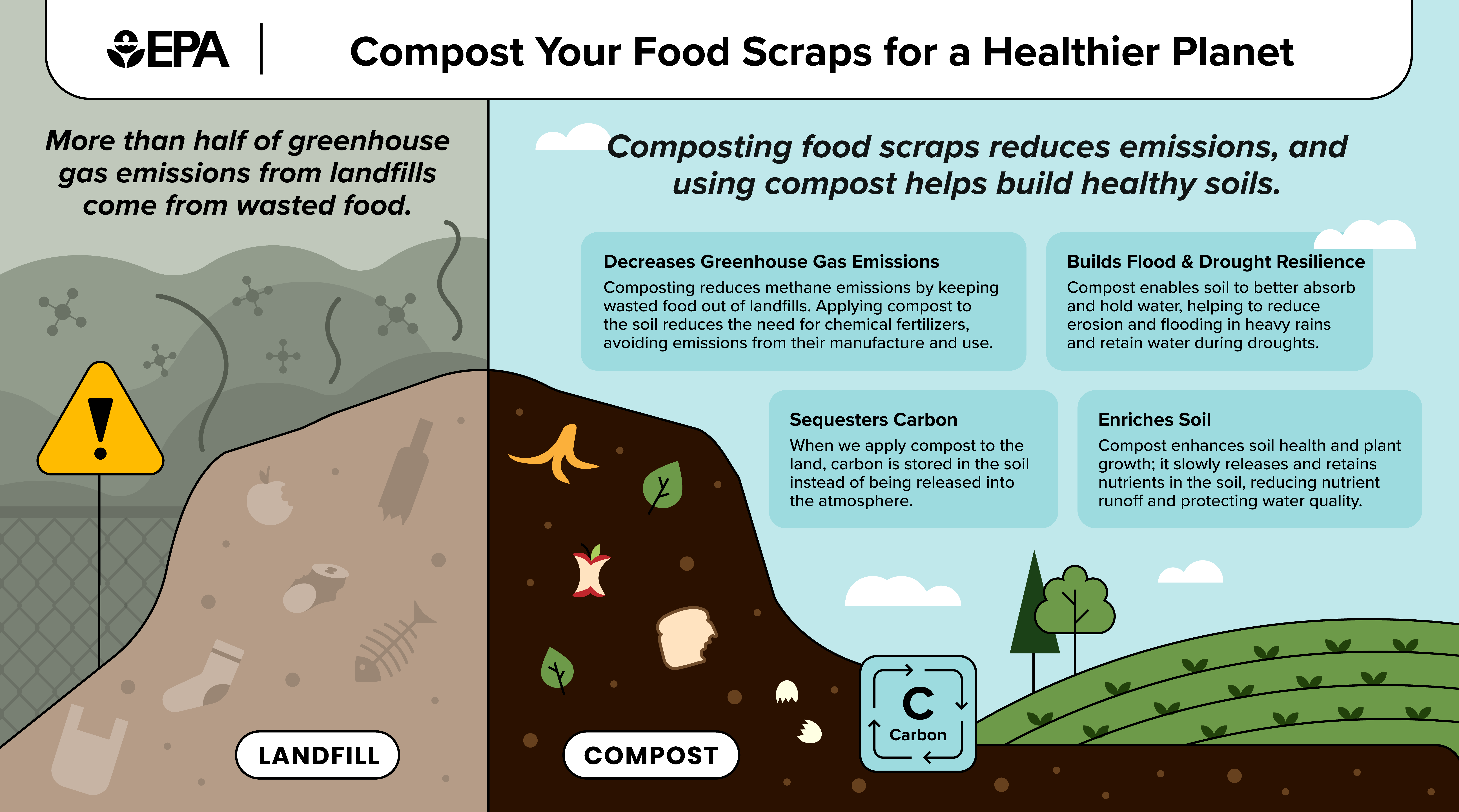
When it comes to composting, determining when to stop this process can depend on various factors, including the material used, the environmental conditions, and the goals you hope to achieve. Here are some key considerations to help you decide the right moment to halt your composting efforts:
Signs of Completed Compost
When composting is complete, you should observe several definitive signs indicating that the process has reached its conclusion.
- Appearance: The compost should resemble dark, crumbly soil devoid of recognizable food scraps or yard waste.
- Smell: A pleasantly earthy aroma signifies that the composting process is healthy and has matured.
- Temperature: The internal temperature of the pile should stabilize and be close to ambient temperature, indicating the end of microbial activity.
Change in Compost Volume
As composting materials break down, you will notice a change in the volume of the compost pile. This reduction typically indicates that the materials have decomposed sufficiently.
- Initial Size: The pile should have decreased in size by at least 50% from its original volume.
- Uniform Texture: Eventually, the texture will become more consistent, aiding in confirming that composting materials have thoroughly broken down.
- Dryness: The compost will feel dry, suggesting that the decomposition process is no longer actively occurring.
Increased Presence of Beneficial Organisms
The presence of beneficial organisms can be another indicator of when to stop composting. The activity of worms, fungi, and beneficial bacteria signifies a completed process.
- Earthworms: An increase in earthworm populations often suggests that the compost is ready and beneficial for gardens.
- Mycelium: Visible fungal mycelium indicates that the compost has reached a stage where it can enrich soil.
- Bacteria: A diverse array of beneficial bacteria is crucial for healthy compost and can signal that the composting process is effective.
Environmental Conditions
Factors like weather and environmental conditions can influence when to stop composting. Certain conditions may necessitate halting the process.
- Heavy Rain: Excessive moisture can lead to anaerobic conditions, potentially hindering the composting process.
- Winter Months: In colder climates, composting may slow down dramatically or freeze, making it prudent to pause.
- Pests: If the compost pile attracts unwanted pests, it may be a sign that it’s time to stop and manage the situation.
Uses for Finished Compost
Understanding the intended use of the compost can guide your decision on when to stop composting. Each application might have different maturation needs.
- Gardening: If you're planning to use the compost in a garden, it needs to be fully matured to provide essential nutrients.
- Soil Amendment: Compost used to amend soil should reach a balanced state, indicating it's suitable for enhancing soil health.
- Mulch: Compost intended for use as mulch should be sifted and fully decomposed to avoid any adverse effects on plants.
Questions from Our Readers
When is the right time to stop adding to my compost pile?
When your compost pile has reached a certain size and you notice that it is starting to heat up, it's a good time to stop adding new materials. This usually indicates that the composting process is in full swing, and adding more materials could disrupt the balance of carbon and nitrogen essential for decomposition.
Should I stop adding materials if my compost smells?
If your compost has an unpleasant odor, it’s often a sign of excess moisture or too much nitrogen-rich material. You may need to stop adding new items temporarily and focus on aerating and balancing the existing compost to restore a healthy environment for decomposition.
Can I continue adding to my compost during winter?
Yes, you can continue to add materials to your compost in winter, but it's important to note that the decomposition process slows down significantly in colder temperatures. If you want to maintain an active compost, consider using an insulated bin or adding materials that will help to create heat.
What should I do if my compost bin is full?
If your compost bin is full, it's a good time to stop adding more materials and allow the compost to decompose fully. You can also start a new bin or pile with fresh materials while the first batch continues to break down, ensuring you always have a steady supply of compost ready for use.
See also:

If you want to read more articles like When Should I Stop Adding to My Compost? A Guide to Perfect Composting Timing, we recommend you check out our Compost category.
Leave a Reply
Related Articles