What is the Toughest Ground Cover for Dogs? Discover Durable Options for Pet-Friendly Yards

When it comes to creating a pet-friendly yard, finding the right ground cover is essential, especially for dog owners. Many plants and grasses can succumb to the playful antics of our furry friends, leading to unsightly patches and bare spots. However, some ground covers are not only durable but also resilient enough to withstand daily wear and tear from outdoor activities. In this article, we will explore the toughest ground cover options that can endure the playful nature of dogs while enhancing the beauty and functionality of your garden. Discover the best choices for your pet-friendly outdoor space.
What is the Toughest Ground Cover for Dogs?
When selecting the toughest ground cover for dogs, it is essential to consider materials that can withstand heavy foot traffic, digging, and potential damage from pet waste. Some of the most durable options include artificial turf, which provides a soft surface while being resistant to wear and tear, and natural grasses such as Bermuda or Zoysia, which are known for their resilience. Additionally, ground covers like clover and certain types of fescue can create a robust landscape that not only holds up against canine activities but also ensures easy maintenance and minimal mud. Ultimately, the choice should consider the dog's behavior, size, and the local climate to ensure the durability and health of both the plants and your pet.
Benefits of Artificial Turf for Dogs
Artificial turf offers numerous advantages for dog owners, especially in terms of maintenance and durability. Unlike natural grass, it doesn't require regular mowing, watering, or fertilizing, which can save time and resources. Moreover, it is designed to withstand rough play and digging, making it an ideal surface for energetic dogs. The drainage layer beneath the turf allows for quick drying, reducing the likelihood of muddy paws and bad odors, making it a hygienic choice for pet owners concerned about their dogs' health.
Natural Grass Options
When it comes to natural grass, some species are particularly suited for high-traffic areas frequented by dogs. Bermuda grass is known for its resilience and ability to recover quickly from wear, while Zoysia grass grows thick and can withstand rough conditions, making it an excellent choice for pet owners. Additionally, fescue can provide a softer surface and is often tolerant of varying weather conditions. Choosing the right mix of grass can enhance durability while providing a comfortable area for dogs to play and lounge.
Ground Covers Besides Grass
For those looking beyond traditional grasses, several ground cover options can endure canine activity. Clover, for example, is a hardy and low-maintenance choice that provides a lush green area for dogs to roam. Other options include creeping thyme and creeping phlox, which are not only resilient but also offer beautiful aesthetics. These alternatives can resist trampling and grow back quickly after being disturbed, making them suitable for homes with active dogs.
Maintenance Tips for Durable Ground Cover
To ensure that the chosen ground cover remains robust and attractive, regular maintenance is crucial. This can involve routine grooming, watering, and occasional fertilization, depending on the type of ground cover selected. For natural grass, keeping the lawn cut to an appropriate height can promote healthy growth while ensuring it withstands dog activities. In the case of artificial turf, rinsing periodically to remove dirt and waste will help maintain cleanliness and prevent odors from building up.
Considerations for Climate and Soil Type
Choosing the right ground cover also involves considering the climate and soil type where the dogs will play. Certain grasses thrive in warmer climates, while others are more suited for cooler regions. Similarly, soil composition can impact how well the ground cover establishes itself and sustains over time. Conducting a soil test can help determine pH levels and nutrient availability, which can guide decisions on the best plant types for a sustainable and durable landscape.
| Ground Cover Type | Durability | Maintenance Level |
|---|---|---|
| Artificial Turf | High | Low |
| Bermuda Grass | High | Medium |
| Zoysia Grass | Medium-High | Medium |
| Clover | Medium | Low |
| Creeping Thyme | Medium | Low |
What ground cover can withstand dogs?
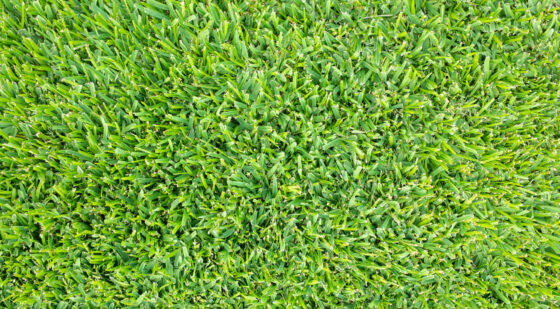
When selecting ground cover that can withstand dogs, it is crucial to consider plants that are durable, non-toxic, and capable of recovering from wear and tear caused by pet activity. Here are some excellent options recognized for their resilience in dog-friendly environments:
Durable Ground Cover Options
Several plants are known for their durability and suitability for homes with dogs. They can withstand foot traffic and maintain their appearance even after being trodden on:
- Clover: This low-growing plant is tough and can recover from being walked on frequently.
- Thyme: A hardy herb that not only tolerates foot traffic but also releases a pleasant fragrance when stepped on.
- Fescue Grass: This grass variety is known for its endurance and ability to thrive in various conditions.
Non-Toxic Plant Choices
Ensuring that ground cover plants are non-toxic is essential for the safety of your pets. Here are some dog-safe options:
- Blue Star Creeper: This charming ground cover is non-toxic and provides a lush, green carpet that is safe for pets.
- Irish Moss: With its dense growth, Irish moss is safe for pets and adds a vibrant touch to your landscape.
- Fast-growing Mosses: Many moss varieties are safe for dogs and can create a soft, green covering in shady areas.
Low-Maintenance Ground Covers
Choosing low-maintenance options helps ensure that your garden stays beautiful without much effort. Here are some easy-to-care-for ground covers:
- Ajuga: This hardy plant spreads quickly and requires little care, adapting well to various soil types.
- Vinca Minor: Also known as periwinkle, it is a low-maintenance, flowering ground cover that thrives in different conditions.
- Chamomile: This plant is not only aromatic but also requires minimal upkeep while being safe for pets.
Resistance to Wear and Tear
When selecting ground cover, it's important to find varieties that can endure the wear and tear caused by dogs. Here are some resilient options:
- Ornamental Grasses: Many types of ornamental grasses are resilient against pet activity and provide aesthetic appeal.
- Perennial Ryegrass: This grass type establishes quickly and is excellent for high-traffic areas where pets roam.
- Ground Morning Glory: Capable of withstanding trampling, this plant also offers vibrant blooms to enhance your garden.
Creating a Dog-Friendly Landscape
Designing a landscape that is both aesthetically pleasing and suitable for dogs requires consideration of various factors:
- Choose the Right Location: Consider placing durable ground cover in areas your dog frequents, ensuring easy access and movement.
- Integrate Pathways: Establish clear pathways with robust ground cover to direct traffic and minimize damage to other plant life.
- Incorporate Play Areas: Designate specific play zones with wear-resistant ground cover to encourage your dogs to play in a controlled space.
What ground cover withstands dog pee?

There are several types of ground cover that can withstand dog pee, which is often high in nitrogen and can damage traditional lawns and plants. Selecting the right ground cover is essential to keep your garden looking healthy despite the presence of pets. Here are the top options:
Choosing Pet-Friendly Ground Covers
When selecting ground covers that can resist dog urine, you should consider their durability and ability to recover from stress. Some ground cover plants are naturally more resilient to urine exposure due to their leaf structure and root systems. These plants often thrive in a variety of conditions.
- Clover: A popular choice due to its hardy nature and ability to fix nitrogen in the soil.
- Ajuga: Also known as bugleweed, it withstands foot traffic and some degree of urine exposure.
- Thyme: A fragrant herb that can tolerate some dog urine while delivering ground cover benefits.
Best Ground Covers to Withstand Dog Urine
Several ground cover plants are known for their resilience to dog urine. These plants are not only hardy but also offer varying aesthetic qualities to enhance your landscape design.
- Periwinkle: This plant is a robust ground cover that thrives in shady areas and can handle the acidity from urine.
- Buffalo Grass: Known for its drought tolerance, it can withstand urine and is suitable for sunny areas.
- Self-Heal: A durable plant that quickly recovers from damage, making it ideal for areas frequented by dogs.
Maintenance of Dog-Resistant Ground Cover
Maintaining ground cover that withstands dog urine is crucial to ensure it remains healthy. Regular care routines can help improve their resilience and overall appearance.
- Watering: Regular watering can help dilute any residual nitrogen from dog urine, mitigating damage.
- Fertilization: Use pet-safe fertilizers that can enhance the growth and recovery of the plants.
- Trimming: Regular trimming helps to promote healthy growth and can encourage denser foliage, which is more resistant to urine.
Designing a Dog-Friendly Landscape
When designing a landscape that includes dogs, the choice of ground cover is important to create a harmonious environment. Consider the layout and the placement of these plants within your yard.
- Pathways: Use durable ground covers along pathways to minimize damage and provide a defined walking area for dogs.
- Zones: Create distinct areas that are safe and suitable for pets, incorporating resistant plants in those zones.
- Mulching: Incorporate mulch in areas with ground cover to reduce urine concentration and protect the soil ecosystem.
Common Myths About Dog Urine and Plants
There are several misconceptions surrounding the interaction between dog urine and plants. Understanding these myths can help you make better decisions about your landscape.
- All plants are equally affected: Not all plants respond the same way; some are much more resilient.
- Only grass is damaged: Many ground covers can suffer from urine exposure, but some are designed to endure.
- Urine burns are permanent: With proper care and maintenance, many damaged ground covers can recover.
What is the most resilient ground cover?
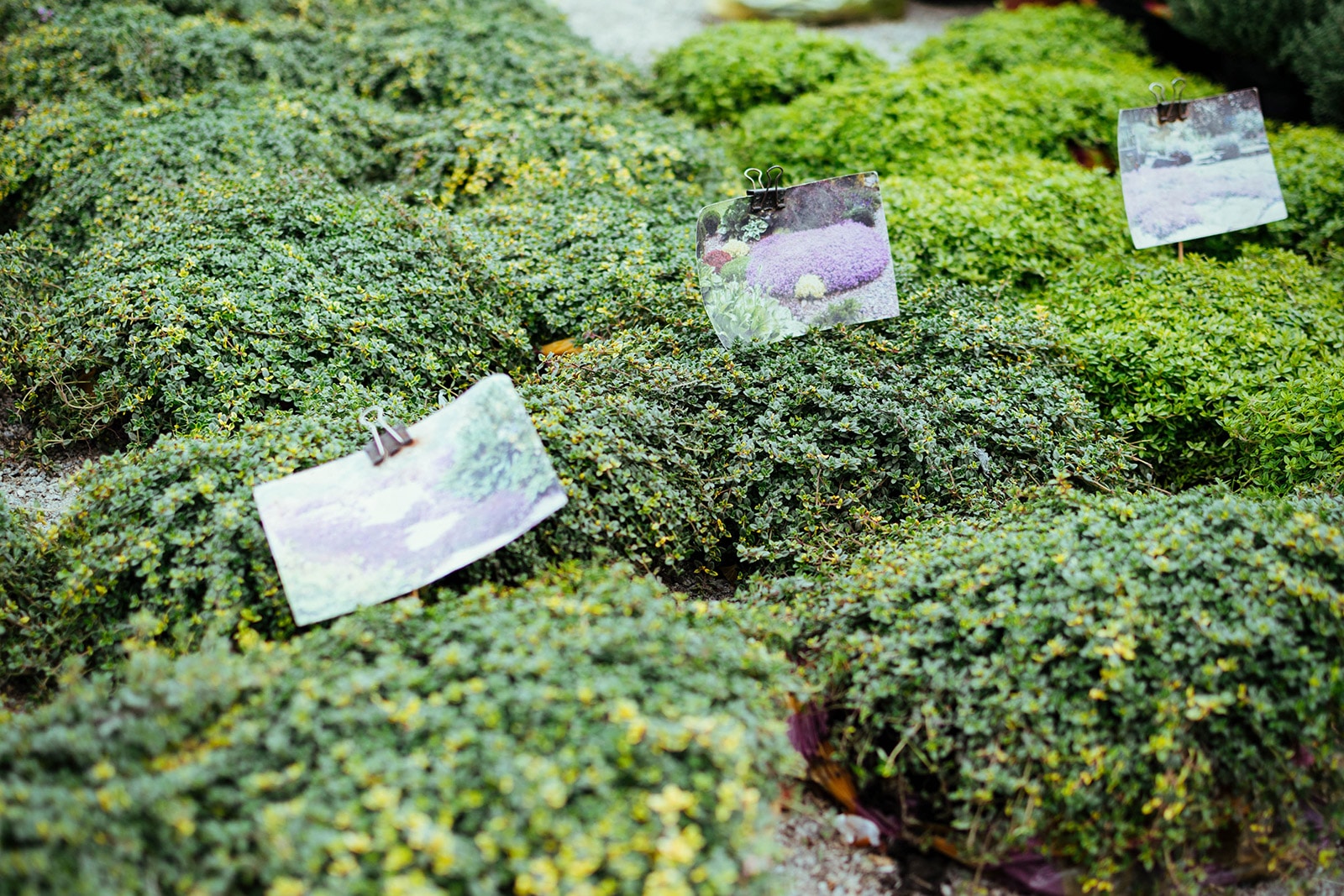
The most resilient ground cover is often considered to be Creeping Thyme (Thymus serpyllum). This hardy, drought-tolerant plant not only withstands various environmental conditions but also offers aesthetic and practical benefits. Here’s a detailed exploration of this resilient ground cover along with related topics.
Benefits of Creeping Thyme
Creeping Thyme has numerous advantages that contribute to its popularity as a ground cover. Its unique characteristics include:
- Drought Resistance: Creeping Thyme is highly resistant to drought conditions, making it an excellent choice for low-water gardens.
- Low Maintenance: Once established, it requires minimal upkeep, freeing up time for other gardening tasks.
- Soil Erosion Control: Its dense growth helps prevent soil erosion, protecting your landscape from runoff.
Optimal Growing Conditions
For optimal growth, Creeping Thyme thrives in specific environmental conditions:
- Sunlight: It prefers full sun but can tolerate partial shade, making it versatile for various garden locations.
- Well-Drained Soil: This plant favors sandy or loamy soil that drains well to prevent root rot.
- Moderate pH: A pH level between 6.0 and 8.0 is ideal for its growth and flowering.
Propagation Techniques
There are multiple ways to propagate Creeping Thyme, ensuring its spread throughout your garden:
- Seed Sowing: Direct sowing in spring or fall works well, allowing natural growth cycles.
- Cuttings: Taking cuttings from healthy plants can create new plants that are genetically identical to the parent.
- Dividing Established Clumps: This method involves splitting larger plants into smaller segments, promoting quicker establishment.
Landscape Uses
Creeping Thyme is versatile and can be effectively used in various landscaping projects:
- Pathways and Walkways: Its ability to withstand foot traffic makes it suitable for between paver stones.
- Rock Gardens: Perfect for rock gardens, Creeping Thyme adds color and texture to stony areas.
- Edging Borders: A great option for garden edges, providing a neat, attractive outline for flower beds.
Common Pests and Diseases
While relatively resilient, Creeping Thyme can sometimes face pest or disease issues:
- Leaf Spot: Fungal infections can be mitigated through proper spacing and air circulation.
- Root Weevils: These pests can undermine the plant’s health; natural predators and insecticidal soaps can help manage them.
- Aphids: Aphids can occasionally infest the plant, but beneficial insects often keep their population in check.
What is the best ground surface for dogs?

The best ground surface for dogs largely depends on the dog's needs, activity level, and the environment where they will be playing or exercising. Here are some common ground surfaces that can be suitable for dogs:
Grass: Grass is widely regarded as one of the best surfaces for dogs. It provides a soft texture that is easy on their joints and paws. Grass also helps to maintain a cooler temperature for dogs during the hot months, making it an appealing choice.
Benefits:
- Softness: Gentle on paws, reducing the risk of injuries.
- Coolness: Helps maintain a lower temperature, preventing overheating.
- Natural Environment: Dogs love to roll and dig in grass, fulfilling their instincts.
Sand: Sand is another favorable surface for dogs as it offers a softer footing compared to concrete or asphalt. It can be found at beaches or specially designated dog parks.
Benefits:
- Shock Absorption: Reduces the impact on joints and bones during play.
- Temperature Regulation: Sand tends to remain cooler than pavement.
- Hydration: If dogs ingest small amounts, it's typically non-toxic and digestible.
Artificial Turf: Artificial turf has gained popularity in recent years, especially in urban areas. This surface resembles grass but is made from synthetic materials.
Benefits:
- Low Maintenance: Doesn’t require mowing or watering.
- Durable: Can withstand heavy foot traffic and rough play.
- Easy Cleaning: Simply hose down for quick cleanup after bathroom breaks.
Dirt or Soil: Natural dirt can also be a suitable surface for dogs, particularly if it is well-drained and free from sharp objects. Dogs often enjoy digging and rolling in dirt.
Benefits:
- Natural Instincts: Allows for digging and exploring, fulfilling behavioral needs.
- Paw Pads Strengthening: Natural surfaces enhance the strength of paw pads.
- Varied Terrain: Provides different textures and experiences for dogs.
Concrete or Asphalt: While these surfaces are less ideal due to their hardness, they are commonly found in urban environments. If used, it is essential to monitor the dog's activities closely.
Benefits:
- Durability: Extremely long-lasting and resistant to wear and tear.
- Heat Retention: Can retain heat, making it less suitable in hot weather.
- Accessibility: Often found in many public areas, providing safe play zones.
Questions from Our Readers
What is the toughest ground cover for dogs?
The toughest ground cover for dogs is often considered to be varieties like clover, fescue, and even certain ornamental grasses. These types of ground cover are not only durable but also resilient against the wear and tear caused by pet activity. They can withstand heavy foot traffic and provide a comfortable space for dogs to play without harming their paws.
Are there specific ground covers that are toxic to dogs?
Yes, some ground covers can be toxic to dogs. Plants like oleander, azalea, and certain varieties of ivy should be avoided as they can cause various health issues if ingested. It is important to research and choose safe ground cover options to ensure the well-being of your pets while maintaining your garden.
How can I maintain ground cover if I have dogs?
To maintain ground cover with dogs, it is crucial to select drought-resistant and hardy plants, and regularly monitor the area for wear. You can also create designated play zones to minimize damage and use mulch or gravel in high-traffic areas to help maintain the health of your grass or ground cover.
Can ground cover prevent mud and dirt in my yard?
Yes, appropriate ground cover can significantly reduce mud and dirt in your yard. By using thick, lush grass or durable ground covers, you can create a more stable surface that absorbs moisture. Additionally, proper drainage and soil management complement your ground cover to keep your yard cleaner and more enjoyable for both pets and humans.
See also:

If you want to read more articles like What is the Toughest Ground Cover for Dogs? Discover Durable Options for Pet-Friendly Yards, we recommend you check out our Lawn category.
Leave a Reply