What Happens If You Put Soil on Top of Grass? Uncovering the Effects and Benefits

When you think about maintaining a healthy lawn, the concept of layering soil over existing grass might seem unconventional. However, this practice can have various effects on your lawn's health and appearance. In this article, we will explore what happens when you put soil on top of grass, examining the potential benefits such as improved soil quality, better drainage, and enhanced nutrient availability. Additionally, we will discuss any challenges that may arise from this practice, ensuring you can make an informed decision for your landscaping needs. Join us as we uncover the impact of adding soil to your grassy areas.
Impact of Adding Soil on Grass
When you put soil on top of grass, several things can happen depending on the thickness of the layer and the type of soil used. A thin layer may benefit the turf by providing nutrients, improving drainage, or enhancing aeration, while a thicker layer can smother the grass, leading to a lack of sunlight and oxygen. This can eventually result in the grass dying off, causing an imbalanced ecosystem in your lawn and potentially leading to weeds taking over the area. It's essential to consider the health of the underlying grass before applying a new layer of soil to ensure that it remains viable and healthy.
Effects of Soil Thickness
The thickness of the soil layer is crucial in determining the outcome for the grass below it. A thin layer of about half an inch can provide a beneficial boost to the lawn by introducing added nutrients without obstructing the grass's ability to access light and oxygen. In contrast, a thicker layer of soil, particularly over 2 inches, can create a barrier that suffocates the grass, restricting its growth and leading to poor overall health.
Soil Composition
The composition of the soil placed on top of the grass plays a significant role in the outcome. High-quality topsoil rich in organic matter can enhance soil fertility and improve moisture retention, which is beneficial for grass health. However, if the soil contains a lot of clay or sand, it may not provide the same benefits and could lead to drainage issues or nutrient deficiencies, negatively impacting the underlying grass.
Impact on Grass Photosynthesis
Adding a layer of soil can greatly affect the photosynthesis process of the grass. Since photosynthesis relies on the absorption of sunlight, a thick layer of soil can block this essential resource. Without adequate exposure to light, the grass will struggle to produce the energy needed for growth, leading to yellowing and eventual death of the turf.
Potential for Weeds
When soil is added on top of grass, there's a potential risk for weed growth. The topsoil can create a conducive environment for weeds to germinate, especially if the underlying grass weakens due to lack of light and nutrients. These weeds can compete with the grass for resources, further exacerbating the health issues of your lawn.
Best Practices for Soil Application
To promote a healthy lawn, it is essential to follow best practices when applying soil. Aim for a thin layer of high-quality topsoil and ensure that the application does not exceed half an inch. Regularly monitor the health of the grass and consider aeration to improve oxygen flow. Additionally, avoid adding soil during extremely hot or cold seasons, as this can further stress the grass.
| Aspect | Thin Layer (<1 inch) | Thick Layer (>2 inches) |
|---|---|---|
| Nutrient Boost | Yes | No |
| Sunlight Access | Good | Poor |
| Oxygen Availability | High | Low |
| Weed Growth Potential | Lower | Higher |
| Grass Health | Stable | Compromised |
Can I put soil on top of a lawn?
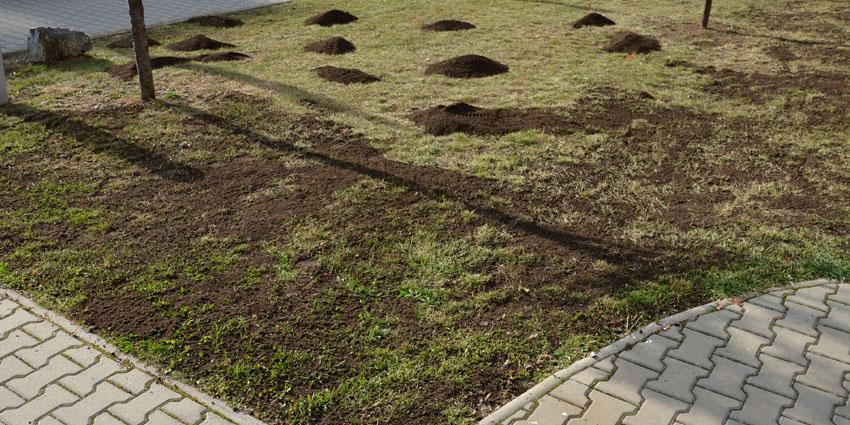
Yes, you can put soil on top of a lawn, a practice often referred to as topdressing. This can be beneficial for several reasons, but there are also important considerations to keep in mind to ensure the health of your grass. Topdressing involves applying a thin layer of soil or compost over the existing grass, which can improve the overall quality of your lawn if done correctly.
Benefits of Topdressing Your Lawn
Topdressing can offer multiple benefits for your lawn. Here are some key advantages:
- Improved Soil Quality: Adding a layer of quality soil can enhance soil structure and add valuable nutrients that promote healthier grass growth.
- Better Drainage: A good topdressing material can improve drainage, preventing waterlogging and making it easier for grass roots to access water.
- Enhanced Microbial Activity: Topdressing can stimulate microbial life in the soil, which helps break down organic matter and release nutrients.
Choosing the Right Soil for Topdressing
Not all soils are suitable for topdressing. It's essential to choose the right type to ensure the health of your lawn:
- Compost: Compost is often the best choice for topdressing, as it offers a balanced mix of nutrients and improves soil structure.
- Sandy Soil: If your lawn has heavy clay, consider adding sandy soil to improve drainage and aeration.
- Topsoil: A good quality topsoil can add nutrients and help level out uneven areas; however, it should be fine-textured to avoid compacting.
Best Practices for Topdressing
To effectively topdress your lawn, follow these best practices to ensure optimal results:
- Timing: The ideal time for topdressing is during the growing season, typically in spring or early fall when the grass is actively growing.
- Thickness: Apply a thin layer (about ¼ to ½ inch) to avoid smothering the grass, which can hinder its growth.
- Dry Conditions: Ensure the lawn is dry before applying soil; wet conditions can lead to clumping and compaction.
Potential Risks of Topdressing
While topdressing has many benefits, there are risks to be aware of:
- Soil Compaction: Excessive soil can lead to compaction, which restricts water and nutrient movement to the roots.
- pH Imbalance: Adding the wrong type of soil can alter the pH of your lawn, affecting nutrient uptake.
- Weed Incorporating unsterilized soil may introduce weed seeds, increasing competition for nutrients and water.
Post-Topdressing Care
After topdressing, it is crucial to care for your lawn properly to ensure the soil integrates well:
- Watering: Regularly water the lawn to help the soil settle and to promote grass recovery.
- Aeration: Consider aerating the lawn before topdressing to enhance the benefits and improve soil penetration.
- Fertilization: After a few weeks, you may apply a light application of fertilizer to support the grass as it grows through the new layer of soil.
What happens if you cover grass with dirt?

When grass is covered with dirt, several changes occur that can impact the grass's health and the overall ecosystem. The process of burying grass with soil can lead to suffocation, hinder photosynthesis, and create an unfavorable environment for microorganisms. Here’s a detailed overview of the potential consequences of covering grass with dirt.
Effects on Photosynthesis
When grass is covered with dirt, the light necessary for photosynthesis is obstructed. This can lead to several outcomes:
- The grass may begin to die due to a lack of sunlight.
- Without photosynthesis, the grass cannot produce energy, which is essential for its growth and survival.
- The chlorophyll in the grass will eventually degrade, leading to a change in color and vitality.
Suffocation of Grass Roots
Grass relies on its roots for nutrients and oxygen. When dirt is piled on top, it can suffocate the roots:
- Roots require oxygen to function properly; excessive cover can block this vital gas.
- Suffocating roots will lead to root rot, further compromising the grass's health.
- Overall plant health deteriorates as nutrient uptake is inhibited.
Impact on Soil Microorganisms
Soil is home to various microorganisms that play a crucial role in nutrient cycling. Covering grass with soil can disrupt this balance:
- The newly covered area may lack the microbial diversity needed for healthy soil.
- Essential decomposers like bacteria and fungi may be killed off, hindering organic matter breakdown.
- This disruption can lead to a decline in soil fertility, negatively affecting future plant growth.
Weed Growth and Competition
Covering grass with dirt can create an ideal environment for weeds to grow:
- Weeds often thrive in disturbed soil, competing with grass for resources.
- They can overshadow the grass, further limiting light access.
- This can result in a monoculture situation where desired grass species are outcompeted and diminish in presence.
Long-term Landscape Alterations
Covering grass with dirt can lead to significant ecological changes:
- It may change the landscape's drainage, affecting water retention in the area.
- Soil compaction can occur, which affects root growth and water absorption.
- Over time, this can lead to a shift in the entire ecosystem, affecting not only grass but also other forms of plant and animal life.
What happens if you put potting soil on grass?
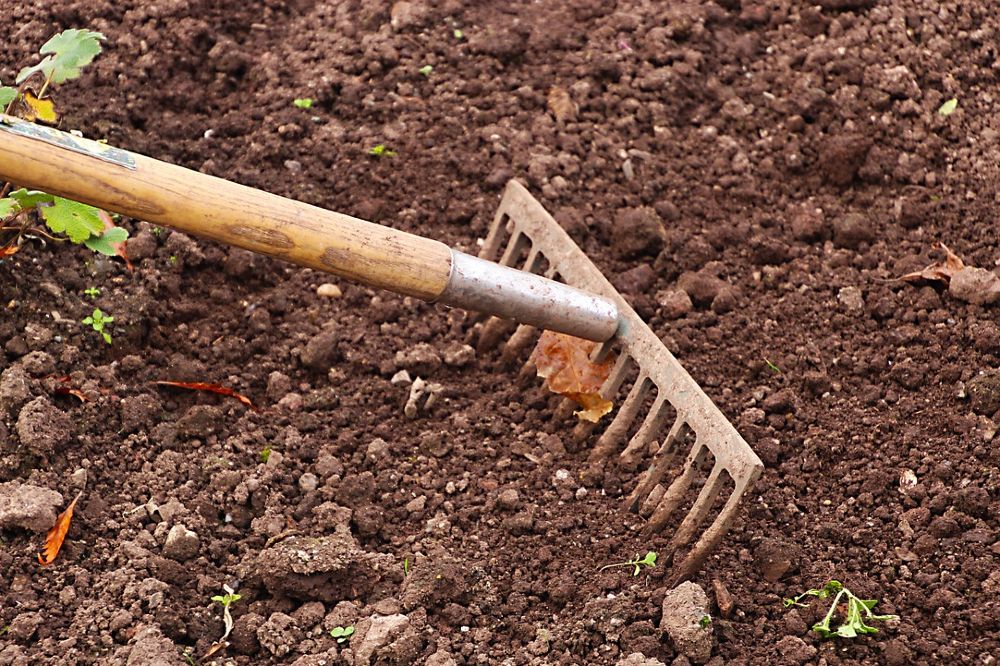
When you put potting soil on grass, several factors and consequences come into play. Potting soil is often formulated for container gardening, which means it has different properties compared to regular soil found in lawns. Here is what happens when you add potting soil to grass:
1. Nutrient Distribution:
Potting soil usually contains a mix of organic matter, peat moss, and various nutrients that can benefit grass. However, if applied excessively, it might disrupt the balance of nutrients the grass requires.
- Grass typically thrives in soil that has a specific balance of nutrients.
- Overapplication may lead to nutrient overload, potentially causing damage to the grass.
- In some cases, the synthetic nutrients might leach away from the grass and pollute the environment.
2. Water Retention:
Potting soil can retain moisture better than typical lawn soil. This may initially seem beneficial but can lead to issues such as waterlogging or even root rot.
- Grass roots need oxygen, and overly moist conditions can suffocate them.
- Extended periods of saturation can promote the growth of fungus or mold.
- Roots may also develop a shallow pattern due to the overly rich upper layer of the potting soil.
3. Soil Aeration:
When you put potting soil on grass, it can reduce soil aeration. The dense nature of many potting soils can lead to compacting, which can hinder root growth.
- Aeration is crucial for allowing air to reach roots.
- Compacted soil can prevent essential nutrients and water from penetrating deeper soil layers.
- This might ultimately result in a decline in grass health and vigor.
4. pH Levels:
Potting soil can have different pH levels compared to standard lawn soil. If the pH is not suitable for your grass type, it could affect growth.
- Grass types prefer specific pH levels: generally between 6.0 and 7.0.
- Potting soil that is too acidic or alkaline can hinder important nutrient absorption.
- Long-term usage can lead to an imbalance, causing nutritional deficiencies in grass.
5. Weed Growth:
Using potting soil can also introduce weeds that were not previously present in your lawn. This can lead to an increase in competition for nutrients and water.
- Weeds often thrive in environments with rich soil, taking away resources from your grass.
- Some potting soils may contain weed seeds, which could germinate after application.
- Maintaining a healthy lawn becomes more difficult when invasive species establish themselves.
Why do people put dirt on grass?
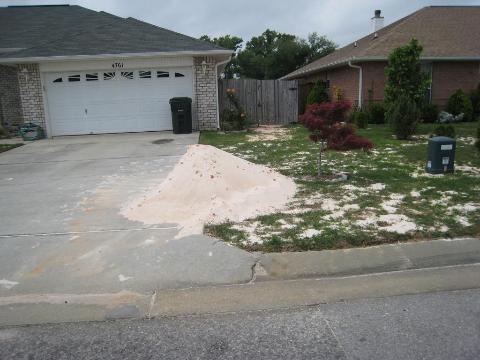
People put dirt on grass for various reasons, primarily related to improving soil health, enhancing drainage, leveling the surface, and promoting healthy grass growth. The practice can involve adding topsoil, compost, or a blend of materials that enrich the existing soil. Here are some detailed reasons and methods for putting dirt on grass:
Improving Soil Health
Adding dirt, particularly nutrient-rich topsoil or compost, can significantly improve the health of the soil beneath the grass. This practice enriches the soil with essential nutrients that promote healthier root systems and overall grass vitality.
- Enhanced Nutrient Content: Higher nutrient levels help grass grow more robustly.
- Microbial Activity: Compost encourages the proliferation of beneficial microbes.
- Soil Structure Improvement: Incorporating organic matters, like compost, improves soil texture.
Enhancing Drainage
In areas where grass struggles with poor drainage, adding dirt can help modify the physical characteristics of the soil. A well-draining soil allows excess water to flow away, preventing issues such as mold and root rot.
- Reducing Standing Water: Better drainage decreases the likelihood of water pooling on the surface.
- Soil Aeration: Looser soil allows for better root respiration and water permeability.
- Improved Water Retention: The right mix can also retain adequate moisture without becoming waterlogged.
Leveling the Surface
Uneven grass surfaces can be an eyesore and cause difficulty in mowing or using the lawn. Adding dirt helps to create a more level surface, making the lawn look tidy and more attractive.
- Fill in Low Spots: Dirt can be used to fill uneven areas where soil has washed away.
- Smooth Out Bumps: Adding dirt creates a more even surface, which is visually appealing.
- Improved Accessibility: A level lawn is easier and safer to walk or play on.
Promoting Healthy Grass Growth
Grass needs a healthy environment to thrive, and adding dirt can create optimal conditions for growth. The right combination of soil, nutrients, and organic matter can dramatically impact the health of the grass.
- Optimal pH Levels: New soil can balance pH levels that may be too acidic or alkaline.
- Better Root Development: Healthy soil encourages deeper and more extensive root systems.
- Increased Resilience: Stronger grass can better withstand adverse weather conditions.
Weed Control
Adding a layer of quality dirt or topsoil can also be beneficial in suppressing weeds. This practice can help to establish a thicker grass cover that outcompetes undesirable plants.
- Overcrowding Weeds: Healthy grass can grow thick enough to choke out weed seeds.
- Prevention of Weed Germination: A dense grass layer can prevent light from reaching emerging weed seedlings.
- Natural Mulch: Adding a layer of dirt can function like mulch to inhibit weed growth.
Questions from Our Readers
What happens to the grass when soil is placed on top of it?
Placing soil on top of grass can smother the grass below, preventing it from receiving adequate light and air. This may lead to the grass dying off due to a lack of necessary nutrients and resources.
Will the grass grow through the added soil?
While some grass types have the ability to grow through thin layers of soil, heavier applications can hinder growth. The grass may struggle to break through the new soil layer, affecting the overall health of the lawn.
Can adding soil improve the grass’s health?
In certain situations, adding a thin layer of quality soil can enhance grass health by improving drainage and providing essential nutrients. However, it's crucial to ensure that the soil is not excessively thick to avoid smothering the grass underneath.
How should soil be applied to avoid harming the grass?
To minimize harm, it is recommended to apply a light layer of soil, ideally no more than 1-2 inches. Moreover, utilizing a sandy loam mix can help improve the chances of the grass surviving and thriving with the added soil.

If you want to read more articles like What Happens If You Put Soil on Top of Grass? Uncovering the Effects and Benefits, we recommend you check out our Lawn category.
Leave a Reply