What is Considered Compost? A Comprehensive Guide to Understanding Composting Materials
Understanding what constitutes compost is essential for anyone interested in sustainable gardening and waste reduction. Composting not only diverts organic materials from landfills but also enriches soil, promotes healthy plant growth, and fosters a balanced ecosystem. This comprehensive guide will delve into the various types of materials that can be included in compost, distinguishing between greens and browns, and highlighting items that should be avoided. By clarifying these components, we aim to equip you with the knowledge needed to create a nutrient-rich compost that benefits both your garden and the environment. Let's explore the science and art of composting materials.
What is Considered Compost?
Compost is a nutrient-rich organic material that results from the decomposition of biological matter, including food scraps, yard waste, and other plant-based materials. This process, facilitated by microorganisms and invertebrates, transforms these raw materials into a dark, crumbly substance that enhances soil quality. Compost is not just any organic matter; it must undergo proper aerobic decomposition to ensure a balanced mix of carbon-rich (browns) and nitrogen-rich (greens) materials, which are essential to effective composting. The result is a sustainable way to recycle waste while improving soil structure, fertility, and moisture retention, thus supporting healthy plant growth.
Components of Compost
The main components of compost consist of two categories: greens and browns. Greens include nitrogen-rich materials such as fruit and vegetable scraps, grass clippings, and coffee grounds, providing essential protein and moisture for microbial activity. On the other hand, browns consist of carbon-rich items like dried leaves, straw, and cardboard that supply the energy needed for the decomposers to thrive. Balancing these components is crucial, as too much of one type can slow down the decomposition process, resulting in ineffective compost.
The Composting Process
The composting process is a natural phenomenon that involves the breakdown of organic materials through microbial activity. It typically goes through several stages: first, the mesophilic phase, where moderate-temperature microbes begin decomposition, followed by the thermophilic phase, where temperatures rise due to increased microbial activity, killing pathogens and weed seeds. As the temperature drops, the curing phase begins, allowing microorganisms to further break down the materials, leading to the final product: rich, dark compost ready for use in gardens and landscapes.
Benefits of Using Compost
Incorporating compost into soils offers numerous benefits. It increases soil fertility by providing essential nutrients in a slow-release form, improving the availability of macronutrients and micronutrients for plants. Additionally, compost enhances soil structure, promotes better water retention, and encourages the growth of beneficial microorganisms, thus boosting overall soil health. It can also reduce the need for synthetic fertilizers and pesticides, supporting more sustainable agricultural practices and reducing environmental impact.
Common Composting Mistakes
Some common mistakes in composting include not achieving the proper balance of greens and browns, which can lead to a smelly, anaerobic pile, or not chopping materials into smaller pieces, which slows down decomposition. Over-watering can also cause poor aeration, while under-watering may lead to dryness, halting microbial activity. Additionally, adding meat or dairy products can attract pests. Understanding these pitfalls can improve the efficiency of your composting efforts, yielding better quality compost.
Types of Composting
There are several types of composting methods available, each suited to different needs and circumstances. Traditional bin composting allows for a controlled environment to aid decomposition, while tumblers provide easy mixing and aeration. Vermicomposting uses worms to break down organic matter quickly, producing high-quality worm castings. Additionally, bokashi composting, a fermentation process, permits the composting of dairy and meat products by using specific microbes, making it a versatile method for various organic waste types.
| Compost Type | Description |
|---|---|
| Bin Composting | Traditional method using a stationary bin for controlled decomposition. |
| Tumbler Composting | Allows easy mixing and aeration of compost materials in a rotating design. |
| Vermicomposting | Utilizes worms to break down organic waste and produce nutrient-rich castings. |
| Bokashi Composting | Fermentation process that enables composting of meat and dairy products. |
What is considered compost material?

Compost material consists of a variety of organic substances that can break down and decompose to improve soil health and fertility. The primary goal of composting is to recycle organic waste into a valuable product that can enhance soil structure, provide essential nutrients to plants, and promote a healthy ecosystem. Here are the main categories of compost materials:
Types of Compost Materials
Compost materials can be categorized into two main types: green materials and brown materials. Each type plays a crucial role in the composting process.
- Green materials: These include fresh and moist organic matter that is rich in nitrogen. Examples are grass clippings, vegetable scraps, and coffee grounds.
- Brown materials: These are dry organic matter that is high in carbon. Examples include dry leaves, cardboard, and straw.
- Balance: A successful compost pile requires a balance of green and brown materials, typically in a ratio of about 1:3, to ensure optimal decomposition.
Kitchen Scraps as Compost Material
Many people utilize kitchen scraps as compost materials due to their abundance and nutrient content. These scraps can significantly contribute to the composting process.
- Fruit and vegetable peels: Peels and trimmings are rich in nutrients and moisture, making them ideal for compost.
- Coffee grounds: These add nitrogen and improve soil structure while attracting beneficial organisms.
- Eggshells: Crushed eggshells provide calcium, which is essential for plant growth.
Garden Waste and Yard Debris
Garden waste and yard debris are excellent sources of compost material and commonly include items that are often discarded but can enhance compost quality.
- Grass clippings: They break down quickly and provide nitrogen boosts to the compost.
- Leaves: Shredded leaves can be added to compost as a high-carbon component, improving aeration.
- Branch trimmings: Smaller twigs and branches can be added, but should be chopped to speed up decomposition.
Compostable Materials to Avoid
Not all organic materials are suitable for composting. Certain items can negatively impact the composting process and should be avoided.
- Meat and dairy products: These can attract pests and create odor issues during decomposition.
- Oils and fats: These materials do not break down well and can create an unpleasant composting environment.
- Pesticide-treated materials: Using materials that have been treated with chemicals can harm beneficial organisms in the compost.
Additional Composting Materials
Besides the typical kitchen and garden waste, various other materials can be added to enrich the composting mix.
See also:
- Paper products: Non-glossy paper, such as newspapers and cardboard, can add carbon and help absorb excess moisture.
- Wood chips or sawdust: These materials aid in improving aeration and provide a slow-release source of carbon.
- Animal manure: Herbivore manure is an excellent source of nitrogen and can boost the nutrient profile of the compost.
Can toilet paper go in compost?

Toilet paper can indeed be composted, but there are certain factors to consider to ensure that it breaks down properly and does not harm the composting process. Toilet paper is made from paper, which is a biodegradable material, making it suitable for composting. However, it is essential to check whether the toilet paper is free of chemicals, fragrances, or dyes that could potentially interfere with the composting process and the environment.
Understanding the Composition of Toilet Paper
Toilet paper is primarily composed of cellulose fibers derived from plants. This organic material can decompose effectively in a compost pile, provided it does not contain harmful additives. When considering whether to compost toilet paper, it's important to understand the following:
- Materials Used: Look for natural and biodegradable toilet paper made from recycled paper or sustainably sourced materials.
- Environmental Impact: Toilet paper produced with harsh chemicals or fragrances can negatively impact the composting balance.
- Decomposition Rate: Toilet paper breaks down relatively quickly compared to other materials, making it a good candidate for compost.
How to Compost Toilet Paper Properly
When composting toilet paper, there are specific practices to follow to ensure successful decomposition. It’s vital to follow these steps carefully:
- Check Labels: Always check the label for any information regarding the ingredients used in making the toilet paper.
- Use in Moderation: Adding toilet paper in moderate amounts helps maintain a balanced carbon-to-nitrogen ratio in the compost.
- Shred or Tear: Cutting or tearing the toilet paper into smaller pieces can accelerate the decomposition process.
Types of Toilet Paper Suitable for Composting
Not all toilet papers are created equal when it comes to composting. Some types are more suitable than others:
- Plain Toilet Paper: Most plain, white toilet papers without dyes or additives are safe for composting.
- Bamboo or Recycled Options: Toilet papers made from bamboo or recycled fibers are environmentally friendly and compost well.
- Disposable Alternatives: Consider alternatives like bidet attachments that reduce the need for toilet paper entirely.
Potential Problems When Composting Toilet Paper
While toilet paper can be composted, there are some potential challenges you may face:
- Contamination Risk: Ensure that no non-biodegradable materials (like wet wipes) are mixed in with the toilet paper.
- Pests and Odor Issues: If too much toilet paper is added, it can attract pests or lead to unpleasant odors in the compost.
- Composting Balance: Too much toilet paper might disrupt the aerobic conditions in the compost pile.
Alternative Solutions for Toilet Paper Waste
In addition to composting, there are several alternative solutions to manage toilet paper waste effectively:
- Worm Composting: Consider using vermicomposting systems that can handle small amounts of toilet paper effectively.
- Biodegradable Bags: Use biodegradable bags for toilet paper disposal to minimize environmental impact.
- DIY Solutions: Explore other DIY bathroom solutions that reduce or eliminate the use of toilet paper.
What is not considered compost?
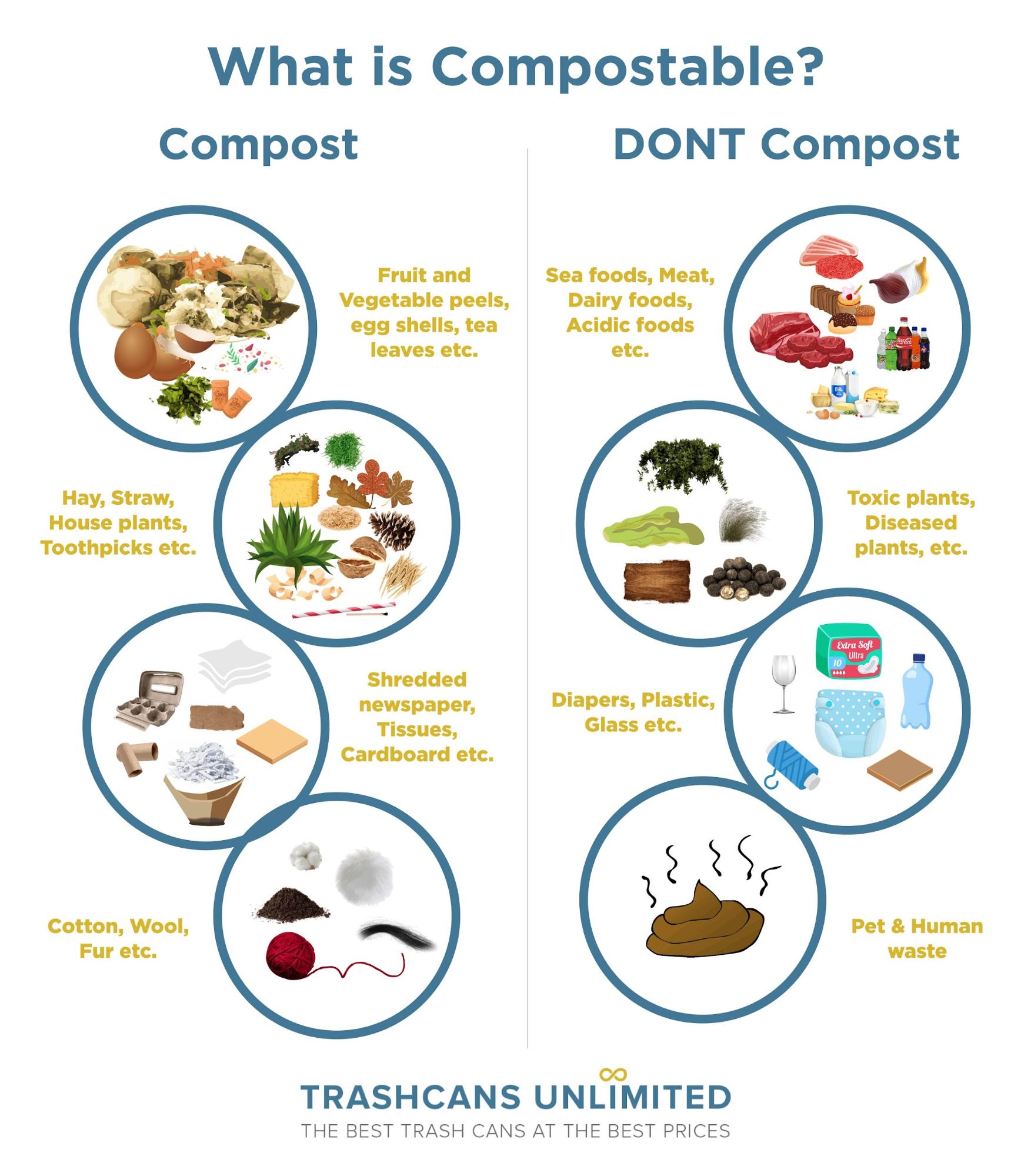
Composting is a natural process that transforms organic materials into nutrient-rich soil amendments. While many items can be added to compost, several materials should be avoided as they do not decompose effectively or may introduce harmful substances into the compost. Here are the types of materials that are generally not considered suitable for composting.
Animal Products
Animal products such as meat, fish, and dairy products are typically not suitable for composting. The reasons include:
- Odor issues: These substances can create foul odors during decomposition.
- Attracting pests: They attract unwanted pests like rodents and insects, which can disrupt the composting process.
- Pathogen risk: Animal products may harbor pathogens that can contaminate the compost.
Processed Foods
Processed foods are generally not advisable for composting. This category includes items like chips, candies, and baked goods. Here are some reasons:
- Preservatives: Many processed foods contain preservatives and additives that do not break down in compost.
- High sugar and salt content: These can inhibit the composting process and attract pests.
- Packaging materials: Often, processed foods come with non-biodegradable packaging which complicates compost quality.
Weeds and Invasive Plants
Adding weeds and invasive plants to compost can be detrimental:
- Seed dispersal: Many weeds produce seeds that may survive the composting process and sprout in your garden.
- Invasive species: Some plants are aggressive and can disrupt local ecosystems if composted.
- Non-decomposed roots: If not fully decomposed, roots can take nutrients from desirable plants.
Certain Types of Paper and Cardboard
While paper and cardboard can be composted, there are exceptions:
- Chemical treatments: Glossy or colored papers often contain inks and coatings that are not biodegradable.
- Heavy metals: Some paper products may contain harmful heavy metals from printing processes.
- Plastic coatings: Products like milk cartons have a plastic-lined interior that complicates decomposition.
Miscellaneous Non-organic Materials
Certain non-organic materials must also be avoided in compost:
See also:
- Plastics: Non-biodegradable plastics can pollute compost and the environment.
- Metals and Glass: These materials do not decompose and can hinder the composting process.
- Chemicals: Household chemicals can contaminate compost, posing risks to plants and soil.
What are 5 examples of compost?
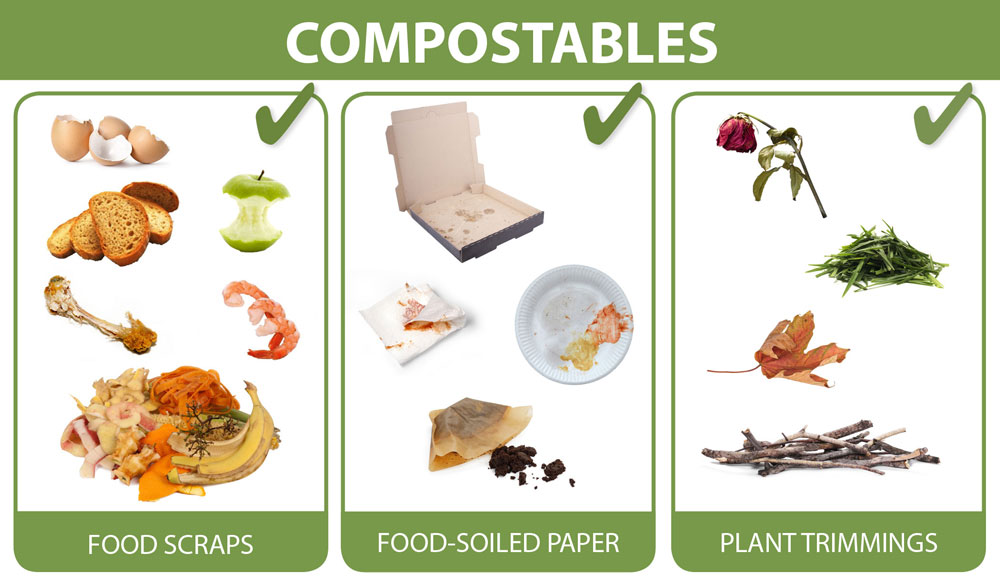
Compost is an organic matter that has been decomposed and recycled as a fertilizer and soil amendment. The process of composting transforms kitchen and yard waste into a rich, dark brown material that can enhance soil health, structure, and fertility. Here are five examples of compost materials:
1. Kitchen Scraps
Kitchen scraps are one of the most common examples of compostable materials. This includes:
- Vegetable peels, such as those from carrots, potatoes, and cucumbers.
- Fruit scraps, including cores, skins, and spoiled fruits.
- Coffee grounds and tea bags, which provide nitrogen to the compost.
2. Yard Waste
Yard waste contributes significantly to compost. Common yard waste materials include:
- Grass clippings, which add nitrogen and decompose quickly.
- Leaves, which provide carbon and contribute to the overall structure.
- Small branches and twigs, which provide aeration and enhance compost texture.
3. Eggshells
Eggshells are rich in calcium and are an excellent example of composting material. They offer benefits such as:
- Helping to balance soil pH.
- Providing essential minerals to plants.
- Acting as a natural pest deterrent when crushed and spread around plants.
4. Paper Products
Certain paper products can also be composted, which helps reduce waste. Examples include:
- Shredded newspaper, which serves as a carbon source.
- Brown paper bags that can break down easily.
- Cardboard, as long as it is non-coated and torn into smaller pieces to aid in decomposition.
5. Manure
Animal manure is a nutrient-dense option for composting. The key types include:
- Cow manure, which is high in nitrogen and promotes healthy plant growth.
- Chicken manure, known for its high nutrient content but should be composted well to reduce pathogens.
- Horse manure, which is also rich in nitrogen but contains a lot of bedding material that aids in aeration.
Kitchen Scraps as Compost
Kitchen scraps are an important component of composting because they contribute nutrients that foster microbial activity. Using kitchen scraps can significantly reduce the amount of waste sent to landfills. Examples of key kitchen scraps to include are:
- Vegetable peels.
- Fruit pits and skins.
- Coffee grounds and filters.
Yard Waste in Composting
Yard waste is abundant and often underutilized in composting practices. This type of waste contributes both carbon and nitrogen, essential for successful composting. Items that can be composted from the yard include:
- Grass clippings.
- Dry leaves.
- Small branches and brush.
Benefits of Eggshells
Eggshells are often overlooked as a compost ingredient, but they pack a nutritional punch. They decompose slowly, releasing calcium, which is vital for plant health. Other benefits of adding eggshells are:
- They improve the soil structure.
- They help deter pests when crushed.
- They support overall soil health.
Utilizing Paper Products in Compost
Composting paper products is an excellent way to recycle materials that may otherwise be thrown away. They serve as a substantial carbon source, balancing the nitrogen-rich materials typically found in food scraps and yard waste. Suitable paper products include:
- Shredded newspaper.
- Brown paper bags.
- Uncoated cardboard.
Animal Manure in Compost
Animal manure is a nutrient-rich addition to compost that can significantly enhance the quality of the end product. While it should be used judiciously, following proper composting techniques can yield amazing results. Types of animal manure beneficial for compost include:
- Cow manure.
- Chicken manure.
- Horse manure.
Questions from Our Readers
What materials can be included in compost?
Compost can include a variety of organic materials from your kitchen and garden. Common items include fruit and vegetable scraps, coffee grounds, eggshells, grass clippings, and dried leaves. It's important to avoid including meat, dairy, or oily substances, as they can attract pests and create odors.
What is the ideal ratio of green to brown materials in compost?
The ideal composting mix consists of approximately two parts brown materials (carbon-rich) to one part green materials (nitrogen-rich). Browns include items like dried leaves and straw, while greens refer to things like fresh grass or kitchen scraps. Balancing these materials helps achieve optimal decomposition.
See also:
How long does it take for compost to mature?
The time it takes for compost to mature can vary greatly, typically ranging from a few weeks to several months. Factors such as the right balance of materials, moisture levels, and aeration play crucial roles in speeding up the decomposition process. Proper management can result in finished compost in as little as two to three months.
Can you compost meat and dairy products?
Generally, it is not recommended to compost meat and dairy products, as they can attract pests and lead to unpleasant odors. Instead, focus on vegetable scraps, fruits, and other plant-based materials to ensure a healthy and effective composting process. If you want to compost these items, consider using a specialized composting system designed for animal products.

If you want to read more articles like What is Considered Compost? A Comprehensive Guide to Understanding Composting Materials, we recommend you check out our Compost category.
Leave a Reply
Related Articles