The Essential Do and Don'ts for Compost? Master Composting with These Key Tips!

Creating a thriving compost pile can seem daunting, but mastering the essentials can transform your kitchen scraps and yard waste into nutrient-rich soil. Understanding the key do's and don'ts of composting is crucial for successful decomposition and an eco-friendly garden. This article will guide you through the fundamental practices that encourage active composting while avoiding common pitfalls. From maintaining the right balance of materials to managing moisture and air flow, these tips will empower you to compost like a pro. Embrace these guidelines to enrich your garden and contribute to a sustainable environment with ease.
Essential Do's and Don'ts for Composting
Composting is a sustainable practice that transforms organic waste into valuable soil amendment, but it's crucial to follow certain do's and don'ts to ensure a successful composting process. Do focus on maintaining a balanced mix of green materials, such as food scraps and grass clippings, alongside brown materials like dry leaves and cardboard. This balance promotes effective decomposition and prevents odors. Don't add meat, dairy, or oily foods, as these can attract pests and create a detrimental environment for your compost pile. Keeping moisture levels in check and turning the pile regularly are also important practices that contribute to efficient composting.
Do: Maintain the Right Balance of Materials
It is essential to achieve a proper balance of green (nitrogen-rich) and brown (carbon-rich) materials in your compost pile. The ideal ratio is approximately 1 part greens to 3 parts browns. This combination ensures that the microorganisms responsible for breaking down the materials have enough food and carbon to thrive, leading to a faster and more efficient composting process.
Don't: Add Meat and Dairy Products
Avoid including meat, dairy, and oily foods in your compost pile, as these can lead to unpleasant odors and attract unwanted pests like rodents and flies. Instead, focus on plant-based scraps and biodegradable materials that are less likely to cause issues during decomposition. Keeping your compost free of these problematic items will create a healthier environment for beneficial microbes.
Do: Turn Your Compost Regularly
Regularly turning your compost pile is a vital practice that enhances aeration and speeds up decomposition. By turning the pile approximately every 2-4 weeks, you help to mix the materials and introduce oxygen, which is essential for the microbes that break down the organic matter. A well-aerated compost pile will also reduce odors and accelerate the overall composting process.
Don't: Add Invasive Plant Species
It's important to refrain from adding invasive plant species to your compost pile, as the heat generated during composting may not be sufficient to kill their seeds or roots. This can lead to the spread of these invasives when you use the finished compost in your garden. Always research and avoid any plants known to be invasive in your area to maintain a healthy ecosystem.
Do: Monitor Moisture Levels
Keeping adequate moisture levels is critical for successful composting. Your compost should be about as wet as a wrung-out sponge; too dry and microbial activity will slow down, while too wet will lead to anaerobic conditions and foul odors. To achieve the right moisture, consider adding water during dry spells or incorporating drier materials if your compost becomes too soggy.
| Do's | Don'ts |
|---|---|
| Maintain the right balance of materials | Add meat and dairy products |
| Turn your compost regularly | Add invasive plant species |
| Monitor moisture levels | Add oily foods |
What are the do's and don'ts of composting?
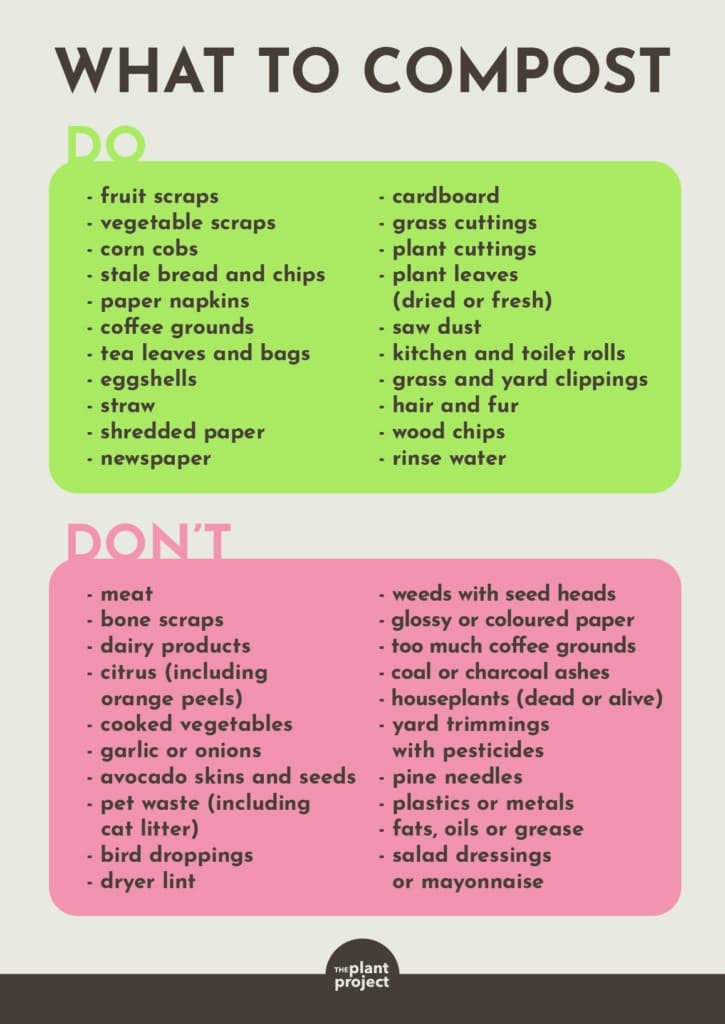
Understanding Composting Materials
When composting, it’s crucial to know what materials are suitable for the compost pile and which ones should be avoided. Composting involves breaking down organic materials into a rich soil amendment, so the quality of the materials directly affects the compost outcome.
- Greens: These are nitrogen-rich materials, such as vegetable scraps, grass clippings, and coffee grounds.
- Browns: Carbon-rich materials like dried leaves, straw, and cardboard are essential for a balanced compost pile.
- Avoid: Meat, dairy, and oily foods, as they can attract pests and create unpleasant odors.
Maintaining the Right Balance
Achieving the proper balance between greens and browns is vital for successful composting. A general guideline is to maintain a three-to-one ratio of browns to greens. This balance helps to ensure sufficient carbon and nitrogen, promoting effective decomposition.
See also:
- Use a Ratio: Aim for a 3:1 ratio of browns to greens to support microbial activity.
- Monitor Moisture: The compost pile should be moist, similar to a damp sponge, but not waterlogged.
- Turn Regularly: Turning the compost helps aerate it and speeds up the decomposition process.
Location and Aeration
Where you place your compost pile can greatly affect its success. Adequate aeration and access to sunlight are important for promoting microbial activity and ensuring efficient breakdown of materials.
- Choose a Good Spot: Locate your compost pile in a well-drained area that receives both sun and shade.
- Use a Bin or Pile: You can use a compost bin to contain materials or simply create a pile.
- Aerate Regularly: Use a pitchfork to turn the pile regularly, introducing air that aids in the composting process.
Composting Troubleshooting
Troubleshooting common composting issues is part of the process. Identifying problems, such as foul odors or slow decomposition, can help improve the compost pile's function.
- Foul Smells: This can indicate too many greens or moisture; adding browns and turning the pile can help.
- Slow Decomposition: This may suggest insufficient moisture or a lack of aeration; adjust moisture levels and turn more frequently.
- Pest Problems: Keep meat and dairy out to avoid attracting pests and use a closed bin for better protection.
Timeframes and Patience
Composting is a natural process that requires time and patience. Depending on conditions and materials, composting can take anywhere from a few weeks to several months.
- Monitor Progress: Check the compost pile regularly to observe changes and progress in decomposition.
- Be Patient: Different materials break down at different rates; some may take longer than others.
- Know When It’s Ready: Finished compost should be dark, crumbly, and have an earthy smell, indicating it’s ready for use.
What should be avoided in compost?
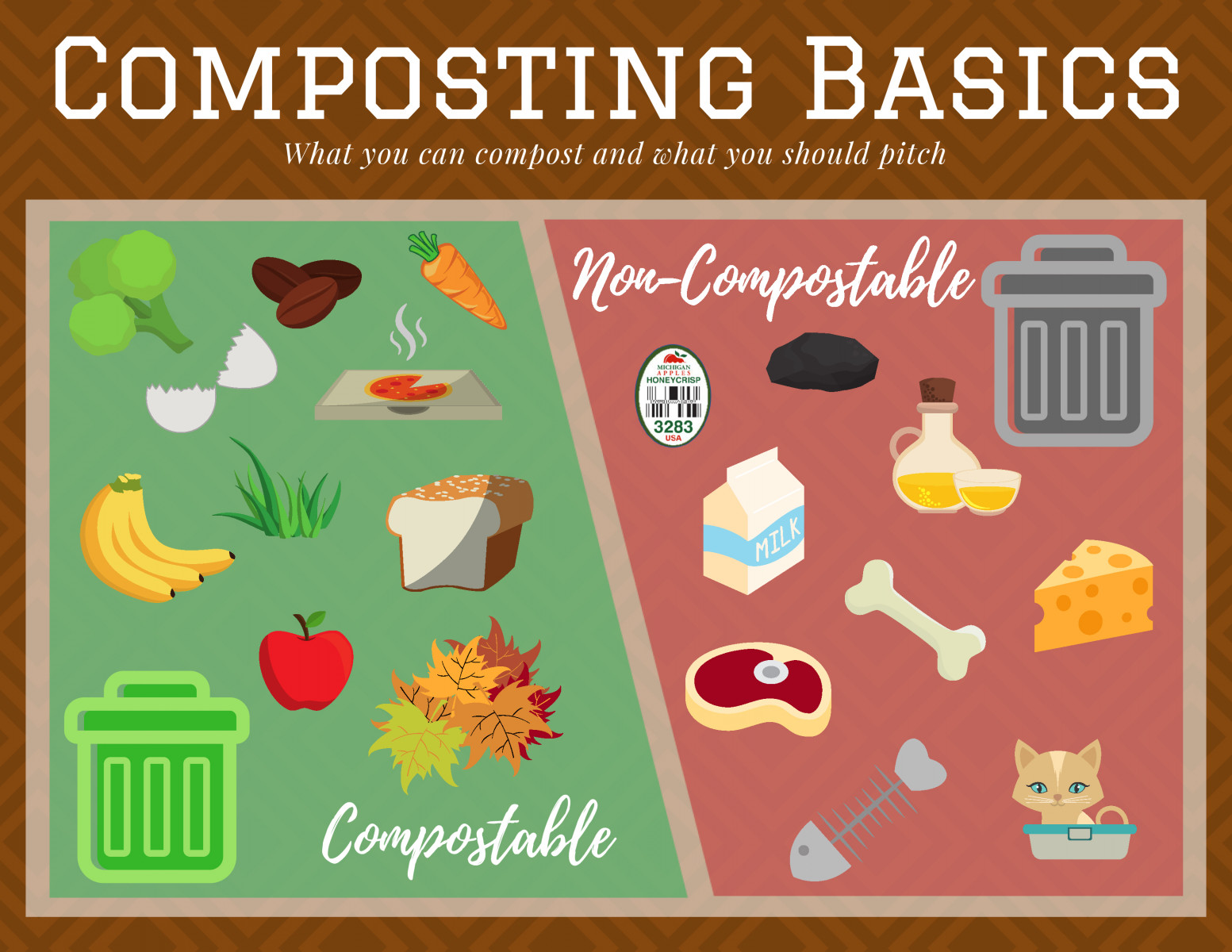
When creating a compost pile, it is essential to understand what materials should be avoided to ensure that the composting process is effective and does not lead to unwanted issues. Certain items can introduce pathogens, pests, or unwanted compounds into the compost, making it less beneficial for gardening and soil health.
Meat and Dairy Products
Composting meat and dairy products poses a significant risk as these materials are prone to attracting pests, such as rodents and insects. They also can produce strong odors while decomposing, which can make the composting area unpleasant. Moreover, the bacteria that thrive on these foods can potentially lead to health issues.
- Rodent Attraction: These products can lure rodents looking for food.
- Odor Issues: The breakdown of meat and dairy creates unpleasant smells.
- Pathogen Risks: Harmful bacteria may thrive in decomposing meat.
Oils and Fats
Adding oils and fats to compost can hinder the aeration process and create a greasy, compact environment that inhibits the breakdown of organic matter. These ingredients can also attract pests and lead to an imbalance in the microbial life essential for healthy compost.
- Aeration Problems: Oils can create a barrier that limits airflow.
- Pest Issues: Fats can attract unwanted animals to the compost pile.
- Microbial Imbalance: Oils disrupt the natural decomposition process.
Diseased Plants
Including diseased plants in your compost can spread pathogens throughout your garden. If the compost is not heated sufficiently, these pathogens can survive the composting process and be reintroduced into the soil when the compost is used.
- Pathogen Spread: Diseased plants can transfer diseases to healthy plants.
- Temperature Control: Insufficient heating might not kill harmful organisms.
- Soil Contamination: Using infected compost can lead to garden issues.
Weeds and Invasive Species
Composting weeds, especially those that have gone to seed, can lead to the proliferation of unwanted plants in your garden. If the composting process does not reach the right temperature, seeds may survive and germinate when applied to soil.
See also:
- Seed Viability: Many seeds can withstand the composting process, leading to regrowth.
- Invasive Species: Composting invasive plants can spread them further.
- Garden Troubles: Weeds can outcompete native plants for resources.
Chemically Treated Products
Materials treated with chemicals, such as certain papers or plastics, should not enter the compost. These chemicals can leach into the soil, affecting plant health and potentially entering the food chain.
- Toxic Residues: Chemicals can contaminate the compost and soil.
- Plant Growth Issues: Plants may suffer from chemical exposure.
- Environmental Concerns: Chemical leaching can harm local ecosystems.
What are the 5 mistakes that people commonly make when composting with worms?
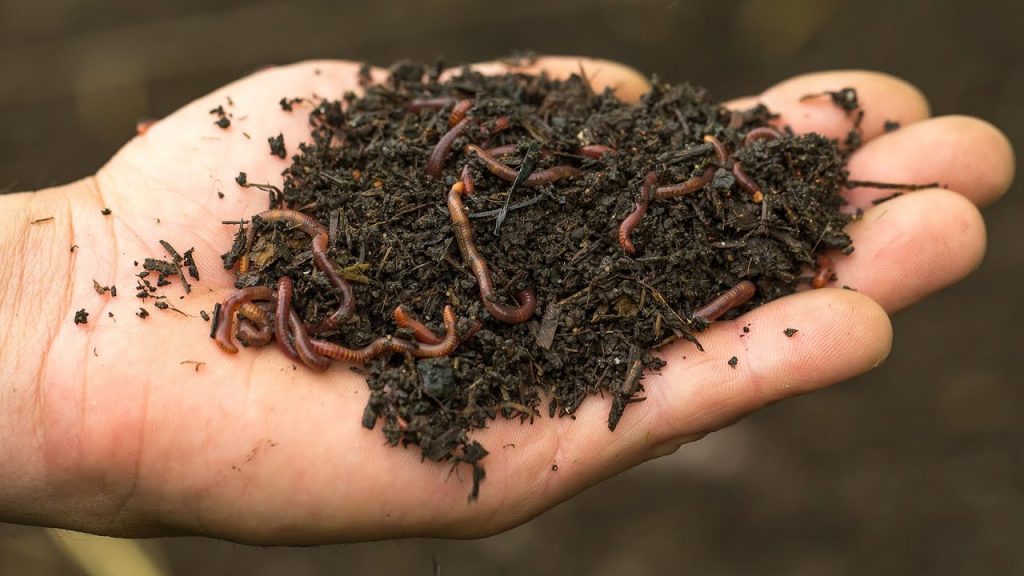
Certainly! Here are the common mistakes people make when composting with worms.
Mistake 1: Overfeeding the Worms
Many beginners assume that the more food they provide, the better it will be for their worms. However, this can lead to numerous issues.
- Odor problems: Excess food can start to decompose and produce unpleasant smells.
- Overpopulation: Too much uneaten food can attract fruit flies and pests.
- Oxygen deprivation: A high volume of food can create anaerobic conditions, harming the worms.
Mistake 2: Adding the Wrong Food
Worms thrive on a specific diet, and introducing the wrong materials can be detrimental.
- Citrus fruits: These can be too acidic and may harm the worms.
- Meat and dairy: These types of food can attract unwanted pests and create odors.
- Processed foods: Additives and preservatives in processed foods can be harmful to worms.
Mistake 3: Inadequate Moisture Levels
Maintaining proper moisture is crucial for worm composting, but many people overlook this aspect.
- Dry bedding: Worms require moisture to survive; overly dry conditions can lead to dehydration.
- Excessive moisture: On the other hand, too much water can drown the worms and create a soggy environment.
- Balancing moisture: Using materials like shredded cardboard can help maintain the right level of moisture.
Mistake 4: Poor Ventilation
Adequate airflow is essential for maintaining a healthy worm bin, but ventilation is often neglected.
- Anaerobic conditions: Without proper airflow, the bin can become anaerobic, which is harmful to worms and can produce foul odors.
- Temperature control: Good ventilation helps regulate temperature, keeping it optimal for worm activity.
- Healthy microbial activity: Proper airflow supports the growth of beneficial microorganisms.
Mistake 5: Neglecting Temperature Control
Temperature is a crucial factor in successful worm composting, yet many overlook it.
- Extreme temperatures: Worms thrive in temperatures between 55°F and 77°F. Too hot or too cold can lead to stress or death.
- Seasonal considerations: Outdoor bins may require adjustments with changing seasons to maintain optimal conditions.
- Monitoring temperature: Using a thermometer can help keep track of the bin's temperature for the best worm health.
Questions from Our Readers
What materials are ideal for composting?
The best materials for composting include fruit and vegetable scraps, coffee grounds, eggshells, and grass clippings. These organic materials are rich in nitrogen and carbon, which help create a healthy compost. It's important to balance green (nitrogen-rich) and brown (carbon-rich) materials for optimal decomposition.
What should I avoid putting in my compost pile?
You should avoid adding items like meat, dairy, oils, and processed foods to your compost pile as they can attract pests and produce unpleasant odors. Additionally, avoid weeds and diseased plants to prevent spreading unwanted seeds or pathogens in your compost.
How often should I turn my compost?
Turning your compost every two to four weeks is recommended to ensure proper aeration and speed up the decomposition process. This helps to mix in the necessary oxygen and encourages the growth of beneficial microorganisms, which are crucial for breaking down organic matter.
How do I know when my compost is ready to use?
Your compost is ready when it looks like dark, crumbly soil with an earthy smell and no recognizable food scraps. Typically, it takes three to six months for compost to mature, but this can vary depending on factors such as temperature, moisture, and the materials used.
https://youtube.com/watch?v=q7gB4DgXZqw

If you want to read more articles like The Essential Do and Don'ts for Compost? Master Composting with These Key Tips!, we recommend you check out our Compost category.
Leave a Reply
Related Articles