What Are the Most Productive Berry Plants? Discover Top Varieties for Your Garden
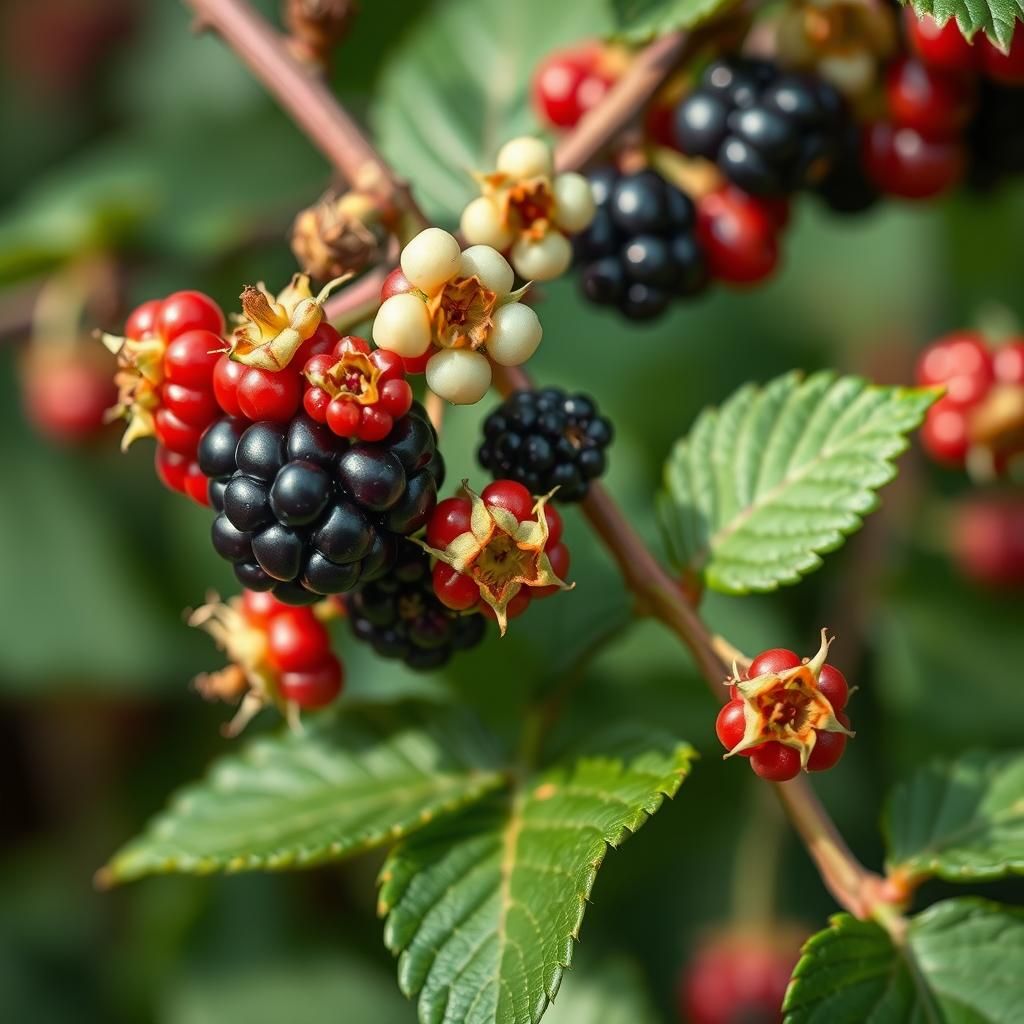
When planning a garden, berry plants can be a delightful and fruitful addition. Not only do they provide fresh, delicious produce, but many varieties are also easy to grow and care for. In this article, we will explore the most productive berry plants, highlighting top varieties that thrive in various climates and soil types. Whether you have a spacious backyard or a compact urban garden, there's a berry variety suited for your space. Join us as we delve into the world of berries, offering tips on cultivation and harvesting to maximize your garden's potential.
The Most Productive Berry Plants for Your Garden
Berry plants are a fantastic choice for gardeners looking to maximize productivity and flavor in their outdoor spaces. Among the most productive varieties are blueberries, raspberries, strawberries, blackberries, and cranberries, each offering significant yields with proper care and maintenance. Blueberries thrive in acidic soil, and once established, can produce fruit for up to 20 years, offering high nutritional value and taste. Raspberries and blackberries are vigorous growers, often yielding multiple crops in a single season. Strawberries are not only widely loved for their sweetness but can also produce fruit in the first year of planting, making them especially rewarding. Lastly, cranberries, though traditionally grown in bogs, can also be cultivated successfully with the right conditions. Each of these plants can contribute to a bountiful harvest, making them prime candidates for any berry enthusiast's garden.
Blueberries: The Long-Lasting Producers
Blueberries are known for being one of the most productive berry plants, especially when planted in acidic soil. A healthy blueberry bush can yield 5 to 10 pounds of fruit each year once it reaches maturity, typically around 3 to 4 years after planting. These bushes not only produce delicious berries but also require minimal maintenance compared to other fruit-bearing plants. Their ability to thrive in various climates makes them suitable for a wide range of gardens.
Raspberries: Twice the Harvest
Raspberry plants are incredibly productive, often producing berries in both summer and fall, depending on the variety. The average raspberry bush can yield 3 to 10 pounds of sweet berries annually. Raspberries prefer well-drained soil and benefit from pruning, which encourages better airflow and healthier plants. With the right care, you can enjoy two harvests in one growing season, making them a fantastic choice for berry enthusiasts.
Strawberries: Quick and Sweet
Strawberries are unique in that they can bear fruit in their first year of growth, making them ideal for those looking for quick results. A single strawberry plant can produce up to 2 pounds of berries in a productive season. They are versatile and can be grown in containers, hanging baskets, or directly in the ground. Proper care, including consistent watering and mulch for moisture retention, can significantly boost berry production.
Blackberries: The Vigorous Growers
Blackberry plants are known for their vigorous growth, often producing 5 to 10 pounds of fruit per season when properly cared for. They thrive in sunny locations and prefer slightly acidic soil. These plants benefit from trellising, which helps support the canes and makes harvesting easier. With adequate space and support, blackberries can be a highly productive addition to any garden.
Cranberries: Unique Cultivation Needs
Cranberries are typically cultivated in bog-like conditions and require unique care to produce fruitful yields. In ideal circumstances, a well-maintained cranberry bed can yield up to 25,000 pounds of fruit per acre annually. They thrive in acidic, sandy soil and benefit from flooding during harvest to make berry collection easier. Though they may require more intensive management than other berry plants, the productivity can be exceptionally rewarding.
| Berry Type | Typical Yield (per plant) | Growing Time to Maturity |
|---|---|---|
| Blueberries | 5 to 10 pounds | 3 to 4 years |
| Raspberries | 3 to 10 pounds | 1 year |
| Strawberries | Up to 2 pounds | 1 year |
| Blackberries | 5 to 10 pounds | 1 to 2 years |
| Cranberries | Up to 25,000 pounds per acre | 2 to 3 years |
What are the most productive berries?
:max_bytes(150000):strip_icc()/ms-strawberries-on-vine-getty-509a03e992a9486288bb2e51113347d9.jpg)
Berries are not only delicious but also highly nutritious, making them a popular choice for both home and commercial cultivation. The productivity of berries can depend on various factors, including the species, soil quality, climate, and farming practices. Below are some of the most productive berries that are cultivated worldwide.
Strawberries
Strawberries are among the most popular and productive berries globally. Known for their sweet flavor and vibrant red color, they can yield a high number of fruits per plant. Key factors contributing to their productivity include:
- Growing conditions: Strawberries prefer well-drained soil with good organic matter.
- Trellising: Using proper support systems can enhance sun exposure and air circulation.
- Varietal selection: Choosing the right cultivar can significantly impact yield.
Blueberries
Blueberries are another highly productive berry species, celebrated for their antioxidant properties. They thrive in acidic soils and can produce fruit for many years. Their productivity is influenced by several aspects:
- Pollination: Attracting bees and other pollinators increases fruit set and yield.
- Pruning: Regular pruning helps maintain bush shape and encourages new growth.
- Water management: Adequate irrigation is essential during the flowering and fruiting stages.
Raspberries
Raspberries are known for their rich flavor and high yield potential. They can produce fruit on both primocanes and floricanes, allowing for multiple harvests in a growing season. Their productivity can be optimized in various ways:
- Soil health: Organic fertilizers and mulch improve soil quality and berry health.
- Spacing: Proper plant spacing enables better air circulation and light penetration.
- Variety changes: Selecting varieties adapted to local climates can enhance yield.
Blackberries
Blackberries are closely related to raspberries and are renowned for their sweetness and juiciness. They can produce abundant fruit, especially if managed properly. Influential factors in their productivity include:
See also:
- Plant training: Training canes on trellises maximizes fruit exposure to sunlight.
- Fungi and pest control: Managing diseases and pests is crucial for healthy crop production.
- Harvesting techniques: Gentle harvesting can reduce fruit damage and encourage further production.
Cranberries
Cranberries are unique among berries due to their cultivation methods, typically grown in wetlands. Their productivity is influenced by distinct conditions:
- Water management: Cranberries require proper flooding for harvesting and disease control.
- Soil conditions: Well-drained, acidic soil is essential for healthy growth.
- Harvest methods: Wet harvesting techniques can significantly impact yield levels.
What berry is the most beneficial?

The berry that is often considered the most beneficial is the blueberry. Blueberries are renowned for their high levels of antioxidants, particularly anthocyanins, which give them their deep blue color and are linked to various health benefits. Research has consistently shown that consuming blueberries may have a positive impact on heart health, cognitive functioning, and overall wellness. Their rich nutritional profile includes vitamins C and K, fiber, and a low glycemic index, making them an excellent choice for both health-conscious individuals and those with specific dietary needs.
Health Benefits of Blueberries
Blueberries are packed with numerous health benefits that can enhance overall well-being. Here are some of the key advantages:
- Rich in Antioxidants: They contain a high amount of antioxidants that help combat oxidative stress and protect the body from chronic diseases.
- Heart Health: Regular consumption of blueberries has been linked to improved heart health by reducing blood pressure and LDL cholesterol levels.
- Brain Function: Studies suggest that blueberries may improve cognitive functions and delay age-related decline in brain health.
Nutritional Profile of Blueberries
The nutritional content of blueberries makes them a powerhouse of health benefits. Here’s a detailed look at what they contain:
- Vitamins: Blueberries are an excellent source of vitamin C, which supports the immune system, and vitamin K, essential for proper blood clotting.
- Minerals: They also provide essential minerals like manganese and copper, which play vital roles in metabolic processes.
- Fiber: With a good amount of dietary fiber, blueberries contribute to digestive health and can help regulate blood sugar levels.
Blueberries and Weight Management
Incorporating blueberries into your diet may assist with weight management. Here’s how:
- Low Calorie: Blueberries are low in calories, making them an ideal snack for those looking to control their weight.
- Filling: They are high in fiber, which can help you feel full and satisfied, potentially reducing overall calorie intake.
- Healthy Alternatives: Replacing unhealthy snacks with blueberries can promote a healthier diet and better weight management.
Ways to Incorporate Blueberries into Your Diet
There are various delicious ways to include blueberries in your meals. Consider these options:
- Smoothies: Blend them into smoothies for a nutritious, tasty beverage.
- Salads: Add fresh blueberries to salads for a burst of flavor and color.
- Baked Goods: Use blueberries in muffins, pancakes, or other baked goods as a healthy ingredient.
Comparative Analysis of Other Berries
While blueberries have numerous benefits, it’s useful to compare them with other berries. Here’s a brief overview:
- Strawberries: High in vitamin C but lower in antioxidants compared to blueberries.
- Raspberries: Rich in fiber but have less overall vitamin content.
- Blackberries: Provide similar antioxidant levels but contain slightly more sugar than blueberries.
What are the most productive fruit plants?

The most productive fruit plants vary based on climate, soil quality, and the specific growing conditions. However, several fruits are known for their high yields and can be cultivated in many environments. Below are some of the most productive fruit plants that can thrive in diverse conditions.
Apple Trees
Apple trees are renowned for their high yield potential and versatility in different climates. Depending on the variety and care, a mature apple tree can produce between 200 to 800 apples annually. Their ability to cross-pollinate also enhances fruit production significantly.
- Diversity of Varieties: There are thousands of apple varieties, each with unique growing needs and yields.
- Extended Harvest Period: Depending on the variety, apples can be harvested from late summer to late fall.
- Storage Longevity: Apples can be stored for several months, allowing for extended consumption beyond the harvest season.
Tomato Plants
While technically a fruit, tomatoes are one of the most productive plants in home gardens and commercial farms alike. Indeterminate varieties can yield up to 15-40 pounds of fruit per plant throughout a season.
- Rapid Growth: Tomatoes grow quickly, allowing for multiple harvests in a single growing season.
- Varietal Options: There are numerous tomato varieties, including cherry, beefsteak, and Roma, each offering different culinary uses.
- Adaptability: Tomatoes can thrive in various environments, from backyard gardens to container gardening.
Blueberry Bushes
Blueberry bushes are not only productive but also provide a high nutritional value. A mature blueberry bush can yield about 5 to 20 pounds of berries annually, depending on the variety and conditions.
See also:
- Minimal Maintenance: Once established, blueberry bushes require relatively low maintenance.
- Pollinator Friendly: They attract bees and other pollinators, enhancing biodiversity in the garden.
- Long Lifespan: Blueberry bushes can produce fruit for decades, providing a consistent yield over the years.
Banana Plants
Banana plants are incredibly prolific, producing bunches that can weigh anywhere from 30 to 50 pounds and often yield multiple harvests each year. Their fast growth and tropical adaptability make them a favorite in warmer climates.
- Continuous Harvest: As one stalk is harvested, others can continue to produce, allowing year-round fruit availability.
- Nutritional Benefits: Rich in vitamins and minerals, bananas are a staple food source in many countries.
- Economic Value: Bananas are among the most economically significant fruits globally, contributing to the livelihoods of millions.
Citrus Trees
Citrus trees such as orange, lemon, and lime are known for their prolific yields, often producing hundreds of fruits each year. Their adaptability to various climates makes them a popular choice for both home gardeners and commercial farms.
- Variety of Flavors: Citrus fruits are versatile in cuisine and beverages, making them highly sought after.
- Health Benefits: Citrus fruits are rich in vitamin C and other essential nutrients, contributing to a healthy diet.
- Ornamental Value: Many citrus trees also provide beautiful blossoms, adding aesthetic value to gardens.
What is the highest yielding blackberry plant?
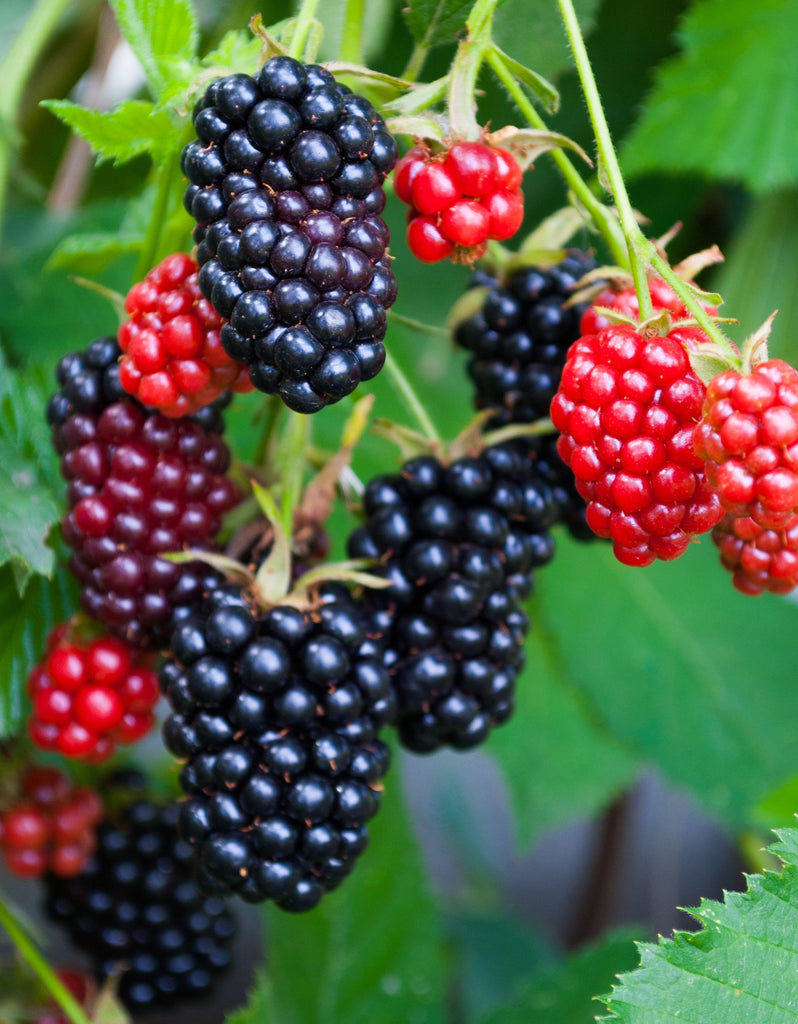
The highest yielding blackberry plant is often considered to be the 'Black Diamond' cultivar. This variety is widely recognized for its exceptional fruit production and hardiness, making it a preferred option among commercial growers and home gardeners alike. The 'Black Diamond' blackberry is known to produce a significant amount of fruit, with yields that can exceed 20,000 pounds per acre under optimal growing conditions.
Growing Conditions for High Yields
To achieve maximum yields from a blackberry plant, specific growing conditions must be met. These include:
- Soil Quality: Blackberries thrive in well-drained, loamy soils rich in organic matter.
- Sunlight: Full sun exposure (at least 6-8 hours a day) is essential for optimal fruit development.
- Watering: Consistent moisture levels, especially during fruiting, are crucial for maximizing yield.
Cultivation Techniques
Utilizing effective cultivation techniques can greatly increase the yield of blackberry plants. Key methods include:
- Pruning: Regular pruning helps to optimize plant health and fruit output by promoting better air circulation and sunlight penetration.
- Fertilization: Applying balanced fertilizers can support growth and fruiting, ensuring the plants receive essential nutrients.
- Pest Management: Implementing pest control strategies helps protect the yields from common pests that can diminish fruit quality.
Seasonal Care
Proper seasonal care can influence the overall productivity of blackberry plants. Important actions include:
- Winter Protection: Insulating plants against extreme cold can prevent damage and ensure consistent yields in the spring.
- Weed Control: Keeping the area around the plants clear of weeds reduces competition for nutrients and water.
- Reinforcement of Trellises: Utilizing trellises provides support to the canes, helping the plants to produce healthy fruit.
Harvesting Techniques
Effective harvesting practices are essential for maximizing the yield from blackberry plants. Consider these techniques:
- Timing: Harvesting at the right time, when berries are fully ripe, enhances both yield and quality.
- Gentle Handling: Reducing bruising during picking helps preserve the quality of the fruit.
- Frequent Harvests: Regularly checking and harvesting encourages continued fruit production throughout the season.
Varietal Comparison
When determining the best blackberry cultivars for high yield, consider the following varieties in addition to 'Black Diamond':
- 'Chester': Known for its thornless canes and prolific yields.
- 'Triple Crown': Offers high yields and exceptional fruit quality with a longer harvest period.
- 'Navaho': Another thornless variety noted for its consistent productivity and sweet berries.
Questions from Our Readers
What are the most productive berry plants for home gardens?
Berry plants such as blueberries, raspberries, and blackberries are known for their high productivity in home gardens. These plants are relatively easy to grow and can yield a significant amount of fruit when provided with the right soil conditions, sunlight, and care.
How much sunlight do productive berry plants need?
Most productive berry plants require at least 6 to 8 hours of direct sunlight each day to thrive. Adequate sunlight ensures that the plants can produce ample flowers and, subsequently, fruit, which contributes to their overall productivity and health.
What soil conditions are best for berry plants?
Berry plants prefer well-drained, loamy soils rich in organic matter. It is essential to maintain a slightly acidic pH level for plants like blueberries, while others may tolerate a broader pH range, but the key is ensuring proper drainage to prevent root rot.
How often should berry plants be watered for optimal productivity?
Berry plants should be watered consistently to keep the soil moist, especially during dry spells. Generally, deep watering once or twice a week is sufficient, depending on climate and soil conditions, to encourage strong root development and fruit production.
See also:

If you want to read more articles like What Are the Most Productive Berry Plants? Discover Top Varieties for Your Garden, we recommend you check out our Berries category.
Leave a Reply
Related Articles