What are the Easiest Berries to Grow? A Comprehensive Guide for Beginners

Growing berries can be a rewarding endeavor, especially for beginners looking to cultivate their own delicious fruits at home. With a variety of species available, it’s essential to identify the easiest berries to grow that not only thrive in diverse climates but also require minimal maintenance. This comprehensive guide will explore the top berry varieties suitable for novice gardeners, detailing their specific needs, care tips, and harvesting techniques. Whether you have a large garden or a small balcony, you can enjoy fresh, homegrown berries with just a little effort and the right knowledge. Let’s dive into the world of berry cultivation!
What Are the Easiest Berries to Grow?
Growing berries can be a rewarding endeavor for gardeners of all levels, especially when it comes to the easiest varieties that thrive in various conditions. Among the top contenders are strawberries, blueberries, and raspberries. These fruits not only require minimal maintenance but also offer high yields. Strawberries can be grown in containers or directly in the ground, and they flourish in most climates. Blueberries prefer acidic soil but are relatively pest-resistant, making them an excellent addition to gardens. Raspberries are known for their vigorous growth and ability to produce fruit in a single growing season, thus providing a swift reward for gardeners. With the right conditions, such as adequate sunlight and well-draining soil, anyone can successfully cultivate these delicious berries.
Strawberries
Strawberries are one of the most popular and easiest berries to grow, making them ideal for beginners. They can thrive in various climates and can be grown in garden beds, hanging baskets, or containers. With proper care, which includes consistent watering and exposure to sunlight, strawberries can produce fruit within the first year of planting. Moreover, they are low-maintenance and can even spread through runners, allowing gardeners to expand their strawberry patches with minimal effort.
Blueberries
Blueberries are another excellent choice for those looking to cultivate berries with ease. Although they require acidic soil, they are relatively straightforward to grow, particularly when planted in raised beds or containers filled with acidic potting mix. Blueberry bushes are also quite hardy and can withstand a variety of climatic conditions. With minimal pruning and regular watering, gardeners can expect a fruitful harvest for many years, as these plants can live for over a decade.
Raspberries
Raspberries are known for their vigorous growth and can produce fruit in just one growing season, making them a favorite among home gardeners. They come in two main types: summer-bearing and ever-bearing. Both can thrive in average soil conditions, as long as they receive plenty of sunlight and are adequately watered. Raspberries can be trained to grow on trellises, which helps maximize space in smaller gardens, while their high yield makes them a rewarding plant to grow.
Blackberries
Blackberries are similar to raspberries in their ease of growth and yield. They are generally more resilient and less prone to disease. These vines can grow uncontrollably, so a trellis system is beneficial for management. Like other berries, blackberries prefer well-draining soil and full sun for optimal growth. With minimal care, blackberries provide sweet, juicy fruits that are perfect for eating fresh or making jams.
Currants
Currants, including red, black, and white varieties, are also among the easier berries to grow. They can thrive in various climates and are particularly suited to areas with cooler temperatures. Currant bushes are hardy and require only moderate care, including regular watering and occasional pruning. They can produce fruit in the second year of growth, and once established, they are quite productive, yielding small clusters of tart berries that are wonderful for jellies, desserts, and other culinary uses.
| Berry Type | Growing Conditions | Yield Time |
|---|---|---|
| Strawberries | Containers or garden beds, moderate sunlight | 1 year |
| Blueberries | Acidic soil, raised beds or containers | 2-3 years |
| Raspberries | Full sun, well-draining soil | 1 year |
| Blackberries | Full sun, trellis required | 1-2 years |
| Currants | Cooled climates, moderate care | 2 years |
What are the fastest producing berries?
:strip_icc()/FastGrowingFruit_source-fc515d06909f49b89cc8d1493c514189.jpg)
The fastest producing berries are those that can yield fruit within a short growing season, allowing home gardeners and commercial growers to harvest quickly. Here are a few types of berries known for their rapid production:
Strawberries
Strawberries are among the fastest producing berries, typically yielding fruit within three to four months after planting. There are several factors that contribute to their quick turnaround time:
- Variety Selection: Early-season varieties such as 'Honeoye' can produce fruit quicker than others.
- Growing Conditions: Optimal conditions such as full sunlight and well-drained soil can enhance the growth rate.
- Propagation Methods: Growing strawberries from transplants rather than seeds can shorten the time to fruiting.
Raspberries
Raspberries can begin to produce fruit within one year of planting, especially if summer-bearing varieties are chosen. Key aspects include:
- Fertility: Rich soil and proper fertilization can lead to an earlier harvest.
- Watering: Adequate moisture levels are crucial for healthy fruit development.
- Temperature: Ideal temperatures between 70-75°F (21-24°C) can maximize growth and fruiting.
Blackberries
Blackberries generally start fruiting in their first growing season, especially primocane varieties that bear fruit on first-year canes. Notable factors include:
- Pruning: Proper pruning techniques can encourage more fruit production.
- Pest Management: Keeping pests at bay ensures healthier plants that produce better yields.
- Spacing: Adequate spacing between plants promotes airflow and growth.
Blueberries
While blueberries typically take two to three years to produce fruit, certain early-bearing cultivars can offer berries sooner. Important considerations involve:
- Soil pH: Blueberries thrive in acidic soils; adjusting the pH can lead to earlier fruiting.
- Mulching: Applying mulch helps retain moisture and regulate soil temperature, fostering quicker growth.
- Pollination: Having multiple varieties can enhance cross-pollination, resulting in bigger yields sooner.
Cranberries
Cranberries can bear fruit in about two to three years when planted correctly in acidic, sandy soil. Factors affecting their speed of production include:
- Water Management: Cranberries require specific water levels; managing them properly can accelerate growth.
- Fertilization: Using the right fertilizers at critical growth stages boosts fruit-bearing speed.
- Pest Control: Keeping diseases and pests under control is vital for earlier harvests.
What is the easiest fruit to grow yourself?


The easiest fruit to grow yourself is often considered to be the strawberry. Strawberries are not only delicious but are also quite forgiving for beginners and can be cultivated in various environments, including pots, hanging baskets, and garden beds. Here are some reasons why strawberries are a preferred choice for novice gardeners:
- They have a relatively short growing season, allowing for quick results.
- Strawberries can thrive in small spaces, making them ideal for urban gardening.
- They can produce fruit in the first year, with proper care.
Advantages of Growing Strawberries
Growing strawberries comes with numerous advantages that make them an enticing option for home gardeners.
- Flavor and Freshness: Homegrown strawberries often taste better than store-bought ones.
- Health Benefits: They are rich in vitamins and antioxidants, promoting overall health.
- Diverse Varieties: Strawberries come in different varieties, allowing for experimentation and preference selection.
Growing Conditions for Strawberries
Strawberries require specific growing conditions to thrive, making it essential to provide the right environment for them.
- Soil: Well-drained, sandy loam soil enriched with organic matter is ideal for strawberries.
- Sunlight: They need at least 6-8 hours of direct sunlight each day.
- Water: Regular watering is essential, especially during dry spells, but avoid waterlogging.
Common Pests and Diseases
Like any fruit plant, strawberries can be susceptible to pests and diseases. Understanding these potential issues can help in effective management.
- Insects: Common pests include aphids, spider mites, and slugs.
- Diseases: Watch for gray mould, powdery mildew, and root rot.
- Preventive Measures: Using row covers and maintaining good air circulation can help prevent problems.
Harvesting Strawberries
Knowing when and how to harvest strawberries is crucial for enjoying their fruits at their peak quality.
- Ripeness: Strawberries are ready to harvest when they are fully red and firm to the touch.
- Harvesting Technique: Twist the berry gently off the stem to avoid damaging the plant.
- Timing: Harvest in the early morning for optimum flavor and freshness.
Propagation of Strawberries
Strawberries can be propagated in various ways, making it easy to expand your garden with minimal cost.
- Seeds: Although slow, strawberries can be grown from seeds for future planting.
- Runner Plants: They produce runners that can be planted directly into the soil.
- Division: Established plants can be divided to create new plants for propagation.
Is it easier to grow strawberries or blueberries?
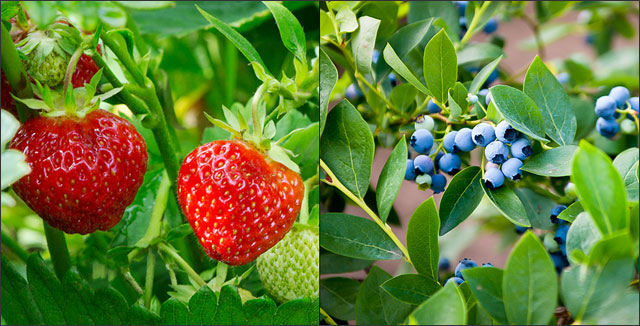
Growing strawberries and blueberries both have their unique challenges and benefits. However, when comparing the two, it is generally considered easier to grow strawberries than blueberries. This can be attributed to several factors that influence the growth habits, soil requirements, and care needed for each fruit.
Soil Requirements
Strawberries and blueberries have different soil requirements that affect their ease of growth.
- Strawberries: Prefer a well-draining, sandy loam that should be slightly acidic to neutral (pH 5.5 to 7.0).
- Blueberries: Require highly acidic soil (pH 4.5 to 5.5) with good drainage, making it more challenging to achieve the right conditions in many areas.
- Soil Preparation: Preparing soil for strawberries usually involves adding compost or manure, while blueberries might also need soil amendments like sulfur to lower pH.
Climate Adaptability
The climate conditions significantly impact the ease of growing these berries.
- Strawberries: These fruits are more adaptable to various climates, thriving in temperate and even some subtropical regions.
- Blueberries: Typically require cooler climates, particularly winter chilling hours, which makes them less versatile.
- Frost Sensitivity: Strawberries can tolerate some frost, whereas blueberries can be more sensitive during their flowering and fruit-setting phases.
Maintenance and Care
The level of maintenance and care required for each crop can make a significant difference in their ease of cultivation.
- Strawberries: Generally need less maintenance than blueberries; tasks include regular weeding and water management.
- Blueberries: Require more intensive care, including pruning, pest and disease management, and consistent watering routines.
- Mulching: Both plants benefit from mulching, but blueberries can be more sensitive to specific mulch types.
Pest and Disease Resistance
Understanding the pest and disease resistance of both fruits contributes to the ease of their cultivation.
- Strawberries: Might face common pests like aphids and spider mites, along with diseases like gray mold; however, they have varieties resistant to many issues.
- Blueberries: While they can face fewer pest problems, they are prone to diseases like powdery mildew and require careful monitoring.
- Integrated Pest Management: Both types benefit from IPM practices, but the implementation may be more straightforward for strawberries.
Yield and Harvesting
The expected yield and method of harvesting can influence the perception of which fruit is easier to grow.
- Strawberries: Produce fruit within the first year and can provide high yields in a short period, making them gratifying for growers.
- Blueberries: May take several years to produce a significant yield, requiring more patience from the grower.
- Harvesting Ease: Strawberries are relatively easy to harvest compared to blueberries, which may require more care to avoid damaging plants.
What berries grow all year round?
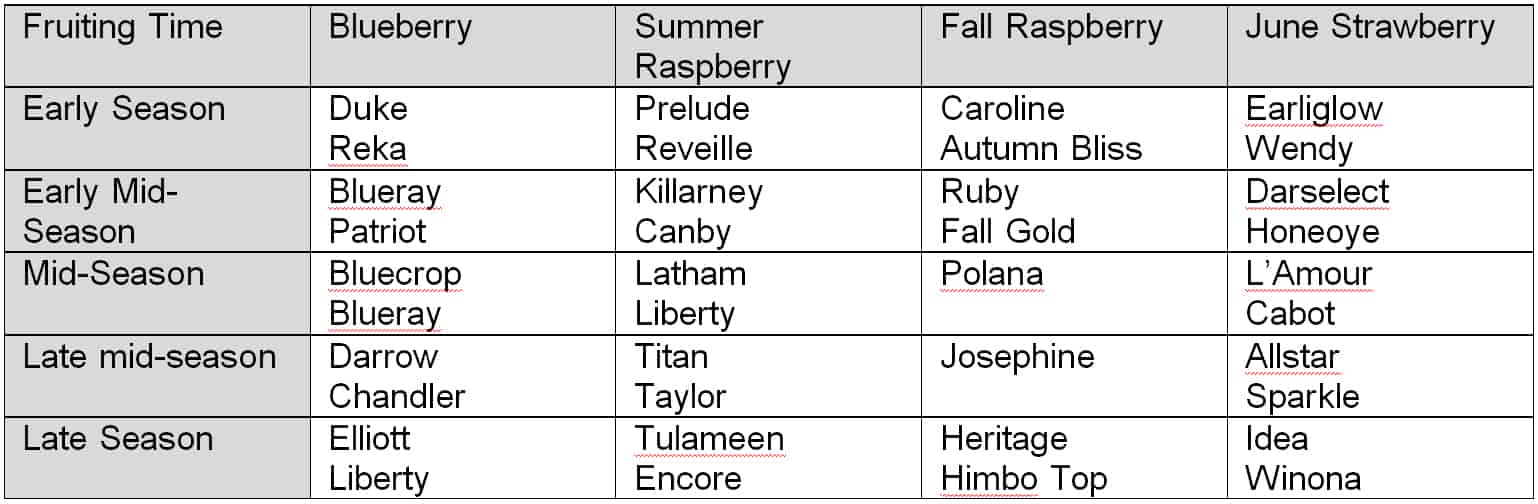

Berry plants that can produce fruit throughout the year are relatively rare, as most berries are seasonal. However, there are certain varieties that can provide a continuous yield or have extended growing seasons, particularly in specific climates or through greenhouse cultivation. The following are some notable examples of berries that can be harvested year-round in suitable conditions:
1. Strawberries:
- In temperate regions with mild winters or in controlled environments, strawberries can produce fruit almost year-round.
- They can be grown under protective covers like tunnels or greenhouses, allowing for an extended harvest period.
2. Raspberries:
- Certain ever-bearing raspberry varieties can yield fruit from late spring to fall, and with adequate care, they may produce throughout the winter in warmer climates or greenhouses.
- Locations with mild winters can see raspberries fruiting for much longer.
3. Blueberries:
- While traditional blueberries have a defined season, some cultivars can yield fruit through controlled environments where they are kept comfortable and free from frost.
- Blueberries can also be grown in greenhouses to extend their season significantly.
4. Blackberries:
- Similar to raspberries, some blackberry varieties produce fruit from spring until late fall.
- In tropical climates or under greenhouse conditions, they can produce berries almost year-round.
5. Goji Berries:
- Goji berries (Lycium barbarum) are known for their adaptability and can fruit throughout the year in warmer conditions.
- Their resistance to various climates makes them suitable for continual production.
Types of Year-Round Berries
These berries have unique growing requirements that allow them to thrive in various environments, leading to year-round availability.
- Strawberries: Can produce fruit all year when grown in the right conditions.
- Raspberries: Select varieties can yield fruit perpetually with mild climates.
- Blueberries: With the help of greenhouses, they can be harvested almost continuously.
- Blackberries: Certain types allow for prolonged harvest seasons.
- Goji Berries: Highly adaptable and can produce fruit in a variety of climates.
Growing Conditions for Year-Round Berries
The environment is key to enabling berry plants to produce fruit year-round. Various factors affect their growth and productivity.
- Climate: Warm climates or controlled greenhouse conditions are essential for continuous growth.
- Soil: Well-drained, nutrient-rich soil promotes year-round health and fruiting.
- Watering: Consistent moisture without overwatering ensures plants remain productive.
- Sunlight: Adequate sunlight, ideally 6-8 hours daily, encourages fruit development.
- Pest Control: Maintaining a pest-free environment is vital for the longevity of berry production.
Benefits of Growing Year-Round Berries
Producing berries throughout the year offers a variety of benefits, making them appealing to gardeners and consumers alike.
- Fresh Produce: Year-round availability means fresh berries can be enjoyed without season limitations.
- Nutritional Value: Berries are packed with vitamins, antioxidants, and can be part of a healthy diet year-round.
- Increased Revenue: For farmers, producing berries all year can lead to higher profitability and market competitiveness.
- Variety in Diet: Having access to fresh berries at all times allows for more diverse meal options.
- Environmental Benefits: Local year-round fruit production reduces transportation emissions associated with seasonal imports.
Popular Varieties of Year-Round Berries
Certain berry varieties stand out for their ability to consistently produce fruit, making them popular among both hobbyist and commercial growers.
- Day-Neutral Strawberries: Produce fruit regardless of day length, ideal for continuous harvest.
- Heritage Raspberries: Known for extended harvesting seasons when properly cared for.
- Northcountry Blueberry Varieties: Some hybrids offer longer growing seasons and fruiting capabilities.
- Thornless Blackberries: Easier to manage and can provide fruit longer compared to traditional varieties.
- Sweet Goji Berries: Gaining popularity for their health benefits and continuous availability.
Tips for Cultivating Year-Round Berries
Growing berries year-round can be rewarding, but there are specific strategies to ensure successful cultivation.
- Select the Right Varieties: Choose forms that are known for year-round production.
- Utilize Greenhouses: Provide optimal conditions for growth and extended harvesting periods.
- Regular Maintenance: Routine pruning, fertilizing, and pest management are key for healthy plants.
- Seasonal Adjustments: Monitor conditions and adapt care methods as seasons change.
- Soil Testing: Regular checks on soil quality can help sustain productive growth throughout the year.
Questions from Our Readers
What are the easiest berries to grow?
Strawberries, raspberries, and blueberries are considered some of the easiest berries to grow in home gardens. They thrive in a variety of soil types and conditions, making them ideal for beginner gardeners. Strawberries can be grown in containers or in the ground, while raspberries and blueberries require slightly more specific soil conditions to flourish.
Do berries need a lot of sunlight?
Yes, most berries require full sunlight to produce juicy and flavorful fruits. Ideally, they should receive at least 6 to 8 hours of direct sunlight each day. Adequate sunlight not only promotes healthy growth but also enhances the sweetness of the berries.
How much water do berries need?
Berries generally need consistent moisture, especially during the growing season. It is recommended to water them about 1 inch per week, either through rainfall or supplemental irrigation. However, it's important to avoid overwatering, as this can lead to root rot and other disease issues.
Can I grow berries in containers?
Absolutely! Many berries, such as strawberries and some varieties of raspberries, can successfully be grown in containers. Growing in pots allows for flexibility in positioning and can also be beneficial for space-limited gardens, provided the containers are large enough to accommodate the plant’s root system.
See also:

If you want to read more articles like What are the Easiest Berries to Grow? A Comprehensive Guide for Beginners, we recommend you check out our Berries category.
Leave a Reply
Related Articles