How Often Should You Water Potatoes? Essential Tips for Optimal Growth

Watering potatoes is a crucial aspect of ensuring a healthy and bountiful crop. Understanding how often to water these versatile tubers can significantly impact their growth, yield, and overall health. Factors such as soil type, weather conditions, and the stage of growth play vital roles in determining the ideal watering schedule. In this article, we will explore essential tips for watering potatoes effectively, helping gardeners strike the perfect balance between moisture and drainage. By following these guidelines, you can promote optimal growth and enjoy a fruitful harvest of delicious, home-grown potatoes.
How Often Should You Water Potatoes?
When it comes to watering potatoes, the general rule is to ensure they receive about 1-2 inches of moisture per week, either from rain or irrigation. It's crucial to monitor the soil moisture regularly, particularly during the flowering and tuber development stages, as insufficient watering can lead to smaller tubers or even blight issues. A consistent watering schedule is key; however, overwatering can cause root rot and other diseases. Ultimately, the frequency of watering may vary based on factors such as climate, soil type, and the specific potato variety being grown.
Factors Influencing Watering Frequency
The watering needs of potatoes can be influenced by several factors, including the weather conditions, soil type, and growth stage of the plants. For instance, during hot and dry conditions, you may need to water more frequently. Conversely, in cooler, humid conditions, the need for water may be less. Additionally, sandy soils tend to drain quickly, necessitating more frequent watering compared to heavier clay soils which retain moisture longer.
Signs of Underwatering
Underwatering potatoes can lead to visible signs such as wilting leaves, yellowing foliage, and stunted growth. The plants may be more susceptible to diseases and pests when under stress from inadequate moisture. An important indicator is the soil itself; if it feels dry to the touch several inches down, it may be time to water. Catching these signs early can help in maintaining healthy plants and promoting a better yield.
Signs of Overwatering
While it's essential to keep potatoes adequately watered, overwatering can be equally detrimental. Signs of overwatering may include yellowing leaves, an overall drooping appearance, and the development of root rot. In extreme cases, waterlogged soil can suffocate the roots, leading to the plants' demise. Always ensure good drainage and monitor soil moisture levels to avoid these issues.
Best Time to Water
The best time to water potatoes is early in the morning or late in the evening. Watering during these times helps minimize evaporation, ensuring that more moisture reaches the roots. Additionally, it helps in avoiding fungal diseases, which can be exacerbated by wet foliage if watered during hotter parts of the day. A morning irrigation also gives the plants ample time to absorb moisture before the heat of the day sets in.
See also:
Watering Techniques
There are various watering techniques that can be employed for potatoes, such as drip irrigation, soaker hoses, or traditional methods with watering cans or spray hoses. Drip irrigation is often recommended for its efficiency, delivering water directly to the root zone and reducing waste. Soaker hoses can also be effective for maintaining consistent soil moisture. Whichever method is chosen, the goal should be to provide even moisture without causing waterlogging.
| Watering Technique | Advantages | Disadvantages |
|---|---|---|
| Drip Irrigation | Efficient and precise | Initial setup cost can be high |
| Soaker Hoses | Easy to use, reduces evaporation | May clog over time |
| Watering Can | Control over water application | Labor-intensive for large areas |
| Spray Hose | Quick and easy to cover large areas | Can cause leaf wetness, leading to diseases |
Do potatoes like wet or dry soil?
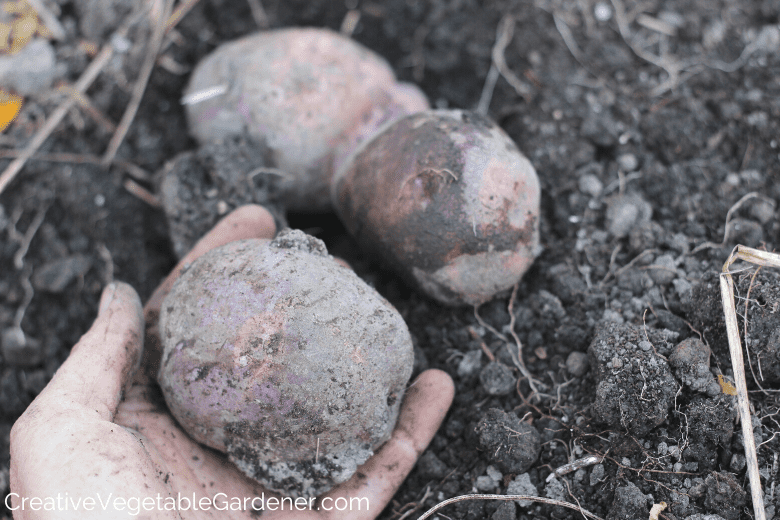
Potatoes prefer moist, well-drained soil to grow optimally. While they need water to develop adequately, overly wet conditions can lead to problems such as root rot and disease. The ideal soil moisture level allows for sufficient hydration without becoming waterlogged, as potatoes are particularly sensitive to excess water retention. Additionally, proper soil drainage is crucial to prevent fungal diseases.
Soil Type for Potatoes
Potatoes thrive in loamy soil that is rich in organic matter. The combination of sand, silt, and clay in loamy soil provides the best balance of drainage and moisture retention. Additionally, the following factors contribute significantly:
- Texture: Loamy soil allows for aeration and facilitates root expansion.
- pH Level: Ideal pH is between 5.8 and 6.5, enhancing nutrient availability.
- Nutrient Content: High organic matter supports healthy potato growth by providing essential nutrients.
Watering Needs of Potatoes
Potatoes require consistent moisture, especially during their tuber formation stage. Too little water can stunt their growth and lead to small tubers. Conversely, too much water can cause blight and other issues:
- Regular Watering: It’s important to water deeply but infrequently to encourage deep root growth.
- Moisture Check: Testing soil moisture with your finger or a moisture meter can help maintain optimal levels.
- Mulching: Applying mulch can help retain soil moisture while preventing weeds.
Signs of Inadequate Soil Moisture
Recognizing the signs of either too much or too little moisture is crucial for managing potato crops. Some indicators include:
See also:
- Wilting Leaves: This may indicate inadequate water supply.
- Yellowing Foliage: Excess moisture can cause leaves to turn yellow, signaling potential root problems.
- Soft or Rotted Tubers: These can result from overly wet conditions, showcasing unhealthy growth.
Managing Soil Moisture Levels
To ensure potatoes receive the right amount of moisture, several strategies can be employed:
- Draining: Ensure the garden bed has good drainage to avoid waterlogging.
- Soil Amendments: Incorporating organic matter like compost can enhance moisture retention and drainage.
- Irrigation Control: Using drip irrigation can provide water directly to the plants without oversaturating the soil.
Impact of Soil Moisture on Potato Yield
The level of moisture in the soil directly affects potato yield and quality. Understanding this connection is vital for farmers:
- Optimal Yield: Proper moisture leads to healthy, larger tubers, maximizing harvests.
- Quality of Tubers: Adequate moisture contributes to the ideal texture and taste of potatoes.
- Disease Resistance: Healthy soil moisture levels can diminish the risk of disease, promoting overall plant vigor.
Questions from Our Readers
How often should you water potatoes?
To maintain healthy potato plants, you should generally water them once a week. However, during particularly hot weather or if the soil feels excessively dry, you may need to increase the frequency to ensure proper growth.
What is the best time of day to water potatoes?
The best time to water potatoes is in the early morning or late evening when temperatures are cooler. This helps reduce evaporation and allows the plants to absorb moisture effectively, promoting strong growth.
How can you tell if potatoes need water?
To determine if potatoes need water, check the top inch of soil. If it feels dry to the touch, it's time to water. Additionally, look for signs of wilting or yellowing leaves, which can indicate that the plants are not receiving enough water.
What happens if you overwater potatoes?
Overwatering potatoes can lead to root rot and other serious issues such as fungal diseases. It can also cause the tubers to develop poor quality or discoloration. Ensuring well-drained soil and consistent moisture levels is crucial for healthy potato development.
See also:

If you want to read more articles like How Often Should You Water Potatoes? Essential Tips for Optimal Growth, we recommend you check out our Potatoes category.
Leave a Reply
Related Articles