Do I Need to Cut Back My Potato Plants? Essential Tips for Healthy Growth
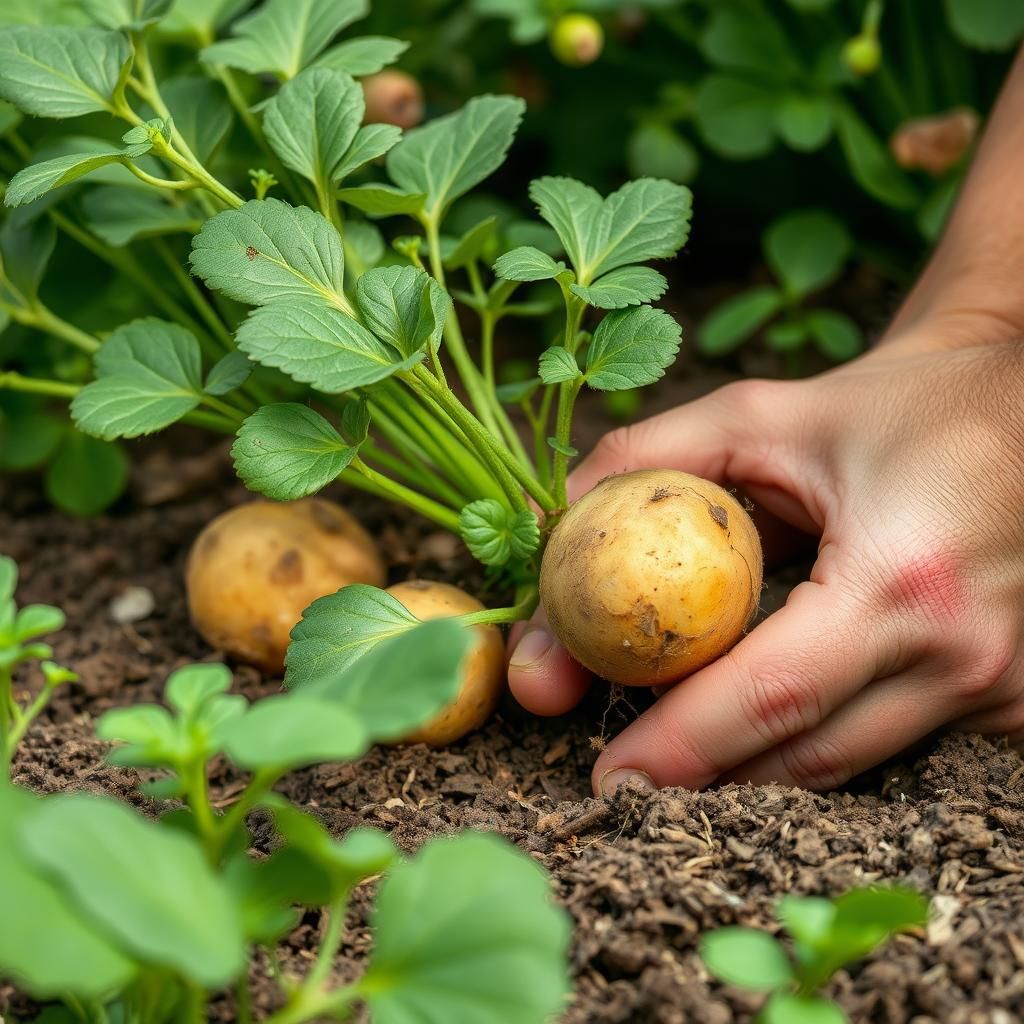
Determining whether to cut back your potato plants is crucial for their healthy growth and optimal yield. Many gardeners often wonder if trimming the foliage can prevent disease, promote better airflow, or redirect energy to tuber development. In this article, we will explore the importance of maintaining your potato plants and provide essential tips for pruning. By understanding the needs of your potato plants and recognizing when and how to cut back, you can ensure a thriving garden and a bountiful harvest. Read on to learn how to care for your potato plants effectively and achieve the best results.
Do I Need to Cut Back My Potato Plants?
Cutting back potato plants can be beneficial or unnecessary, depending on the growth stage and the specific conditions in which they are grown. Generally, if your potato plants are healthy and thriving, there is no need to cut them back. However, if you notice excessive foliage or if the plants are nearing the end of their growing season, trimming excess leaves can help direct more energy into the tubers and promote healthier yields. It's essential to monitor your plants closely and assess their overall health before deciding to make any cuts.
What Does Cutting Back Potatoes Entail?
Cutting back potatoes involves pruning the leaves and stems of the plant. This process is usually performed to remove any damaged, diseased, or overly abundant growth that might hinder the development of the tubers underground. When cutting back, it’s crucial to use clean, sharp tools to avoid spreading any potential diseases and ensure clean cuts that allow for quick healing.
When Should I Cut Back My Potato Plants?
The best time to cut back potato plants is right before harvesting or when the plants start to yellow and die back naturally. This indicates that the tubers are nearly ready for harvest and that the plants are using their energy reserves for tuber development rather than foliage growth. Additionally, if the plants have become too bushy or if you notice signs of disease, it’s advisable to prune them earlier.
Benefits of Cutting Back Potato Plants
Cutting back potato plants can provide several benefits, including increased air circulation around the tubers, which reduces the risk of disease and rot. It also helps in focusing the plant's energy on the development of the tubers instead of excessive leaf production, potentially resulting in larger and more abundant potatoes. Furthermore, it can make the harvesting process easier by reducing the amount of foliage that needs to be dealt with.
Potential Risks of Cutting Back
While there are benefits to cutting back potato plants, there are also potential risks involved. If done too late in the growing season, you may inadvertently reduce the plant's ability to photosynthesize effectively, which can lead to smaller or fewer tubers. Moreover, improper cuts can open wounds that may attract pests or diseases. It’s essential to be cautious and assess whether cutting back is necessary based on the health and growth of your potato plants.
See also:
Tips for Cutting Back Potato Plants
When cutting back potato plants, ensure that you are using clean, sterilized pruning shears to prevent introducing any pathogens. Only remove leaves that are yellowing, damaged, or shaded by other foliage to minimize stress on the plant. Additionally, aim to maintain some foliage for photosynthesis while avoiding excessive trimming. Always monitor the plant's reaction and overall health after cutting, as this will inform you if further action is necessary.
| Action | When to Do It | Potential Benefits | Potential Risks |
|---|---|---|---|
| Cut Back | Before Harvesting | Improved Air Circulation | Smaller Tuber Size |
| Prune Damaged Leaves | As Necessary | Encouraged Healthy Growth | Attracts Disease |
| Remove Excess Foliage | During Growing Season | Increased Tuber Size | Stress on Plant |
When to cut back potato vines?
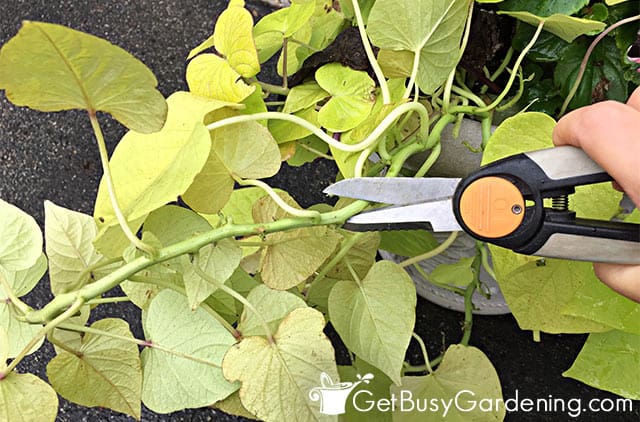
Cutting back potato vines is an important step in the potato growing process, particularly when it comes to ensuring healthy tuber development and overall plant health. Typically, the best time to cut back potato vines is just before harvesting. This usually occurs a couple of weeks to a month before you expect to harvest your potatoes. When vines begin to yellow and die back, it signals that the tubers have stopped growing and are ready for harvest.
The general guideline is to monitor the growth of your potato plants and cut them back when most of the foliage is mature and starting to decline. This practice helps to focus the plant's energy on the tubers still developing in the soil and can improve both yield and quality of the potatoes.
Signs to Look Out For Before Cutting Back
Before cutting back your potato vines, it’s essential to recognize the right signs of maturity in the plants. Here are some key indicators:
- Yellowing Foliage: Leaves turning yellow is a normal sign that the plant is maturing.
- Wilting Leaves: A significant drop in the plant's overall vigor suggests it's time to cut back.
- Flowering Stage: If your potato plants have flowered and the blossoms are fading, it may be time to reduce vine size.
Benefits of Cutting Back Potato Vines
Cutting back potato vines can provide several benefits that may positively impact your potato crop:
See also:
- Enhanced Tuber Development: Redirecting energy from the leaves to the roots promotes tuber growth.
- Pest Management: Reducing vine size can limit the attraction of pests to the foliage.
- Easier Harvesting: With less vine growth, you have a clearer view and easier access to the potatoes below the soil.
Method for Cutting Back
When it comes to cutting back the vines, using the right technique can make a difference:
- Use Sharp Tools: Employ sharp, clean shears or scissors to avoid damaging the plant unnecessarily.
- Cut at the Base: Trim the vines close to the soil level to prevent any regrowth.
- Handle with Care: Ensure not to disturb the soil too much to avoid damaging the tubers.
Timing Considerations
Timing your vine cutting is crucial for maximizing potato yield. Consider these factors when determining the right time:
- Late Summer to Early Fall: This is typically when potato plants reach maturity, depending on the variety.
- Frost Risk: Ensure to cut back before heavy frost hits, which can damage both the vines and the tubers.
- Soil Temperature: Once soil temperatures begin to stabilize, it may indicate that tuber development is complete.
Post-Cutting Care
After cutting back the vines, providing the right care is important for the best harvest results:
- Monitor Soil Moisture: Ensure the soil remains adequately moist but not soggy.
- Avoid Overwatering: Too much water after cutting can lead to rot in the tubers.
- Prepare for Harvest: Keep an eye on the plants and prepare for harvest when the tubers reach their desired size.
Questions from Our Readers
Do I need to cut back my potato plants?
Cutting back potato plants is generally not necessary, as they usually thrive without pruning. However, if you notice disease or Pest problems, removing affected leaves can help improve overall plant health. It's also helpful to keep the plants clear of weeds and debris to promote better growth.
When should I consider cutting back my potato plants?
You might consider cutting back your potato plants if they show signs of
How can I tell if my potato plants need to be cut back?
Signs that your potato plants may need to be cut back include yellowing leaves, stunted growth, or visible signs of pests or disease. If you notice these issues, it may be beneficial to remove the affected areas to improve plant vitality.
See also:
What are the benefits of cutting back potato plants?
The main benefits of cutting back potato plants include reducing the risk of

If you want to read more articles like Do I Need to Cut Back My Potato Plants? Essential Tips for Healthy Growth, we recommend you check out our Potatoes category.
Leave a Reply
Related Articles