What are the Most Common Pests in Greenhouses? Discover Effective Control Methods

Greenhouses provide an ideal environment for plants to thrive, but they also attract a variety of pests that can jeopardize healthy growth. Understanding the most common pests found in greenhouses is essential for any gardener or commercial grower aiming to protect their crops. This article delves into the various pests that frequently invade greenhouses, exploring their characteristics, behaviors, and the damage they can cause. Furthermore, we will discuss effective control methods, including both preventive measures and targeted treatments, ensuring your greenhouse remains a flourishing sanctuary for your plants.
Common Pests Found in Greenhouses
In greenhouse environments, a variety of pests can pose significant threats to plant health and productivity. Among the most common pests are aphids, spider mites, whiteflies, and thrips. These insects thrive in the warm, controlled conditions of greenhouses, making it essential for growers to monitor and manage their populations effectively. Aphids can transmit plant viruses, while spider mites damage leaves by sucking out vital juices, leading to discoloration and decline. Whiteflies also sap plants' strength, and thrips can cause distortions and discoloration of blooms and leaves. Proper identification and timely intervention can help mitigate the effects of these pests and protect greenhouse crops.
Aphids
Aphids are small, soft-bodied insects that typically gather in colonies on the undersides of leaves. They feed by puncturing plant tissues and sucking out the sap, which weakens the host plant and can lead to curling leaves and stunted growth. Additionally, aphids can vector various viruses, exacerbating their damage. Regularly monitoring for aphid presence and implementing control measures, such as insecticidal soaps or introducing beneficial predators like ladybugs, is crucial in managing these pests effectively.
Spider Mites
Spider mites are tiny arachnids that can create a webbing on plants and are notorious for their rapid reproduction. They thrive in dry conditions, and their feeding habits cause stippling and tiny yellow spots on leaves, leading to premature leaf drop. To combat spider mites, maintaining appropriate humidity levels and applying miticides or introducing natural predators like predatory mites can help control their populations and protect plants in greenhouses.
Whiteflies
Whiteflies are small, winged insects that can cause significant damage to greenhouse crops by feeding on plant sap. They are often found on the undersides of leaves and can produce honeydew, which leads to sooty mold growth. The presence of whiteflies can also attract other pests and diseases, compounding their threat. Effective management strategies include using sticky traps, insecticidal soaps, and introducing natural enemies such as parasitic wasps that target whitefly larvae.
Thrips
Thrips are slender, winged insects that can cause considerable damage to a variety of plants. They feed on tender plant tissues, leading to scarring and discoloration, which can affect both the aesthetic and commercial value of crops. Thrips can also transmit viruses and contribute to secondary infections. Regular inspection and the use of yellow sticky traps combined with insecticides can help reduce their populations and minimize harm to greenhouse plants.
Fungus Gnats
Fungus gnats are small flying insects whose larvae feed on plant roots and organic matter in the soil. While adult gnats do not typically harm plants directly, their larvae can cause root damage, leading to reduced growth and increased susceptibility to diseases. Maintaining proper soil moisture levels, using sticky traps, and applying beneficial nematodes can effectively control fungus gnat populations in greenhouse environments.
| Pest | Symptoms | Control Methods |
|---|---|---|
| Aphids | Curling leaves, yellowing | Insecticidal soaps, ladybugs |
| Spider Mites | Yellow spots, webbing | Miticides, predatory mites |
| Whiteflies | Honeydew, sooty mold | Sticky traps, parasitic wasps |
| Thrips | Scarring, discoloration | Yellow traps, insecticides |
| Fungus Gnats | Root damage, stunted growth | Sticky traps, beneficial nematodes |
What are the four major pests?
The four major pests that significantly impact agriculture and human health are insects, weeds, fungi, and rodents. Each of these categories includes a variety of species that can cause damage to crops, threaten food security, and disrupt ecosystems.
Insects
Insects are arguably the most notorious agricultural pests, as they can reproduce rapidly and spread quickly. Some common insect pests include aphids, beetles, and caterpillars. They can harm crops by feeding on plant tissues, spreading diseases, and competing for nutrients.
- Aphids: Tiny sap-sucking insects that can decimate plant health.
- Beetles: Many species feed on leaves, roots, or fruits, causing visible damage.
- Caterpillars: Larval forms of moths and butterflies that can consume entire crops.
Weeds
Weeds are unwanted plants that can compete with crops for water, light, and nutrients. They can significantly decrease crop yields by overshadowing essential crops and can even harbor pests and diseases that affect agricultural production.
- Crabgrass: A common weed that spreads quickly and can choke out other plants.
- Dandelions: Known for their deep roots and ability to thrive in poor soil conditions.
- Thistle: Its prickly structure makes it difficult to remove and can dominate fields.
Fungi
Fungal infections can be particularly devastating to both crops and livestock. Fungi thrive in warm, moist conditions and can lead to disease outbreaks that affect the entire agricultural ecosystem.
See also:
- Powdery mildew: A fungal disease that coats leaves and inhibits photosynthesis.
- Rust: This fungus causes rust-colored lesions on plants that can weaken and kill them.
- Blight: A severe condition that can destroy entire crops if not managed properly.
Rodents
Rodents, such as rats and mice, are significant pests in agriculture as they consume seeds, crops, and stored food. They can also spread diseases to both animals and humans, making them a considerable concern.
- Norway rats: Known for their burrowing habits and ability to reproduce rapidly.
- House mice: They often invade homes and granaries, leading to food contamination.
- Field mice: Known for damaging crops and spreading diseases in agricultural settings.
What do greenhouses use for pest control?
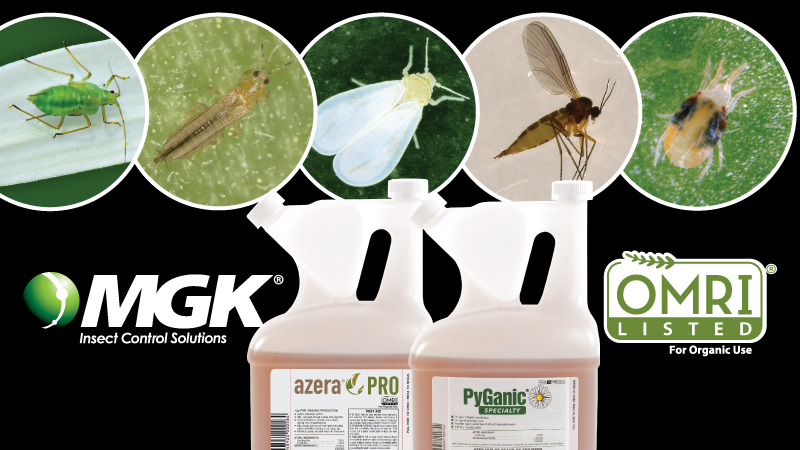
Greenhouses utilize various methods for pest control to protect plants from harmful pests while maintaining a healthy growing environment. These methods can be broadly categorized into biological, cultural, mechanical, and chemical controls. Each approach plays a vital role in an integrated pest management strategy, aimed at minimizing pest damages while reducing the reliance on harmful pesticides.
Biological Pest Control
Biological pest control involves using natural predators and parasitoids to manage pest populations within the greenhouse. This method is eco-friendly and aligns with sustainable agricultural practices.
- Beneficial Insects: Introducing insects like ladybugs, lacewings, and predatory mites can significantly reduce aphid and spider mite populations.
- Nematodes: These microscopic worms can be released into the soil to control pest larvae, including root-knot nematodes and fungus gnat larvae.
- Microbial Agents: Utilizing bacterial or fungal agents, such as Bacillus thuringiensis (Bt), can effectively target specific pest larvae without harming beneficial insects.
Cultural Pest Control
Cultural pest control practices are designed to create an environment that is unfriendly to pests. These strategies involve altering growing conditions or plant management.
- Crop Rotation: Changing the types of plants grown in a specific area each season can disrupt pest life cycles and reduce infestations.
- Sanitation: Keeping the greenhouse clean by removing debris, fallen leaves, and dead plants can minimize pest habitats.
- Plant Selection: Choosing resistant varieties or plants that are less attractive to pests can significantly decrease pest populations.
Mechanical Pest Control
Mechanical pest control methods physically eliminate pests or prevent their access to plants. This approach often involves simple, labor-intensive practices.
- Sticky Traps: These traps catch flying insects like whiteflies and moths, allowing for monitoring and control of pest populations.
- Row Covers: Lightweight fabric covers can protect young plants from pests while allowing sunlight and moisture to pass through.
- Vacuuming: Regularly vacuuming pests from plants can be an effective way to reduce their numbers, especially for larger pests like aphids or spider mites.
Chemical Pest Control
Chemical pest control involves using pesticides to manage pest populations. While it can be effective, it should be used as a last resort and in conjunction with other methods to minimize harmful effects on the environment.
- Insecticidal Soaps: These products can effectively control soft-bodied insects such as aphids and spider mites without causing harm to plants.
- Neem Oil: Derived from the neem tree, this natural pesticide disrupts the life cycle of many pests and deters feeding.
- Synthetic Pesticides: If necessary, these chemicals can be used, but it is essential to follow safety guidelines and use them sparingly to avoid pesticide resistance.
Integrated Pest Management (IPM)
Integrated Pest Management (IPM) is a holistic approach that combines multiple pest control methods to minimize pest damage effectively and sustainably.
- Monitoring: Regularly inspecting plants and setting up traps allows for early detection of pest populations.
- Threshold Levels: Establishing the number of pests that can be tolerated before taking action helps in making informed decisions about pest management interventions.
- Combination of Methods: Utilizing a mix of biological, cultural, mechanical, and chemical controls ensures a balanced approach to pest management, reducing reliance on any single method.
How to control pests in a greenhouse?

To effectively control pests in a greenhouse, it's essential to implement an integrated pest management (IPM) strategy that combines various methods to minimize the damage caused by pests while maintaining the health of your plants. Here are several techniques that you can employ:
Preventive Measures
Taking preventive measures is one of the most effective ways to control pests in your greenhouse. This involves creating an environment that discourages pest infestations.
- Sanitation: Regularly clean your greenhouse to remove any debris, dead plants, or organic matter that can harbor pests.
- Quarantine: Isolate new plants before introducing them to prevent the potential spread of pests.
- Environment Control: Maintain optimal temperature and humidity levels as many pests thrive in unfavorable conditions.
Biological Control
Utilizing biological control involves introducing natural predators or pathogens that can help manage pest populations without harming the plants.
See also:
- Beneficial Insects: Release insects such as ladybugs, lacewings, or parasitic wasps which are natural predators of many greenhouse pests.
- Nematodes: Use beneficial nematodes that attack soil-borne pests like root weevils and fungus gnats.
- Microbial Pesticides: Apply products containing natural microorganisms that target specific pests while being safe for the plants.
Cultural Practices
Implementing cultural practices focuses on changing the way you manage your greenhouse to deter pest infestations effectively.
- Crop Rotation: Rotate different plant species to disrupt pest life cycles and reduce pest populations over time.
- Companion Planting: Grow specific plants together that can repel pests or attract beneficial insects.
- Proper Watering: Avoid overwatering and ensure good drainage to prevent fungal growth and pests often associated with excessive moisture.
Physical Barriers
Utilizing physical barriers can help prevent pests from accessing your plants in the greenhouse.
- Insect Netting: Install fine mesh netting around the greenhouse structure to keep out flying insects.
- Sticky Traps: Place yellow sticky traps to capture flying pests like whiteflies and aphids.
- Row Covers: Use lightweight fabric row covers to protect seedlings and sensitive plants from pest damage.
Pesticide Application
While it should be used as a last resort, applying pesticides can be effective for severe infestations if done correctly.
- Targeted Treatments: Choose pesticides that specifically target the pests present and apply them as needed rather than as a routine.
- Timing: Apply pesticides during the early morning or late afternoon to minimize the impact on beneficial insects.
- Follow Labels: Always read and follow the manufacturer's instructions on the pesticide label for safe and effective use.
What is the most common pest infestation?
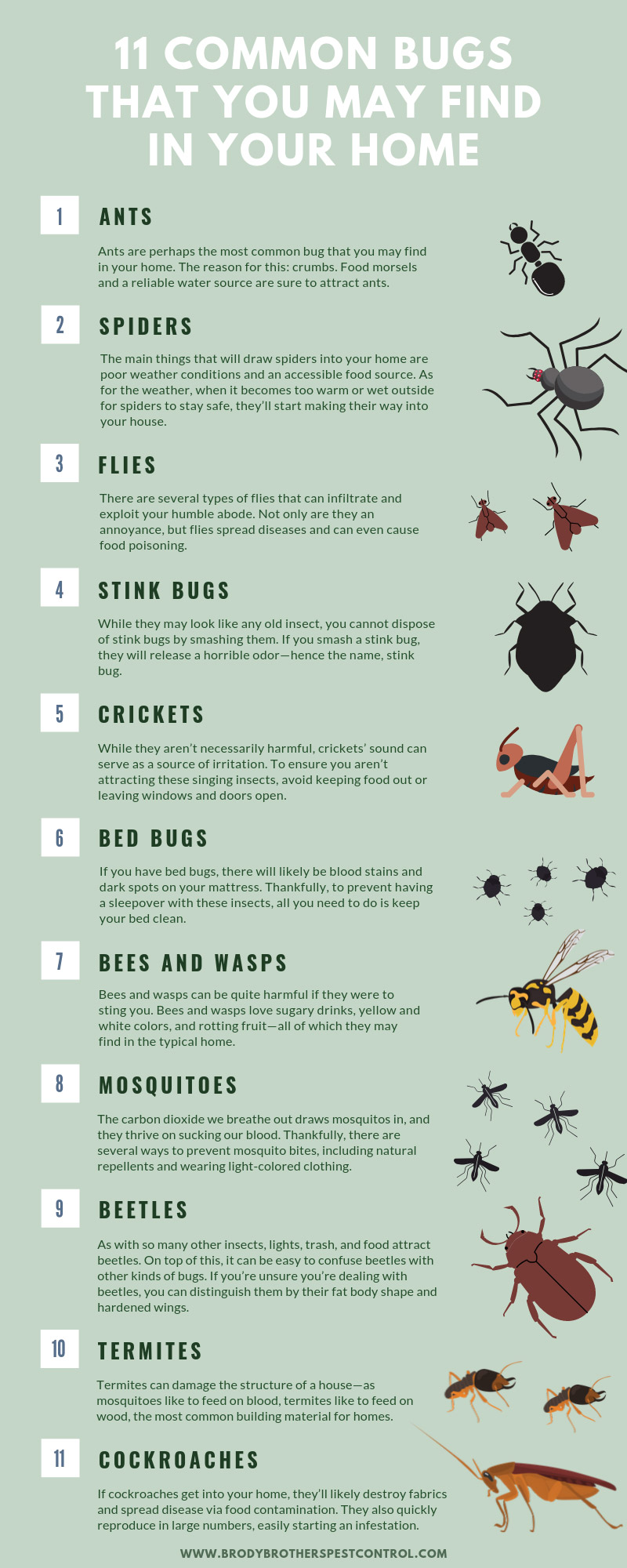
The most common pest infestation is often considered to be cockroach infestations. Cockroaches are highly adaptable insects that thrive in various environments, particularly in urban settings. Their ability to reproduce quickly, coupled with their resilience to many extermination methods, makes them a prevalent nuisance in homes, restaurants, and commercial buildings.
Cockroach Types
Cockroaches can be classified into various species, with some of the most common being:
- German Cockroach - This species is small, brown, and often found in kitchens and bathrooms.
- American Cockroach - Larger than the German cockroach, they can be identified by their reddish-brown color and yellowish figure on the thorax.
- Oriental Cockroach - Known for their black color and broad bodies, they prefer cooler, damp areas.
Signs of Infestation
Identifying a cockroach infestation early can prevent a larger problem. Common signs include:
- Droppings - Small, dark granules found in areas where food is prepared or eaten.
- Egg Cases - Brown or black cases that are often hidden in dark crevices.
- Unpleasant Odor - A musty smell is often associated with high levels of cockroach activity.
Health Risks
Cockroaches are not just a nuisance; they also pose several health risks, including:
- Allergies - Proteins in cockroach droppings can trigger allergic reactions in sensitive individuals.
- Asthma - Exposure to cockroaches can exacerbate asthma symptoms, especially in children.
- Pathogen Transmission - Cockroaches can carry and spread bacteria, which may cause food poisoning and other illnesses.
Prevention Methods
Preventing a cockroach infestation involves several key strategies:
- Maintain Cleanliness - Regular cleaning, especially in food preparation areas, can deter cockroach activity.
- Seal Entry Points - Close gaps around doors, windows, and pipes to prevent their entry.
- Proper Food Storage - Store food in airtight containers and avoid leaving crumbs exposed.
Control Measures
If an infestation occurs, the following control measures can be effective:
- Insecticides - Use sprays or baits specifically designed for cockroach control.
- Traps - Sticky traps can help monitor and reduce the cockroach population.
- Professional Extermination - In severe cases, hiring pest control experts can provide a thorough solution.
Questions from Our Readers
What are the most common pests found in greenhouses?
The most common pests in greenhouses include aphids, spider mites, whiteflies, and thrips. These pests thrive in the warm and humid environment of greenhouses, making them particularly problematic for growers.
How do I identify pests in my greenhouse?
Identifying pests in your greenhouse involves looking for signs such as discoloration, webbing, or stippling on leaves. Additionally, you may observe the pests themselves, which can vary in size and color depending on the species.
See also:
What are the best methods for controlling pests in greenhouses?
Effective methods for controlling pests in greenhouses include integrated pest management, which combines cultural practices, biological control, and chemical treatments. Regular monitoring and timely interventions are crucial to manage pest populations effectively.
Can beneficial insects help manage greenhouse pests?
Yes, introducing beneficial insects like ladybugs, lacewings, and predatory mites can help control pest populations naturally. These insects prey on harmful pests, aiding in maintaining a balanced ecosystem within the greenhouse.
If you want to read more articles like What are the Most Common Pests in Greenhouses? Discover Effective Control Methods, we recommend you check out our Insects category.
Leave a Reply
Related Articles