Do Potatoes Grow Better in Pots or in the Ground? Exploring the Best Growing Methods

As gardening enthusiasts seek to optimize their potato yields, a common question arises: do potatoes grow better in pots or in the ground? This debate among gardeners often hinges on factors such as space availability, soil quality, and climate conditions. Growing potatoes in pots offers flexibility and mobility, making it an appealing option for urban gardeners with limited space. Conversely, traditional in-ground planting promises natural growth conditions and potentially larger harvests. In this article, we will explore both methods, examining their advantages and disadvantages, to help you determine the best approach for cultivating your potato plants effectively.
Do Potatoes Grow Better in Pots or in the Ground?
Growing potatoes can be done successfully in both pots and in the ground, but the choice between the two methods largely depends on several factors including space availability, soil quality, and environmental conditions. Potatoes grown in the ground often benefit from the natural moisture and nutrients available in the soil, allowing for potentially larger yields and healthier plants. However, growing them in pots can provide better control over soil conditions, make harvesting easier, and allow for cultivation in limited spaces or balconies. Ultimately, both methods have their advantages, and the decision should be based on the gardener's preferences and circumstances.
Soil Conditions
The quality and type of soil play a crucial role in potato cultivation. In ground planting, potatoes can access rich, well-draining soil that encourages root development. Conversely, a pot allows gardeners to create the ideal soil mix, ensuring adequate drainage and nutrient levels. However, it's essential to monitor the soil's moisture levels more frequently in pots to prevent plants from drying out.
Space Considerations
For those with limited gardening space, using pots can be an excellent option for growing potatoes. Containers can be placed on patios, balconies, or any small areas, making them accessible to urban gardeners. In contrast, planting potatoes in the ground requires more room and potentially a garden bed, making it less practical for those living in apartments or homes with minimal yard space.
Water Management
Water availability and management is another critical factor in potato growth. In-ground potatoes benefit from natural rainfall, providing a consistent moisture supply if the garden is well-drained. However, when growing in pots, it is crucial to be vigilant about watering, as container-grown plants can dry out quickly. The gardener must ensure the pots have adequate drainage holes and water them regularly, especially during dry spells.
Harvesting Ease
Harvesting can be significantly easier when potatoes are grown in pots. Once the plants are ready, gardeners can simply tip over the container and collect the potatoes without disturbing the surrounding soil. In contrast, harvesting potatoes from the ground requires digging, which can be labor-intensive and may damage some tubers if not done carefully.
Pest and Disease Management
Pest and disease presence can impact potato growth, with ground-grown potatoes more susceptible to soil-borne diseases and pests like potato beetles. Growing potatoes in pots can reduce the risk of such issues since the soil is contained and less exposed to pathogens. Moreover, gardeners can monitor and manage pests more closely in a controlled environment.
| Aspect | Pots | Ground |
|---|---|---|
| Soil Quality | Controlled environment | Natural richness |
| Space | Ideal for small areas | Requires more space |
| Water Management | Needs regular monitoring | Benefits from natural rainfall |
| Harvesting | Easy collection | Labor-intensive digging |
| Pest Management | Lower disease risk | Higher susceptibility |
What is the most efficient way to grow potatoes?

To grow potatoes efficiently, several key practices should be considered that enhance yield and minimize resource use. Here are the most effective steps:
Choosing the Right Variety
Selecting the correct potato variety is crucial for maximizing growth efficiency. Different varieties have varying attributes suited to specific climates and soil conditions.
- Climate Suitability: Choose varieties that thrive in your local climate.
- Soil Type: Some potatoes perform better in sandy soils, while others prefer clay or loamy soils.
- Growth Duration: Early, mid, and late-season varieties allow for flexibility in planting schedules.
Preparing the Soil
Proper soil preparation significantly affects potato growth. Good soil structure and fertility ensure healthy plants.
- Soil Testing: Conduct a soil test to determine nutrient levels and pH.
- Amending Soil: Add organic matter such as compost or well-rotted manure to enhance soil fertility.
- Tillage: Loosen the soil through tillage to improve aeration and drainage.
Planting Techniques
Efficient planting techniques can boost potato yield. The method and timing of planting play a critical role.
- Seed Potatoes: Use certified seed potatoes to prevent diseases and pests.
- Planting Depth: Plant tubers 4-6 inches deep to allow for proper root development.
- Spacing: Maintain adequate spacing between plants (12-15 inches) to minimize competition.
Watering and Irrigation
Water management is key to successful potato cultivation. Both overwatering and underwatering can lead to issues.
- Consistent Moisture: Potatoes need consistent moisture, especially during tuber formation.
- Drip Irrigation: Utilize drip irrigation to provide targeted moisture and reduce water waste.
- Mulching: Apply mulch to retain soil moisture and suppress weeds.
Pest and Disease Management
Managing pests and diseases is vital for maintaining healthy potato crops. Timely interventions can prevent crop loss.
- Regular Monitoring: Keep an eye on plants for signs of pests and diseases.
- Crop Rotation: Rotate potatoes with other crops to disrupt pest cycles.
- Integrated Pest Management: Utilize biological controls and limit chemical inputs to maintain a healthy ecosystem.
Are potatoes better in containers or ground?
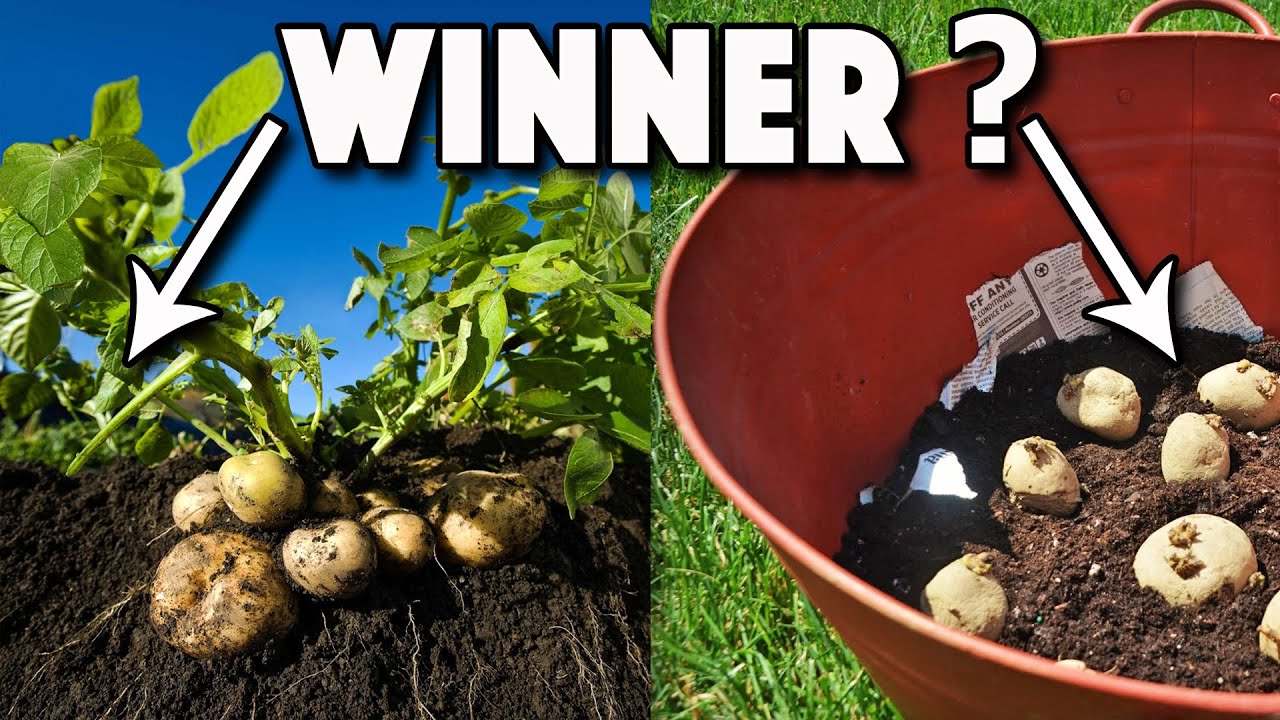
Potatoes can be grown in both containers and in the ground, and each method has its own advantages and disadvantages. Choosing between these two methods often depends on the gardener's specific circumstances, including available space, soil quality, and maintenance preferences.
See also:
Advantages of Growing Potatoes in Containers
Growing potatoes in containers offers several benefits that can be particularly appealing to urban gardeners or those with limited space.
- Space Efficiency: Containers allow gardeners to maximize their vertical space, making it possible to grow potatoes on patios or balconies.
- Control Over Soil Quality: Using containers gives gardeners the ability to choose and manage the soil blend, helping to prevent soil-borne diseases.
- Mobility: Containers can be relocated, enabling gardeners to move their plants to optimize sunlight exposure or protect them from adverse weather conditions.
Disadvantages of Growing Potatoes in Containers
While container gardening has its benefits, there are also some drawbacks to consider.
- Watering Needs: Container plants tend to dry out more quickly, requiring more frequent watering, which can be a hassle for some gardeners.
- Yield Limitations: The size of the container may restrict the growth of the potatoes, potentially leading to lower yields compared to ground planting.
- Temperature Fluctuations: Containers can heat up quickly in the sun, which may stress the plants if not monitored carefully.
Advantages of Growing Potatoes in the Ground
Planting potatoes directly in the ground comes with a set of unique advantages that can be beneficial for those with adequate garden space.
- Nutrient Availability: The ground provides a rich source of nutrients and microorganisms, which can lead to healthier plants and better yields.
- Natural Water Retention: Soil in the ground usually retains moisture better than container soil, reducing the frequency of watering.
- Higher Yield Potential: Ground planting typically allows for more plants and therefore a greater harvest volume.
Disadvantages of Growing Potatoes in the Ground
Despite the many advantages of ground planting, there are several drawbacks to be aware of.
- Soil Quality Issues: Poor soil conditions or contamination can negatively impact potato growth and health.
- Pests and Diseases: Ground plants are more susceptible to pests and diseases that are present in the soil.
- Space Requirements: Gardening in the ground requires more physical space, which may not be an option for those with limited yard area.
Environmental Factors to Consider
When deciding where to grow potatoes, environmental factors play a crucial role in the success of the crop.
- Climate: Different methods may perform better in specific climate conditions, impacting growth rates and yields.
- Soil Type: Different types of soil can affect drainage and nutrient availability, making it important to consider soil health in both methods.
- Sunlight: Adequate sunlight is essential for potato growth; container gardens can be moved to optimize exposure.
Questions from Our Readers
Do potatoes grow better in pots or in the ground?
Growing potatoes in the ground typically leads to larger yields due to the access to more nutrients and space for root growth. However, growing them in pots can provide better control over soil type and moisture levels, making it easier for some gardeners to manage the growing conditions.
What are the advantages of growing potatoes in pots?
One of the main advantages of using pots for growing potatoes is the ability to control the soil quality and drainage effectively. Additionally, pots can allow for mobility, meaning you can move your plants to follow ideal sunlight conditions or protect them from harsh weather.
Are there any disadvantages to growing potatoes in pots?
Yes, one disadvantage of growing potatoes in pots is the limited space for the tubers to expand, which might result in smaller potatoes compared to those grown in the ground. Also, pots require regular watering to prevent the soil from drying out, which may increase the effort needed for maintenance.
See also:
Can you grow potatoes in pots on a balcony?
Absolutely! Growing potatoes in pots on a balcony is a great option, especially if you have limited garden space. Just ensure that the pots are big enough to accommodate the potatoes, and provide adequate sunlight throughout the day for optimal growth.

If you want to read more articles like Do Potatoes Grow Better in Pots or in the Ground? Exploring the Best Growing Methods, we recommend you check out our Potatoes category.
Leave a Reply
Related Articles