Ultimate Guide: How Do You Know When It's Time to Dig Up Potatoes?
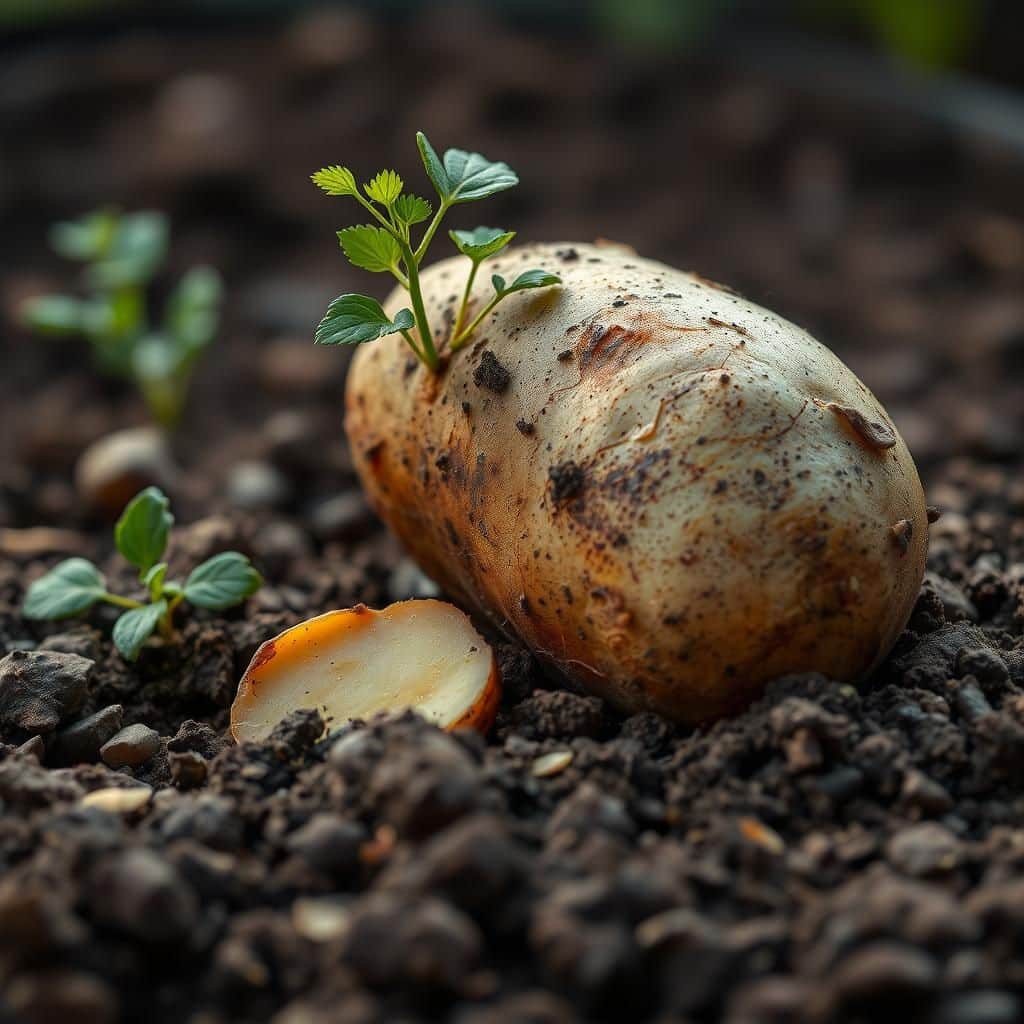
Whether you’re a seasoned gardener or a beginner, knowing when to harvest your potatoes is crucial for achieving the best flavor and texture. Potatoes grown in your backyard can be a rewarding endeavor, but the key to a successful harvest lies in recognizing the signs that indicate it's time to dig them up. This ultimate guide will help you understand the various stages of potato growth, the visual cues to look for, and the optimal timing for digging. With the right knowledge, you can ensure a bountiful and delicious potato crop that enhances your culinary creations.
How to Determine the Right Time to Harvest Potatoes
The ideal time to dig up potatoes is primarily indicated by the maturity of the plants. Typically, after the flowering stage, which occurs about 10-14 weeks after planting, you can start to assess their readiness. Look for signs such as the yellowing and dieback of the foliage, indicating the plant has entered the final growth stage. This is generally when the tubers have reached their peak size and will maximize flavor and texture. To ensure you're harvesting at the right time, you can gently fork around the base of the plant to check for the size of the potatoes, as well as ensuring there’s no damage to the remaining plant.
Signs of Maturity in Potato Plants
The primary signs of maturity in potato plants include yellowing leaves and the dieback of the plant's stems. When the foliage starts to turn yellow and eventually dies back, it indicates that the plant has finished growing and that the tubers are developing underground. Observing these signs can help you determine that your potatoes are ready for harvest, ensuring that you get them at their optimal size and flavor.
Checking Potato Size Underground
To check the size of your potatoes, use a garden fork and carefully lift the soil around the base of the plant without damaging the tubers. This method allows you to see how large the potatoes have grown while minimizing risk to the remaining plant. If you find that the potatoes are large enough for your needs, it is a good indication that it’s time to start harvesting. Aim for potatoes that are firm and well-developed, as smaller ones may still need more time to grow.
Timing Based on Potato Varieties
Different varieties of potatoes have varying maturity times; early-season varieties can be ready in as little as 70 days, while late-season ones may take 120 days or more. Understanding the specific growth timeline of the type of potato you are cultivating is crucial, as it directly influences when to harvest them. Consult seed packets or local growing guides for information tailored to your varieties to ensure you dig them at the right time.
See also:
Environmental Factors Affecting Harvest Time
Environmental factors such as weather, soil conditions, and overall climate can impact potato growth and harvest time. For instance, an unseasonably warm or cool season may accelerate or delay growth. It's important to monitor these conditions, as they can influence when the plant enters the maturity phase. Adapt your harvest schedule according to these variables for the best outcome.
Harvesting Techniques for Potatoes
When it comes to harvesting, using the right techniques is essential to prevent damage to the potatoes. Begin by gently loosening the soil around the plant, using a garden fork or shovel, taking care to avoid stabbing the tubers. Lift the plants gently from the ground, allowing the potatoes to come free. This careful process helps ensure that your harvested yield remains intact and in good condition for storage or immediate use.
| Sign | Description |
|---|---|
| Yellowing Leaves | Indicates the plant is maturing and almost ready to harvest. |
| Flowering Stage | Signals that the development of tubers is underway. |
| Dieback | Leaves and stems dying back is a sign that it is time to harvest. |
| Size Check | Gently forking to check if tubers have reached an appropriate size. |
| Timing | Diverse varieties have different harvest timelines, impacting readiness. |
Signs Your Potatoes Are Ready for Harvest
Determining the right time to dig up potatoes can greatly influence the quality and quantity of your harvest. One of the most reliable indicators is the foliage of the plant; when the leaves begin to turn yellow and die back, it signifies that the potatoes are reaching their maturity. Additionally, soil conditions play a crucial role; harvesting during a dry period can prevent damage to the tubers and make the process much easier. It's essential to also check for changes in the size of the potatoes through visual inspection, as these are key indicators of readiness.
Understanding Potato Varieties
Different potato varieties may have varied maturation times. For instance, early potatoes can be harvested just a few weeks after planting, while late varieties may require several months. Knowing the specific type of potatoes you’ve planted will help you gauge when they might be ready for harvest. Always refer to the seed packet or planting guidelines to determine the expected growth duration and signs of ripeness.
Monitoring Leaf Health
The health and appearance of the leaves are critical indicators for deciding the harvest time. As the plants mature, you should watch for the leaves turning yellow and drying out. Once the majority of the foliage has died back, it signals that the tubers have developed their full flavor and nutritional value, making it a good time to start digging.
See also:
Soil Conditions and Timing
Soil conditions directly impact the harvesting process. Ideally, you want to dig up your potatoes when the soil is dry but not parched; this helps to avoid accidental damage to the potatoes and contributes to better storage quality. If the soil is too wet, it can lead to bulb rot or make it messy to harvest. Timing your digging to coincide with favorable soil conditions is crucial for maximizing your harvest.
Visible Size of the Potatoes
Another effective method to determine when to dig up potatoes is to visually assess their size. As the potatoes grow underground, their size will start to become apparent. If you notice that the plants have flowered, this often indicates that potatoes are forming, and checking their size at this stage can give you a good indication of whether they are ready for harvest or need more time to grow. Harvest them when they reach the desired size for your culinary needs.
Harvesting Techniques for Maximum Yield
Using the proper harvesting techniques is essential to ensure a maximum yield while minimizing damage to the potatoes. It’s advisable to use a fork or shovel rather than a spade, as this reduces the risk of piercing the tubers. Gently loosen the soil around the plants, being careful not to disturb the potatoes too much. Once loose, you can carefully lift them out and lay them in a shaded area to avoid any sunburn before storing them.
Questions from Our Readers
How can I tell when my potatoes are ready to harvest?
When your potatoes are ready to harvest, you will notice that the foliage has started to die back. This typically occurs a few weeks after the flowers have bloomed. Checking the size of the potatoes by gently digging around the plant can also help determine if they are mature enough for harvesting.
What signs should I look for in my potato plants?
Look for yellowing and wilting leaves, which usually indicate that the potatoes are ready to be dug up. Additionally, if the leaves have completely died back and turned brown, it's a clear sign that your potatoes are ready for harvest.
See also:
Is there a specific time of year to dig up potatoes?
Yes, potatoes are usually harvested in the late summer to early fall, depending on the variety and where you live. Generally, about 2 to 3 weeks after the plant's tops die back is the best time to start digging up your potatoes.
How do I ensure I harvest my potatoes at the right time?
To ensure you harvest at the right time, keep a close eye on your potato plants and monitor their growth stages. Checking the size regularly and being aware of the signs of maturity, such as dying foliage, will help you harvest your potatoes at their peak quality.

If you want to read more articles like Ultimate Guide: How Do You Know When It's Time to Dig Up Potatoes?, we recommend you check out our Potatoes category.
Leave a Reply
Related Articles