Can You Leave Potatoes in the Ground After the Plant Dies? Tips and Best Practices for Potato Storage

When it comes to harvesting potatoes, one common question arises: can you leave them in the ground after the plant has died? Understanding the intricacies of potato storage can significantly impact both yield and quality. While some gardeners may choose to harvest immediately, others might wonder about the benefits and risks of leaving potatoes in the soil. This article will explore the best practices for potato storage, including the optimal time to harvest, the potential effects of leaving potatoes in the ground for an extended period, and tips for ensuring a successful crop while maintaining flavor and freshness.
Can You Leave Potatoes in the Ground After the Plant Dies?
Leaving potatoes in the ground after the plant has died is possible, but it requires careful consideration of several factors. When potato plants die, it generally indicates that the tubers have reached maturity, making them ready for harvest. However, if left in the soil, they can remain viable for a period of time, developing skins that prevent rot, yet prolonged exposure to humidity, pests, or frosty conditions can lead to decay. It's essential to monitor the weather and soil conditions, as potatoes left in the ground too long may also begin to sprout or become vulnerable to diseases that can significantly reduce their quality and quantity when you eventually decide to harvest.
Optimal Timing for Harvesting
The optimal timing for harvesting potatoes is typically a few weeks after the plants have died back. This allows the tubers to reach their full size while developing a tougher skin, which helps in their preservation. It is advisable to wait at least 2-3 weeks after the foliage has died to ensure that the potatoes have matured. If conditions allow, leaving them in the soil can offer additional growth time, but care must be taken to check for weather changes that could impact their storage.
Impact of Soil Conditions
Soil conditions play a critical role in determining whether potatoes can be left in the ground post-harvest. If the soil is too wet, it may lead to rot, whereas overly dry conditions can cause the potatoes to shrivel. Ideally, well-drained soil promotes healthy tuber storage. It is crucial to monitor soil moisture levels as they significantly affects the potatoes’ shelf life in the ground and ultimately impacts their usability when harvested.
Pest and Disease Management
Leaving potatoes in the ground increases the risk of exposure to pests and diseases that can dramatically affect their overall health. Common pests such as wireworms or potato beetles can damage tubers left in the soil for extended periods. Additionally, diseases like late blight can spread from decaying plant material, compromising the remaining potatoes. Regularly inspecting the planting area for signs of pests or illness is vital to prevent any catastrophic loss to your crop.
Climate Considerations
The climate greatly influences whether it is safe to leave potatoes in the ground after plant die-off. In warmer climates, it may be feasible to leave the tubers for a while longer, as the chances of frost are minimal. However, in colder regions, it is advisable to harvest promptly after the foliage dies to avoid freeze damage. Understanding your local climate and monitoring forecasts for sudden cold spells is essential for protecting your stored potatoes.
Storage Alternatives
If you decide against leaving potatoes in the ground, alternative storage options are available to ensure their longevity. After harvesting, properly curing the potatoes in a cool, dark place allows them to develop stronger skins. Additionally, using burlap sacks or cardboard boxes can help maintain the right humidity levels. These practices can effectively reduce issues related to decay, sprouting, and pest infestations, leading to a more successful storage experience overall.
| Factor | Consideration | Impact |
|---|---|---|
| Soil Conditions | Check for moisture levels | Prevents rot or shriveling |
| Pests | Monitor for common pests | Reduces damage to tubers |
| Climate | Assess local weather conditions | Affects harvest timing |
| Harvest Timing | Wait 2-3 weeks after dying back | Ensures tuber maturity |
| Storage Alternatives | Use proper curing techniques | Improves shelf life |
How long can potatoes stay in the ground after a plant dies?
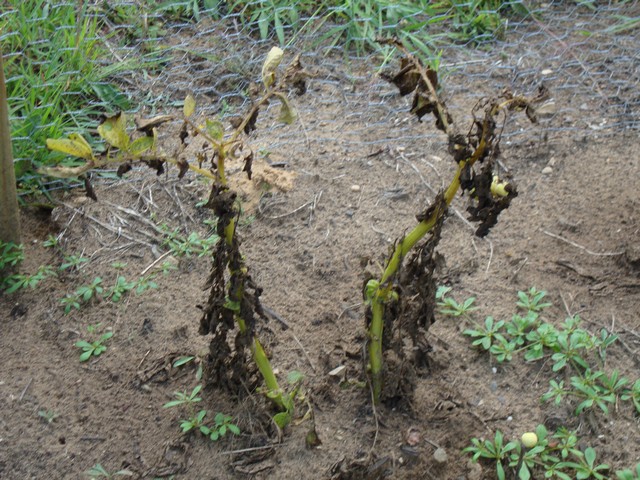
The length of time that potatoes can stay in the ground after the plant has died largely depends on several factors. Once the tops of the potato plants die back, the potatoes themselves can remain in the soil for an additional 2 to 4 weeks before they begin to deteriorate or rot. However, this can vary depending on environmental conditions, soil type, and the specific variety of potatoes.
Factors Influencing Storage Time
The duration that potatoes can remain in the ground after the plant dies is affected by various environmental factors. These include:
- Soil Temperature: Potatoes thrive best in cooler soil conditions; excessive heat can cause them to sprout or rot more quickly.
- Moisture Levels: Overly wet soil can lead to potato rot, while too dry conditions can cause them to shrivel.
- Soil Type: Well-draining soils allow potatoes to stay healthier longer compared to heavy clay soils.
Signs That Potatoes Are Going Bad
As potatoes remain in the ground, it's important to be aware of signs of spoilage. Common indicators include:
- Softness: If potatoes feel soft to the touch, they are losing their firmness and may be decaying.
- Sprouting: If sprouts begin to develop, the potatoes are attempting to grow, which can affect their quality.
- Discoloration: Dark spots or significant change in color can indicate rot or disease.
Impact of Harvest Timing
The timing of harvest plays a crucial role in the quality and the longevity of the potatoes in the ground. Consider these points:
- Optimal Harvest Time: Harvesting just after the plants die back ensures the skins are set, lessening damage.
- Late Harvest Risks: Waiting too long can increase the risk of disease and pest infestations.
- Expected Yield: Knowledge of when to harvest can improve yield as well as reduce waste.
Storage Conditions After Harvesting
Once harvested, how potatoes are stored significantly affects their longevity. Important considerations include:
See also:
- Temperature Control: Ideal storage temperatures range from 45°F to 50°F (7°C to 10°C) to prevent sprouting.
- Darkness: Potatoes should be stored in dark environments to avoid greening and toxicity.
- Ventilation: Good airflow prevents moisture buildup, which can lead to rot or mold.
Potato Varieties and Their Longevity
Different potato varieties exhibit different qualities regarding how long they can be stored post-harvest. Key points include:
- Hardy Varieties: Some varieties, like Russets, are known for their longevity and can stay in ground longer without spoilage.
- Waxy Varieties: Varieties like Red Potatoes may have shorter storage times due to their moisture content.
- Early vs. Late Varieties: Early-harvested potatoes often have a shorter shelf life compared to late-season crops.
How long can potatoes be kept in the ground?
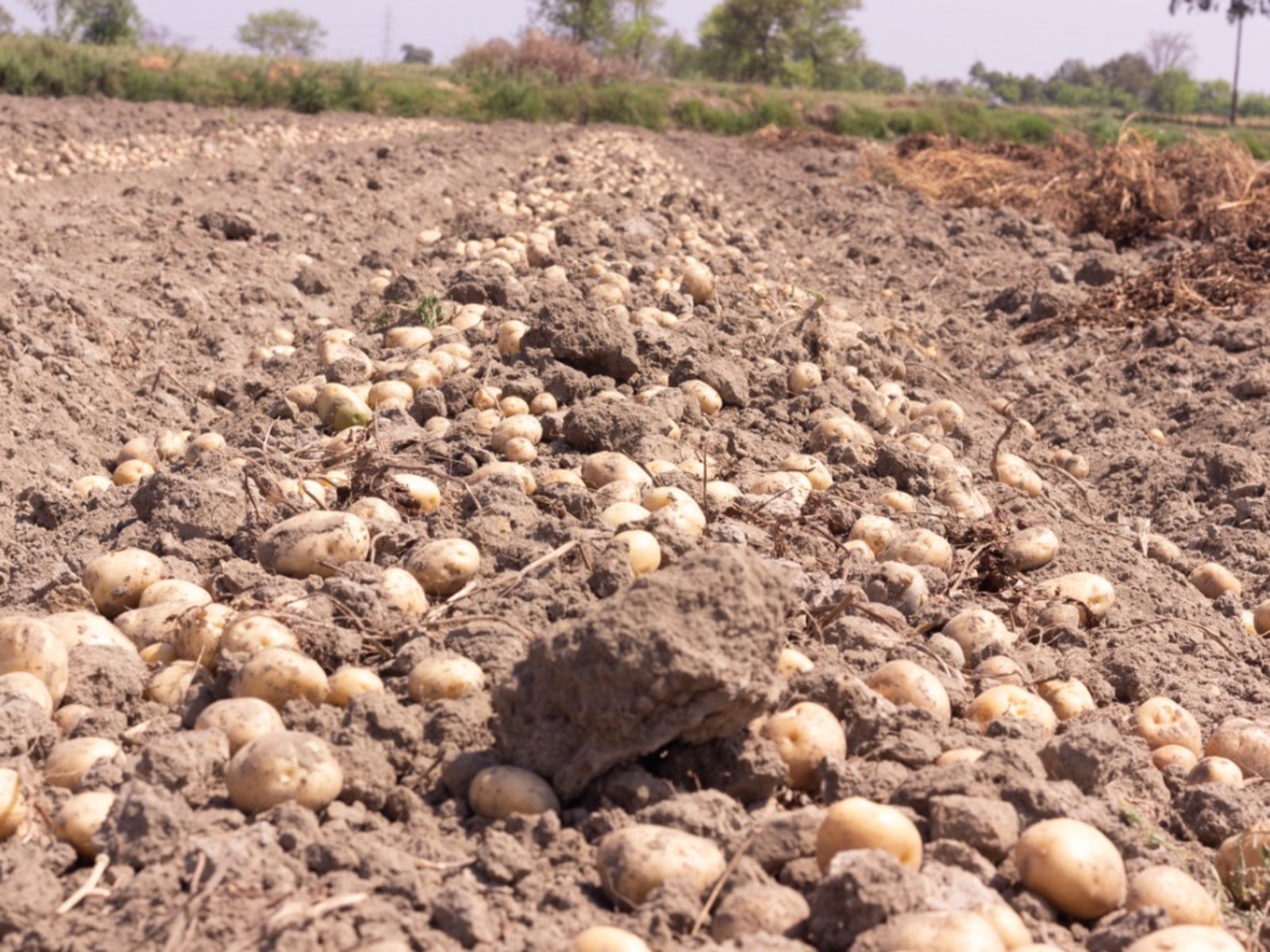
Potatoes can be kept in the ground for varying lengths of time, depending on several factors. Generally, it is recommended to harvest potatoes when they are mature, which typically occurs after about 90 to 120 days of growth. Keeping potatoes in the ground beyond their maturity can lead to several issues such as rot, pest infestations, and reduced quality. However, in areas with favorable conditions, potatoes may survive in the ground for several weeks after maturity, especially when the weather is cool and dry.
Optimal Harvest Time
The optimal time to harvest potatoes is crucial for ensuring their quality and flavor.
- Maturity Indicators: Potatoes are ready to be harvested when the plants have flowered and the foliage begins to die back.
- Timing: This typically occurs between 90 to 120 days post-planting, depending on the variety.
- Effects of Late Harvest: Delaying harvest can cause potatoes to develop skin damage or be more susceptible to diseases.
Storage Conditions
The conditions in which potatoes are grown significantly affect how long they can remain in the soil.
- Soil Type: Well-drained soils facilitate better root development and reduce the risk of rot.
- Weather Conditions: Cool, dry weather is ideal for keeping potatoes in the ground, preventing deterioration.
- Pest Management: Proper management is essential to prevent pests from affecting potatoes left in the ground.
Potential Risks of Extended Ground Time
Keeping potatoes in the ground longer than necessary comes with various risks.
- Rot and Disease: Prolonged exposure can lead to rot or the development of diseases like blight.
- Pests: Increased susceptibility to pests, such as wireworms and aphids, can damage the tubers.
- Quality Degradation: The taste and texture may deteriorate if potatoes are left in the ground too long.
Factors Influencing Ground Duration
Several factors influence how long potatoes can remain in the soil without compromising quality.
- Variety of Potato: Different potato varieties have distinct maturation timelines and resilience.
- Climate: Regions with milder climates may allow for longer ground duration compared to harsher environments.
- Soil Preparation: Properly prepared soil can support healthier potatoes that may withstand longer periods in the ground.
Post-Harvest Handling
Effective handling after harvesting is essential to maximize the shelf life of potatoes.
- Curing: Curing potatoes after harvest helps heal any skin bruises and reduces moisture loss.
- Storage: Store in a cool, dark, and well-ventilated area to prolong freshness.
- Monitoring: Regularly check for signs of spoilage and remove affected potatoes to prevent cross-contamination.
Is it possible to leave potatoes in the ground too long?
Yes, it is possible to leave potatoes in the ground too long. While potatoes can be harvested after they reach maturity, leaving them excessively in the soil can lead to several issues. The optimal time for harvesting potatoes varies depending on the type and growing conditions, but generally, mature potatoes should be harvested before the first frost in fall.
When left in the ground for extended periods, several factors may negatively affect the quality and yield of potatoes:
- Increased risk of rot: Prolonged exposure to moisture can lead to rot and disease, particularly in heavy or poorly-drained soils.
- Pest invasion: Extended time in the ground can attract pests such as wireworms and potato beetles, which damage the tubers.
- Nutrient depletion: Once the plant has matured, it may start to withdraw nutrients from the tubers, leading to diminished quality.
Effects of Leaving Potatoes Underground
Leaving potatoes underground for too long can result in several negative outcomes:
See also:
- Rotting: The likelihood of tuber rot increases significantly, especially in damp soil conditions, making them inedible.
- Pest Attraction: Pests and insects become more attracted to the decaying plant matter, increasing the potential for damage to the potatoes.
- Increased Stress: The plant may experience stress, leading to smaller tuber sizes and fewer potatoes per plant.
Signs of Overripe Potatoes
If you suspect that your potatoes have been left in the ground too long, there are several signs to look for:
- Green Skin: Exposure to light causes chlorophyll to develop, indicating that the potatoes are past their prime.
- Softness: Overripe potatoes may become soft or mushy, suggesting they are starting to rot.
- Sprouting: Potatoes may begin to sprout if left too long, reducing their edibility and quality.
Ideal Harvesting Time for Potatoes
The ideal time to harvest potatoes varies, but there are key indicators to determine when they are ready:
- Flowering: When the potato plants flower, it typically indicates that tubers are forming underground.
- Top Die-back: The tops of the plants will start to yellow and die back when the potatoes are mature.
- Timing: Generally, potatoes are ready to be harvested 2-3 weeks after the tops die back, depending on the variety.
Storage Conditions for Harvested Potatoes
Once harvested, storage conditions play a significant role in maintaining the quality of potatoes:
- Cool, Dark Place: Store potatoes in a cool, dark, and well-ventilated area to prevent greening and rotting.
- Humidity Control: Maintain humidity levels to avoid shriveling or excessive moisture leading to rot.
- Regular Inspection: Frequently check the stored potatoes for signs of spoilage and remove any affected tubers promptly.
Best Practices for Growing Potatoes
To ensure a successful potato crop, following best practices is essential:
- Proper Spacing: Adequate spacing allows for efficient growth and reduces disease transmission.
- Regular Watering: Consistent watering helps prevent stress and ensures optimal tuber development.
- Mulching: Applying mulch helps retain moisture and suppress weeds, leading to healthier plants.
What happens to potatoes if you don't dig them up?
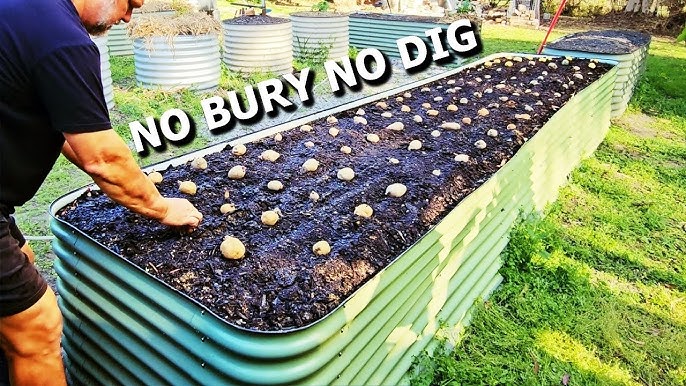
If potatoes are not dug up after they have matured, several significant changes and consequences occur. Firstly, the tubers continue to grow and may become excessively large, leading to a decline in quality. As they remain in the ground, they are also exposed to various environmental factors and pests, which can affect their condition and edibility. Here's a detailed look at what happens to potatoes if they are not harvested.
Continued Growth of Potatoes
When left in the ground, potatoes will continue to grow, often leading to larger but potentially lower-quality tubers. This continued growth can create several issues:
- Size Over Quality: While larger potatoes might sound appealing, they can often become starchy and less flavorful.
- Depletion of Nutrients: The longer the potatoes stay in the soil, the more nutrients they consume, leading to diminished taste and texture.
- More Wasted Energy: The plant may use up its energy reserves without producing a corresponding benefit, leading to wasted resources.
Risk of Disease and Pests
Not harvesting potatoes leaves them vulnerable to various pests and diseases, which can significantly affect their quality. The risks include:
- Rodent and Insect Damage: Animals may dig them up or infest them, leading to rot or spoilage.
- Disease Spread: Fungal infections and bacteria can proliferate in the soil, causing tubers to rot or develop blights.
- Soil Quality Impact: Unharvested potatoes can lead to a buildup of pests in the soil, affecting future crops.
Alteration of Soil Conditions
The presence of unharvested potatoes can change soil conditions in multiple ways. These include:
- Reduced Soil Aeration: As potatoes decay, they can compact the soil, reducing air pockets necessary for healthy plant growth.
- Nutrient Imbalance: The nutrients that potatoes extract from the soil may not be replenished, resulting in poor soil quality for future plants.
- Increased Soil Acidity: Decomposing organic matter can affect soil pH, potentially harming subsequent plantings.
Impacts on Future Plantings
Leaving potatoes in the ground can negatively influence future gardening efforts. This can happen through:
- Decreased Yield: The residual effects of leftover potatoes can lead to lower yields for subsequent crops.
- Increased Competition: New plants may struggle against the remnants of the old crop, which can inhibit growth.
- Crop Rotation Challenges: The presence of unharvested potatoes complicates the practice of crop rotation and can lead to diseases persisting in the soil.
Potential for New Growth
In some cases, not digging up potatoes can lead to new growth. While this might seem beneficial, it can also cause complications:
- Volunteer Potatoes: Leftover tubers may sprout in the following season, which can be hard to manage.
- Pest Breeding Ground: New growth can provide habitats for pests, increasing their populations.
- Uncontrolled Spread: If they spread or grow uncontrollably, they can dominate garden space intended for other crops.
Questions from Our Readers
Can you leave potatoes in the ground after the plant dies?
Yes, you can leave potatoes in the ground after the plant dies, but it's important to consider the risk of pests and disease. The tubers may continue to grow and can be harvested later, but leaving them too long can lead to spoilage or attract hungry animals.
How long can potatoes stay in the ground after the plant has died?
Generally, potatoes can stay in the ground for a few weeks after the foliage has died, but it’s best to harvest them before the frost sets in, as this can damage the tubers. Ideally, you should aim to harvest them within 2-3 weeks after the plant has turned brown.
See also:
What happens to potatoes left in the ground for too long?
When potatoes are left in the ground for too long, they can rot, become infested by pests, or even sprout. Additionally, exposure to moisture and cold temperatures can lead to negative effects on the quality and edibility of the potatoes.
Is it better to leave potatoes in the ground or store them after harvesting?
Storing harvested potatoes in a cool, dark, and dry place is generally the best option for preserving their quality. While leaving them in the ground is possible, proper storage conditions can extend their shelf life significantly and reduce the risk of spoilage.

If you want to read more articles like Can You Leave Potatoes in the Ground After the Plant Dies? Tips and Best Practices for Potato Storage, we recommend you check out our Potatoes category.
Leave a Reply
Related Articles