Can You Eat Freshly Dug Potatoes? Exploring Safety and Best Practices

When it comes to gardening, few pleasures match the excitement of harvesting freshly dug potatoes. However, many people wonder if these earthy delights are safe to eat right after they've been pulled from the ground. In this article, we will explore the safety of consuming freshly harvested potatoes and provide best practices for handling and preparing them. Understanding the potential risks, along with proper storage and cooking methods, can ensure that you enjoy your homegrown bounty without any health concerns. Join us as we delve into the world of freshly dug potatoes and discover how to enjoy them safely.
Can You Eat Freshly Dug Potatoes?
Yes, you can eat freshly dug potatoes, but there are some important considerations to keep in mind. Newly harvested potatoes are often referred to as new potatoes and have a delicate skin that can be easily damaged. When you dig them up, it's best to handle them gently to avoid bruising. Fresh potatoes can have a slightly earthy flavor and a firmer texture compared to those that have been stored for a while. However, it's essential to note that freshly dug potatoes often contain a higher moisture content, which can affect their cooking properties. For optimal taste and texture, it’s generally recommended to let them dry for a few hours before cooking or consuming.
How to Prepare Freshly Dug Potatoes
To prepare freshly dug potatoes, first, you should gently rinse them under running water to remove any dirt or soil. It's important to avoid scrubbing too hard, as this can damage their thin skin. After rinsing, pat them dry with a clean towel. Depending on your intended use, you can leave the skin on for recipes that require roasting or boiling, as the skin adds flavor and nutrients. If you plan to mash them, peeling may be more suitable for a smoother texture. Cooking methods like boiling, steaming, or roasting can enhance their flavor while maintaining their nutritional value.
Are Freshly Dug Potatoes Safe to Eat?
Freshly dug potatoes are safe to eat as long as they are stored properly and show no signs of spoilage. After harvesting, it is crucial to check for any signs of rot, mold, or unusual soft spots. If the potatoes appear healthy and have no green areas (which can indicate the presence of solanine, a toxic compound), they should be perfectly safe for consumption. However, consuming too many raw potatoes is not recommended, as they may be difficult to digest and can lead to stomach discomfort. Always ensure that potatoes are cooked before eating for the best possible taste and safety.
The Difference Between Fresh and Store-Bought Potatoes
The primary difference between freshly dug potatoes and those bought from a store lies in their freshness and taste. Fresh potatoes have a sweeter and earthier flavor profile, while store-bought varieties may have been stored for weeks or months, leading to a starchier texture. In terms of nutritional value, freshly dug potatoes often have higher moisture and nutrient content, making them a healthier choice. Store-bought potatoes may also contain preservatives that can alter their flavor and texture. When seasoning, freshly dug potatoes can require less due to their natural flavor.
Storage Tips for Freshly Dug Potatoes
To extend the shelf life of freshly dug potatoes, it is important to store them in a cool, dark, and well-ventilated area. Ideal storage conditions help prevent sprouting and rot. Avoid exposure to sunlight, as this can cause greening and increase solanine levels. Storing them in a breathable bag, like a paper or burlap sack, can help maintain airflow and prevent moisture buildup. Freshly dug potatoes can last for several weeks under these conditions, but it is always best to consume them sooner for optimal flavor and texture.
Nutritional Benefits of Freshly Dug Potatoes
Freshly dug potatoes offer numerous nutritional benefits, making them an excellent addition to a balanced diet. They are rich in vitamins, particularly Vitamin C and certain B vitamins, which are essential for immune function and energy metabolism. Additionally, they are a good source of dietary fiber, which aids digestion and helps you feel full longer. The potassium content in potatoes supports heart health and helps regulate blood pressure. By consuming freshly harvested potatoes, you can enjoy these benefits without the nutritional loss that may occur during prolonged storage.
| Aspect | Freshly Dug Potatoes | Store-Bought Potatoes |
|---|---|---|
| Flavor | Earthy and Sweet | Starchy |
| Texture | Firm and Moist | Varies; often drier |
| Nutritional Value | Higher moisture and nutrients | May contain preservatives |
| Storage Longevity | Several weeks if stored properly | Varies; sometimes longer |
| Preparation | Barely needs peeling | Often peeled for certain recipes |
Are freshly dug potatoes safe to eat?

Freshly dug potatoes can be safe to eat, but there are several factors to consider before consuming them. Potatoes just harvested from the ground may still have soil residues, and they can also be more susceptible to bruising and damage that may allow harmful bacteria to enter the flesh. Proper handling and preparation are essential to ensure they are safe for consumption.
Additionally, it is important to check for any signs of spoilage or rot before using freshly dug potatoes. As with any food product, practicing safe food handling techniques is vital.
Storage of Freshly Dug Potatoes
Store freshly dug potatoes in a cool, dark, and dry place to maintain their quality. Here are some key points regarding storage:
- Temperature: Ideal storage temperature is around 45-50°F (7-10°C).
- Humidity: Maintain a humidity level of around 85-90% to prevent them from drying out.
- Avoid Light: Exposure to sunlight can cause potatoes to turn green and produce harmful solanine.
Washing Freshly Dug Potatoes
Before consuming freshly dug potatoes, it's essential to clean them properly. Here are some tips for washing:
- Rinse Under Cold Water: Gently rinse to remove soil and debris.
- Use a Brush: A vegetable brush can help to scrub away stubborn dirt.
- Do Not Soak: Avoid soaking them in water, as this can cause potatoes to absorb moisture and spoil faster.
Checking for Spoilage
Before cooking or eating freshly dug potatoes, inspect them for any signs of spoilage:
See also:
- Soft Spots: Check for any areas that feel mushy or soft.
- Discoloration: Look for unusual dark or green patches.
- Mold or Odor: Any signs of mold or unpleasant smells indicate spoilage.
Cooking Freshly Dug Potatoes
Cooking freshly dug potatoes correctly is crucial to ensure safety and enhance flavor:
- Cook Thoroughly: Ensure potatoes are cooked until soft in the center.
- Peel if Necessary: Removing the skin can help eliminate any harmful residues.
- Avoid Raw Consumption: It is safer to eat cooked potatoes rather than raw.
Health Benefits of Freshly Dug Potatoes
Freshly harvested potatoes also offer several health benefits:
- Rich in Nutrients: Potatoes are a good source of vitamins C and B6, potassium, and dietary fiber.
- Low in Calories: They provide energy with relatively low calories when prepared without excessive fats.
- Boosts Satiety: Their fiber content contributes to a feeling of fullness, helping with weight management.
Can you eat potatoes as soon as you dig them out of the ground?
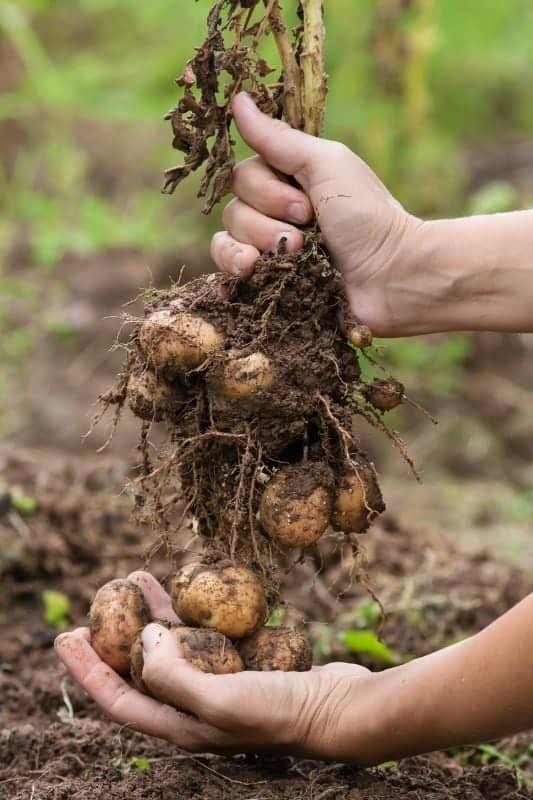
Yes, you can eat potatoes as soon as you dig them out of the ground, but there are several important factors to consider. Freshly harvested potatoes are known as new potatoes, and they are typically very tasty and tender. However, it's recommended to take certain precautions before consuming them to ensure safety and taste.
Understanding New Potatoes
New potatoes are freshly harvested potatoes that have not yet dried out or matured. Eating them immediately after harvest is possible, but it's crucial to recognize that they may not have developed their full flavor and texture. Characteristics of new potatoes include:
- Skin: Their skin is usually thin and may not have the hardened outer layer of mature potatoes.
- Texture: The flesh is typically waxy and moist, offering a different bite compared to older potatoes.
- Flavor: New potatoes may have a sweeter and earthier flavor, making them delightful for certain dishes.
Cleaning and Preparing Freshly Dug Potatoes
Before consuming newly harvested potatoes, it is essential to clean them properly. This will help remove dirt and prevent any potential contaminants. Key steps in the cleaning process include:
- Rinsing: Gently rinse the potatoes under cool running water to remove soil.
- Scrubbing: Use a vegetable brush to scrub the skin thoroughly, ensuring no dirt remains.
- Drying: Pat them dry with a clean cloth or paper towel before cooking.
Possible Health Risks of Eating Raw Potatoes
While it is indeed possible to eat freshly harvested potatoes, consuming them raw poses health risks. Raw potatoes can harbor compounds and toxins that may cause discomfort or illness. Consider the following points:
- Solanine: This is a naturally occurring toxin found in potatoes, particularly in green or sprouted areas, which can be harmful when ingested.
- Digestibility: Raw potatoes are harder to digest, and consuming them may lead to gas and bloating.
- Allergens: Some individuals may have allergic reactions to raw potatoes, experiencing symptoms like itching or swelling.
Cooking Fresh Potatoes for Safety and Flavor
To enjoy the best taste and ensure safety, cooking freshly dug potatoes is recommended. Cooking methods will enhance flavor while eliminating potential toxins. Here are some popular cooking techniques:
- Boiling: Boil diced potatoes until tender for a versatile base for salads or side dishes.
- Roasting: Toss with oil and seasonings, then roast for a crispy texture and rich flavor.
- Steaming: Steam to retain moisture and nutrients, ideal for side dishes alongside vegetables.
Storing New Potatoes After Harvest
If you're not consuming new potatoes immediately, proper storage is crucial to maintain their freshness. Follow these storage guidelines:
- Cool, Dark Place: Store potatoes in a cool and dark area to prevent sprouting and maintain flavor.
- Burlap Sack: Use a breathable container, such as a burlap sack, to allow air circulation.
- Humidity Control: Keep humidity levels balanced to prevent rot while maintaining freshness.
Do you have to let potatoes cure before eating?

The process of curing potatoes is significant for enhancing their storage life and flavor. It is generally recommended to allow potatoes to cure before consuming them, especially if you have freshly harvested them. Curing involves placing newly dug potatoes in a place with controlled temperature and humidity to allow their skins to toughen and heal any minor injuries. This process can help prevent rot and extend the shelf-life of the potatoes. However, if potatoes are store-bought and already well-cured, they can be consumed immediately.
What is Potato Curing?
Curing is a preservation method that involves storing freshly harvested potatoes under specific conditions. This process typically involves:
- Temperature Control: Potatoes should be kept in a warm environment (around 60-70°F or 15-21°C) for curing.
- Humidity Levels: Maintaining humidity around 85-90% helps to keep the potatoes from drying out.
- Time Duration: Potatoes usually need to cure for about 1 to 2 weeks.
Benefits of Curing Potatoes
Curing offers several advantages, especially for home gardeners who grow their own potatoes. The benefits include:
See also:
- Improved Shelf-Life: Cured potatoes can be stored longer without spoiling.
- Enhanced Flavor: The curing process can improve the taste and texture of the potatoes.
- Reduced Susceptibility to Disease: Healing any cuts in the skin reduces the risk of diseases during storage.
How to Cure Potatoes
Curing potatoes can be done easily at home by following these steps:
- Harvest Carefully: Avoid bruising the potatoes during harvest.
- Choose the Right Location: Use a dark, well-ventilated area to store the potatoes.
- Monitor Conditions: Regularly check the temperature and humidity to ensure optimal curing conditions.
When Not to Cure Potatoes
There are instances where curing may not be necessary. Such situations include:
- Store-Bought Potatoes: These are often already cured and ready to eat.
- Immediate Use: If you need potatoes for a dish right after harvesting, you can skip curing.
- Inadequate Conditions: If you cannot provide the right environment, it might be better not to attempt curing.
Signs of Well-Cured Potatoes
After curing, well-cured potatoes exhibit specific characteristics, such as:
- Thicker Skin: The skins should feel tougher and less susceptible to damage.
- No Moisture: The surface should be dry, indicating that excess moisture has evaporated.
- No Bruises or Cuts: Any minor injuries should show signs of healing or be minimal.
When should you not eat potatoes from the garden?
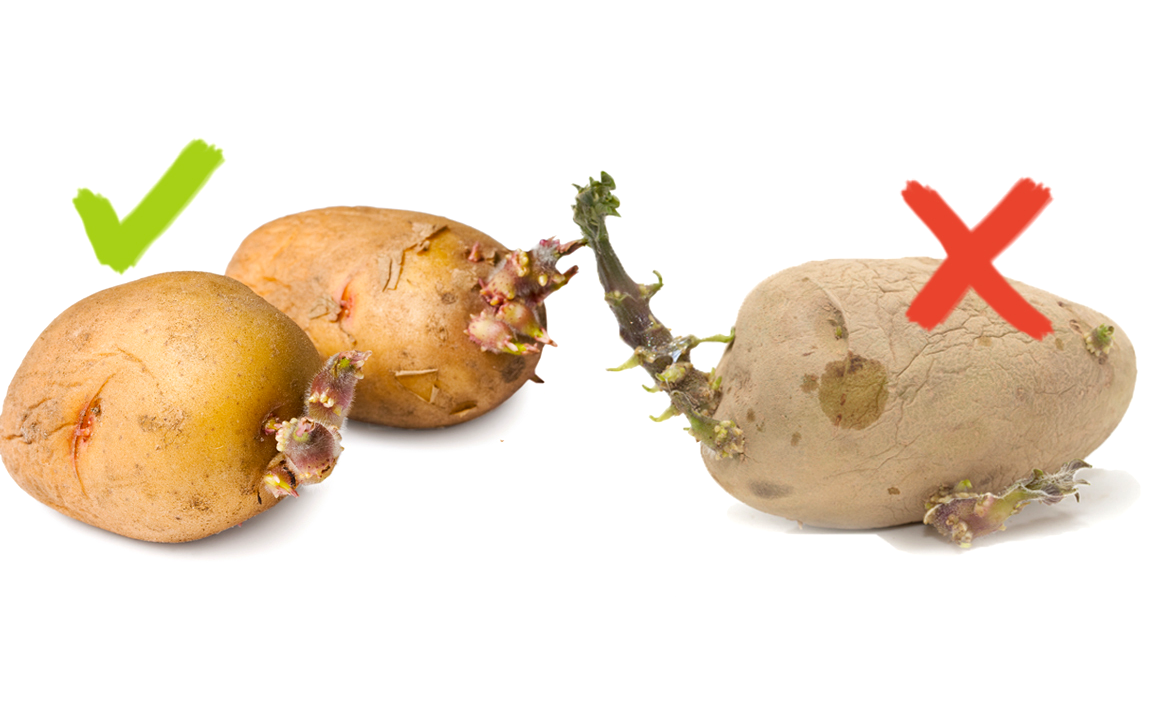
When considering when you should not eat potatoes from the garden, there are several factors that come into play. While homegrown potatoes can be delicious and satisfying, certain conditions can render them inedible or even harmful. Here are some guidelines:
Signs of Disease in Potatoes
It is crucial to inspect your potatoes for any signs of disease before consumption. Diseases such as potato blight or scab can affect the quality and safety of the tubers. Look for these symptoms:
- Dark spots or lesions on the skin.
- Soft or mushy areas that indicate rot.
- Unusual growths or deformities that suggest infection.
Green Skin on Potatoes
When potatoes develop a green color, this indicates the presence of solanine, a natural toxin produced when potatoes are exposed to light. Eating green potatoes can lead to nausea and other symptoms. It is essential to:
- Check all tubers for green patches.
- Peel away any green areas before cooking.
- Discard potatoes that are entirely green.
Sprouted Potatoes
Sprouting is another condition that may indicate potatoes are unfit for consumption. When potatoes sprout, they begin to produce solanine as well. To handle sprouted potatoes safely, follow these steps:
- Remove any sprouts and eyes before cooking.
- Assess the firmness of the potato; if it’s soft, discard it.
- Consider using sprouted potatoes only in small amounts, if at all.
Improper Storage Conditions
Potatoes require specific storage conditions to maintain their quality. When improperly stored, they can spoil quickly. Key points include:
- Store in a cool, dark, and well-ventilated area.
- Avoid exposure to moisture, which can lead to rot.
- Do not store with onions or other vegetables that release ethylene gas.
Harvest Timing
The timing of your potato harvest is critical. Immature potatoes (those harvested too early) can have lower carbohydrate content and undesirable textures. To determine the right harvest time:
- Look for yellowing and dying foliage.
- Wait until the plants have completely died back before harvesting.
- Research the specific variety of potatoes to identify the optimal maturity time.
Questions from Our Readers
Can you eat freshly dug potatoes?
Yes, you can eat freshly dug potatoes, but it is recommended to let them cure for a short period to improve their flavor and texture. Freshly harvested potatoes may have a higher moisture content, which can affect their cooking properties.
Are freshly dug potatoes safe to eat?
Yes, freshly dug potatoes are generally safe to eat, provided they have been handled properly and are free from any dirt or pests. Always wash them thoroughly before consumption to remove any potential contaminants.
How should you store freshly dug potatoes?
Freshly dug potatoes should be stored in a cool, dark, and well-ventilated place to prevent them from sprouting or rotting. Avoid exposing them to direct sunlight or excessive moisture, as these conditions can lead to spoilage.
See also:
Can you cook freshly dug potatoes immediately?
Yes, you can cook freshly dug potatoes immediately, but for the best results, it's advisable to allow them to rest for a few days. This resting period helps to enhance their flavor and allows the skins to set, making them easier to peel if necessary.

If you want to read more articles like Can You Eat Freshly Dug Potatoes? Exploring Safety and Best Practices, we recommend you check out our Potatoes category.
Leave a Reply
Related Articles