How Long Do Potatoes Take to Grow? A Comprehensive Guide to Potato Growth Timelines

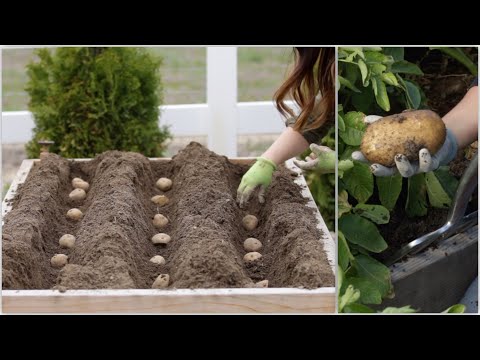
Growing potatoes can be a rewarding venture for both novice gardeners and seasoned farmers. Understanding the timeline of potato growth is essential for successful cultivation, as it helps determine when to plant, care for, and harvest your crop. In this comprehensive guide, we will explore the various phases of potato growth, from sprouting to harvest-ready tubers. Whether you are growing early, mid-season, or late varieties, knowing the specific timeframes and conditions for each stage will ensure a bountiful yield. Join us as we delve into the fascinating journey of potato development and discover how to optimize your gardening efforts.
How Long Do Potatoes Take to Grow?
Potatoes typically take about 70 to 120 days to grow from planting to harvest, depending on the variety and the conditions in which they are cultivated. Early varieties may mature in as little as 70 days, while later varieties can take up to 120 days. The growth process is influenced by several factors including climate, soil type, and care practices. Consistent watering and optimum growing temperatures can enhance the rate of growth and yield. Understanding these timeframes is crucial for gardeners and farmers to plan their planting and harvesting schedules effectively.
Factors Influencing Growth Time
The growth time of potatoes can be significantly influenced by variety, climate conditions, and soil health. Different potato varieties have distinct growth cycles; for instance, new potatoes are usually ready to harvest sooner as they need less time to reach maturity compared to storage potatoes. Warm temperatures and adequate water can create more favorable conditions for rapid growth, while poor soil conditions and inadequate care can slow the process down. Therefore, it is important for growers to consider these factors when planting.
Ideal Growing Conditions
Potatoes thrive in well-drained, fertile soil with a pH level between 5.8 and 6.5. They prefer temperatures of 60°F to 70°F during the day and cooler nights to promote optimal growth. Adequate sunlight is also essential, as potatoes need at least 6 hours of full sunlight daily. Additionally, proper watering techniques and crop rotation can help maintain soil health and optimize growing conditions, thereby reducing the overall time until harvest.
Stages of Potato Growth
The life cycle of a potato includes several distinct stages: germination, vegetative growth, and tuber formation. After planting, the seeds typically take about 2-4 weeks to germinate, showing the first green shoots. Following germination, the plant enters the vegetative growth stage, where it focuses on developing leaves and stems, which takes roughly 4-6 weeks. The final stage involves the formation of tubers, which can take an additional 4-6 weeks, depending on the potato variety and environmental conditions.
Early vs. Late Varieties
Potatoes can be categorized into early, mid-season, and late varieties, which are determined by their maturity time. Early varieties such as New Potatoes usually reach maturity in 60-90 days and are harvested when small and tender. Mid-season varieties typically take 90-110 days, while late varieties like Russet Burbank often require 110-120 days to fully mature. Choosing the appropriate variety based on the intended harvest time can greatly influence the overall success of potato cultivation.
See also:
Harvesting Potatoes
Timing is crucial when it comes to harvesting potatoes. It is recommended to harvest new potatoes when the plant flowers, typically around 60 days after planting. For mature potatoes, growers should wait until the leaves start to yellow and die back, signaling that the tubers beneath the soil are ready. Harvesting too early can lead to small, underdeveloped potatoes, while waiting too long may result in damaged tubers. Using the right techniques to gently dig up the potatoes can greatly reduce spoilage and maximize quality.
| Variety Type | Maturation Time |
|---|---|
| Early Varieties | 60-90 days |
| Mid-Season Varieties | 90-110 days |
| Late Varieties | 110-120 days |
What is the latest month to plant potatoes?

To determine the latest month to plant potatoes, it's essential to consider the specific climate and geographical location, as these factors can significantly influence the growing season. Generally, the best time for planting potatoes is in the spring, when the soil temperature reaches around 45°F (7°C). In many regions, this would typically be between March and May. However, the latest month for planting can extend into early summer, especially in warmer areas. For example, you can still plant potatoes in June in some regions, but the yield may be lower, and the growing season will be shorter.
Understanding Potato Growing Conditions
Growing potatoes requires specific conditions to thrive. Potatoes prefer well-drained, loamy soil that is rich in organic material. The ideal soil temperature ranges between 45°F and 70°F (7°C to 21°C). Here are some key factors for successful potato growth:
- Soil Preparation: Ensure the soil is loose and free of rocks.
- Sunlight: Potatoes require full sun, ideally receiving at least 6-8 hours of direct light daily.
- Watering: Consistent moisture is critical, but avoid waterlogging.
Regional Differences in Planting Times
Planting times can vary significantly across different regions due to climatic conditions. In cooler areas, planting may be restricted to late April or early May, while in southern climates, you could plant as early as mid-March or into June. Consider the following regional insights:
- Temperate Regions: Late April is typically the latest planting time.
- Subtropical Regions: You may plant potatoes up until early June.
- Arctic Regions: Late June is often the cutoff due to short growing seasons.
The Impact of Late Planting on Yield
Planting potatoes late in the season can lead to several issues that may affect the overall yield. While it is possible to plant later than the ideal times, the following factors should be considered:
See also:
- Shorter Growing Season: Late-planted potatoes have less time to mature.
- Lower Yields: Tuber development may be insufficient due to reduced growing time.
- Pest & Disease Pressure: Late plantings can coincide with peak pest seasons, increasing risks.
Choosing the Right Potato Varieties
When planting potatoes later in the season, choosing the right varieties can significantly impact your success. Some potato types have shorter maturation times and can adapt better to late planting:
- Early Varieties: Varieties such as 'New Potatoes' can mature quickly; ideal for late planting.
- Fast-Maturing Types: Varieties like 'Red Bliss' can often be harvested in as little as 60 days.
- Adaptability: Some heirloom varieties may perform well even with limited growing time.
Best Practices for Late Planting
If you decide to plant potatoes later in the season, following certain best practices can help mitigate the potential downsides. Here are some strategies to enhance your success:
- Soil Testing: Ensure optimal pH and nutrient levels to maximize yield.
- Mulching: Use organic mulch to retain soil moisture and regulate temperature.
- Watch Weather Patterns: Monitor for unexpected frost or heat that could impact growth.
Questions from Our Readers
How long do potatoes take to grow?
Potatoes typically take about 70 to 120 days to grow from planting to harvest, depending on the variety and growing conditions. Generally, early varieties mature faster, while late varieties require more time.
What factors affect potato growth time?
Several factors can influence the growth time of potatoes, including variety, soil temperatures, moisture, and fertility. Warmer soil and adequate moisture can help speed up the growth process.
Can I speed up potato growth?
To potentially speed up potato growth, you can ensure that they have optimal growing conditions, such as the right nutrients, consistent watering, and protection from pests. Additionally, starting the potatoes indoors before transplanting can also help.
When should I harvest my potatoes?
Potatoes are usually ready for harvest when the plants start to yellow and die back, which indicates that the tubers have matured. This typically occurs two to three weeks after flowering, and careful monitoring will ensure the best yield.
See also:
If you want to read more articles like How Long Do Potatoes Take to Grow? A Comprehensive Guide to Potato Growth Timelines, we recommend you check out our Potatoes category.
Leave a Reply
Related Articles