Will a Bowl of Vinegar Keep Mosquitoes Away? Discover the Truth and Effective Tips
As summer approaches, the buzz of mosquitoes can quickly turn an outdoor gathering into a hassle. Many people have turned to home remedies, including the widespread belief that a bowl of vinegar can deter these pesky insects. But does this kitchen staple truly have the power to keep mosquitoes at bay? In this article, we will explore the effectiveness of vinegar as a mosquito repellent and provide additional tips to help you enjoy your time outside without the nuisance of bites. Discover the truth about vinegar and learn how to create a mosquito-free environment this season.
Can a Bowl of Vinegar Keep Mosquitoes Away?
While using a bowl of vinegar may seem like an easy and natural solution to deter mosquitoes, the effectiveness of this approach can vary. Vinegar, especially when strong such as apple cider vinegar, has a scent that some people report helps in repelling insects, including mosquitoes. However, there is no substantial scientific evidence to firmly support the idea that a bowl of vinegar will create an effective barrier against these pests. Instead, it might only act as a slight deterrent but not completely eliminate mosquito presence in a given area.
How Does Vinegar Repel Mosquitoes?
Vinegar is believed to repel mosquitoes due to its strong smell, which can mask the scents that attract them, such as sweat and body heat. The idea is that the potent aroma of vinegar confuses or deters these insects, making them less likely to approach. Nevertheless, while some individuals may notice a decrease in mosquito activity, this effect is largely anecdotal and not consistently backed by scientific research.
Types of Vinegar Effective Against Mosquitoes
Among the various types of vinegar, apple cider vinegar is often recommended more than white vinegar due to its stronger scent and higher acidity which some believe makes it more effective at repelling mosquitoes. Other types, like balsamic vinegar, are typically not suggested as their fragrances may not be as potent in deterring these pests. Ultimately, the choice of vinegar may play a role in how well it could potentially serve as a mosquito repellent.
Additional Uses of Vinegar in Pest Control
While vinegar may have some potential in repelling mosquitoes, it is more widely recognized for its effectiveness in controlling other pests such as ants and fruit flies. In pest management, vinegar can serve as a cleaning agent that removes food residues thereby disrupting the attraction factor for various insects. Its use in combination with other natural deterrents can enhance its overall effectiveness in pest control, but mosquitoes are not its primary focus.
Comparison with Other Natural Mosquito Repellents
When comparing vinegar to other natural mosquito repellents, such as lemon eucalyptus oil or citronella candles, vinegar may not hold up as effectively. Essential oils derived from plants are often more potent in repelling mosquitoes and tend to have products specifically formulated for this purpose. Thus, while vinegar can play a role, it is generally advisable to look at more robust alternatives when seeking to keep mosquitoes at bay.
How to Use a Bowl of Vinegar for Mosquitoes?
If one decides to try using a bowl of vinegar against mosquitoes, it’s best to position it in areas where mosquitoes are commonly seen, like near standing water or shaded spots. Fill a bowl with either apple cider vinegar or white vinegar and leave it uncovered. You might monitor the bowl for any reduction in mosquito sightings, but be prepared for varying results as environmental factors influence pest behavior significantly.
| Type of Vinegar | Effectiveness |
|---|---|
| Apple Cider Vinegar | Moderate, potent aroma |
| White Vinegar | Moderate, less aromatic |
| Balsamic Vinegar | Low, not recommended |
How much vinegar do I need to keep mosquitoes away?
To keep mosquitoes away using vinegar, the effective amount can vary based on the method of application and personal preference. Generally, using a solution of vinegar mixed with water in a 1:1 ratio is recommended. For instance, you can use one cup of vinegar mixed with one cup of water to create a spray solution. Additionally, applying undiluted vinegar directly to exposed skin can also help repel mosquitoes, but caution is advised due to potential skin irritation.
How Does Vinegar Repel Mosquitoes?
Vinegar repels mosquitoes through its strong odors and acidity, which disorients them. Both apple cider vinegar and white vinegar can be effective, as mosquitoes are naturally averse to strong scents. Key points to consider are:
- The acidity of vinegar disrupts their sensory receptors.
- Using vinegar may create a barrier that masks human scent, making it harder for mosquitoes to locate hosts.
- The specific type of vinegar may yield different levels of effectiveness; for example, apple cider vinegar is often noted to have a stronger repelling effect.
Best Types of Vinegar to Use
Different types of vinegar can have varying effects when used for repelling mosquitoes. The most common types are:
See also:
- Apple Cider Vinegar: Known for its strong scent, which is effective in keeping mosquitoes at bay.
- White Vinegar: Another option that can be used both for personal application and as a yard treatment.
- Balsamic Vinegar: While less commonly used for repelling, its strong aroma might work effectively in some cases.
How to Create a Mosquito Repellent Spray with Vinegar
Creating a mosquito repellent spray using vinegar is simple and requires minimal ingredients. To make your own, consider following these steps:
- Combine equal parts of vinegar and water in a spray bottle.
- Add optional ingredients such as essential oils (e.g., eucalyptus, citronella) for enhanced effectiveness.
- Shake well before each use and spray on exposed skin and around your living area.
Alternative Uses of Vinegar in Mosquito Control
Besides being used directly on the body, vinegar has additional applications in mosquito control:
- Including vinegar in your home cleaning routine can help eliminate mosquito breeding grounds.
- Using vinegar traps, where a mixture of vinegar and dish soap attracts and traps mosquitoes, can be effective.
- Planting vinegar-soaked cotton balls around your garden can deter mosquitoes naturally.
Precautions When Using Vinegar
While vinegar is a natural repellent, there are precautions to keep in mind:
- Conduct a patch test when applying vinegar directly to the skin to avoid irritation.
- Avoid applying near the eyes or sensitive skin areas.
- Use vinegar in well-ventilated spaces, especially if using in higher concentrations.
What is the most effective homemade mosquito repellent?
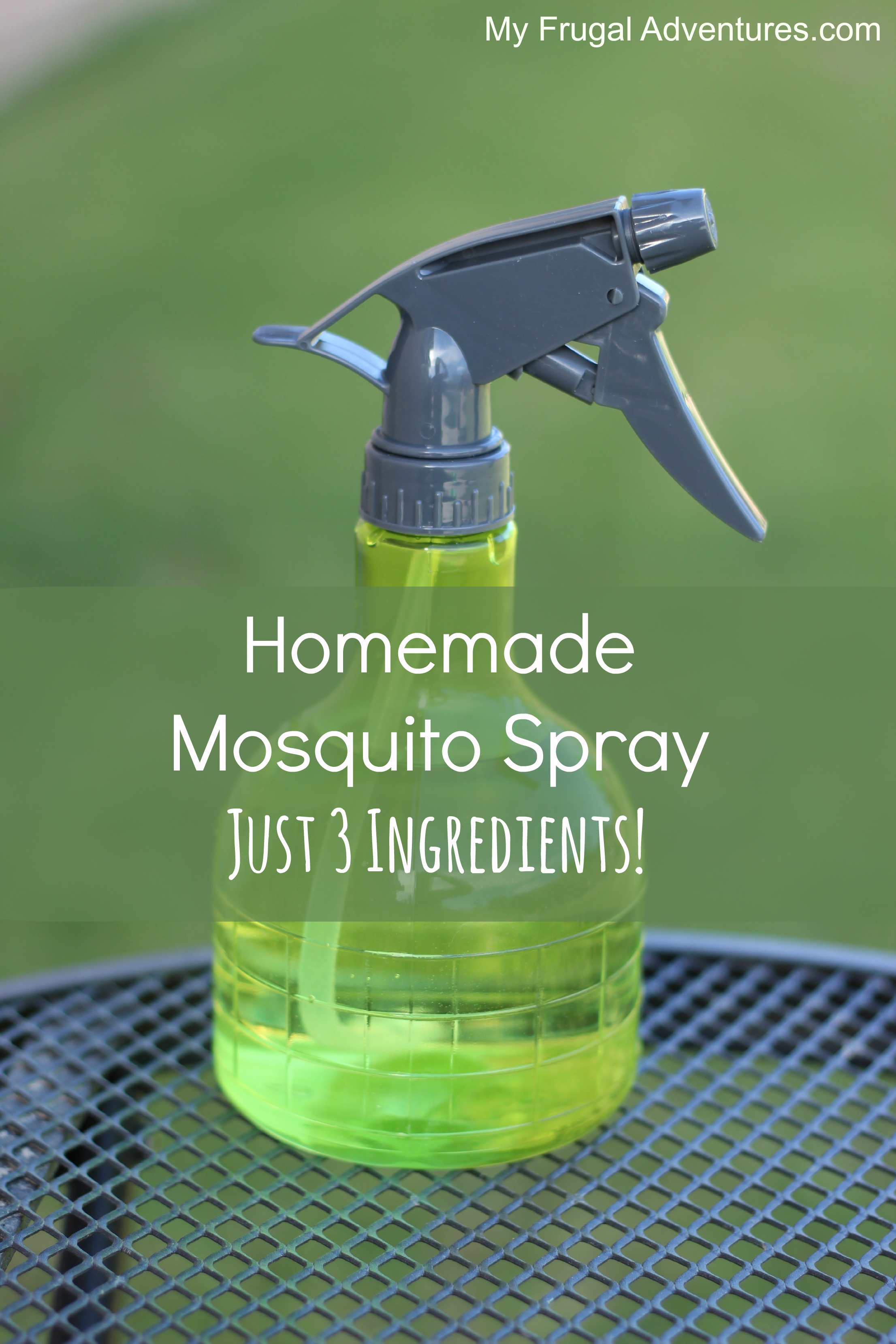
There are several effective homemade mosquito repellents that can be made using natural ingredients. One of the most popular recipes includes essential oils known for their mosquito-repelling properties. The combination of witch hazel, vinegar, and essential oils can create a potent mix that keeps those pesky insects at bay.
Here is a simple recipe for an effective homemade mosquito repellent:
1. Ingredients:
- 10 drops of citronella oil
- 10 drops of eucalyptus oil
- 10 drops of lavender oil
- 1 cup of witch hazel
- 1 cup of water
2. Instructions:
- Mix all the ingredients in a spray bottle.
- Shake well before each use.
- Apply generously to exposed skin and clothing.
Why Essential Oils Work
Essential oils contain compounds that are naturally repellent to mosquitoes. The scents of oils like citronella, eucalyptus, and lavender interfere with the insects' ability to locate their prey.
- Citronella masks scents that attract mosquitoes.
- Eucalyptus contains compounds known to deter biting insects.
- Lavender is not only fragrant but also has insect-repelling properties.
Benefits of Using Homemade Repellents
Homemade mosquito repellents can be safer and more environmentally friendly than commercial products. They avoid the use of synthetic chemicals and are easier on the skin.
- Natural ingredients reduce the risk of skin irritation.
- Cost-effective as they use easily available household items.
- Customization to suit personal preferences with different essential oil combinations.
Tips for Application
To ensure maximum effectiveness of your homemade mosquito repellent, proper application is essential. Here are some tips to follow:
See also:
- Apply generously to all exposed skin.
- Reapply regularly, especially after sweating or swimming.
- Test for any allergies on a small skin area before widespread use.
Alternative Ingredients
Besides the oils mentioned, there are various alternative ingredients you can experiment with to enhance your mosquito-repelling mix.
- Apple cider vinegar can be added for its strong smell, which mosquitoes dislike.
- Rosemary is another effective herb; adding its oil can enhance the repellent's strength.
- Neem oil is often lauded for its mosquito-repelling properties and can be an effective addition.
Storage and Usage Tips
Proper storage will help maintain the effectiveness of your homemade mosquito repellent. Here are some useful storage tips:
- Keep the repellent in a cool, dark place to extend its shelf life.
- Store it in a spray bottle for easy application.
- Label the bottle with the date of creation to track freshness.
How to use vinegar as a bug repellent?

To use vinegar as a bug repellent, you can leverage its acidity and strong odor, which deter various pests, including ants, spiders, and certain insects. There are a few methods for applying vinegar, and the type of vinegar you use—whether it's white, apple cider, or others—can influence its effectiveness. Here is a detailed breakdown of how to utilize vinegar as an insect repellent.
1. Choosing the Right Type of Vinegar
When selecting vinegar for bug repellent, there are various options available. The most common ones include:
- White Vinegar: Known for its strong scent and acidity, white vinegar is effective against a wide range of bugs.
- Apple Cider Vinegar: With its pleasant aroma, apple cider vinegar also works well, particularly for repelling fruit flies and other soft-bodied insects.
- Balsamic Vinegar: While it can deter some pests, its sweetness may attract others, so it’s not typically the best choice for repelling insects.
2. Creating a Vinegar Spray
One of the simplest ways to use vinegar as a bug repellent is by making a spray solution. To create a vinegar spray:
- Mix Vinegar and Water: Combine equal parts of vinegar and water in a spray bottle (e.g., 1 cup of vinegar and 1 cup of water).
- Add Essential Oils: For added scent and repellent properties, consider adding a few drops of essential oils like peppermint or eucalyptus.
- Shake Well: Always shake the bottle before use to ensure an even mixture.
3. Applying the Vinegar Spray
To effectively use your vinegar spray:
- Target Infested Areas: Spray directly onto areas where you’ve noticed bug activity, such as along windowsills, doorways, and corners.
- Reapply Regularly: Be sure to reapply the spray every few days or after rain to maintain its effectiveness.
- Don’t Disrupt Other Insects: Avoid using vinegar sprays on beneficial insects like bees and butterflies by targeting pests specifically.
4. Using Vinegar Soaked Rags
Vinegar soaked rags can also serve as an effective bug deterrent. Here’s how to use this method:
- Soak Rags in Vinegar: Soak cotton rags in vinegar, ensuring they are thoroughly saturated.
- Place Rags Strategically: Place these rags in areas where bugs frequent, such as corners, basements, or garages.
- Replace Regularly: Rinse and re-soak the rags every few days to ensure continuous effectiveness.
5. Additional Tips for Effective Use
To maximize the effectiveness of vinegar as a bug repellent:
- Keep Vinegar Fresh: Always use freshly mixed vinegar solutions for the best results, as older solutions may lose potency.
- Combine with Other Repellents: Consider combining vinegar with other natural repellents, such as baking soda or lemon juice, to enhance its insect-fighting properties.
- Test for Staining: Before applying vinegar on surfaces like fabrics or painted areas, test a small spot for potential staining or damage.
Questions from Our Readers
Will a bowl of vinegar effectively repel mosquitoes?
While vinegar can act as a mosquito repellent, its effectiveness may vary. Some people find that placing a bowl of vinegar can help to deter mosquitoes due to its strong smell, but it's not guaranteed to keep them away entirely.
What type of vinegar works best for repelling mosquitoes?
White vinegar and apple cider vinegar are the most commonly used types. Both varieties emit strong odors that may help to mask the scents that attract mosquitoes, although results can differ from one location to another.
See also:
How should I use vinegar to keep mosquitoes away?
To use vinegar as a repellent, simply place it in an open bowl or container in the areas where mosquitoes are present. The smell will disperse into the air, potentially reducing mosquito activity around that area.
Are there any other natural remedies for repelling mosquitoes?
Yes, there are several natural remedies, including citronella, lavender, and essential oils. These alternatives can also be effective in repelling mosquitoes, often providing a more pleasant scent compared to vinegar.

If you want to read more articles like Will a Bowl of Vinegar Keep Mosquitoes Away? Discover the Truth and Effective Tips, we recommend you check out our Insects category.
Leave a Reply
Related Articles