How Many Times Can Peonies Bloom? Discover the Secrets for Vibrant Blooms

Peonies are celebrated for their lush, vibrant blooms that captivate garden enthusiasts and florists alike. As perennial favorites, these stunning flowers have a unique blooming pattern that often leaves people curious about their growth cycles. Understanding how many times peonies can bloom each season is key to maximizing their beauty and ensuring a flourishing garden. In this article, we will delve into the secrets behind peony blooms, exploring factors that influence their flowering frequency and providing tips for cultivating the healthiest plants. Unlock the potential of your garden by learning how to enhance the bloom cycle of these magnificent flowers.
How Many Times Can Peonies Bloom?
Peonies typically bloom once a year, producing a stunning array of flowers that can last from late spring to early summer, depending on the specific variety and environmental conditions. Once the blooms appear, they usually last for about 7 to 10 days, making them a highly anticipated event for gardeners and flower enthusiasts alike. After blooming, the peony plant will continue to grow and develop foliage, which stores energy for future seasons. While they do not bloom multiple times in a single growing season, with proper care and attention, including adequate sunlight, water, and soil health, peonies can thrive for many years, delighting with their seasonal display.
Factors Affecting Peony Blooming
The blooming of peonies is significantly influenced by several factors, including the type of peony, climate conditions, and planting practices. Certain species, such as herbaceous, tree, or intersectional peonies, have different blooming characteristics. Additionally, temperature, soil quality, and sunlight can impact the timing and vigor of blooms. A cold winter typically benefits the plants by ensuring they receive the necessary chill hours, which promotes healthy growth and blooming in spring.
Peony Blooming Seasons
Peonies generally bloom during the late spring to early summer months, typically around May to June, but this can vary based on the local climate and the specific variety of peony. Early-blooming varieties may start showing flowers in late April, while later-blooming types can extend the blooming season into June. Understanding these seasonal patterns is crucial for gardeners who want to maximize their peony displays throughout the growing season.
Care Practices to Enhance Blooming
To promote optimal blooming in peonies, proper care practices are essential. This includes ensuring they are planted in well-draining soil, with adequate sunlight for at least 6 hours a day. Regular watering, especially during dry spells, aids development, but overwatering should be avoided to prevent root rot. Furthermore, applying a balanced fertilizer in early spring can provide essential nutrients that support vigorous blooming.
Varieties of Peonies
There are numerous varieties of peonies, which can influence how often they bloom and the timing of their flowers. Some popular types include Paeonia lactiflora (herbaceous peonies), which are known for their lush flowers and fragrant scent, and Paeonia suffruticosa (tree peonies), which tend to bloom earlier and feature woody stems. Each variety has unique characteristics that can affect blooming duration and frequency, making choice and knowledge of the specific type essential for gardeners.
Longevity and Blooms Over the Years
Once established, peony plants can thrive for many years, often blooming for upwards of 50 years or more with proper care. As they mature, their blooming capacity can increase, offering more robust and plentiful flowers each season. Consistent care and maintenance, such as division of the plants when necessary, can encourage ongoing health and vigor, further enhancing their ability to produce vibrant displays annually.
| Factor | Impact on Blooming |
|---|---|
| Variety | Different blooming habits and times |
| Climate | Affects bloom timing and duration |
| Soil Type | Influences growth and health |
| Sunlight | Essential for vigorous flowering |
| Watering | Impacts overall health and bloom quality |
Will peonies bloom more than once?
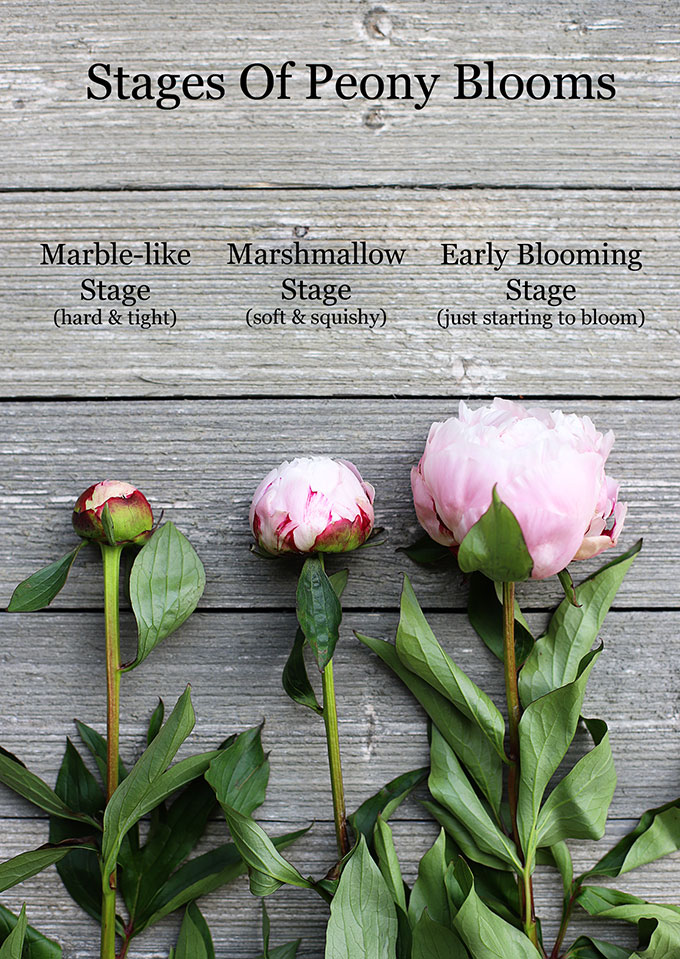
Peonies generally bloom only once per growing season. The blooming period typically occurs in late spring to early summer, depending on the variety and the local climate. Once the flowers open, they showcase their stunning beauty for several weeks before fading away. After this initial blooming period, peonies enter a phase of growth and preparation for the next season. While peonies do not produce multiple blooms in a single season, they can live up to 50 years, producing blooms year after year during their growing seasons.
Peony Flowering Cycle
The life cycle of a peony flower involves several stages. Understanding this cycle can explain why they only bloom once a season:
- Bud Development: In early spring, peonies develop buds that eventually open into flowers.
- Flowering: The actual blooming usually occurs over a few weeks, showcasing large, fragrant blossoms.
- Post-Blooming: After blooming, the plants focus on producing leaves and storing energy for the next year.
Factors Affecting Blooming
Several factors influence the blooming of peonies, including:
See also:
- Climate: Peonies thrive in temperate climates and blooming times can vary depending on local conditions.
- Soil Quality: Well-drained, nutrient-rich soil supports healthy growth and consistent flowering.
- Watering Practices: Adequate watering during the growing season is crucial for optimal flower development.
Types of Peonies
There are several types of peonies, and they all have different flowering characteristics:
- Herbaceous Peonies: These die back in winter and bloom anew each year from the ground.
- Tree Peonies: These have woody stems and can produce flowers earlier than herbaceous varieties.
- Intersectional Peonies: A hybrid type that combines characteristics of both tree and herbaceous peonies.
Care Tips for Peonies
Proper care can enhance the health and blooming ability of peonies:
- Sunlight Exposure: Peonies prefer full sun, which encourages robust blooms.
- Pruning: Deadheading spent flowers can help focus the plant’s energy on the leaves and roots.
- Fertilization: Using a balanced fertilizer in early spring can promote strong growth and vibrant blooms.
Prolonging Peony Blooms
While peonies bloom only once per season, you can enjoy their beauty for longer with these tips:
- Cutting Flowers: You can cut peony blooms just before they are fully open for indoor arrangements.
- Companion Planting: Planting them alongside other perennials ensures a longer-lasting floral display in the garden.
- Succession Planting: To have continuous blooms, consider planting different varieties that bloom at different times.
Will peonies rebloom after deadheading?
:max_bytes(150000):strip_icc()/SPR-deadheading-peonies-865444-03_3330-2b6ff59027fc4a40871d28e05eff4870.jpg)
Peonies, known for their stunning blooms and delightful fragrance, are a sought-after addition to many gardens. When it comes to deadheading, which involves removing spent flowers, gardeners often wonder if this process will encourage peonies to rebloom.
The answer is that most peonies do not rebloom after deadheading. Once the flowers have faded, the plant focuses its energy on the development of its foliage and root systems, rather than producing new blooms. While deadheading can improve the appearance of the plant and prevent potential diseases, it does not typically lead to a second round of flowers within the same growing season.
Understanding Deadheading
Deadheading is the practice of removing spent flowers from plants to encourage healthier growth and maintain a tidy appearance.
- It helps prevent the plant from expending energy on seed production.
- Improves air circulation around the remaining foliage, potentially reducing disease risk.
- Encourages the plant to focus on leaf and root development rather than flowering.
Peony Blooming Cycle
Peonies have a specific blooming cycle, traditionally characterized by a single flush of flowers in late spring to early summer.
- Peonies typically bloom once a year, with flowers that last about 7-10 days.
- After blooming, the plant transitions into a growth phase focused on foliage.
- Next year's blooms are largely determined by the plant's health and the conditions during the dormant period.
Impact of Climate and Care
Factors such as climate, soil quality, and overall plant care play a crucial role in the health and flowering performance of peonies.
- Peonies thrive in well-drained soil with adequate sunlight (6-8 hours a day).
- Proper watering and fertilization can enhance bloom production in the following season.
- Stress from heat or lack of nutrients can affect the plant's ability to bloom again.
Alternatives for Longer Blooming
While peonies may not rebloom, certain practices can help extend the blooming period of your garden.
- Planting early, mid, and late-season varieties can prolong overall bloom times.
- Incorporating companion plants that bloom at different times can enhance garden aesthetics.
- Using annuals that bloom continuously can provide visual interest as peonies finish their bloom cycle.
Common Misconceptions
Many gardeners hold misconceptions regarding the ability of peonies to rebloom after deadheading.
See also:
- It is a myth that deadheading will trigger a second bloom in peonies.
- Peonies are perennial plants, which are designed to flower only once per growing cycle.
- Understanding plant biology helps in setting realistic expectations for bloom periods and care.
Do peonies keep blooming all summer?
Peonies are beloved for their stunning blooms, but they do not keep blooming all summer. Typically, peony plants bloom in late spring to early summer, generally from late May to early June, depending on the specific variety and climate conditions. Once they bloom, their flowers are often quite short-lived, typically lasting about 7 to 10 days. After this initial bloom, the plants will enter a period of dormancy, where they conserve energy and focus on growth for the following year.
Understanding Peony Blooms
Peonies produce large, fragrant flowers that can be classified into different types, including herbaceous, tree peonies, and intersectional hybrids. Each type has its blooming characteristics.
- Herbaceous Peonies: These are the most common and die back to the ground in winter. They typically bloom for 1-2 weeks.
- Tree Peonies: These remain above ground all year and produce blooms earlier in the season, but they still do not bloom all summer.
- Intersectional Hybrids: These combine traits of both tree and herbaceous peonies, offering a longer blooming season compared to standard types, yet still limited.
Blooming Season of Peonies
The blooming season of peonies is significant for gardeners and flower enthusiasts. Understanding when peonies bloom helps with planning and arranging gardens effectively.
- Late Spring to Early Summer: Peonies generally bloom between May and June.
- Temperature Influence: Warm spring temperatures can cause blooms to appear earlier, while cooler weather can delay the blooming period.
- Specific Varieties: Different peony varieties have unique bloom times, so it's essential to choose a mix if you want extended bloom times.
Care After Blooming
Once peonies have finished blooming, their care is essential to ensure they remain healthy for future growth.
- Deadheading: It is advisable to remove spent blooms to encourage the plant to retain energy for next year.
- Watering: Ensure adequate watering during the growing season, especially after blooming, to support root health.
- Fertilizing: Applying fertilizer in the fall can help strengthen peonies for the following season.
Extending Bloom Interest in the Garden
If a gardener desires summer blooms, they can complement peonies with other flowering plants.
- Choose Companion Plants: Integrate summer-blooming plants like daylilies, coneflowers, or hydrangeas alongside peonies.
- Planting Sequence: Stagger planting times to allow for a variety of blooms throughout the summer.
- Seasonal Planting: Consider annuals that bloom in summer, such as zinnias or marigolds, for seasonal color.
Why Peonies Are Worth the Wait
Despite their limited blooming period, the appeal of peonies lies in their large, attractive flowers and pleasant scent, which are unmatched by many other garden plants.
- Visual Appeal: Peonies offer stunning, large blooms that create an impactful presence in any garden.
- Fragrance: They are known for their sweet fragrance, which adds sensory delight when in bloom.
- Longevity: Once established, peonies can thrive for many years, making them a long-term investment for garden beauty.
Questions from Our Readers
How many times do peonies bloom in a season?
Peonies typically bloom once a year during the late spring to early summer. After their initial bloom, they may not produce additional flowers until the following year, making their annual bloom a highly anticipated event for gardeners.
Can peonies bloom more than once a year?
Generally, peonies do not bloom multiple times in a single year. They are known for their short flowering period, which usually lasts for about one to two weeks before the petals fall, followed by a period of dormancy.
What factors influence peonies' blooming cycle?
Several factors can influence the blooming cycle of peonies, including climate, soil quality, and care practices such as proper watering and fertilization. Additionally, peonies can take several years to establish their root systems before producing a full bloom.
How can I encourage my peonies to bloom more abundantly?
To encourage a more abundant bloom, it is essential to plant your peonies in a location that receives full sun and to provide them with well-draining soil. Regular maintenance, such as pruning and fertilizing, also plays a crucial role in maximizing their blooming potential.
See also:

If you want to read more articles like How Many Times Can Peonies Bloom? Discover the Secrets for Vibrant Blooms, we recommend you check out our Peony category.
Leave a Reply
Related Articles