How Long Do Raspberries Take to Grow? A Comprehensive Guide for Gardeners
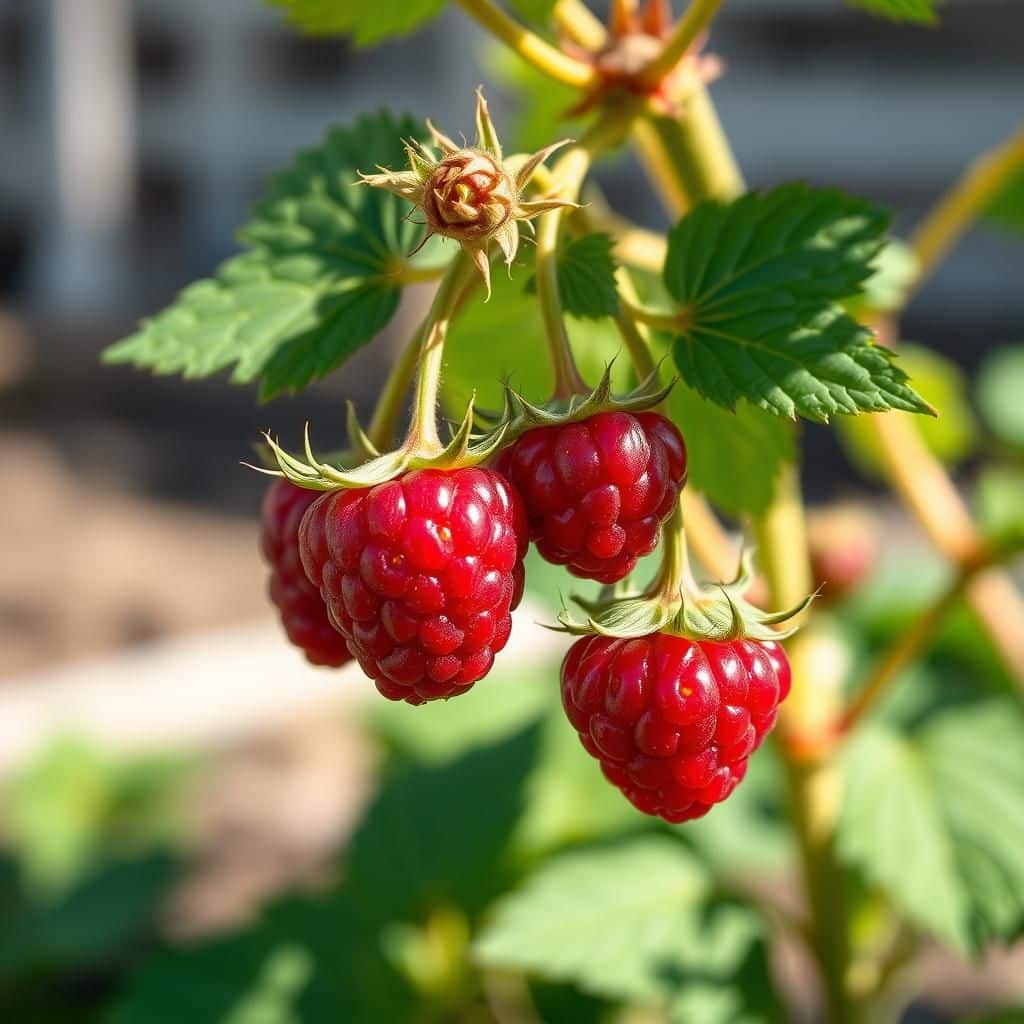
Growing your own raspberries can be a rewarding endeavor, offering delicious fruits right from your garden. However, understanding the growth timeline of raspberries is essential for successful cultivation. In this comprehensive guide, we will explore the various factors that influence the time it takes for raspberry plants to grow, including variety selection, planting techniques, and care requirements. Whether you’re a novice gardener or a seasoned pro, this article will provide you with the knowledge you need to optimize your raspberry-growing experience, ensuring you enjoy a bountiful harvest in due time. Join us as we delve into the specifics of raspberry growth!
Growth Timeline for Raspberries
Raspberries typically take about 1 to 2 years to start producing fruit after planting, depending on the variety and growing conditions. Generally, these perennial plants can be grown from tips, bare-root plants, or transplants, and while they establish their root systems and develop foliage in the first year, flowering and fruiting usually commence in the second growing season. Factors such as climate, soil quality, watering, and care can all influence the growth speed and overall yield of raspberry plants, making proper management essential to achieving a bountiful harvest.
Factors Affecting Raspberry Growth
The growth of raspberry plants is influenced by several factors, including climate, soil quality, and water availability. Ideally, raspberries thrive in temperate climates with well-drained, fertile soil rich in organic matter. Consistent moisture is vital, especially during flowering and fruiting stages, as too little or too much water can adversely affect growth rates and fruit quality. Observing local weather patterns and adjusting care practices accordingly can help optimize the growth process.
Planting Methods for Raspberries
Raspberries can be grown using various planting methods, such as bare-root planting, container planting, or tip layering. Bare-root plants are typically planted in early spring or late fall when they are dormant, while container-grown plants can be planted anytime the weather permits. Tip layering involves burying a portion of canes in the soil, encouraging them to root and create new plants. Each method has its advantages and can affect the speed of establishment.
Expected Fruiting Timeline
After planting, raspberry plants may take one to two years before they yield fruit, but the timeline can vary based on the variety. Summer-bearing raspberries usually produce fruit in the summer of their second year, while everbearing varieties can yield fruit in both summer and fall of their first year if conditions are favorable. Being patient during the first year is crucial, as the plants focus on establishing robust roots and vegetative growth.
See also:
Maintenance for Optimal Growth
Proper maintenance plays a key role in raspberry growth, requiring regular tasks such as pruning, proper fertilization, and pest management. Pruning helps maintain plant health and encourages more robust fruit production in subsequent years. Fertilizers, particularly those high in potassium, can promote flowering and improve fruit quality. Additionally, keeping an eye out for pests and diseases will help facilitate a healthier growing environment for the plants.
Common Raspberry Varieties and Their Growth Rates
Various raspberry varieties exist, each with different growth rates and fruiting characteristics. Some popular types include Heritage, which is an everbearing variety known for rapid establishment and frequent yields, and Chickasaw, recognized for its adaptability and strong growth. Understanding the specifics of each variety can aid gardeners in selecting the best type for their climate and desired harvest time.
| Variety | Fruiting Type | Time to First Harvest |
|---|---|---|
| Heritage | Everbearing | 1 year |
| Chickasaw | Summer-bearing | 2 years |
| Tulameen | Summer-bearing | 2 years |
| Fall Gold | Everbearing | 1 year |
| Caroline | Everbearing | 1 year |
Understanding the Growth Cycle of Raspberries
Raspberries generally take about 2 to 3 years from planting to produce a full crop, depending on the variety and growing conditions. In their first year, you should expect some growth, but fruit production will be minimal as the plants focus on establishing a robust root system. By the second year, you'll notice a more significant yield as the plants mature, often producing their first substantial harvest. In the third year, if provided with adequate water, nutrients, and sunlight, raspberry plants can yield bountiful crops, sometimes allowing for multiple harvests throughout the season.
Factors Influencing Raspberry Growth Time
Several factors can influence how long it takes for raspberries to grow, including soil quality, weather conditions, and the particular variety chosen. Raspberries prefer well-drained, loamy soil rich in organic matter. If the soil has poor drainage or lacks necessary nutrients, growth can be stunted. Additionally, variations in temperature and rainfall can affect the plant's growth rate; for example, an unusually cold spring can delay flowering and fruit set.
Choosing the Right Raspberry Variety
Different raspberry varieties may have slightly different growth times. For example, June-bearing varieties typically produce fruit earlier in the season but may take longer to establish than everbearing types, which can yield fruit in both spring and fall. Knowing which variety is best suited for your climate and growing style can help determine how long you should expect to wait for fruits, as some varieties mature faster than others.
See also:
Best Practices for Growing Raspberries
To ensure optimal growth and fruiting in your raspberry plants, it is crucial to utilize best practices in planting and maintenance. This includes selecting a sunny location with well-drained soil, regular watering to keep the soil consistently moist, and applying appropriate fertilizers to promote robust growth. Pruning is also essential; proper pruning techniques will help the plant focus its energy on producing fruit rather than maintaining unproductive growth.
Pest and Disease Management
Maintaining health in your raspberry plants helps reduce any delays in growth or fruit production caused by pests and diseases. Common pests, such as spider mites and aphids, can hinder growth if not managed promptly. Implementing an integrated pest management approach—using natural predators, applying insecticidal soaps, or crop rotation—can help keep your plants healthy.
The Role of Pollinators
Pollinators play an essential role in the growth and yield of raspberries. Having a diverse population of bees and other pollinators in your garden can significantly enhance fruit set and overall production. If pollination is limited, you may find that your raspberry plants produce fewer fruits. Providing habitats for pollinators, such as flowering plants nearby, can improve your yield and speed up the time it takes for your plants to bear fruit.
Questions from Our Readers
How long do raspberries take to grow?
Raspberries typically take about 1 to 2 years to grow from planting to harvest. In the first year, you will mainly see the development of the roots and canes, while the first significant crop is usually ready in the second year.
What factors affect the growth time of raspberries?
Several factors can affect the growth time of raspberries, including climate, soil quality, and watering practices. Providing the right conditions can either accelerate or delay their growth, making it essential to monitor these factors closely.
See also:
Can I expect fruit in the first year of growing raspberries?
While it's possible to get a small harvest in the first year, most raspberry varieties do not produce a substantial crop until the second year. It's important to focus on plant health during the first year for better results later.
Do different raspberry varieties have different growth times?
Yes, different raspberry varieties can have varying growth times. Summer-bearing and everbearing varieties, for instance, may behave differently in their fruiting cycle, affecting the overall growth duration and yield.

If you want to read more articles like How Long Do Raspberries Take to Grow? A Comprehensive Guide for Gardeners, we recommend you check out our Berries category.
Leave a Reply
Related Articles