Are Coffee Grounds Good Around Blueberry Bushes? Benefits and Tips for Your Garden

Coffee grounds are a popular gardening amendment known for their potential benefits, especially when it comes to nurturing blueberry bushes. These flavorful remnants not only provide essential nutrients to the soil but also enhance its structure and acidity, both crucial for the health of blueberries. In this article, we will explore the advantages of using coffee grounds around your blueberry plants, how they can improve growth and fruit production, and practical tips for incorporating them into your gardening routine. Whether you're a seasoned gardener or just starting, discover how this simple ingredient can make a significant difference in your blueberry patch.
Are Coffee Grounds Beneficial for Blueberry Bushes?
Using coffee grounds around blueberry bushes can provide significant benefits, as they are rich in nitrogen and can help to enhance the soil's acidity. Blueberries thrive in acidic environments, making coffee grounds an excellent amendment to maintain the optimal pH levels for these plants. Additionally, coffee grounds improve soil structure and drainage, which can lead to healthier root systems and better overall plant growth. However, it's essential to use coffee grounds in moderation, as excessive use may lead to imbalances in the soil composition.
Nutritional Benefits of Coffee Grounds
Coffee grounds are a valuable source of nutrients, particularly nitrogen, which is essential for plant growth. This nitrogen-rich content can help promote greener leaves and stronger stems in blueberry bushes. Furthermore, coffee grounds contain minerals such as magnesium and potassium, which also contribute to the overall health and vitality of the plants. By incorporating coffee grounds into the soil, gardeners can enhance the nutrient profile available to blueberry bushes.
Impact on Soil pH
Blueberries prefer a slightly acidic soil environment, typically with a pH range between 4.5 and 5.5. Coffee grounds are known to contribute to soil acidity, which can be beneficial when planted around blueberry bushes. The natural acidity of coffee grounds can help to lower the pH of the soil over time, creating a more suitable environment for the growth and fruiting of blueberry plants. This adjustment can improve nutrient availability and overall plant health.
Improving Soil Structure
In addition to nutrient enhancement, coffee grounds can improve the soil structure by increasing organic matter content. As the coffee grounds decompose, they add beneficial organic materials to the soil, which can boost its water retention capabilities and drainage properties. A well-structured soil is crucial for the development of blueberry roots, as it allows for proper aeration and moisture retention, promoting healthy growth.
Potential Risks of Overapplication
While coffee grounds can be advantageous, overapplication can lead to negative consequences, such as nitrogen burn or soil imbalances. It's essential to monitor the quantity of coffee grounds used to prevent these issues. Applying too many grounds can create an overly enriched environment that may harm the blueberry bushes instead of helping them. A balanced approach to using coffee grounds can ensure that the plants receive optimal benefits without adverse effects.
Other Organic Mulch Options
Incorporating other organic materials can further benefit blueberry bushes. Alternatives such as pine needles, leaf mulch, and compost can complement the use of coffee grounds while providing additional nutrients and acidity. Each type of organic mulch offers different benefits in terms of moisture retention, nutrient delivery, and weed suppression. Mixing various organic materials can lead to more robust soil health and promote the vitality of blueberry bushes.
| Benefit | Description |
|---|---|
| Nitrogen Source | Enhances leaf growth and overall plant vitality. |
| Soil Acidity | Helps maintain the ideal pH for blueberries. |
| Soil Structure | Improves drainage and root health. |
| Organic Matter | Increases the nutrient content of the soil. |
| Weed Suppression | Acts as a natural barrier against weeds. |
What plants cannot tolerate coffee grounds?


Coffee grounds can be a beneficial addition to certain plants due to their rich nitrogen content and slight acidity, but not all plants tolerate them well. Some species may suffer negative effects when exposed to coffee grounds, which can harm their growth or even lead to decline. Here’s a detailed exploration of the plants that cannot tolerate coffee grounds.
1. Plants Sensitive to Acidity
Many plants prefer a more neutral soil pH. Coffee grounds can increase acidity, which may be detrimental for these species.
- Blueberries: While they prefer acidic conditions, excess coffee grounds can lead to overly acidic soil.
- Cranberries: Similar to blueberries, cranberries thrive in acidic soils but can be harmed by the excessive acidity brought on by coffee grounds.
- Rhododendrons: These plants can suffer in overly acidic conditions, which coffee grounds can create.
2. Certain Vegetables and Herbs
Some vegetables and herbs do not respond well to the application of coffee grounds due to their growth preferences and the risk of attracting pests.
- Carrots: Coffee grounds can attract pests like aphids, which are problematic for carrot growth.
- Garlic: The application can lead to increased pest problems, hampering garlic’s growth.
- Radishes: These may not thrive well in soil enriched with coffee grounds as it can promote root rot.
3. Succulents and Cacti
Succulents and cacti are adapted to dry conditions and tend to thrive in well-draining soils.
- Jade Plant: These plants do not tolerate moisture retention, which can be exacerbated by coffee grounds.
- Barrel Cactus: Retaining too much moisture can lead to root rot, making coffee grounds unsuitable.
- Aloe Vera: Generally prefers dry conditions; coffee grounds can disrupt soil drainage.
4. Certain Ornamental Plants
Some ornamental plants are sensitive to the effects of coffee grounds, particularly in regard to pests and soil characteristics.
- Marigolds: While they repel some pests, coffee grounds can promote unwelcome pests and root issues.
- Ivy: Can experience growth issues in soils that are too acidic or too rich in organic matter from coffee grounds.
- Magnolia: These trees can suffer from soil imbalances due to high acidity affecting their growth.
5. Plants with Low Nitrogen Needs
Certain plants do not thrive with the high nitrogen content found in coffee grounds, which can hinder their growth.
- Potatoes: Excess nitrogen can lead to the promotion of foliage over tuber growth.
- Eggplant: Sensitive to nitrogen; too much can affect fruit set and quality.
- Peppers: Like eggplants, they thrive better with balanced nutrient levels, avoiding excess nitrogen.
What is best to put around blueberry bushes?
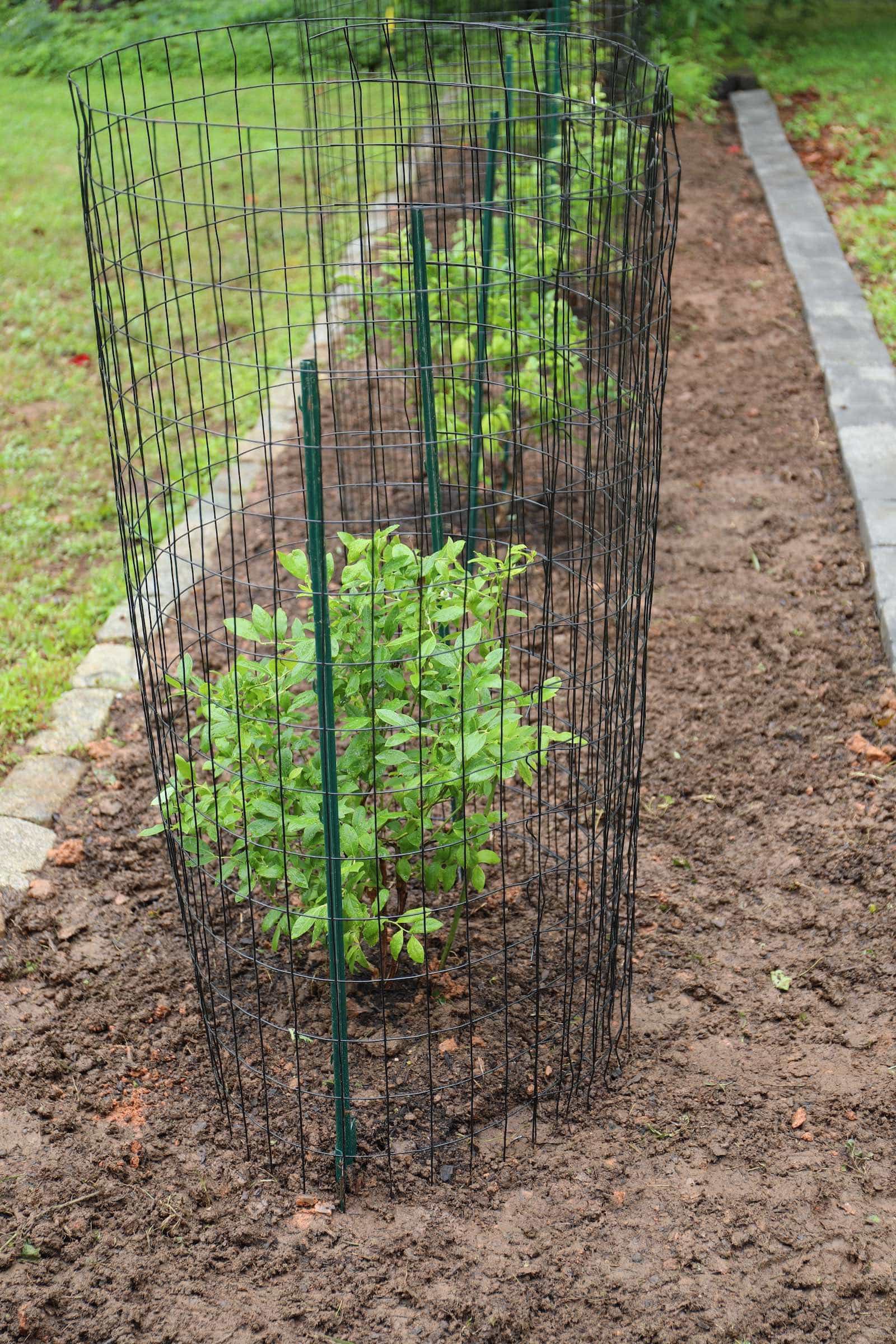
To create the best environment for blueberry bushes, it is important to consider what to put around them. The ideal materials and practices can significantly enhance their growth, health, and productivity.
See also:
Soil Amendment
Improving the soil around blueberry bushes is crucial for their success. Blueberries thrive in acidic soil with a pH of 4.5 to 5.5. Here are some effective amendments:
- Peat Moss: This helps lower pH and improve soil structure.
- Elemental Sulfur: This can also be used to acidify the soil over time.
- Compost: A balanced compost can provide nutrients and enhance soil quality while ensuring good drainage.
Mulching Material
Adding mulch around blueberry bushes not only conserves moisture but also suppresses weeds. Select the right type of mulch to promote healthy growth:
- Pine Bark Mulch: This helps maintain an acidic environment.
- Pine Needles: They also contribute to acidity and break down slowly.
- Wood Chips: These can provide a protective barrier while decomposing to enrich the soil.
Drip Irrigation
Watering is crucial for the health of blueberry bushes. Implementing a drip irrigation system can offer numerous advantages:
- Consistent Moisture: Provides steady and precise watering directly to the roots.
- Water Conservation: Reduces waste by delivering water directly where it is needed.
- Reduced Fungal Diseases: Minimizes leaf wetness that can foster disease development.
Companion Planting
Integrating certain plants around blueberry bushes can enhance growth and deter pests. Consider these companion plants:
- Clovers: Improve soil nitrogen content and act as a cover crop.
- Herbs: Such as basil or thyme can repel pests and attract beneficial insects.
- Other Berries: Such as raspberries or strawberries that enjoy similar soil conditions can thrive nearby without competing.
Pest Control Solutions
To keep blueberry bushes healthy, it's essential to manage pests effectively. Options for pest control include:
- Neem Oil: A natural alternative to chemical pesticides that repels various pests.
- Beneficial Insects: Such as ladybugs and lacewings that prey on harmful pests.
- Row Covers: Protect plants from birds and larger pests while allowing sunlight and rain to penetrate.
Questions from Our Readers
Are coffee grounds beneficial for blueberry bushes?
Yes, coffee grounds can be beneficial for blueberry bushes as they help to lower the soil pH. Blueberries thrive in acidic conditions, and incorporating coffee grounds can contribute to creating a more suitable environment for their growth and health.
How should coffee grounds be applied to blueberry bushes?
To apply coffee grounds, it is best to mix them into the soil or spread them around the base of the blueberry bushes. This ensures that the nutrients are absorbed effectively and helps to improve the soil structure, promoting better drainage and moisture retention.
Can coffee grounds attract pests around blueberry bushes?
While coffee grounds are not inherently attractive to pests, their use can create a habitat for certain insects, like snails and slugs. It is advisable to monitor the area and take necessary precautions if you notice an increase in pest activity after applying the grounds.
See also:
How often should I use coffee grounds on blueberry bushes?
You can use coffee grounds once every month or so, but moderation is key. Applying too much can lead to nutrient imbalances, so it's best to start with small amounts and evaluate the response of your blueberry bushes before increasing the application.

If you want to read more articles like Are Coffee Grounds Good Around Blueberry Bushes? Benefits and Tips for Your Garden, we recommend you check out our Berries category.
Leave a Reply
Related Articles