Do Birds Eat Saskatoon Berries? Discover the Truth Behind This Delicious Fruit

Saskatoon berries, with their sweet and flavorful profile, are a popular fruit among foragers and culinary enthusiasts. However, the question arises: do birds enjoy these delectable berries as much as humans do? Understanding the relationship between birds and Saskatoon berries is not only intriguing but also essential for gardeners and nature lovers alike. This article delves into the truth behind this tasty fruit, exploring the feeding habits of various bird species and their attraction to Saskatoon berries. Join us as we uncover whether these fruits are a favored treat for our feathered friends and how it impacts the ecosystem.
Do Birds Eat Saskatoon Berries?
Yes, many species of birds do eat Saskatoon berries. These sweet, dark purple berries grow on shrubs found primarily in North America and are not only delicious but also nutritious. Birds such as thrushes, sparrows, and finches are particularly fond of them, as they provide essential vitamins and energy needed for their activities. The berries tend to attract these birds during the late spring and summer months when they are ripening. Consequently, Saskatoon berries play a valuable role in the ecosystem by supporting local avian populations and helping with seed dispersal, which can lead to the growth of new plants.
Why Do Birds Like Saskatoon Berries?
Birds are attracted to Saskatoon berries primarily due to their sweet flavor and high nutritional content. The berries are rich in vitamins, antioxidants, and carbohydrates, making them a perfect source of energy for birds, especially during the breeding season when they need extra sustenance. Additionally, the vibrant color of the berries signals ripeness, making them more appealing to birds looking to forage.
What Types of Birds Eat Saskatoon Berries?
Various types of birds enjoy feeding on Saskatoon berries. Some of the most common species include robins, jays, and wrens. These birds have adapted to spot the berries easily and are known to feast on them during their peak season. The berries also attract migratory birds in search of food sources, which makes Saskatoon berry bushes a central feeding ground for diverse bird populations.
When Is the Best Time for Birds to Eat Saskatoon Berries?
The ideal time for birds to consume Saskatoon berries is during the ripening season, which typically occurs in late spring to early summer. As the berries reach peak ripeness, their vibrant color and sweet flavor draw in many birds, creating a bustling feeding ground. Early mornings and late afternoons are often peak feeding times, as birds are more active during these hours searching for food.
How Do Saskatoon Berries Benefit Birds?
Saskatoon berries offer numerous benefits to birds. They provide a natural source of nutrition, boosting energy levels and contributing to overall health. The berries also aid in the reproductive processes of birds by supplying essential vitamins needed for egg production and chick development. Furthermore, as birds consume these berries, they help with seed dispersal, which contributes to the growth of new Saskatoon shrubs and supports the broader ecosystem.
Are Saskatoon Berries Safe for All Birds?
Most birds can safely eat Saskatoon berries, as they are non-toxic and beneficial for their health. However, as with any food, it is essential to note that some individual birds may have unique dietary restrictions or preferences. Generally, though, the berries are considered a healthy treat for a wide variety of bird species, promoting foraging behavior and diverse diets.
| Bird Species | Feeding Behavior |
|---|---|
| Robins | Forage frequently during the berry season. |
| Jay | Store berries for later consumption. |
| Wrens | Feed on ripe berries for energy. |
| Finches | Often found feeding on berry clusters. |
| Thrushes | Enjoy berries as part of their diet. |
What are saskatoon berries called in the USA?

Saskatoon berries, known for their sweet and nutty flavor, are commonly referred to as serviceberries in the USA. This name reflects their historical significance, as the fruit was often used by Indigenous peoples for food and traditional purposes, and they were famously associated with serviceberry trees that would bloom around the time of significant events, such as the arrival of service to the community.
Characteristics of Saskatoon Berries
Saskatoon berries have several unique characteristics that set them apart from other fruits.
- Appearance: They resemble small blueberries but are rounder and range in color from deep purple to almost black when fully ripe.
- Taste: The flavor is a delightful combination of sweetness with a hint of nuttiness, making them versatile for both sweet and savory dishes.
- Texture: They have a juicy and tender texture, similar to that of a blueberry, contributing to their appeal in various culinary applications.
Culinary Uses of Serviceberries
Serviceberries can be used in numerous culinary applications, showcasing their versatility.
- Preserves and Jams: One of the most common uses is to create delicious preserves and jams, capturing their complex flavor.
- Pie Filling: They are often used in pies, where their sweet flavor complements other ingredients like cinnamon and nutmeg.
- Fresh Consumption: Many enjoy eating them fresh, adding them to salads, smoothies, or simply snacking on them as is.
Growing Regions in the USA
Serviceberries grow well in specific regions across the United States, thriving in various climates.
- Pacific Northwest: Notably found in this region, the climate allows for optimal growth and fruiting.
- Midwest: They also flourish in the Midwest, where they are commonly used in home gardens.
- Eastern U.S.: Certain varieties are cultivated in the eastern states, appreciated for their ornamental and edible qualities.
Nutritional Benefits of Saskatoon Berries
Saskatoon berries are not just delicious but also packed with nutritional benefits.
See also:
- High in Antioxidants: They're rich in antioxidants, which can help combat oxidative stress in the body.
- Source of Vitamins: They provide essential vitamins such as Vitamin C, which supports the immune system.
- Dietary Fiber: The berries are a good source of dietary fiber, promoting digestive health and contributing to a feeling of fullness.
Environmental Impact and Sustainability
The cultivation of serviceberries has positive implications for environmental sustainability.
- Native Species: As a native plant, serviceberries require less water and maintenance than many non-native fruit trees, making them eco-friendly.
- Pollinator Support: The flowers of serviceberry trees attract bees and other pollinators, supporting local ecosystems.
- Diversity in Agriculture: Incorporating serviceberries into farming practices promotes biodiversity, which is essential for resilient agricultural systems.
Do birds know not to eat poisonous berries?

Birds have evolved various strategies that help them discern between safe and toxic foods, including berries. The primary mechanisms that enable birds to avoid poisonous berries include instinctual behavior, learned experience, and physiological adaptations. While some birds are inherently cautious, their learning from environmental cues and the consequences of their dietary choices plays a crucial role in their foraging behavior.
Instinctual Behavior in Birds
Many bird species possess an innate ability to recognize potentially dangerous foods. This instinct is vital for survival and can manifest in various ways:
- Color Recognition: Birds often associate bright colors with toxicity, commonly found in poisonous berries.
- Taste Aversion: Some birds may reject foods that cause them discomfort after consumption, leading to a learned aversion to certain berries.
- Species-Specific Knowledge: Different species may inherit knowledge about unpalatable foods from their ancestors, influencing their dietary choices.
Learning from Experience
Birds are not only instinctual foragers but also highly adaptable learners. They can remember harmful experiences, which affects future foraging:
- Conditioning: If a bird consumes a toxic berry and experiences negative effects, it learns to avoid that berry in the future.
- Social Learning: Some birds may watch and learn from the foraging behaviors of other birds, adapting their own choices based on those observed.
- Exploratory Behavior: Young birds often explore various food options, which can lead to both positive and negative experiences with berries, shaping future preferences.
Physiological Adaptations
Birds have certain physiological traits that can help them deal with the potential consumption of toxic berries:
- Digestive System: Some birds have highly specialized digestive systems that can neutralize certain toxins found in berries.
- Metabolism Variability: Birds can metabolize some toxic substances more efficiently than other animals, which may mitigate the harmful effects.
- Detoxification Mechanisms: Certain birds possess detoxification enzymes that allow them to process and eliminate harmful compounds from ingested berries.
Ecological Factors Influencing Foraging
The environment plays a significant role in shaping the dietary choices of birds, including the consumption of berries:
- Availability of Food Sources: In areas where safe food options are limited, birds may be more inclined to experiment with potentially toxic berries.
- Seasonal Changes: Seasonal availability affects berry choices, with birds often relying on resources that are abundant during different times of the year.
- Presence of Competitors: When resources are scarce, competition may push birds to take risks, including trying poisonous berries.
Impact of Habitat on Food Choice
The type of habitat where birds reside can influence their knowledge and avoidance of toxic berries:
- Native Knowledge: Birds in certain habitats may develop a better understanding of local flora, including which berries are safe or toxic.
- Diversity of Flora: Areas with a rich diversity of plants provide birds with more opportunities to learn about edible and poisonous options.
- Human Influence: Urbanization and habitat destruction can alter available food sources, affecting birds' foraging strategies and knowledge.
What are saskatoon berries good for?

Saskatoon berries, scientifically known as Amelanchier alnifolia, are not only delicious but also packed with numerous health benefits. These berries are rich in vitamins, minerals, and antioxidants, making them a great addition to a healthy diet.
Health Benefits of Saskatoon Berries
Saskatoon berries are recognized for their potential to promote overall health. Here are several key benefits attributed to their consumption:
- High in Antioxidants: Saskatoon berries are rich in antioxidants, which help combat oxidative stress in the body.
- Supports Heart Health: The nutrients found in these berries may improve heart health by reducing inflammation and cholesterol levels.
- Boosts Immune Function: Their high vitamin C content supports the immune system, helping the body fight off infections.
Nutritional Value
Saskatoon berries are a nutrient-dense food, offering a variety of vitamins and minerals that are beneficial for health.
- Fiber Content: They are an excellent source of dietary fiber, which aids in digestion and promotes gut health.
- Vitamins and Minerals: They contain significant amounts of vitamin A, vitamin C, and potassium that contribute to overall health.
- Low in Calories: These berries are low in calories, making them a great option for a healthy snack.
Culinary Uses
Saskatoon berries can be used in various culinary applications, adding unique flavors and nutritional value to dishes.
See also:
- Baking: They can be incorporated into pies, cakes, and muffins for a delightful sweetness.
- Jams and Jellies: Their natural sweetness makes them perfect for making homemade jams and jellies.
- Salads and Sauces: They can also be added to salads or used to create sauces for meat dishes.
Potential Anticancer Properties
Research has suggested that Saskatoon berries may possess anticancer properties due to their high levels of antioxidants and phytochemicals.
- Flavonoids: The flavonoids present in these berries may inhibit the growth of cancer cells.
- Anti-inflammatory Effects: Their anti-inflammatory properties can help reduce the risk of cancer development.
- Research Findings: Some studies indicate potential protective effects against particular cancer types.
Traditional Uses by Indigenous Peoples
Saskatoon berries have been used for generations by Indigenous peoples, showcasing their cultural significance and health benefits.
- Sustenance: Historically, they have served as an important food source during the summer months.
- Medicinal Uses: Indigenous communities have utilized them for their health benefits, including treating various ailments.
- Preservation Techniques: They were often dried or preserved to ensure a food supply during winter.
Are saskatoon berries the same as huckleberries?
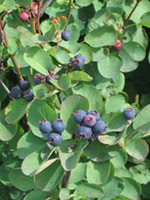
Saskatoon berries and huckleberries are often compared due to their similar appearances and flavors, but they are, in fact, quite different fruits. Saskatoon berries (Amelanchier alnifolia) are not the same as huckleberries (Vaccinium spp.). Below is a detailed comparison highlighting their differences and characteristics.
Differences in Botanical Classification
Saskatoon berries and huckleberries belong to different genera and families:
- Saskatoon berries are part of the Amelanchier genus and the Rosaceae family.
- Huckleberries belong to the Vaccinium genus and are a member of the Ericaceae family.
- This botanical distinction indicates that despite similarities, they are fundamentally different plants.
Flavor Profiles
The flavors of Saskatoon berries and huckleberries vary significantly:
- Saskatoon berries have a sweet, nutty flavor with a slight hint of almond.
- Huckleberries tend to be tart and sweet, often compared to blueberries, but with a more pronounced tang.
- The taste of each berry influences their use in culinary practices, with Saskatoon berries often used in desserts and huckleberries preferred for jams.
Geographical Distribution
These berries are found in different regions:
- Saskatoon berries are native to North America, particularly in the northern plains and western regions.
- Huckleberries are also found in North America, predominantly in the mountainous regions of the western part of the continent.
- The differences in their distribution affect where they can be easily harvested and enjoyed.
Uses in Cooking and Baking
Saskatoon berries and huckleberries serve different purposes in the kitchen:
- Saskatoon berries are commonly used in pies, jams, and jellies, owing to their sweet flavor.
- Huckleberries are often found in syrups, pancakes, and desserts due to their tartness.
- Their unique flavors lead to distinct recipes and preparation methods that cater to their taste profiles.
Nutritional Value
The nutritional content of these berries can also differ:
- Saskatoon berries are rich in fiber, antioxidants, and have a good amount of vitamins such as Vitamin C.
- Huckleberries are also full of antioxidants and provide dietary fiber, but they generally have a higher level of vitamin C.
- Understanding their nutritional profiles can influence dietary choices, especially for health-conscious individuals.
Questions from Our Readers
Do birds eat Saskatoon berries?
Yes, many birds enjoy eating Saskatoon berries. These fruits are nutritious and attract various bird species, including finches, bluebirds, and thrushes, making them a popular choice in gardens and natural settings.
Which birds are most attracted to Saskatoon berries?
Some of the most common birds attracted to Saskatoon berries include woodpeckers, robins, and jays. Their sweet and juicy flavor makes these berries an appealing food source during the growing season.
Are Saskatoon berries safe for birds to eat?
Absolutely, Saskatoon berries are safe for birds and are actually a healthy snack option. They are rich in vitamins and antioxidants, contributing to the overall health of avian populations that consume them.
How can I attract more birds to my garden with Saskatoon berries?
To attract more birds, consider planting Saskatoon berry bushes in your garden. Ensure they are positioned in a sunny location with well-drained soil, and provide a source of water nearby to create an inviting habitat for the birds.
See also:

If you want to read more articles like Do Birds Eat Saskatoon Berries? Discover the Truth Behind This Delicious Fruit, we recommend you check out our Berries category.
Leave a Reply
Related Articles