Discover Where is the Best Place to Plant Blackberries for Optimal Growth

When it comes to cultivating delicious blackberries, the right planting location is crucial for optimal growth and bountiful harvests. Understanding the specific needs of blackberry plants, including sunlight, soil quality, and drainage, can significantly impact their health and productivity. This article will explore various factors that contribute to the ideal environment for blackberry cultivation, guiding both novice gardeners and experienced growers in selecting the best locations. From backyard gardens to larger agricultural plots, discover tips and insights that will help you successfully plant and nurture your blackberry bushes, ensuring a rich supply of juicy fruit for seasons to come.
Where is the Best Place to Plant Blackberries?
When considering the best place to plant blackberries, it is crucial to choose a site that receives full sunlight for at least 6-8 hours a day, as this will enhance their fruit production and overall health. The soil should be well-draining, rich in organic matter, with a pH range of 5.5 to 7.0 for optimal growth. Additionally, blackberries thrive in locations with adequate airflow, which helps prevent disease. Avoid areas where water tends to pool after rainfall, as this can lead to root rot. Lastly, consider planting them near a trellis or support system if you opt for trailing varieties, allowing for easier maintenance and harvesting.
Optimal Soil Conditions
The optimal soil conditions for planting blackberries involve a well-draining mix that retains moisture without becoming waterlogged. Ideally, the soil should be fertile and enriched with organic matter such as compost, which provides necessary nutrients for healthy growth. A soil pH of 5.5 to 7.0 is best, as it allows for the proper absorption of key nutrients. Conducting a soil test before planting can help determine any amendments needed to create the perfect environment for your blackberries.
Sunlight Requirements
Blackberries require full sunlight exposure, which is essential for maximizing fruit yield and promoting robust plant growth. A location that receives at least 6 to 8 hours of sunlight each day will benefit the plants by enhancing photosynthesis, leading to healthier canes and tastier berries. If you live in a region with extreme heat, providing some shade during the hottest part of the day can also prevent heat stress while still allowing adequate sun exposure.
Airflow and Spacing
Good airflow around blackberry plants is vital for preventing fungal diseases and promoting healthy growth. When planting, ensure that you space your blackberries adequately, typically 3 to 4 feet apart for trailing varieties and 2 to 3 feet for erect types. This spacing allows air to circulate freely between the plants, reducing humidity levels around the leaves and fruits, which can be conducive to disease. Additionally, consider planting on a slight slope to enhance drainage and airflow.
Water Drainage
Proper water drainage is crucial when selecting a location for blackberry plants. They do not tolerate standing water, which can lead to root rot and various diseases. Ideally, the chosen site should be on elevated ground or have soil that drains well, preventing excess moisture retention. To improve drainage, consider amending the soil with sand or planting on raised beds, especially in areas known for heavy rainfall or poor drainage conditions.
Proximity to Support Structures
If you are planting trailing blackberry varieties, consider proximity to support structures like trellises or fences. These supports not only help keep the plants off the ground, reducing the risk of rot and allowing for easier harvesting, but they also promote better airflow. When choosing a location, ensure that the supports are sturdy enough to handle the weight of the mature plants and provide enough space for growth.
| Factor | Recommendation |
|---|---|
| Soil Type | Well-draining, rich in organic matter |
| Sunlight | 6-8 hours of direct sunlight daily |
| Spacing | 3-4 feet apart for trailing varieties |
| Airflow | Ensure adequate spacing for circulation |
| Support Needed | Install trellises for trailing varieties |
Should blackberries be grown in pots or ground?

Blackberries can be grown successfully in both pots and the ground, and the choice largely depends on various factors including space availability, soil quality, climate, and personal preferences. Each method has its own advantages and disadvantages, which can significantly impact the success of your blackberry plants.
Benefits of Growing Blackberries in Pots
Growing blackberries in pots offers several advantages that might align better with certain gardeners' needs.
- Mobility: Pots allow for easy relocation, making it possible to move plants to optimize sunlight exposure or protect them in extreme weather.
- Controlled Environment: Container growing enables better control over soil quality and moisture levels, reducing the risk of diseases and pests.
- Space Efficiency: Ideal for gardeners with limited space—balconies, patios, or small yards can accommodate pots easily.
Benefits of Growing Blackberries in the Ground
Planting blackberries in the ground also has its unique set of advantages.
- Root Development: Ground planting allows blackberries to develop deeper and more extensive root systems, which can enhance fruit production and plant health.
- Soil Nutrients: Excellent for utilizing existing soil nutrients and maintaining a natural ecosystem that benefits plant growth.
- Less Watering: Ground-grown blackberries generally require less frequent watering compared to potted ones, since the ground retains moisture better.
Space Considerations for Blackberry Cultivation
The space available is a critical factor influencing the decision to grow blackberries in pots or the ground.
- Urban vs. Rural Settings: In urban areas, limited space often necessitates container gardening, while rural gardeners may have ample land for ground planting.
- Garden Layout: The arrangement of your garden can dictate whether you can plant in the ground or need to opt for pots that fit specific design requirements.
- Future Expansion: Consider whether you may want to expand your blackberry production. Ground planting allows for more extensive setups.
Climate and Environmental Factors
Climate plays a significant role in determining whether to grow blackberries in pots or in the ground.
See also:
- Temperature Variations: In extreme climates, pots can protect plants by allowing indoor placement or moving to shaded areas during heat waves.
- Frost Protection: Potted blackberries can be moved indoors or sheltered during frost, enhancing their chances of survival.
- Water Drainage: Potting can help manage water drainage better in areas with excessively wet or heavy soil, reducing root rot risks.
Maintenance and Care Requirements
Both methods require specific maintenance practices that influence the decision on how to grow blackberries.
- Watering Needs: Potted plants typically demand more frequent watering, while ground-based plants can rely on rainfall.
- Fertilization: Fertilizer management differs; pots may require more regular feeding than plants grown in nutrient-rich ground soil.
- Pest Management: Both methods have unique pest concerns, but pots may need more vigilance against container-specific pests.
What is the secret to growing blackberries?
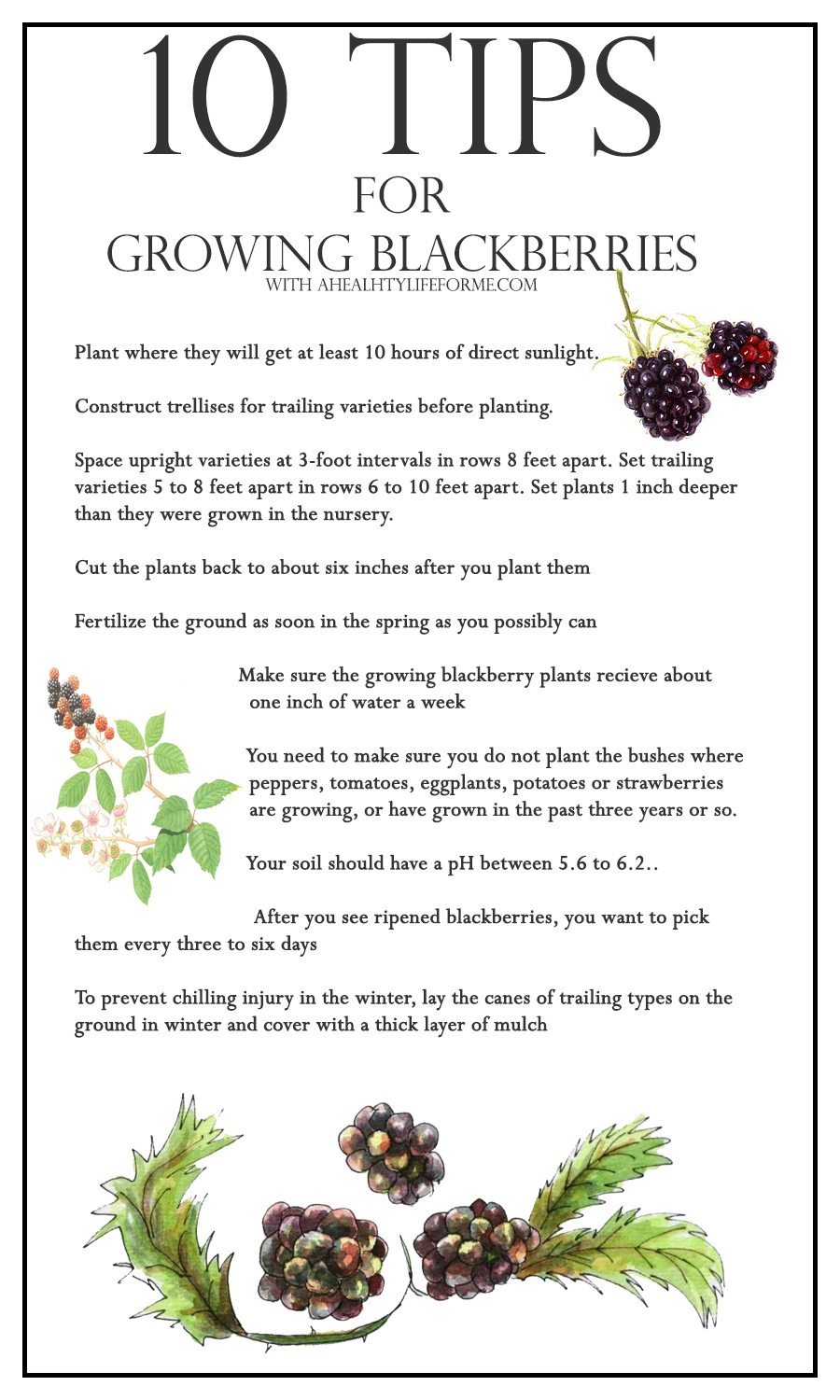
To successfully grow blackberries, understanding the specific needs and conditions for these berries can significantly enhance your yield and fruit quality. Here’s a detailed guide on the secret to growing blackberries effectively.
Soil Requirements
The success of blackberry cultivation begins with the quality of the soil. Blackberries thrive in well-drained, sandy loam soils with a pH between 5.5 and 7.0.
- Drainage: Ensure the soil has good drainage to prevent root rot.
- Organic Matter: Incorporate organic matter such as compost to improve fertility.
- pH Testing: Regularly test the soil's pH and amend it accordingly for optimal conditions.
Sunlight and Location
Sunlight is crucial for blackberry plants as they require full sun exposure for at least 6 to 8 hours a day. The location you choose for planting can make a significant difference in their overall health.
- Sun Exposure: Plant in a location that receives ample sunlight to enhance fruit quality.
- Wind Protection: Consider planting near a windbreak to shield plants from harsh winds.
- Spacing: Ensure that plants are spaced properly to allow for air circulation and sunlight penetration.
Watering Techniques
Watering is another essential factor in growing blackberries successfully. The plants require consistent moisture, especially during dry periods, but overwatering should be avoided.
- Deep Watering: Water deeply once a week, providing about 1 to 2 inches of water.
- Mulching: Use mulch to retain soil moisture and reduce weed competition.
- Drip Irrigation: Consider drip irrigation systems for efficient water management.
Fertilization Tips
Proper fertilization is vital for blackberry plants to grow strong and produce abundant fruit. A balanced fertilizer can support their nutrient needs throughout the growing season.
- Spring Application: Apply a balanced fertilizer in early spring when growth begins.
- Organic Options: Consider using organic fertilizers like bone meal or fish emulsion to promote healthy growth.
- Nutrient Monitoring: Observe plants for nutrient deficiencies and adjust fertilization accordingly.
Pest and Disease Management
To grow healthy blackberries, it is important to manage pests and diseases effectively. Regular monitoring can help prevent significant problems.
- Regular Checks: Inspect plants regularly for signs of pests such as aphids and spider mites.
- Disease Resistance: Choose disease-resistant varieties to minimize the risk of infections.
- Integrated Pest Management: Utilize an integrated pest management approach that includes natural controls.
What month do you plant blackberry bushes?
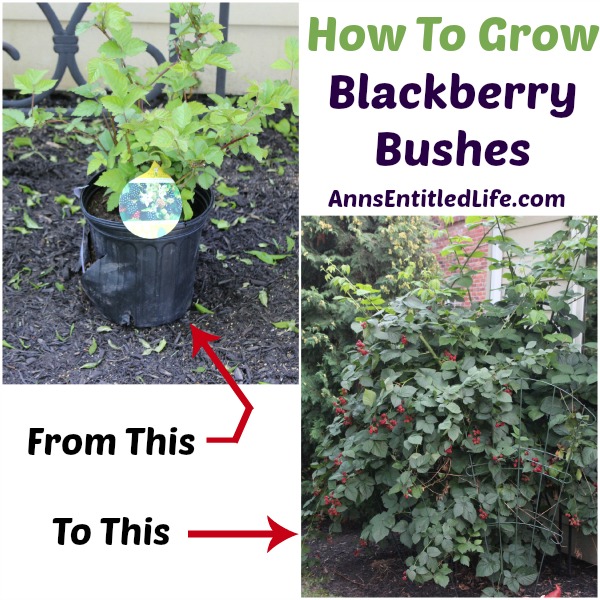
Blackberry bushes are typically planted in early spring, between March and April, once the threat of frost has passed and the soil begins to warm up. This timing allows the plants to establish their roots before the heat of summer arrives. In some milder climates, fall planting can also be successful, particularly if conditions allow the roots to grow and establish before the winter sets in.
Understanding the Right Time for Planting
When considering planting blackberry bushes, it's essential to understand the climate and weather patterns of your area. Here are a few factors that influence the timing:
- Frost Dates: Check your local last frost date to avoid planting too early.
- Soil Temperature: Blackberry bushes thrive in soil temperatures of around 60-70°F.
- Climate Considerations: Warmer climates may allow for earlier planting, while cooler regions should wait until spring.
Choosing the Right Location
The location you select for planting blackberry bushes is crucial. They require a spot that receives plenty of sunlight and has well-draining soil. Consider these aspects:
- Sunlight: Aim for at least 6-8 hours of direct sunlight daily.
- Soil Type: Choose sandy or loamy soil for optimal growth and drainage.
- Space: Ensure enough room for growth; allow 3-4 feet between plants.
Preparing the Soil
Before planting, it's vital to prepare the soil to ensure that blackberry bushes can thrive. This preparation includes:
See also:
- Tilling: Loosen the soil to improve aeration and root penetration.
- Testing pH: Ideal pH for blackberry plants is between 5.5 and 6.5.
- Enriching the Soil: Add compost or organic matter to improve fertility.
Selecting the Right Variety
Choosing the right variety of blackberry is important based on your climate and preference. Some popular varieties include:
- Thornless Blackberries: Easier to handle and maintain, great for home gardens.
- Standard Varieties: These typically produce larger fruits but have thorns.
- Early-Ripening Varieties: To enjoy fruit sooner, choose cultivars that mature early in the season.
Caring for Blackberry Bushes Post-Planting
Once the bushes are planted, proper care is vital for ensuring healthy growth. Important post-planting care includes:
- Watering: Keep the soil consistently moist but not waterlogged.
- Fertilizing: Use a balanced fertilizer during the growing season for optimal growth.
- Pest Control: Monitor for pests and diseases to maintain healthy plants.
Where is the best place to plant blackberries in your yard?
To find the best place to plant blackberries in your yard, it is essential to consider several factors that can contribute to the health and productivity of the plants. Blackberries thrive in well-drained soil with plenty of sunlight and proper spacing from other plants to promote air circulation. Here are some key elements and tips to determine the ideal location for cultivating blackberries.
Soil Quality
The soil in which you plant blackberries requires careful consideration. Blackberries prefer a pH level between 5.5 and 7.0, and they thrive in well-drained, loamy soil.
- Test the Soil: Conduct a soil test to determine its pH and nutrient levels.
- Improve Soil Structure: If your soil is compacted or has poor drainage, consider adding organic matter like compost or aged manure.
- Drainage: Ensure that the area does not hold water after heavy rainfall, as blackberries are susceptible to root rot.
Sunlight Requirements
Blackberries require a significant amount of sunlight for optimal fruit production. They should be planted in a location that receives at least 6 to 8 hours of direct sunlight daily.
- Full Sun Exposure: Choose a spot that looks sunny throughout most of the day.
- Avoid Shady Areas: Stay away from locations near tall trees or buildings that could obstruct sunlight.
- Seasonal Changes: Be mindful of the sun's path through the seasons to ensure continued sunlight exposure.
Spacing and Airflow
Proper spacing is crucial when planting blackberries, as it ensures adequate air circulation around the plants. This helps to prevent diseases and can lead to better fruit quality.
- Row Spacing: Space rows of blackberries about 6 to 10 feet apart to allow for easy access and maintenance.
- Plant Spacing: Space individual plants within the row about 3 to 4 feet apart.
- Airflow: Adequate spacing will help from overcrowding, promoting airflow around the plants.
Protection from Wind
Wind can be damaging to blackberry plants, especially when they are developing fruit. Finding a site that offers some degree of wind protection can be beneficial.
- Natural Barriers: Plant blackberries near natural windbreaks such as fences or shrubs.
- Location Selection: Avoid planting in open areas that are exposed to strong winds.
- Support Structures: Consider using trellises to stabilize the plants and provide additional protection.
Accessibility for Maintenance
When choosing a location for your blackberry plants, consider how easily you can access them for maintenance tasks such as pruning, harvesting, and pest management.
- Proximity to Resources: Choose a spot that is near water sources for easy irrigation.
- Pathways: Create clear pathways to make it easy to navigate between rows of plants.
- Visibility: Areas that are highly visible can help you keep an eye on any potential pest issues or diseases.
Questions from Our Readers
Where is the best place to plant blackberries?
To plant blackberries successfully, choose a location with full sun exposure for at least 6-8 hours a day. The soil should be well-drained and rich in organic matter to promote healthy growth. Avoid areas with excessive humidity or standing water to prevent root rot.
What type of soil is ideal for blackberries?
The ideal soil for blackberries is loamy and slightly acidic with a pH between 5.5 and 6.5. Amending the soil with compost or aged manure can enhance its fertility and structure, providing the necessary nutrients for optimal plant development.
Can blackberries grow in containers?
Yes, blackberries can grow in containers, but it’s important to choose a pot that is at least 5 gallons in size to accommodate their root system. Use a potting mix that has good drainage and ensure the container has drainage holes to prevent water accumulation.
How much space do blackberries need when planting?
When planting blackberries, it is recommended to give them 3-5 feet of space between each plant, allowing ample room for their vigorous growth and to promote air circulation. This spacing helps to reduce the risk of disease and promotes better fruit production.
See also:

If you want to read more articles like Discover Where is the Best Place to Plant Blackberries for Optimal Growth, we recommend you check out our Berries category.
Leave a Reply
Related Articles