Where is the Best Place to Plant Berries? Expert Tips for Thriving Berry Gardens
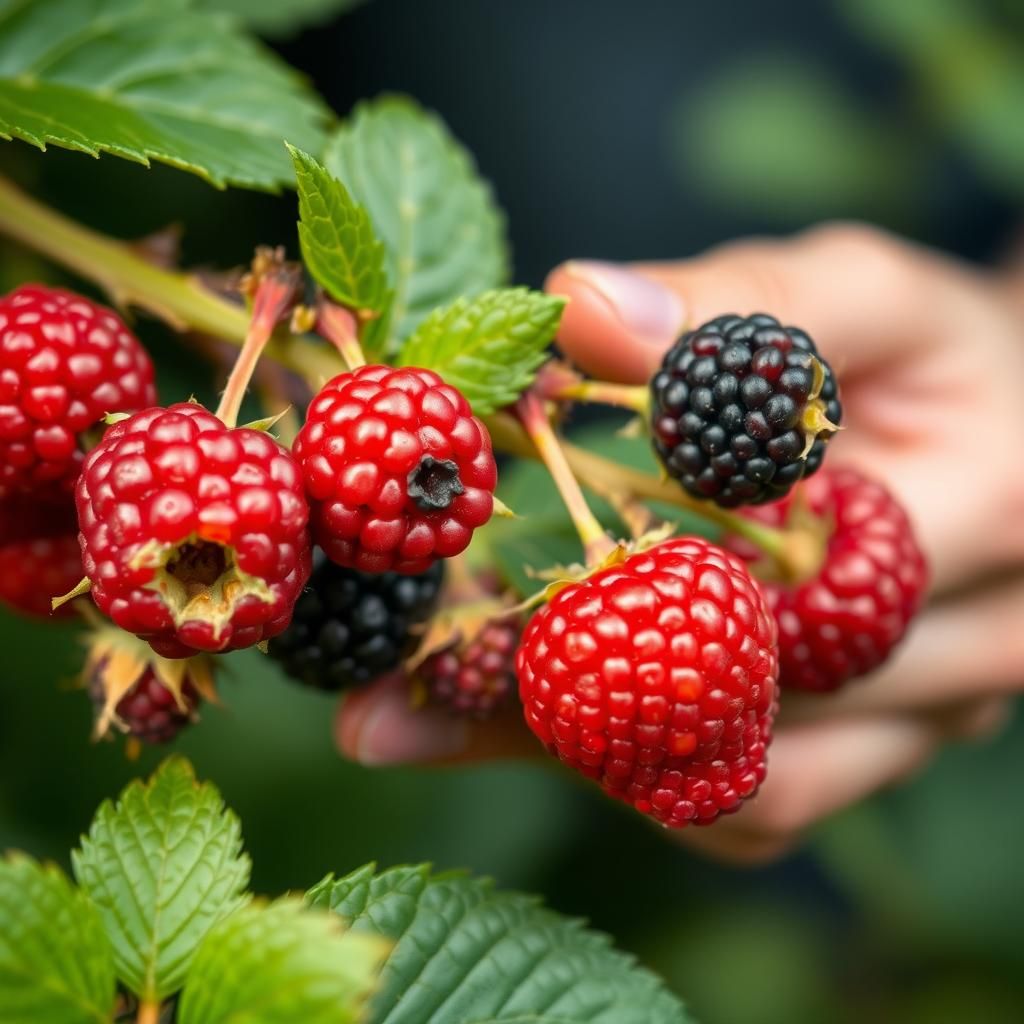
When it comes to growing delicious berries, selecting the right location for planting is crucial. Whether you’re aiming for juicy strawberries, plump blueberries, or tart raspberries, the ideal spot can significantly impact your garden’s success. In this article, we'll explore expert tips on choosing the best locations for berry planting, taking into account factors such as sunlight, soil quality, and drainage. By understanding these essentials, you can create a thriving berry garden that will yield bountiful harvests year after year. Get ready to dig in and transform your outdoor space into a berry paradise!
Where is the Best Place to Plant Berries?
When considering the best place to plant berries, it's essential to focus on factors such as sunlight, soil type, and drainage. Ideally, berries thrive in a location that receives at least 6 to 8 hours of direct sunlight daily, as this promotes healthy growth and fruit production. The soil should be well-drained, as berries are prone to root rot if they sit in waterlogged conditions. A slightly acidic soil pH of around 5.5 to 6.5 is optimal for most berry plants, ensuring they can access the necessary nutrients. Additionally, selecting a spot sheltered from harsh winds can help protect the plants, making your gardening efforts more fruitful.
Sunlight Requirements
Berries need ample sunlight to grow and produce fruit efficiently. The ideal location for planting berries is one that receives at least 6 to 8 hours of direct sunlight every day. Insufficient sunlight can lead to weakened plants, reduced fruit yield, and increased vulnerability to pests and diseases. By choosing a bright and open area in your garden, you can significantly improve your chances of a successful berry harvest.
Soil Type
The type of soil you choose for planting berries plays a crucial role in their overall health. Berries prefer loamy, well-drained soil that retains moisture without becoming soggy. A soil that is too clay-heavy may hinder drainage, leading to compromised root health. It's beneficial to test the soil and amend it with organic matter, such as compost, to enhance its structure and fertility, allowing berries to thrive.
Drainage Considerations
Proper drainage is vital when planting berries, as sitting water can cause serious issues like root rot. Ensure that the planting area has good drainage, either by selecting a naturally elevated site or by amending the soil to improve its ability to shed excess water. Additionally, raised beds can be an effective way to provide better drainage for berry plants, preventing water-related problems and promoting healthy root development.
See also:
Wind Protection
In addition to sunlight and soil conditions, providing some degree of protection from strong winds is critical for successful berry cultivation. Wind can not only cause physical damage to the plants but can also disrupt pollination and lead to stress. Installing windbreaks, such as hedges or fences, can provide a more sheltered environment, fostering better growth and fruit production over time.
Climate Considerations
Understanding your local climate is essential when determining the best place to plant berries. Most berry varieties have specific temperature and moisture requirements, making it important to select a planting spot that aligns with their needs. Researching which types of berries grow well in your area will help you make informed decisions about timing and location, ensuring your plants have the best chance to thrive.
| Factor | Ideal Condition |
|---|---|
| Sunlight | 6 to 8 hours per day |
| Soil Type | Loamy, well-drained |
| Drainage | Effective drainage, avoid waterlogging |
| Wind Protection | Partial shelter from strong winds |
| Climate | Appropriate for chosen berry variety |
Choosing the Right Location for Your Berry Garden
When selecting the ideal location for your berry garden, consider a spot that receives at least 6 to 8 hours of direct sunlight daily. Berries thrive in well-drained soil that is rich in organic matter. It's also important to choose a location with good air circulation to help prevent fungal diseases. Additionally, ensure the area is protected from strong winds and has a slight slope to facilitate drainage. By giving your berries the right environment, you can significantly enhance their growth and fruit yield.
Soil Requirements for Berry Plants
The type of soil you choose for planting berries is crucial for their growth. Most berry plants prefer slightly acidic to neutral soil, with a pH level between 5.5 and 7.0. Conducting a soil test before planting can help you determine the nutrient composition and adjustments needed. Incorporating compost or well-rotted manure can improve soil structure and fertility, leading to healthier plants and a more bountiful harvest.
Sunlight Needs of Different Berry Varieties
Different types of berries have varying sunlight requirements. For instance, strawberries and raspberries typically do best in full sun, while some blueberry varieties can tolerate a bit of partial shade. Understanding the specific needs of each berry type you plan to grow will help optimize their growth conditions and maximize fruit production.
See also:
Watering Techniques for Optimal Growth
Proper watering is essential for berry plants, especially during their establishment phase. Berries generally require consistent moisture but should not sit in waterlogged soil. A thorough drip irrigation system is ideal, as it efficiently delivers water directly to the roots without wetting the foliage. Remember that during dry spells, keeping the soil evenly moist is critical for maintaining healthy plants and improving fruit quality.
Protecting Your Berry Garden from Pests
Striped beetles, aphids, and birds can pose significant threats to your berry plants. Implementing integrated pest management strategies, such as introducing beneficial insects or using netting to protect ripe fruits, can help reduce these risks. Regular monitoring of your plants for any signs of pest damage will allow you to take immediate action, ensuring a healthy and productive berry crop.
Companion Planting for Berry Success
Certain plants can benefit berry growth through companion planting. For instance, planting garlic or onions nearby can deter harmful pests, while marigolds attract beneficial insects. Additionally, beneficial companions like borage can enhance pollination and soil health. Understanding which plants grow well together can lead to a flourishing berry garden and increased yields.
Questions from Our Readers
Where is the best place to plant berries?
The best place to plant berries is in full sun, where they can receive at least 6-8 hours of direct sunlight daily. This will help the plants produce sweeter and healthier fruits. Additionally, choosing well-drained soil with plenty of organic matter will promote strong growth and fruit production.
What type of soil is ideal for planting berries?
Berries thrive in loamy or sandy soil that is rich in organic matter. It's essential to ensure the soil has good drainage to prevent waterlogging, which can damage the roots. Adding compost or well-rotted manure can enhance soil structure and fertility, benefiting berry plants.
See also:
Should berries be planted in a garden or pots?
Berries can be grown successfully in both gardens and pots, depending on the space available and your gardening preferences. However, planting in containers might require more frequent watering and fertilization, as pots can dry out more quickly than garden beds.
How much space do berries need when planted?
When planting berries, it's important to provide enough spacing between each plant to ensure proper air circulation and sunlight exposure. Generally, you should allow 3-5 feet between each plant, depending on the berry variety, to minimize competition for nutrients and reduce the risk of disease.

If you want to read more articles like Where is the Best Place to Plant Berries? Expert Tips for Thriving Berry Gardens, we recommend you check out our Berries category.
Leave a Reply
Related Articles