Are Berries Difficult to Grow? Exploring Challenges and Tips for Successful Cultivation

Berries are among the most popular fruits, celebrated for their vibrant colors, delightful flavors, and numerous health benefits. However, cultivating them can pose significant challenges for both novice and experienced gardeners. Factors such as soil quality, climate conditions, pests, and diseases can hinder successful growth. This article dives into the complexities of berry cultivation, examining common obstacles and providing practical tips to help you overcome these hurdles. By understanding the unique requirements of berries, you can enhance your gardening experience and enjoy a bountiful harvest of these delicious fruits. Discover how to turn your berry-growing aspirations into reality.
Are Berries Difficult to Grow?
Growing berries can present a range of challenges, but many gardeners find them rewarding. The difficulty level often depends on the type of berry, the growing conditions, and the gardener's experience. For instance, varieties like strawberries and raspberries are generally easier to cultivate, requiring less specialized care and producing fruit more quickly. In contrast, berries such as blueberries require specific soil conditions and pH levels, which can add complexity to their cultivation. Therefore, while some berries are relatively simple to grow, others may demand a more knowledgeable approach regarding their specific requirements.
Common Challenges in Berry Cultivation
One of the most common challenges in berry cultivation is the presence of pests and diseases. Berries can attract various insects, such as aphids and spider mites, which can damage plants and reduce yields. Additionally, diseases like powdery mildew and root rot can affect berry bushes if not properly managed. Regular monitoring and intervention are vital to keep these issues under control and ensure a healthy harvest.
Soil Requirements for Different Berries
Berries have varying soil requirements, which can make growing them tricky. For example, blueberries thrive in acidic soils with a pH between 4.5 and 5.5, while blackberries prefer slightly alkaline conditions. This means that understanding and amending soil according to the specific needs of each type of berry is crucial. Testing soil before planting and using the right amendments can help provide an optimal growing environment.
Climate Considerations
The climate is another critical factor that can influence berry cultivation. Most berries thrive in regions with temperate climates, requiring a certain number of chill hours during the winter to establish fruit bud development. However, varieties such as strawberries are more adaptable and can be grown in warmer climates if proper care is taken. Understanding the local climate conditions and selecting appropriate berry varieties for those conditions can significantly impact success.
Watering and Irrigation Needs
Watering is essential for berry production, but managing the right amount of water can be tricky. Berry plants need consistent moisture, especially during fruit development, but overwatering can lead to issues like root rot. Implementing a drip irrigation system can help provide the necessary water while minimizing excess that can harm the plants. Balancing water supply based on weather conditions and soil moisture levels is key to healthy plants.
Harvesting Techniques
The method of harvesting berries can also influence the ease of growing them. Some berries, like strawberries, must be picked carefully to avoid bruising, while others can be harvested more aggressively. Understanding the optimal time for harvesting and the best techniques can enhance the overall yield and quality of the fruit. Timely harvesting ensures that berries are picked at their peak flavor and sweetness, contributing to a better gardening experience.
| Berry Type | Difficulty Level | Soil pH Preference |
|---|---|---|
| Strawberries | Easy | 6.0 - 6.8 |
| Blueberries | Moderate | 4.5 - 5.5 |
| Raspberries | Moderate | 5.5 - 6.5 |
| Blackberries | Easy | 6.0 - 7.0 |
| Cranberries | High | 4.5 - 5.5 |
How difficult is it to grow berries?
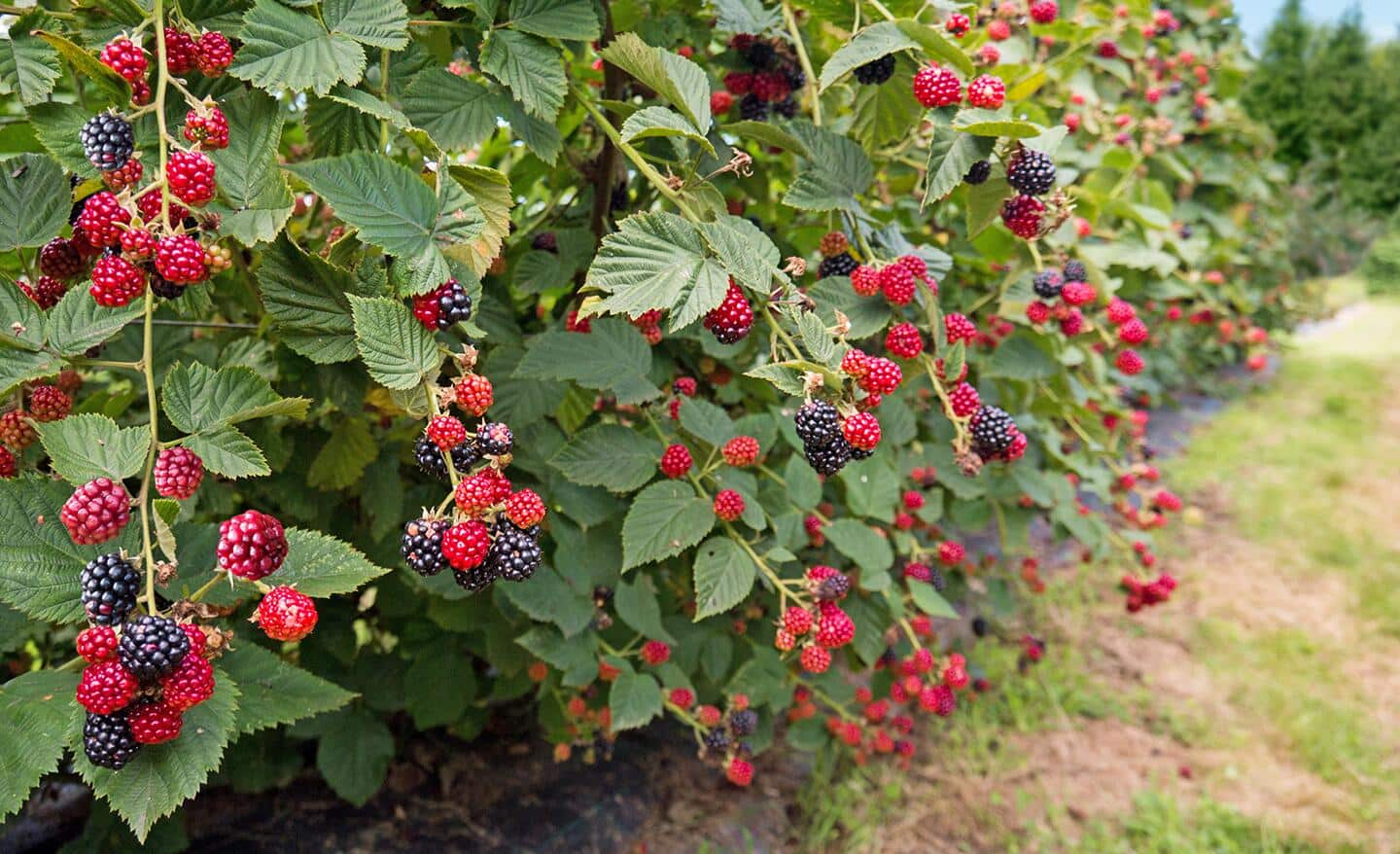

Growing berries can vary in difficulty depending on several factors, including the type of berry, environmental conditions, and the grower's experience. Some berries, like strawberries, can be relatively easy to grow, while others, such as blueberries, can require more specific conditions and care. Here’s a detailed exploration of the challenges and considerations involved in berry cultivation.
Types of Berries and Their Difficulty Levels
Different types of berries come with their own set of challenges. Some are easier to cultivate than others due to their adaptability to different soil and climate conditions.
- Strawberries - Generally considered easy to grow; they flourish in various conditions and can produce fruit within the first year.
- Raspberries - Moderately easy; they require specific pruning and can spread rapidly if not managed.
- Blueberries - More challenging due to their need for acidic soil and specific pH levels; they can be finicky in terms of watering and nutrition.
Climate and Soil Requirements
The environmental conditions significantly impact berry growth. Each berry variety has specific requirements that must be met to yield healthy plants and fruitful harvests.
- Climate - Most berries prefer temperate climates, though some can thrive in cooler or warmer regions.
- Soil Type - Proper soil composition is critical; for example, blueberries thrive in well-draining, acidic soils, while strawberries prefer loamy soils with good drainage.
- Sunlight - Berries typically require full sun, making location choice essential for successful growth.
Pest and Disease Management
Berries are susceptible to various pests and diseases that can hinder growth and reduce yields. Proper management is essential to maintain plant health.
- Pests - Common pests like aphids and spider mites can attack berry plants, requiring vigilance and potentially chemical or organic treatments.
- Diseases - Fungal diseases such as powdery mildew or root rot can occur, necessitating preventive measures and resistant plant varieties.
- Regular Monitoring - Frequent inspection of plants is important to catch problems early and implement effective control measures.
Watering and Fertilization
Establishing a regular watering and fertilization schedule is crucial for berry growth, as both water and nutrients greatly influence yield and quality.
- Water Requirements - Berries generally need consistent moisture, and over or under watering can lead to poor growth and fruiting.
- Fertilizers - The right type and timing of fertilization can promote healthy growth; organic options are often preferred by many growers.
- Soil Testing - Regular soil tests can help ensure that nutrient levels are adequate for the specific requirements of different berry types.
Harvesting and Maintenance
Proper harvesting and maintenance practices are necessary for maximizing yields and ensuring the longevity of the plants.
- Timing - Knowing when to harvest is crucial, as picking at the wrong time can affect flavor and quality.
- Pruning - Regular pruning helps manage plant health and encourages more fruitful production in subsequent years.
- Long-term Care - Continuous care, including mulching and protection from adverse weather, can significantly improve berry production and plant lifespan.
Why are blueberry bushes so hard to grow?

Blueberry bushes can be challenging to grow for several reasons. These plants have specific requirements in terms of soil, pH levels, climate, and care that must be met to thrive. Here are the key factors contributing to their difficulty in cultivation.
See also:
Soil Requirements
Blueberry bushes are highly sensitive to soil conditions. They thrive in acidic soil with a pH between 4.5 and 5.5. This unique preference can make it tough to establish them in areas where the soil is naturally alkaline or neutral.
- Soil Type: Blueberries prefer sandy, well-drained soils with high organic matter.
- pH Level: The soil must be tested and possibly amended to ensure the correct acidity.
- Nutrients: They require specific nutrients, often necessitating the addition of organic matter and acidic fertilizers.
Climate Considerations
The climate in which blueberry bushes are planted significantly impacts their growth. Blueberries generally prefer a temperate climate with cold winters and moderate summers, making them unsuitable for warmer regions.
- Chill Hours: Many varieties need a certain number of chill hours to produce fruit, which can be a limiting factor in warmer areas.
- Frost Sensitivity: Late frosts can damage blossoms, and mature bushes suffer in extreme temperatures.
- Humidity: High humidity can promote diseases, while too little moisture can affect growth.
Watering Needs
While blueberries need a consistent supply of water, they are also prone to root rot if overwatered. Their root systems require careful monitoring and management.
- Water Requirements: Blueberries typically need about 1 to 2 inches of water per week during the growing season.
- Drainage: Ensure the planting site has good drainage to prevent standing water.
- Irrigation Methods: Drip irrigation is often recommended to deliver moisture directly to the roots.
Pest and Disease Management
Blueberry bushes can be susceptible to various pests and diseases, making ongoing management a necessity for growers.
- Pests: Common pests include blueberry maggot, aphids, and spider mites which can damage the plants.
- Diseases: Fungal diseases such as botrytis and root rot can be serious threats.
- Prevention: Regular inspection and timely application of appropriate treatments can help manage these issues.
Pruning and Care Requirements
Proper pruning and care are essential for maintaining healthy blueberry bushes and ensuring optimal fruit production.
- Pruning: Blueberries require annual pruning to remove old wood and encourage new growth, which can intimidate gardeners.
- Spacing: Adequate spacing between shrubs is necessary to promote air circulation and reduce disease risk.
- Fertilization: Understanding the appropriate timing and type of fertilizers needed is crucial for plant health.
Questions from Our Readers
Are berries difficult to grow?
Growing berries can be challenging for some gardeners, but with the right conditions and care, they can be quite rewarding. Soil quality, sunlight, and water are vital for successful berry growth. Understanding the specific needs of each type of berry is also crucial as they can vary significantly.
What types of berries are easiest to grow?
Some of the easiest berries to grow include strawberries, blackberries, and raspberries. These varieties tend to adapt well to different climates and soil types, making them suitable for beginners. Additionally, they have relatively few pest issues compared to other fruits.
Do berries require a lot of maintenance?
While berries do need some level of maintenance, such as pruning and pest control, they are generally low-maintenance compared to other fruits. Regular watering and occasional fertilization will help ensure healthy growth, though the specific requirements can vary between different berry plants.
See also:
Can berries be grown in containers?
Yes, many types of berries can be successfully grown in containers, making them a great option for those with limited space. When growing berries in pots, it's important to choose large containers with good drainage and to provide appropriate soil and nutrients for optimal growth.

If you want to read more articles like Are Berries Difficult to Grow? Exploring Challenges and Tips for Successful Cultivation, we recommend you check out our Berries category.
Leave a Reply
Related Articles