Effective Solutions: What Do You Spray for Aphids on Vegetables?
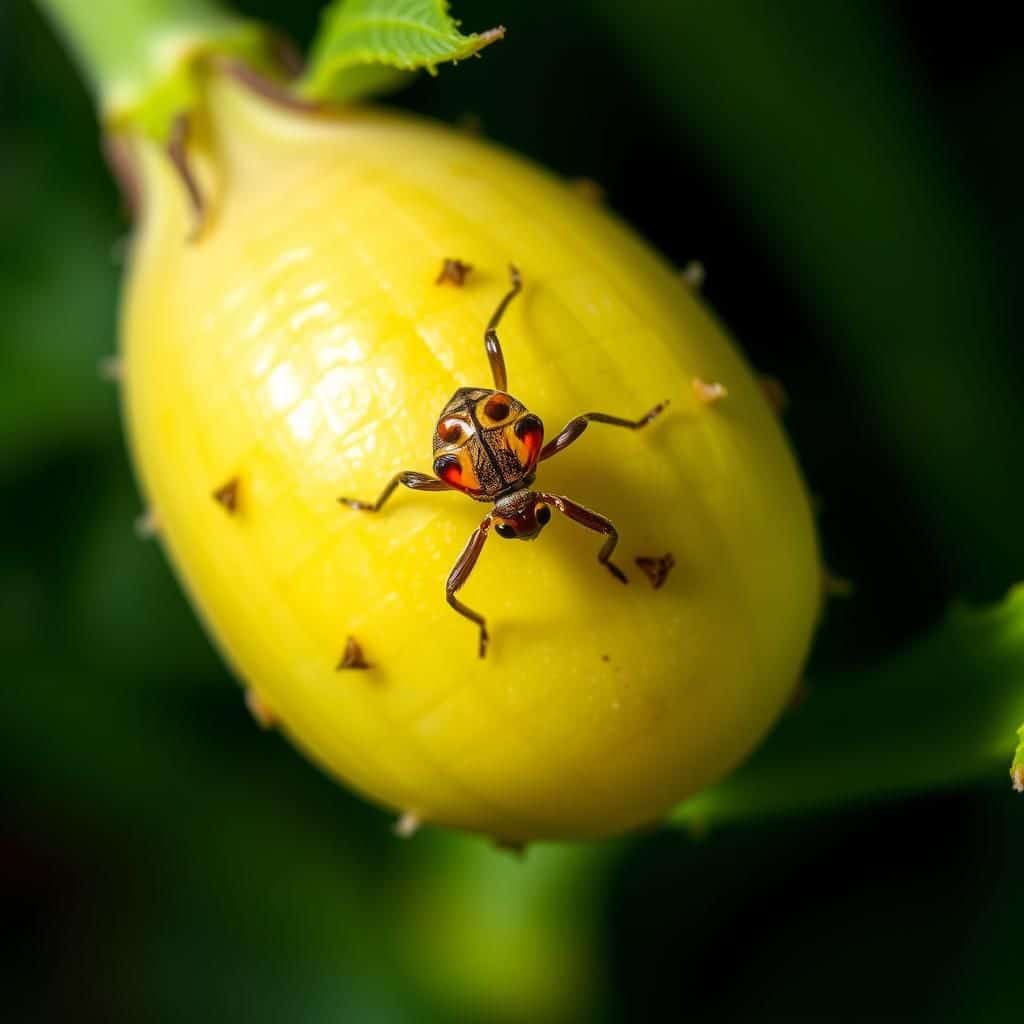
Aphids are notorious pests that can wreak havoc on vegetable gardens, sucking the sap from plants and stunting their growth. They reproduce rapidly, making effective control measures essential for any gardener looking to protect their crops. In this article, we will explore a variety of effective solutions to manage aphid populations on vegetables. From natural remedies to commercially available insecticides, we will discuss the pros and cons of each method, helping you make informed decisions in your fight against these small but damaging insects. Discover the best strategies to keep your vegetable garden healthy and thriving.
Effective Sprays for Controlling Aphids on Vegetables
To effectively manage aphids on vegetables, you can use several types of sprays, including insecticidal soaps, neem oil, and homemade remedies. Insecticidal soaps work by suffocating the aphids, while neem oil disrupts their life cycle and deters feeding. For homemade solutions, a mixture of water, dish soap, and garlic can be effective in repelling these pests. Always ensure to apply your chosen spray in the early morning or late evening to avoid harming beneficial insects and to achieve optimal results.
Insecticidal Soaps
Insecticidal soaps are a popular choice for gardeners looking to tackle aphid infestations on their vegetables. These soaps contain fatty acids that penetrate the protective outer layer of aphids, causing dehydration and ultimately leading to their demise. When using insecticidal soaps, it is crucial to cover all plant surfaces, including the undersides of leaves where aphids often hide. This method is particularly effective because it targets only soft-bodied insects without harming beneficial pollinators or predatory insects.
Neem Oil
Neem oil is derived from the seeds of the neem tree and serves as both an insecticide and a plant growth regulator. Its active compound, azadirachtin, disrupts the feeding habits and reproductive cycles of aphids and other pests. When applied to vegetable plants, neem oil not only repels aphids but also can help control other common pests. It’s essential to dilute neem oil properly and apply it during cooler hours to prevent leaf burn and ensure effectiveness in eliminating aphids.
Homemade Garlic and Soap Spray
Creating a homemade spray using garlic and dish soap is a natural remedy that can deter aphids and other insect pests. To make this spray, blend several cloves of garlic with water, strain the mixture, and add a few drops of dish soap to enhance its adhesion to plant surfaces. The strong scent of garlic acts as a repellent, while the soap helps the liquid adhere better to the leaves. This eco-friendly solution is safe for vegetables and can deter aphids when applied regularly.
See also:
Essential Oils
Certain essential oils, such as peppermint, rosemary, and tea tree oil, can effectively repel aphids when mixed with water and applied as a spray. These oils contain natural compounds that deter aphids due to their strong scents. When using essential oils, it’s important to dilute them properly in water and add a few drops of mild soap to aid in emulsification. This spray should be applied regularly for best results and can provide a pleasant fragrance to your garden while protecting your vegetables.
Horticultural Oils
Horticultural oils are refined petroleum products designed to suffocate insects like aphids and are a suitable option for organic gardening. These oils coat the aphids, blocking their breathing pores, which ultimately leads to their death. Horticultural oils can be mixed with water and sprayed directly onto the affected plants, ensuring complete coverage for maximum efficacy. It is most effective when applied during the early stages of an aphid infestation and is safe for use on most vegetables when used according to label instructions.
| Spray Type | Effectiveness | Application Frequency |
|---|---|---|
| Insecticidal Soap | High | Every 5-7 days |
| Neem Oil | Moderate to High | Every 7-14 days |
| Homemade Garlic Spray | Moderate | Weekly |
| Essential Oils | Moderate | Every 5-10 days |
| Horticultural Oils | High | As needed |
Natural Remedies for Controlling Aphid Infestations on Vegetables
Utilizing natural remedies for controlling aphids is an effective approach that minimizes damage to your vegetable crops while being environmentally friendly. Common methods include using insecticidal soaps and neem oil, which disrupt the aphid's feeding and breeding cycles. Spraying a mixture of water and pure soap helps to suffocate the insects, while neem oil introduces natural compounds that repel and disrupt their life cycle. Additionally, introducing beneficial insects, such as ladybugs and lacewings, can naturally lower the aphid population, providing a sustainable solution for maintaining healthy vegetable plants.
Insecticidal Soap: How It Works
Insecticidal soap is made from natural fats and oils, making it safe for the environment and people while targeting aphids effectively. The soap penetrates the aphid's outer shell, disrupting their cell membranes and resulting in dehydration. It's crucial to apply it directly onto the aphids for maximum effectiveness, often requiring multiple treatments to manage repeat infestations.
Neem Oil: A Natural Pesticide
Neem oil is derived from the seeds of the neem tree and acts as both a repellent and a growth inhibitor for aphids. It contains active compounds like azadirachtin, which deter pests from feeding and disrupt their hormonal balance, preventing them from maturing and reproducing. Diluting neem oil with water and a few drops of dish soap enhances adhesion and effectiveness when sprayed on affected plants.
See also:
Companion Planting to Deter Aphids
Companion planting involves growing certain plants together that can help ward off aphids through natural means. For instance, planting marigolds near vegetables can repel aphids due to their strong scent. Additionally, herbs like basil and dill can attract beneficial insects that prey on aphids, promoting a more balanced and pest-resistant garden ecosystem.
Encouraging Beneficial Insects
Introducing beneficial insects such as ladybugs and lacewings can greatly reduce aphid populations. These insects feed voraciously on aphids, providing a natural form of pest control. You can attract these helpful allies by planting flowers and herbs that are nectar-rich, creating a sanctuary for these predatory insects and ensuring they remain in your garden.
Homemade Solutions: Garlic and Pepper Spray
Creating a homemade spray using garlic or hot pepper is a straightforward and cost-effective method for combating aphids. Blending garlic cloves or hot peppers with water, straining the mixture, and then spraying it onto infested plants can produce a strong odor or flavor that repels aphids. This method is not only economical but also ensures that no harmful chemicals are being used on your vegetables.
Questions from Our Readers
What is the best natural spray for aphids on vegetables?
To effectively combat aphids, you can use a natural insecticidal soap or neem oil. These options are effective in suffocating the aphids and disrupting their life cycle. Dilute the solution according to the instructions and apply it to affected plants, making sure to cover the undersides of leaves where aphids often hide.
How often should I spray for aphids on my vegetables?
It is recommended to spray for aphids every 7 to 10 days until the infestation is under control. Regular spraying helps to keep the aphid population in check, especially during peak infestation periods. Always monitor your plants closely to determine the effectiveness of your treatments.
See also:
Can I use vinegar to spray for aphids on vegetables?
Yes, a diluted vinegar solution can be used as a natural remedy to deter aphids. However, it’s important to use it with caution, as high concentrations can damage plant foliage. Mix one part vinegar with three parts water, and test on a small area of the plant before widespread application.
Are there any beneficial insects that can help control aphid populations?
Yes, introducing beneficial insects such as ladybugs and lacewings can significantly help in controlling aphid populations. These insects are natural predators of aphids and can effectively reduce their numbers without harming your vegetable plants. Consider creating a welcoming habitat for them in your garden.

If you want to read more articles like Effective Solutions: What Do You Spray for Aphids on Vegetables?, we recommend you check out our Insects category.
Leave a Reply
Related Articles