Why are Peonies Poisonous? Understanding the Risks and Effects of Peony Poisoning

Peonies are beloved for their stunning blooms and sweet fragrance, often gracing gardens and floral arrangements. However, lurking beneath their beauty is a lesser-known truth: peonies are toxic to both humans and certain animals. Understanding why these charming flowers can pose a risk is essential for pet owners and gardening enthusiasts alike. This article delves into the complexities of peony poisoning, exploring the compounds responsible for their toxicity, the potential effects on health, and important safety measures to take. By gaining insight into the risks associated with peonies, individuals can appreciate their allure while remaining vigilant about their dangers.
Why Are Peonies Poisonous?
Peonies are known for their beauty and are often cultivated in gardens, but it is important to note that they can be toxic to both humans and animals. The main reason for their poisonous effects is the presence of certain alkaloids, primarily paeonol, which can induce symptoms such as nausea, vomiting, and diarrhea if ingested in significant quantities. While peonies are not typically lethal, their poisonous compounds can cause discomfort, making it essential to exercise caution, especially around pets and small children.
What Parts of Peonies Are Toxic?
Most parts of the peony plant, including the roots, stems, and leaves, contain the potent alkaloids that can lead to toxicity. The highest concentrations are often found in the roots, which makes them particularly hazardous if ingested. This is why it's advisable to keep peonies out of reach of pets and children, as accidental consumption can lead to adverse effects.
Symptoms of Peony Poisoning
Symptoms of peony poisoning can vary depending on the amount consumed. Common symptoms include abdominal pain, nausea, vomiting, and diarrhea. In severe cases, individuals may experience drowsiness or difficulty breathing, although this is rare. It's crucial to seek medical attention if ingestion occurs, as these symptoms can lead to further complications without proper care.
How to Prevent Peony Poisoning
Preventing peony poisoning involves taking certain precautions. Gardeners should consider planting peonies in areas that are less accessible to children and pets. Educating family members about the toxicity of the plant is also vital in preventing accidental ingestion. Additionally, proper maintenance of the garden to avoid overgrowth can reduce the likelihood of close contact with the toxic parts of the plant.
Are All Varieties of Peonies Poisonous?
While most peony varieties contain the same alkaloids and can be deemed toxic, the severity of poisoning may vary across different types. However, generally, it is wise to treat all varieties with caution as they can potentially cause the same negative reactions if consumed. Some species may have lower concentrations of toxic compounds, but it's safest to err on the side of caution.
What to Do in Case of Ingestion?
In case of inadvertent ingestion of peonies, it is important to remain calm and assess the situation. If minor symptoms such as nausea or vomiting occur, drinking plenty of water might help mitigate the effects. However, if more severe symptoms arise or if a large amount has been consumed, it is imperative to seek medical assistance immediately, as healthcare professionals can provide the appropriate treatment and care.
| Symptom | Description |
|---|---|
| Nausea | Feeling sick and the urge to vomit. |
| Vomiting | Expelling the contents of the stomach through the mouth. |
| Diarrhea | Frequent, loose, or watery bowel movements. |
| Drowsiness | Feeling unusually sleepy or lethargic. |
| Difficulty Breathing | Struggling to take in air, feeling breathless. |
What is the superstition about peonies?
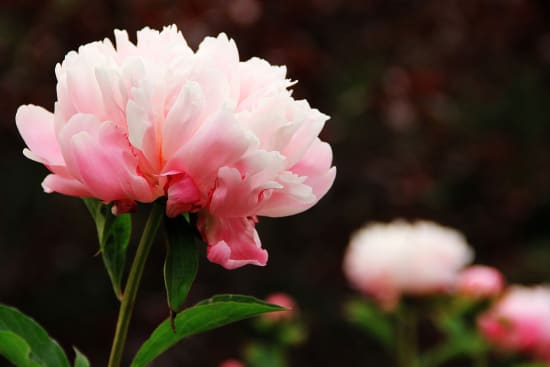
Peonies have long been associated with various superstitions and beliefs in different cultures around the world. These beliefs often reflect the beauty of the flower and its ephemeral nature, as well as the emotions linked to love, prosperity, and protection against evil.
One of the prominent superstitions is that peonies are considered to bring good fortune and happiness. In Chinese culture, they are often associated with wealth and prosperity, symbolizing a happy marriage and good luck. In some traditions, peonies are believed to ward off evil spirits and bring peace to the home.
Another belief is that planting peonies near the home will protect it from misfortune. Some people think that these flowers can attract positive energy to the household and safeguard it from negative influences. It is believed that their presence can enhance love and joy within the family.
Moreover, in the realm of love, peonies are often deemed as a symbol of romantic emotions. They are commonly used in weddings and romantic gestures, representing deep affection and a sense of longing. Many believe that gifting peonies can strengthen bonds between lovers and bring good luck to their relationship.
The Symbolism of Peonies
Peonies are rich in symbolism across various cultures, often representing multiple aspects such as:
See also:
- Love: They symbolize passionate love and romance.
- Prosperity: In Chinese culture, peonies are associated with wealth and good fortune.
- Protection: They are thought to protect against evil spirits and misfortune.
Peonies in Chinese Culture
In Chinese culture, peonies are revered and often referred to as the king of flowers. Their significance can be understood through various customs and traditions:
- Wealth: They represent prosperity and are often featured in art and decorations related to wealth.
- Marriage: Their beauty makes them a popular choice in wedding ceremonies.
- Good Luck: Displaying peonies is believed to bring good luck to the home.
The Role of Peonies in Folklore
Peonies have made their mark in folklore as symbols of protection and blessings. Various stories include:
- Ward Off Evil: Many cultures believe that planting peonies near a home protects it from negative forces.
- Emotional Healing: They are thought to provide comfort to those who are grieving.
- Spiritual Connections: Some believe that peonies can bridge connections with the spiritual realm.
Peonies and Love
The association between peonies and love is deeply rooted in both romantic and platonic relationships, featuring aspects such as:
- Gift of Affection: Gifting peonies can symbolize deep affection and commitment.
- Wedding Symbol: Their presence in weddings represents a harmonious union.
- Hope and Reconciliation: Peonies are often used to mend relationships and foster hope.
Care and Cultivation of Peonies
To fully enjoy the beauty and believed benefits of peonies, proper care and cultivation practices are essential:
- Planting Location: Choose a sunny spot in well-drained soil for optimal growth.
- Watering: Keep the soil moist but not overly soggy, as peonies do not thrive in waterlogged conditions.
- Pruning: Regularly prune peonies to promote healthy blooms and remove any diseased parts.
Are peonies safe to touch?

Peonies are a popular garden plant known for their large, fragrant blooms. When it comes to touching peonies, they are generally considered safe for most individuals. However, it's important to consider a few factors regarding their safety.
Allergic Reactions
Some people may experience allergic reactions when coming into contact with peonies. This can result from sensitive skin reacting to the plant's sap or pollen. Symptoms may include:
- Skin irritation: Redness or mild rash can develop on the skin.
- Respiratory issues: Sneezing or difficulty breathing may occur in sensitive individuals.
- Other symptoms: Itchy eyes or runny nose may also manifest.
Toxicity of Peonies to Pets
While peonies are safe for human touch, they are toxic to pets. If ingested, peonies can cause adverse reactions in dogs and cats. Common symptoms of poisoning in pets include:
- Vomiting: Pets may vomit after eating parts of the peony.
- Diarrhea: Gastrointestinal upset may lead to diarrhea.
- Lethargy: Affected pets may seem unusually tired or inactive.
Handling Peonies Safely
When handling peonies, it's best to take some precautions to ensure a safe experience. Here are some tips for handling them:
- Wear gloves: To protect sensitive skin and prevent any allergic reactions.
- Wash hands afterward: Always wash your hands after touching the plant.
- Avoid face contact: Refrain from touching your face after handling the flowers to prevent any potential reactions.
Cultivation and Care
See also:
Understanding how to care for peonies can enhance their enjoyment and safety. Proper cultivation includes:
- Planting: Ensure well-draining soil and adequate sunlight for growth.
- Watering: Water them deeply but infrequently, allowing soil to dry out between watering.
- Fertilization: Use a balanced fertilizer in spring to promote healthy blooms.
Medicinal Uses and Precautions
Peonies also have a history in traditional medicine, but caution is advised. If considering any medicinal use:
- Consult a doctor: Always talk to a healthcare professional before trying herbal remedies.
- Research: Familiarize yourself with potential side effects and interactions with other medications.
- Use correctly: Ensure correct dosing and application to avoid possible adverse effects.
Are peony petals safe to eat?

Peony petals are often admired for their beauty and fragrance, but the question of their edibility and safety for consumption arises. While peonies (Paeonia species) are not known to be toxic, it is important to approach their consumption with caution due to several factors.
Firstly, it's essential to consider that not all peonies are cultivated for culinary purposes, as some may have been treated with pesticides or other chemicals that are not safe for ingestion. Moreover, individual reactions to flower petals can vary, so even non-toxic flowers may cause allergic reactions or digestive issues in some people. Generally, peony petals can be consumed in small amounts, and they are often used as a decorative element in salads or desserts. However, it is advisable to ensure that they are grown organically and washed thoroughly before consumption.
Are Peony Petals Edible?
Peony petals are technically edible, as they do not contain any toxic substances. However, they are not commonly found in culinary applications compared to other edible flowers like nasturtiums or calendulas. When consumed, they offer a mild flavor that can complement various dishes, particularly in salads and as garnishes. The edible parts of the flower primarily include the petals, which can be sprinkled over dishes for aesthetic appeal.
- Surprisingly, peonies have been used historically in certain cultures for their medicinal properties.
- The flavor profile of peony petals is generally floral and subtle, making them suitable for accentuating dishes.
- Peony petals are rich in pigment, so they can also serve as a natural food coloring in some recipes.
Culinary Uses of Peony Petals
In culinary practices, peony petals can be utilized in various creative ways. They can be added to salads, desserts, or beverages to enhance the visual appeal and add a hint of floral flavor. While not a primary ingredient in gourmet dishes, their use can elevate the presentation.
- In salads, peony petals can replace or complement other edible flowers.
- Petals can be candied to create unique confectionery items.
- When steeped in hot water, they can be used to brew herbal teas.
Health Benefits and Precautions
Peony petals may offer some health benefits, as many edible flowers contain antioxidants, vitamins, and minerals. However, moderation is essential as consuming large quantities can potentially lead to stomach upset. It is also crucial to seek out organically grown flowers, as chemicals used in conventional gardening can pose health risks.
- Peony petals are believed to have anti-inflammatory properties.
- They may also contain vitamins that promote skin health.
- Consulting with a healthcare provider before consuming any flower petals is advisable, especially for those with allergies.
Allergic Reactions and Sensitivities
As with any plant material, some individuals may experience allergic reactions to peony petals. Symptoms can include itching, swelling, and gastrointestinal distress. It's important to test a small amount before consuming them in larger quantities to gauge any potential adverse reactions.
- Perform a patch test to determine any allergic response to skin contact.
- Start by consuming only a small amount if trying peony petals for the first time.
- Seek immediate medical attention if experiencing severe allergic symptoms such as difficulty breathing.
Conclusion on Safety and Edibility
In summary, peony petals are generally safe to eat in moderate amounts, provided they are sourced organically and handled properly. Although numerous culinary possibilities exist, caution should be exercised regarding potential allergies and chemical treatments. Always consult reliable sources or culinary experts when incorporating lesser-known edible flowers into your diet.
- Research and confirm the specific species of peony before consumption.
- Ensure proper cleaning and preparation of the petals.
- When in doubt, consult culinary professionals specializing in edible flowers.
Questions from Our Readers
Why are peonies considered poisonous?
Peonies contain compounds such as paeonol, which can be harmful if ingested in large quantities. While they are not highly toxic, symptoms of poisoning may include nausea, vomiting, and diarrhea. It is important to handle these plants with care and keep them away from pets and small children.
Can you eat peonies safely?
While some parts of peonies may be consumed in small amounts, it is generally not recommended to eat them due to their potential toxicity. The roots, leaves, and flowers can cause discomfort if ingested, so it is best to avoid eating any part of the plant.
See also:
What should I do if my pet eats peonies?
If your pet ingests peonies, it is advisable to contact a veterinarian immediately. They can provide guidance based on the amount ingested and the symptoms observed. Always be prepared to provide information about your pet's size and the part of the plant they consumed.
Are all varieties of peonies toxic?
Most species of peonies are considered to be mildly toxic, but the level of toxicity can vary between different varieties. Generally, it is best to assume that all peonies may pose a risk, especially to pets and children, and to take necessary precautions when planting or handling them.

If you want to read more articles like Why are Peonies Poisonous? Understanding the Risks and Effects of Peony Poisoning, we recommend you check out our Peony category.
Leave a Reply
Related Articles