Discover What is the Best Low Maintenance Perennial Plant for Your Garden

When it comes to gardening, many enthusiasts seek beautiful landscapes without the burden of extensive upkeep. Perennial plants offer a fantastic solution, as they return year after year, providing enduring charm with minimal effort. If you’re looking to enhance your garden with low maintenance options, it’s essential to identify which perennials thrive in your specific climate and soil conditions. In this article, we will explore some of the best low maintenance perennial plants, highlighting their unique features, care requirements, and benefits. Discover how you can create a stunning, hassle-free garden that brings joy with every blooming season.
What is the Best Low Maintenance Perennial Plant?
When considering the best low maintenance perennial plant, the Sedum often stands out due to its impressive resilience and adaptability. Sedum, commonly referred to as stonecrop, thrives in various conditions, including poor soil and drought, making it an ideal choice for those seeking a low-effort gardening option. This succulent plant showcases vibrant foliage and can produce striking flowers in late summer to early fall, attracting pollinators such as bees and butterflies. As a perennial, it returns year after year, allowing gardeners to enjoy its beauty with minimal upkeep.
Characteristics of Low Maintenance Perennials
Low maintenance perennials, like Sedum, possess unique characteristics that make them appealing to gardening enthusiasts. They require minimal watering, are often drought-tolerant, and usually resist common pests and diseases. Additionally, these plants often have longer blooming periods and can thrive in various soil types, which further reduces the need for constant care. These traits enable gardeners to enjoy beautiful landscapes without the extensive effort typically associated with traditional gardening.
Benefits of Choosing Sedum
Choosing Sedum as your perennial plant offers numerous benefits. This plant is not only aesthetically pleasing but also environmentally friendly, as it attracts beneficial insects. Sedum is extremely versatile, able to grow in rock gardens, containers, or as ground cover, enhancing the visual appeal of any space. Its ability to thrive in poor, dry soil reduces the need for amendments, while its exquisite blooms provide a pop of color that can brighten any garden.
Planting and Care Tips for Sedum
For successful planting and care, place Sedum in areas that receive full sun to partial shade. The soil should be well-draining to prevent waterlogging, and while Sedum is drought-tolerant, regular watering is beneficial during prolonged dry spells. Fertilization is generally unnecessary due to its low nutrient requirements. Additionally, Sedum can be divided every few years to promote healthy growth and prevent overcrowding, ensuring a vibrant display each season.
Popular Varieties of Sedum
Several varieties of Sedum are popular among gardeners, each with its unique charm. For instance, Sedum autumn joy features stunning pink blooms that turn to rust as the season progresses, while Sedum spurium is known for its ground-covering abilities and vibrant foliage. Additionally, Sedum reflexum, also known as blue stonecrop, showcases a striking bluish-green hue and is perfect for rockeries. By selecting the right variety, gardeners can tailor their landscapes to their personal predilections.
Combining Sedum with Other Plants
To create a dynamic landscape, consider combining Sedum with other resilient perennials. Pairing it with decorative grasses or flowering herbs can enhance visual interest and playfulness in a garden design. For example, planting it alongside daylilies or lavender can create a harmonious balance of textures and colors. Additionally, using Sedum as a filler plant within rock gardens or borders allows for an effective use of space while minimizing maintenance needs.
| Plant | Sun Requirements | Watering Needs | Soil Type |
|---|---|---|---|
| Sedum Autum Joy | Full Sun | Low | Well-draining |
| Sedum Spurium | Full Sun | Low | Well-draining |
| Sedum Reflexum | Full Sun | Low | Well-draining |
What is the easiest perennial to take care of?
:max_bytes(150000):strip_icc()/low-maintenance-perennials-busy-gardeners-purple-wood-sage-getty-0623-ea2c76eed6b84385950c4552d0cfe61b.jpg)
One of the easiest perennials to take care of is the Daylily (Hemerocallis). Known for its resilience and minimal maintenance needs, the daylily can thrive in various conditions, making it a popular choice among gardeners of all skill levels. Its vibrant flowers can bloom in a variety of colors and patterns, adding visual interest to any garden.
Benefits of Growing Daylilies
Daylilies offer numerous advantages for gardeners.
- Drought Tolerance: Once established, daylilies require minimal watering.
- Variety of Colors: They come in numerous colors and patterns, enhancing garden aesthetics.
- Pest Resistance: Daylilies are generally pest-resistant and less prone to diseases.
Ideal Growing Conditions for Daylilies
Understanding the ideal conditions for daylilies is crucial for their success.
- Soil: They prefer well-drained soil but are adaptable to various soil types.
- Sunlight: Full sun to partial shade is ideal for maximum bloom.
- Spacing: Proper spacing (12-18 inches apart) is essential for air circulation.
Common Growing Mistakes with Daylilies
Being aware of common mistakes can help in effectively growing daylilies.
- Overwatering: Excessive water can lead to root rot; it's essential to let the soil dry between waterings.
- Neglecting Fertilization: While they are low-maintenance, a light application of fertilizer in spring can promote better blooms.
- Crowding: Not allowing enough space can cause stunted growth and reduced flowering.
Pruning and Maintenance Tips
Although daylilies require little care, maintaining them can enhance their appearance.
See also:
- Deadheading: Removing spent blooms helps promote additional flowering.
- Dividing Clumps: Every 3-4 years, dividing the clumps can rejuvenate the plants.
- Weed Control: Regularly check and remove weeds to prevent competition for nutrients.
Choosing the Right Daylily Variety
With many varieties available, selecting the right one is key to enjoying daylilies.
- Tall Varieties: Ideal for the back of flower beds, providing height and color.
- Dwarf Varieties: Perfect for borders or container gardening, offering vibrant blooms without taking up much space.
- Reblooming Varieties: These can produce flowers multiple times in a season, providing extended beauty.
Which plant will last the longest perennial?
:strip_icc()/new-england-aster-purple-dome-48af2cce-7d9de8357ac749b686aa85f0a45a8716.jpg)
The plant that is often recognized for its longevity as a perennial is the Hosta. This plant can thrive for several decades, sometimes even over a century under ideal conditions. Hostas are known for their attractive foliage, resilience, and adaptability to a range of garden conditions. They are particularly well-suited for shaded areas, making them a popular choice for gardeners looking to enhance these spaces.
Understanding Perennials
Perennials are plants that live for more than two years and typically go through cycles of growth, blooming, and dormancy. In contrast to annuals, which need to be replanted each year, perennials return every season from their root systems. Here are some key points about perennials:
- Longevity: Many perennials can live for years, even decades, making them a sustainable choice for landscaping.
- Maintenance: While they require care, established perennials generally need less maintenance compared to annuals.
- Seasonal Growth: Perennials will have periods of dormancy, during which they may lose leaves and stop blooming, only to return stronger in the following season.
Characteristics of Long-Lasting Perennials
Long-lasting perennials often share specific traits that contribute to their endurance in garden environments. Understanding these characteristics can aid in selecting plants that will thrive over time. Some characteristics include:
- Adaptability: Plants that can survive in a range of soil types, light conditions, and climatic factors tend to last longer.
- Root Development: Strong root systems help perennials absorb water and nutrients more effectively, promoting healthier growth.
- Disease Resistance: Varieties that are resistant to diseases and pests tend to have longer lifespans.
Examples of Long-Lasting Perennials
In addition to hostas, several other perennial plants are known for their longevity. Exploring various options can provide better choices for diverse gardens and landscapes. Some notable examples include:
- Daylilies: Known for their vibrant blooms and ability to thrive in many environments.
- Peonies: These plants can live for over 50 years with proper care and are renowned for their beautiful flowers.
- Asparagus: While primarily known as a vegetable, asparagus is also a perennial that can produce for 15-20 years.
Caring for Long-Lasting Perennials
Even the most resilient perennials require proper care to ensure their longevity. Providing appropriate conditions can significantly enhance the life expectancy of these plants. Key care tips include:
- Soil Quality: Ensure well-draining, nutrient-rich soil to support healthy root systems.
- Watering: Regular watering, especially during dry spells, can help maintain plant vigor.
- Pruning: Regularly removing dead or diseased foliage promotes better airflow and encourages more robust growth.
Choosing the Right Environment
Selecting the appropriate location for planting is crucial for the longevity of perennials like hostas. The environment plays a significant role in their success. Considerations include:
- Sunlight: Assess the amount of sunlight the area receives, as most perennials thrive in specific light conditions.
- Soil Drainage: Check for areas with good drainage to prevent root rot, as too much moisture can be detrimental.
- Companion Planting: Pairing perennials with complementary plants can enhance their health and longevity by improving soil quality and pest control.
What outdoor plants require the least maintenance?

The outdoor plants that require the least maintenance are typically those that are hardy, drought-tolerant, and can thrive in a variety of conditions without constant attention. Here are some examples of such low-maintenance plants:
1. Succulents
Succulents are popular for their ability to store water in their leaves, stems, or roots, making them extremely drought-resistant. They require minimal watering and can thrive in poor soil conditions. Their diverse shapes and colors add aesthetic value to gardens or patios.
- Water sparingly; allow to dry out between waterings.
- Prefer bright, indirect sunlight.
- Repotting is needed only every couple of years.
2. Lavender
Lavender is a hardy herb that not only requires little maintenance but also provides fragrant blooms and attracts beneficial insects. It's drought-tolerant and thrives in well-drained soil.
- Water only during extended dry spells.
- Prune after flowering to maintain shape.
- Thrives in full sun with minimal care.
3. Ornamental Grasses
Ornamental grasses are excellent for creating texture and movement in your landscape. They are very adaptable and can thrive in a variety of soil types, requiring very little upkeep.
See also:
- Require cutting back in early spring.
- They are drought-resistant once established.
- Self-seed and spread easily but manageable with occasional trimming.
4. Sedum
Sedum is another type of succulent that comes in various forms, both as ground covers and upright plants. They are perfect for rock gardens and are able to thrive with very little water.
- Prefers full sun to partial shade.
- Requires minimal watering once established.
- Very few pests or diseases.
5. Hostas
Hostas are shade-loving perennials that are incredibly low-maintenance. They can survive in challenging conditions and add a lush, green appearance to shaded areas of the garden.
- Minimal watering needed except during extreme heat.
- Divide every few years to promote growth.
- Natural pests are minimal, with occasional deer presence.
What is the most hardy perennial?
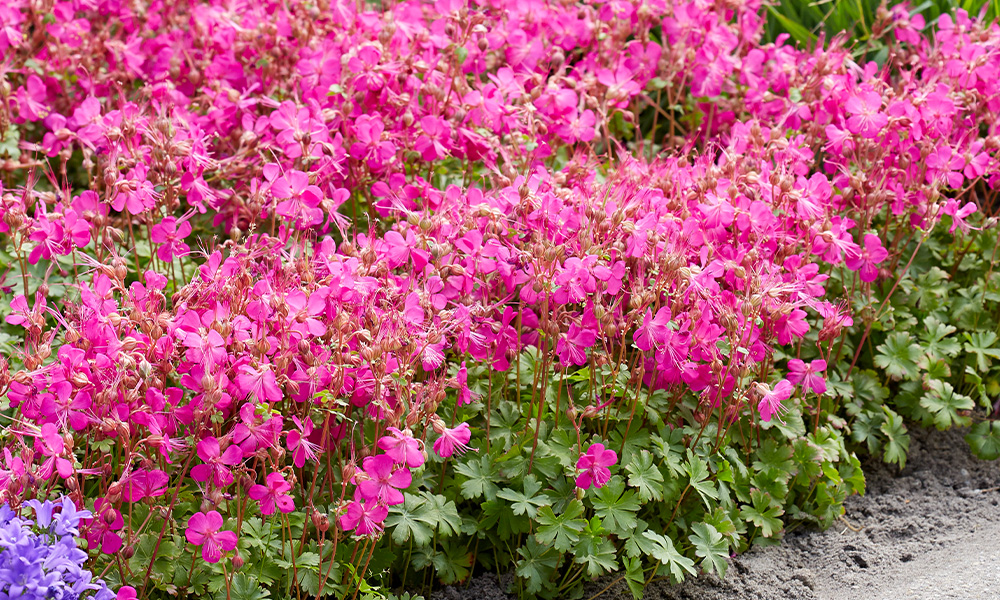
The most hardy perennial is often considered to be Helleborus, commonly known as the Lenten rose or Christmas rose. It is particularly valued for its ability to thrive in cold climates and its early flowering period, which can begin as early as late winter or early spring, depending on the species and local climate conditions. Helleborus is known for its unique flowers, which can be white, pink, purple, or even greenish, providing a welcome burst of color when most other plants are still dormant. Its lush, evergreen foliage also adds visual interest throughout the year.
Characteristics of Hardy Perennials
Hardy perennials like Helleborus share several key characteristics that allow them to thrive in a variety of climates and conditions.
- Cold Tolerance: These plants can withstand extremely low temperatures, often down to USDA zones 3 or 4, making them suitable for colder regions.
- Resilience: Hardy perennials have adapted to survive harsh winter weather and can bounce back in the spring.
- Low Maintenance: Once established, they typically require minimal care, which is ideal for busy gardeners.
Cultivation Requirements for Helleborus
Cultivating Helleborus effectively requires an understanding of its specific needs and preferences.
- Soil Type: Helleborus thrives in well-drained, organic-rich soils. Amending the soil with compost can improve drainage and nutrient content.
- Light Conditions: These perennials prefer partial shade to full shade, as they are naturally found in woodland environments.
- Watering Needs: While establishing, consistent watering is essential; however, mature plants are quite drought-tolerant.
Benefits of Growing Hardy Perennials
Choosing to grow hardy perennials like Helleborus can provide several benefits to gardeners and their landscapes.
- Year-Round Interest: Their foliage remains attractive throughout the year, and many flowering varieties provide blooms during early spring.
- Wildlife Support: Helleborus can attract pollinators such as bees, which are crucial for maintaining healthy ecosystems.
- Soil Improvement: Their root systems help aerate the soil and improve overall soil health over time.
Common Pests and Diseases
Although hardy perennials are generally robust, they can still be susceptible to certain pests and diseases.
- Black Death (Hellebore Leaf Spot): This fungal disease can cause dark spots on leaves and should be managed by ensuring good air circulation.
- Aphids: These small insects can sap the plant's strength but can often be controlled through natural predators or insecticidal soap.
- Root Rot: Overwatering can lead to root rot, so it’s important to monitor soil moisture and drainage carefully.
Popular Varieties of Hardy Perennials
There are many varieties of hardy perennials to choose from, including several different types of Helleborus.
- Helleborus orientalis: Known for its vibrant flowers, this species blooms in a range of colors and is one of the most common in gardens.
- Helleborus niger: Also known as the Christmas rose, it produces white flowers and is among the first to bloom in late winter.
- Helleborus foetidus: This variety is distinctive for its green flowers and unique foliage, offering a different aesthetic in the garden.
Questions from Our Readers
What is the best low maintenance perennial plant?
The best low maintenance perennial plant often recommended is the sedum. This succulent plant is known for its drought tolerance and ability to thrive in poor soil conditions while providing vibrant colors and textures throughout the seasons.
How often do low maintenance perennials need to be watered?
Low maintenance perennials typically require minimal watering once established, usually around once a week during dry spells. This frequency might vary depending on the climate and soil type, but the goal is to ensure the soil remains moist without becoming waterlogged.
Can low maintenance perennials survive in shaded areas?
Yes, many low maintenance perennials can thrive in shaded areas, with options like hostas and ferns that prefer less sunlight. Choosing the right plants for shade can still provide a lush and colorful garden without demanding much care.
What are some benefits of choosing low maintenance perennials?
Choosing low maintenance perennials comes with numerous benefits, such as reducing garden upkeep, conserving water, and providing continuous blooms year after year. They are an excellent option for busy gardeners or those looking to create a sustainable landscape.
See also:

If you want to read more articles like Discover What is the Best Low Maintenance Perennial Plant for Your Garden, we recommend you check out our Perennials category.
Leave a Reply
Related Articles