Do You Water Compost Every Day? Tips for Proper Compost Care and Maintenance

Composting is an essential practice for sustainable gardening and waste management, transforming organic materials into nutrient-rich soil. However, a common question arises: Do you need to water compost every day? Proper care and maintenance of compost can significantly affect its efficiency and effectiveness. While moisture is crucial for the composting process, overwatering or underwatering can disrupt the delicate balance of microorganisms responsible for decomposition. In this article, we will explore essential tips for proper compost care, including watering practices, to ensure your compost remains healthy and productive throughout the composting process.
Do You Water Compost Every Day?
When it comes to composting, the question of whether to water your compost every day largely depends on the moisture content and climate conditions. Generally, you do not need to water your compost daily; instead, you should monitor its moisture level. Compost should be kept damp but not soggy, similar to a wrung-out sponge. If the compost feels too dry, it's time to add water, but during rainy periods or in a humid environment, additional watering may not be necessary. Regularly turning the compost pile can also help with moisture distribution and keep the composting process efficient.
Understanding Compost Moisture Levels
Maintaining the right moisture level in your compost is essential for optimal decomposition. A well-balanced compost pile retains moisture without becoming waterlogged. You can check the moisture by grabbing a handful of compost; it should feel moist but not release water. If it crumbles in your hand or feels dry, it’s time to add some water. Conversely, if it feels wet and forms clumps, the compost may require more aeration instead of water.
Factors Influencing Compost Watering Frequency
Several factors determine how often you need to water your compost. The weather plays a significant role; during dry spells, more frequent watering may be necessary, while in rainy conditions, less or no watering is needed. Additionally, the composition of your compost can affect its moisture retention. For instance, materials like wood chips and straw may dry out quicker, requiring more attention, while green materials retain moisture better.
The Role of Aeration in Composting
Aeration is critical in the composting process as it allows for better oxygen flow, which is essential for the microbes that break down organic matter. Turning or mixing the compost helps to introduce air, which can also assist in evaporating excess moisture if the pile becomes too wet. Regular aeration can minimize the need for constant watering and keeps the compost in an optimal state for decomposition.
Signs Your Compost Needs Water
Recognizing when your compost pile needs water is vital for successful composting. Signs include a dry appearance, a crumbly texture, or a lack of odor due to a lack of microbial activity. If your compost has a foul smell, it is often an indication of excess moisture that requires attention. Keeping an eye on these indicators will help you manage your compost effectively without unnecessary watering.
Best Practices for Watering Compost
If you determine that your compost needs water, follow best practices to ensure even moisture distribution. Use a watering can or a hose with a spray nozzle to gently apply water, ensuring it seeps into the pile rather than running off. Aim to water the compost thoroughly but not excessively, and always mix the pile afterward to promote aeration and proper moisture content. Checking your compost regularly, especially during seasons of change, will help maintain the right balance.
| Moisture Level | Action |
|---|---|
| Too Dry | Add Water |
| Just Right | No Action Needed |
| Too Wet | Mix and Aerate |
Can you over water compost?
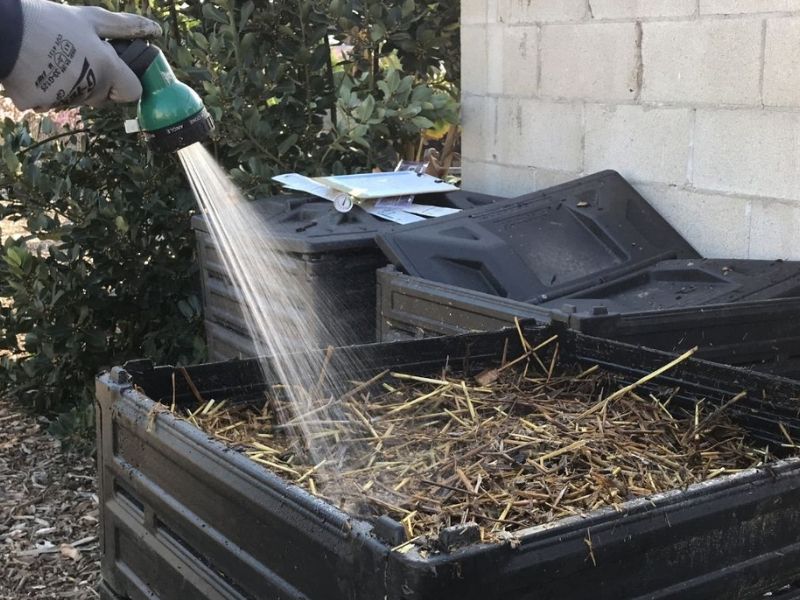
Yes, you can overwater compost. When compost is excessively watered, it can lead to several problems that negatively impact the composting process. Overwatering can create a soggy environment that restricts oxygen flow, essential for the aerobic microorganisms responsible for breaking down organic matter. This condition fosters an environment suitable for anaerobic bacteria, leading to foul odors and slower decomposition.
Signs of Overwatered Compost
When compost is overwatered, certain signs will indicate that it is suffering from excess moisture. Recognizing these signs can help you manage your composting more effectively.
See also:
- Odor: A strong, unpleasant smell often suggests anaerobic conditions are present.
- Water pooling: Visible water accumulation at the bottom of the bin indicates too much moisture.
- Stringy texture: If the compost feels overly wet and slimy, it has likely been overwatered.
Effects of Overwatering on Compost Quality
Excess moisture can severely impact the quality of your compost. It leads to modifications in the microbial community, which can affect the nutrient profile of the end product.
- Nutrient Loss: Overwatering can wash away nutrients, reducing the compost's overall effectiveness.
- Slow Decomposition: Anaerobic conditions slow down the breakdown of materials, causing longer composting times.
- Pest Attraction: Excess moisture can attract pests that thrive in wet environments, such as flies and rodents.
Preventing Overwatering in Compost
To prevent overwatering, it’s important to monitor moisture levels carefully and follow certain best practices for maintaining a balanced compost pile.
- Check Moisture Regularly: Use a moisture meter or your hand to feel the compost’s dampness.
- Add Dry Materials: Incorporate dry materials like straw or cardboard to balance moisture levels.
- Mix Compost Frequently: Turning the compost helps aerate it and can redistribute moisture evenly.
Remedies for Overwatered Compost
If you find that your compost is overwatered, there are several steps you can take to remedy the situation and restore a healthy environment for decomposition.
- Turn the Pile: Aerating the compost by turning it can increase airflow and help excess moisture evaporate.
- Add Absorbent Materials: Mix in dry ingredients such as shredded newspaper, leaves, or sawdust to soak up extra moisture.
- Ensure Proper Drainage: Make sure your compost bin has adequate drainage to prevent water accumulation at the bottom.
Maintaining Ideal Moisture Levels for Compost
Achieving the right moisture balance is crucial for efficient composting. The ideal compost moisture level should feel similar to a wrung-out sponge—damp but not dripping wet.
- Visual Inspection: Regularly check for visual signs like moisture content and texture of the compost.
- Consistent Aeration: Frequent turning enhances aeration and moisture distribution.
- Seasonal Adjustments: Adapt moisture management techniques according to seasonal changes, like covering the compost in heavy rain.
How often should I urinate on compost?
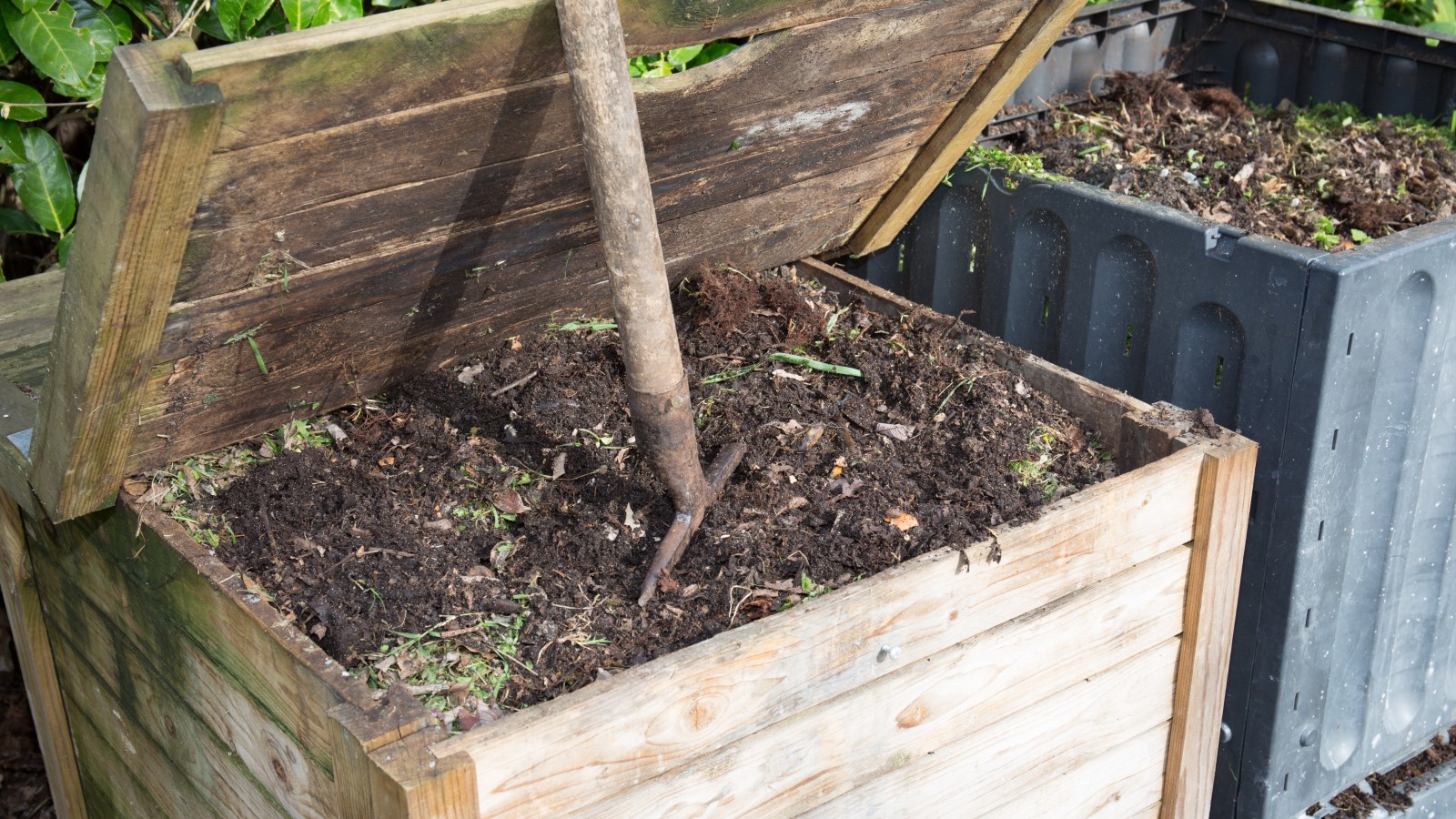
To determine how often you should urinate on compost, it is essential to understand that urine is a rich source of nitrogen and can enhance the composting process. Generally, you can add urine to your compost approximately once a week, but the frequency may depend on several factors such as the compost size, the materials included, and the environmental circumstances.
Benefits of Adding Urine to Compost
Adding urine to compost provides multiple benefits that enrich the composting process.
- Nitrogen Supply: Urine contains a high nitrogen content, which is crucial for the decomposition of carbon-rich materials.
- Microbial Activity: The nutrients in urine promote the growth of beneficial microorganisms that enhance material breakdown.
- Improved Humus Formation: Regular addition can accelerate the formation of humus, enriching the soil quality.
Factors Influencing Urination Frequency
Several factors can influence how often you should add urine to your compost pile.
- Compost Volume: A larger compost pile may require more frequent additions to maintain moisture and nutrient balance.
- Weather Conditions: Hotter climates may lead to faster evaporation, necessitating more frequent additions of urine.
- Material Composition: The carbon-to-nitrogen ratio of the compost will affect how much nitrogen you should add from urine.
How to Properly Add Urine to Compost
To ensure that you are adding urine effectively, follow these steps:
- Dilution: Consider diluting urine with water (1:1 ratio) to prevent excessive nitrogen concentration.
- Targeted Application: Pour urine directly onto dry areas of the compost to promote even distribution.
- Timing: Utilize urine after adding bulky, carbon-rich materials to balance out the nitrogen.
Best Practices for Compost Management
Managing your compost effectively will optimize the results of adding urine.
See also:
- Aeration: Regularly turn the compost to improve aeration, aiding in decomposition and nutrient distribution.
- Moisture Monitoring: Maintain a 40-60% moisture level in your compost to support microbial life.
- Observation: Monitor the compost temperature and smell to ensure proper decomposition is occurring.
Potential Issues with Excess Urination
Adding too much urine can lead to specific problems in your compost.
- Odor: Excess nitrogen can lead to unpleasant smells, indicating an imbalance.
- Pathogen Concerns: Overapplication may increase the risk of pathogens if sanitation measures are not followed.
- Imbalance: Too much urine can disrupt the carbon-to-nitrogen ratio, impeding proper decomposition.
Should you water after putting down compost?
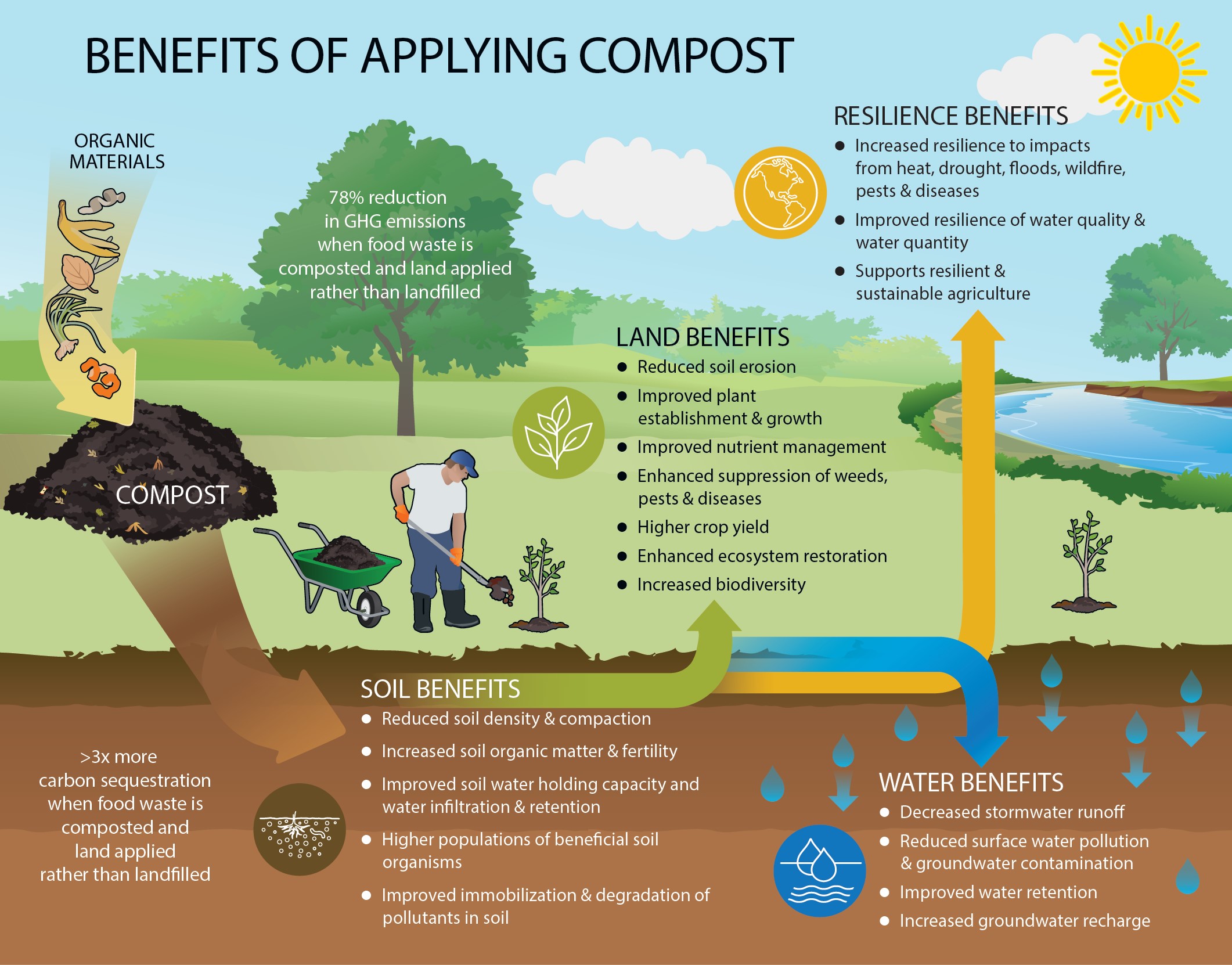
Yes, it is generally advisable to water after applying compost to your garden. Watering helps to integrate the compost into the soil, allowing it to break down more effectively and release essential nutrients to your plants. Additionally, watering can enhance microbial activity within the compost, which is crucial for the composting process and overall soil health.
Benefits of Watering After Compost Application
Watering after you put down compost has several benefits that contribute to better plant growth and soil structure. Here are the key advantages:
- Enhanced Nutrient Distribution: Water helps dissolve nutrients in the compost, allowing them to permeate the soil effectively.
- Improved Microbial Activity: Moisture is vital for the activity of beneficial microbes that aid in compost breakdown and nutrient cycling.
- Soil Aeration: Proper watering can help create air pockets in the soil, promoting better root growth.
How Much Water to Use
The amount of water needed after placing compost can vary based on environmental conditions and the type of soil. Consider the following guidelines for effective watering:
- Soil Type: Sandy soils may require more water to retain moisture, while clay soils might need less.
- Weather Conditions: On hot, dry days, more water will be necessary to ensure the compost remains moist.
- Compost Moisture Content: If the compost is dry, you may need to add more water initially to achieve the desired wetness.
Timing of Watering
When to water after applying compost can significantly influence the benefits you receive. Here are some timing considerations:
- Immediately After Application: Watering right after applying compost helps settle it into the soil and prevents it from blowing away in the wind.
- During Dry Spells: If rain is not in the forecast, consider watering every few days to maintain soil moisture.
- Before Planting: If you're adding compost to a garden bed before planting, ensure the area is well watered to maximize nutrient uptake by new plants.
Signs of Underwatering or Overwatering
Recognizing the symptoms of underwatering or overwatering is crucial for maintaining healthy soil conditions. Watch for these signs:
- Wilting Plants: If your plants are drooping, it may indicate a lack of moisture in the soil.
- Soggy Soil: If the soil feels overly wet or muddy, it might be a sign of overwatering, which can suffocate roots.
- Slow Growth: Plants growing slower than expected can indicate nutritional deficiencies often tied to improper watering.
Best Practices for Watering After Composting
Following best practices when watering after applying compost can enhance your gardening efforts significantly. Here are some recommended strategies:
- Use a Soaker Hose: This method provides even watering without disturbing the compost layer.
- Aim for Deep Watering: Water less frequently but deeply to encourage deep root growth.
- Monitor Soil Moisture: Use a moisture meter or your fingers to check if the soil is properly hydrated.
Questions from Our Readers
Do you water compost every day?
It is generally not necessary to water compost every day. The goal is to keep the compost moist, but not overly wet. Checking the compost regularly and watering when it feels dry is usually sufficient to maintain the right moisture level.
How much water should I apply to my compost?
The amount of water you should apply to your compost depends on its current moisture content. A good rule of thumb is to aim for a consistency similar to a damp sponge; if you squeeze a handful and water drips out, it is too wet. Adjust as needed based on the compost's appearance and feel.
See also:
What happens if compost is too dry?
If compost becomes too dry, the decomposition process can slow down significantly. Microorganisms that break down the materials require a certain amount of moisture to thrive. Adding a bit of water can help reactivate these organisms, restoring the composting process.
Can I overwater my compost?
Yes, it is possible to overwater compost, which can lead to an excessively wet environment. This may cause a foul odor, attract pests, and inhibit aerobic decomposition. It is essential to maintain a balance, ensuring the compost is moist but not soaked.

If you want to read more articles like Do You Water Compost Every Day? Tips for Proper Compost Care and Maintenance, we recommend you check out our Compost category.
Leave a Reply
Related Articles