Do Peonies Prefer Full Sun or Shade? Discover the Best Conditions for Healthy Blooms

When it comes to cultivating beautiful peonies, understanding their light requirements is crucial for achieving healthy blooms. These stunning perennials are beloved for their lush flowers and fragrant petals, but gardeners often wonder whether peonies prefer full sun or shade. In this article, we will explore the optimal growing conditions for peonies, examining how sunlight exposure affects their growth, flowering, and overall health. By delving into the specific needs of these charming plants, we can help you make informed decisions that will lead to a vibrant and flourishing peony garden.
Do Peonies Prefer Full Sun or Shade?
Peonies thrive best in full sun conditions, which generally means they require at least 6 hours of sunlight each day to grow vigorously and produce abundant blooms. While they can tolerate some partial shade, especially in extremely hot climates where intense sun can stress the plants, they typically won’t flourish or flower as profusely in shaded areas. Ensuring that peonies receive ample sunlight not only promotes their health but also enhances the richness of their floral colors and overall vigor, making them a stunning addition to any garden.
The Importance of Sunlight for Peonies
Sunlight plays a critical role in the growth and development of peonies. Exposure to adequate sunlight helps in the process of photosynthesis, enabling the plants to produce the energy needed for growth. Without sufficient sunlight, peonies may produce weak stems and fewer flowers, leading to a less vibrant display. It's essential for gardeners to assess the sunlight conditions in their planting sites to ensure that peonies can thrive to their fullest potential.
How Much Sun Do Peonies Need?
Peonies require a minimum of 6 hours of direct sunlight daily for optimal growth. In regions with intense heat, peonies might benefit from some afternoon shade, which can prevent overheating and allow the roots to maintain moisture. However, even in these hot climates, it’s important that they still get ample morning sunlight, as this is crucial for setting the stage for their blossoms and overall health.
Effects of Shade on Peony Growth
When planted in shaded areas, peonies often struggle to reach their full growth potential. These plants may exhibit stunted growth, failing to produce robust blooms and leaving them vulnerable to diseases and pests due to poor air circulation. Moreover, insufficient sunlight can cause the stems to become leggy, as the plants stretch toward the light source, which can result in an unattractive appearance and weak structural integrity.
Best Planting Practices for Peonies
For gardeners looking to plant peonies, choosing a site with full sun exposure is crucial. It's advisable to plant them in locations that avoid overhead obstructions, such as trees or tall structures, which could cast shade. Additionally, ensuring that the soil is well-draining and has the right balance of nutrients will facilitate the plants' growth in sunlight, allowing their lovely flowers to flourish and provide a stunning display during their blooming season.
Companion Plants for Peonies in Full Sun
When considering companion planting for peonies, it’s important to choose sun-loving plants that require similar growing conditions. Plants such as daylilies, lavender, and bee balm can complement peonies beautifully while thriving in similar sunny spots. These companion plants not only enhance the garden's aesthetic but also help in attracting beneficial insects, which contribute to a healthier ecosystem supporting the peonies.
| Aspect | Full Sun | Partial Shade |
|---|---|---|
| Growth Rate | Fast | Slow |
| Flower Production | Abundant | Reduced |
| Vigor | Strong | Weak |
| Risk of Disease | Lower | Higher |
| Recommended Hours of Sunlight | 6+ hours | 4-5 hours |
Where should you not plant peonies?
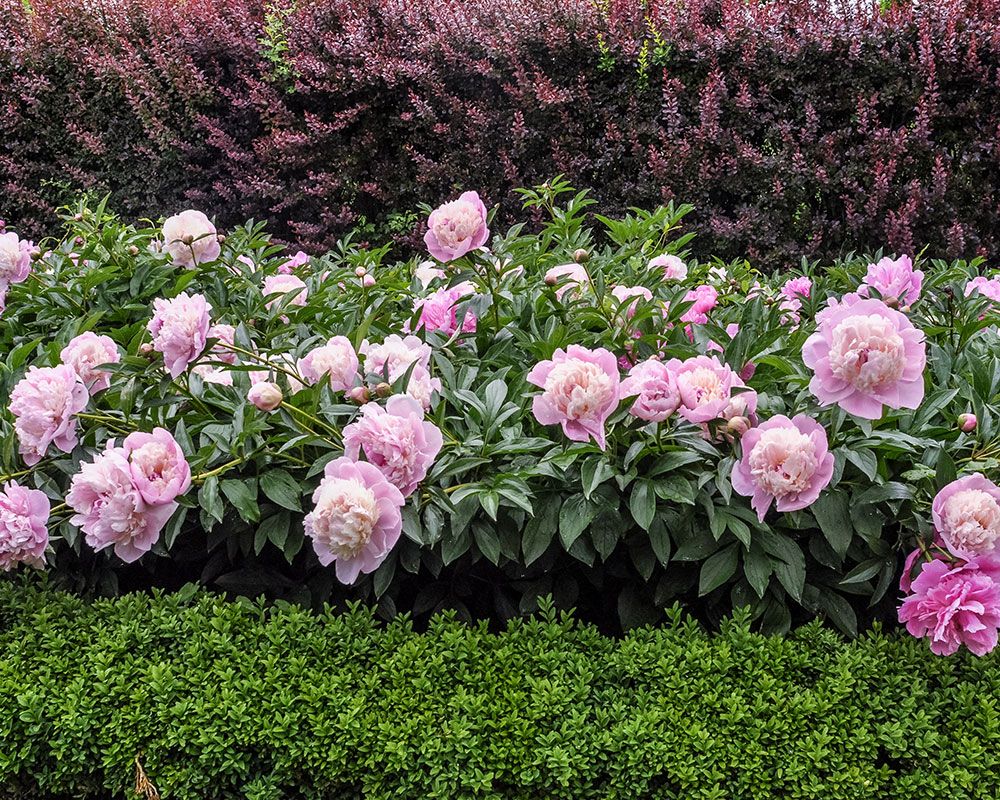
Peonies are beautiful flowering plants that require specific conditions for optimal growth. While they can thrive in many environments, there are certain locations where planting peonies is not advisable. Here are some key areas where peonies should not be planted:
1. Areas with Poor Drainage
Peonies are highly sensitive to waterlogged conditions. Planting them in regions with poor drainage can result in root rot and other fungal infections. Proper drainage is crucial for the health of peonies.
See also:
- Soil that retains moisture and does not drain well can suffocate roots.
- To prevent issues, choose elevated beds or amend soil for better drainage.
- Heavy clay soils are particularly problematic for peony growth.
2. Shady Locations
Peonies prefer full sun for at least six hours a day. Planting them in shady areas can result in weak, leggy plants with fewer blooms.
- Plants that don't receive enough sunlight may not flower at all.
- Under trees or tall structures can cause undue shade.
- Consider assessing the sun patterns in your garden before planting.
3. Regions with Extreme Heat
While peonies can tolerate a variety of climates, they may struggle in areas of extreme heat. High temperatures can cause stress and affect blooming.
- Hot climates may require additional care, such as mulching to retain soil moisture.
- Peonies thrive best in cooler summer climates.
- Planting them in areas prone to scorching sun in mid-afternoon should be avoided.
4. Places with High Wind Exposure
Peonies can be susceptible to damage from strong winds. Planting them in windy spots can lead to broken stems and reduced overall vigor.
- Choose sheltered locations to provide some protection from heavy winds.
- Consider planting alongside stronger plants for added support.
- Windbreaks such as fences or shrubs can help protect peonies.
5. Overcrowded Areas
Peonies need space to grow and flourish. Planting them in overcrowded conditions can lead to competition for nutrients and water.
- Ensure that peonies are spaced adequately from other plants.
- Overcrowding can lead to a lack of airflow, increasing disease susceptibility.
- Follow recommended spacing guidelines for healthy development.
Do peonies prefer morning or afternoon sun?

Peonies are popular flowering plants known for their large, colorful blooms and delightful fragrance. When it comes to sunlight preferences, peonies thrive best in full sun, which typically means they should receive at least six hours of sunlight each day. However, they particularly benefit from morning sun rather than afternoon sun.
Benefits of Morning Sun for Peonies
Peonies prefer morning sun for several reasons:
- Reduced Heat Stress: Morning sunlight is generally less intense than afternoon sunlight, which helps to prevent heat stress in the plants.
- Moisture Management: Morning sun quickly dries off dew and moisture, reducing the risk of fungal diseases that thrive in wet conditions.
- Stronger Growth: Exposure to morning light can lead to stronger, more upright growth as the plants are encouraged to stretch towards the sun early in the day.
Effects of Afternoon Sun on Peonies
While peonies can tolerate afternoon sun, it is generally less ideal. Here are some effects of afternoon sunlight:
- Heat Exposure: Afternoon sun can be more intense, leading to excessive heat exposure that can stress the plants.
- Water Evaporation: High temperatures can cause rapid evaporation of moisture from the soil, making it necessary to water more frequently.
- Blossom Damage: Intense afternoon sun can potentially scorch the delicate petals of the peony blooms, affecting their aesthetic appeal.
Ideal Growing Conditions for Peonies
To ensure optimal growth of peonies, consider the following ideal conditions:
- Soil Type: Peonies thrive in well-drained, fertile soil with a pH of 6.0 to 7.0.
- Sun Exposure: Aim for at least six hours of direct sunlight per day, preferably focused in the morning hours.
- Watering: Regular watering is needed, especially during dry spells, but avoid overwatering to prevent root rot.
Planting Location Considerations
Choosing the right location for planting peonies can greatly influence their growth:
See also:
- Wind Protection: A location shielded from strong winds can protect delicate blooms.
- Shady Areas: Avoid planting peonies in shaded areas as they may not bloom well and can become leggy.
- Companion Plants: Consider pairing peonies with other sun-loving plants to create a vibrant garden display.
Peony Maintenance Tips
To maintain healthy peonies, follow these essential tips:
- Deadheading: Remove spent blooms to encourage more flowers and improve overall plant health.
- Fertilization: Use a balanced fertilizer in early spring to promote robust growth.
- Winter Care: Apply mulch in winter to protect roots from frost and extreme temperatures.
What is the secret to growing peonies?
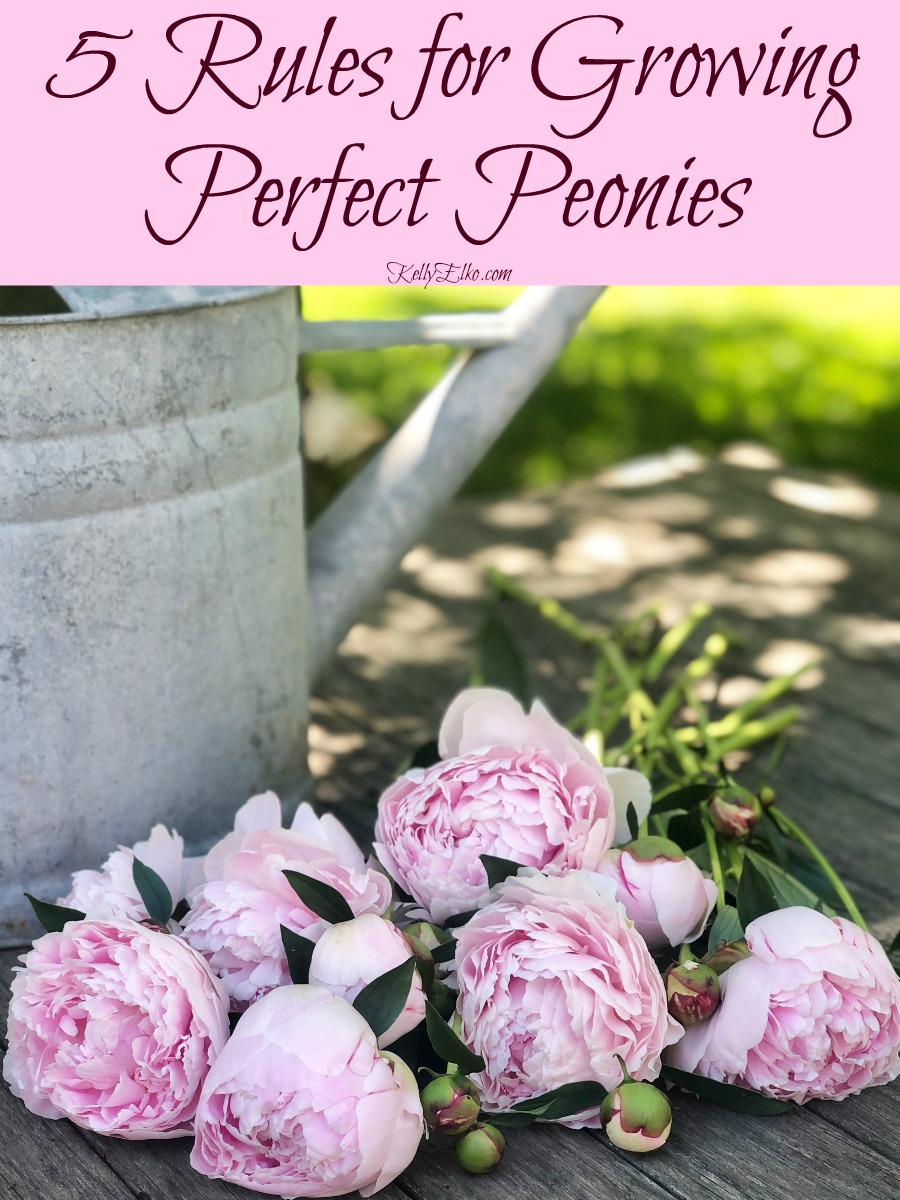
To successfully grow peonies, several critical factors must be considered. These resilient perennials are adored for their large, fragrant blooms and lush foliage. To ensure that your peonies thrive, it is essential to pay attention to their planting, care, and environmental needs.
Choosing the Right Variety
When selecting peony varieties, it is essential to choose those that suit your climate and garden conditions. Here are some popular options:
- Herbaceous Peonies: These die back to the ground each winter and re-emerge in spring.
- Tree Peonies: These maintain woody stems and can grow larger in size, producing stunning blooms.
- Intersectional Peonies: A hybrid between herbaceous and tree peonies, offering sturdy stems and vibrant flowers.
Optimal Planting Location
Peonies thrive best in areas with adequate sunlight and good drainage. Consider the following factors when selecting a planting site:
- Sunlight: Peonies prefer at least 6-8 hours of direct sunlight daily for optimal growth.
- Soil Drainage: Ensure the soil drains well to prevent rot. Raised beds are an excellent option for moisture control.
- Air Circulation: Good air circulation helps prevent diseases, so avoid overcrowding them with other plants.
Soil Preparation and Planting
The soil plays a vital role in the health of peonies. Proper preparation can significantly impact their growth:
- Soil Type: Peonies prefer a loamy, fertile soil with a pH between 6.5 and 7.0.
- Organic Matter: Incorporating compost or well-rotted manure improves nutrient content and soil structure.
- Planting Depth: When planting tubers, ensure that the eyes are no more than 2 inches deep to avoid poor flowering.
Caring for Peonies
Once established, peonies require minimal care but a few key practices will promote healthier plants:
- Watering: Water deeply but infrequently, especially during dry spells, to encourage robust root development.
- Fertilizing: Use a balanced fertilizer in early spring to support growth, avoiding high nitrogen formulas.
- Deadheading: Remove spent blooms to encourage new growth and maintain plant health.
Pest and Disease Management
Keeping peonies healthy involves vigilance against pests and diseases. Common issues include:
- Aphids: These can be controlled with insecticidal soap or neem oil if infestations occur.
- Botrytis Blight: Preventive measures include ensuring good air circulation and timely removal of infected foliage.
- Powdery Mildew: This fungal issue can be managed with proper spacing and rotating plants to prevent recurrence.
Questions from Our Readers
Do peonies prefer full sun or shade?
Peonies generally prefer full sun, which means they thrive best when they receive at least 6 hours of direct sunlight each day. While they can tolerate partial shade, especially in hotter climates, too much shade can hinder their growth and flowering.
What happens if peonies don't get enough sunlight?
If peonies don’t receive enough sunlight, they may produce fewer blooms and may grow leggy as they reach for the light. Insufficient light can also lead to weak stems and a greater susceptibility to diseases.
See also:
Can peonies grow in containers in the sun?
Yes, peonies can be successfully grown in containers placed in full sun locations. It's important to choose a pot that provides enough room for their roots to grow and to ensure they receive adequate watering to prevent the soil from drying out.
What type of soil is best for peonies in sunny areas?
Peonies prefer well-draining soil that is rich in organic matter, ideally with a pH level between 6.0 and 7.0. In sunny areas, it’s essential to ensure that the soil retains moisture without becoming waterlogged, promoting healthy root development and flowering.

If you want to read more articles like Do Peonies Prefer Full Sun or Shade? Discover the Best Conditions for Healthy Blooms, we recommend you check out our Peony category.
Leave a Reply
Related Articles