Can You Buy Worms for Compost? A Complete Guide to Sourcing Worms for Your Composting Needs

Composting has become an essential practice for environmentally-conscious individuals, and worms play a crucial role in enhancing the process. If you're looking to elevate your composting game, you may wonder, Can you buy worms for compost? This complete guide will explore the various options for sourcing worms, their types, and their benefits in composting. From local suppliers to online marketplaces, we will provide you with the necessary information to make informed decisions about acquiring these invaluable helpers. Discover how to create nutrient-rich compost that enriches your garden while reducing waste, and learn how to find the right worms for your needs.
Can You Buy Worms for Compost?
Yes, you can definitely buy worms specifically for composting purposes, and this practice is known as vermicomposting. Many gardeners and environmentally conscious individuals opt to purchase red wigglers (Eisenia fetida), as they are one of the most efficient species for breaking down organic matter. These worms are ideal for compost bins due to their ability to thrive on kitchen scraps and their rapid reproduction rate. Purchasing worms online or from local gardening stores is a common choice for those who want to start composting without waiting for nature to break down their organic waste. It's essential to ensure that the worms are healthy and suitable for your composting needs, as the right species will greatly enhance the composting process.
What Types of Worms Are Best for Composting?
When selecting worms for composting, the red wiggler is the most recommended due to its exceptional ability to consume organic material and thrive in confined environments. Aside from red wigglers, other species such as the European nightcrawler and African nightcrawler can also be used, but red wigglers are preferred for indoor compost bins. They are highly efficient at processing kitchen scraps and produce nutrient-rich castings, making them ideal for home composting operations.
Where Can You Buy Composting Worms?
You can buy composting worms from a variety of sources, including local gardening stores, online retailers, and dedicated vermiculture suppliers. Many online platforms offer live worms for delivery, allowing you to choose from different quantities based on your composting needs. It’s important to buy from reputable suppliers to ensure that the worms are healthy and properly packaged, as this will improve the chances of successful composting in your system.
How Much Do Composting Worms Cost?
The cost of composting worms can vary based on the supplier and the quantity purchased. Typically, a pound of red wigglers can range from $20 to $50, depending on the source. Some suppliers may offer discounts for bulk purchases, making it more economical if you're looking to establish a larger composting operation. It's advisable to consider the long-term benefits of vermicomposting, as the initial investment can yield high-quality compost over time.
What Do You Need to Care for Composting Worms?
To care for composting worms effectively, you need to provide an ideal living environment that includes a suitable bedding material like shredded newspaper or cardboard, adequate moisture, and a diet consisting of organic kitchen scraps. Proper aeration and temperature control are also crucial, as worms thrive in a range of 55 to 77 degrees Fahrenheit. Maintaining a balanced environment will promote the health of the worms and enhance their composting efficiency.
Can You Use Store-Bought Worms for Composting?
Store-bought worms can indeed be used for composting, but it's important to ensure that they are the right species suited for composting, such as red wigglers. Many commercial worm suppliers offer these species specifically for composting purposes. However, avoid using common garden worms, as they tend not to perform well in compost bins and may not produce the same quantity of nutrient-rich castings as composting-specific species.
| Type of Worm | Best For | Price Range |
|---|---|---|
| Red Wigglers | Home Composting | $20 - $50 per pound |
| European Nightcrawler | Gardening and Fishing | $25 - $60 per pound |
| African Nightcrawler | Professional Composting | $30 - $70 per pound |
Can you buy worms for composting?
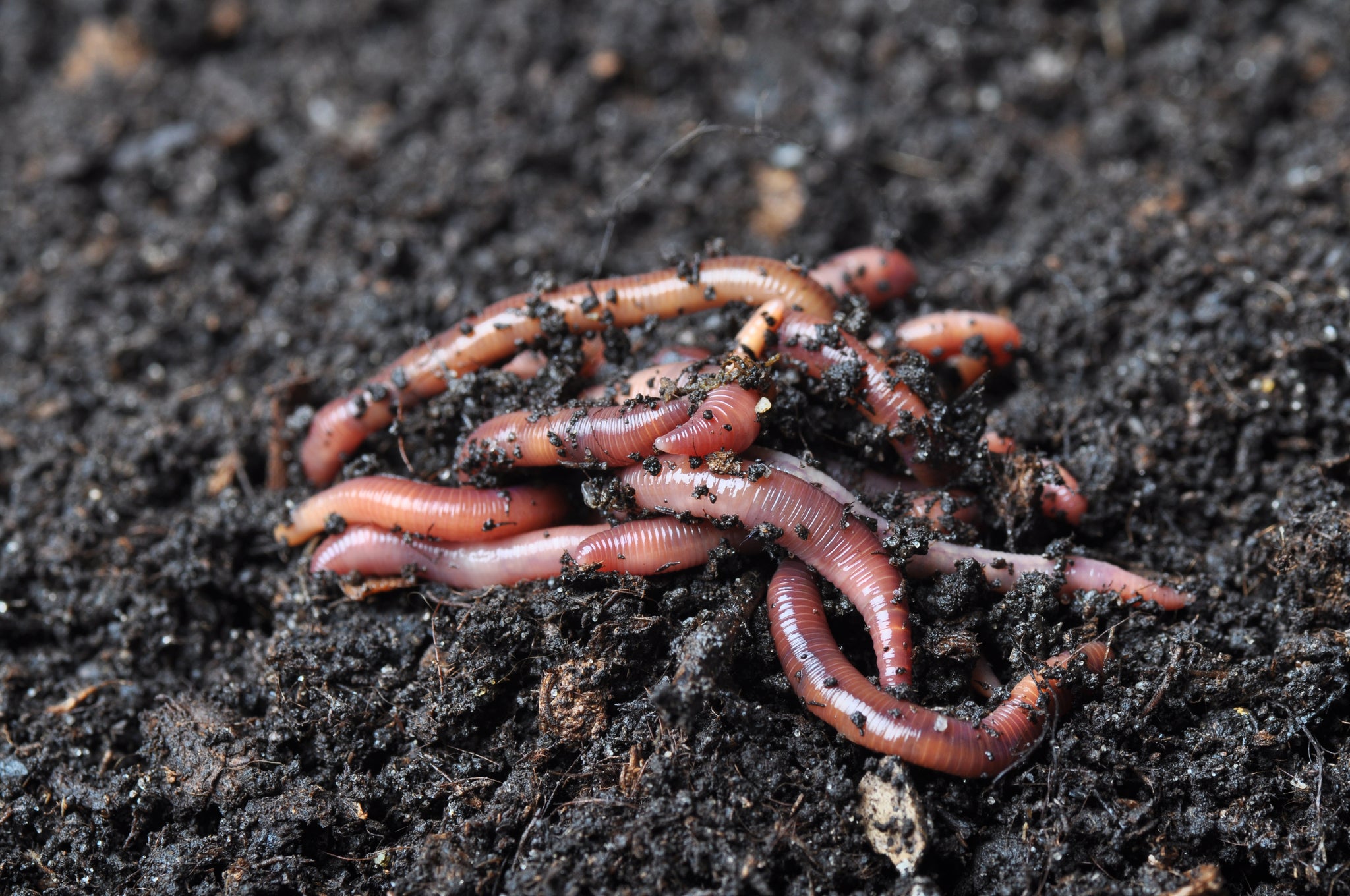
Yes, you can buy worms for composting, specifically red wigglers (Eisenia fetida) and European nightcrawlers (Eisenia hortensis). These species are highly effective for composting because they thrive in decomposing organic matter and can significantly speed up the composting process. Here’s a detailed explanation and some related information.
Why Buy Worms for Composting?
Purchasing worms for composting has several benefits, making it an attractive option for both novice and experienced composters. The main reasons include:
See also:
- Efficiency: Composting worms accelerate the breakdown of organic materials, making the process faster.
- Nutrient-Rich Compost: Worm castings are rich in nutrients and enhance soil health.
- Space-Saving: Worm bins can be compact and suitable for small spaces, such as apartments.
Types of Worms for Composting
The most common types of worms utilized for composting are red wigglers and European nightcrawlers. It's essential to understand the differences:
- Red Wigglers: Ideal for indoor composting, thrive in warm environments, and consume a lot of organic waste.
- European Nightcrawlers: Larger than red wigglers, they can be used in both composting and as fishing bait.
- Combination: Some composters use a mix of both types to balance their specific benefits.
Where to Buy Composting Worms
You can buy composting worms from several sources, ensuring you get healthy, active worms:
- Local Garden Centers: Many carry composting worms or can direct you to a supplier.
- Online Suppliers: Numerous websites specialize in selling live worms for composting.
- Worm Fairs or Local Farms: Sometimes, local events or organic farms offer worms for sale.
Cost of Composting Worms
The cost of composting worms can vary based on the type and quantity you intend to buy. Expected price ranges:
- Per Pound: Usually ranges from $20 to $40, depending on the worm variety.
- Starting Kits: Some companies offer starter kits, which can cost between $50 and $100, including bins and worms.
- Bulk Purchases: Buying in bulk can reduce costs, often providing a better price per pound.
Care and Maintenance of Composting Worms
Once you purchase composting worms, proper care is crucial for their health and productivity:
- Housing: Provide a suitable worm bin with adequate ventilation and moisture levels.
- Feeding: Feed them a balanced diet of vegetable scraps, coffee grounds, and avoid citrus and oily foods.
- Harvesting: Regularly harvest worm castings, ensuring you leave enough bedding and food for the worms.
How to get worms for your compost?
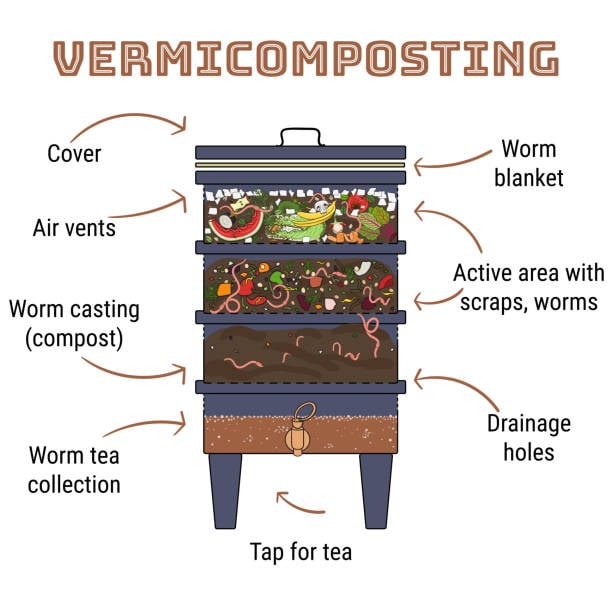
To get worms for your compost, you can follow several methods that ensure not only the acquisition of these essential composting allies but also their well-being and productivity in your compost system. Here's a comprehensive guide on how to successfully obtain worms for your compost.
Identify the Right Type of Worms
Choosing the proper type of worms is crucial for successful composting. The most commonly used worms for compost are red wigglers (Eisenia fetida) and European nightcrawlers (Eisenia hortensis). Here's how to identify them:
- Red Wigglers: These worms are smaller and typically reddish-brown, thriving in organic materials.
- European Nightcrawlers: Larger in size, they can also be used for composting but are better suited for deeper soil.
- Composting Benefits: Both types are excellent at breaking down organic matter, producing nutrient-rich compost.
Purchase Worms from Reliable Sources
Acquiring worms from reputable sources is essential for ensuring health and vitality. Here are some recommended sources:
- Local Garden Centers: Many garden centers carry composting worms and can provide tips for care.
- Online Suppliers: Numerous websites specialize in selling worms, often providing detailed descriptions and shipping information.
- Worm Farmers: Contacting local worm farmers can often yield healthier worms and direct advice on sourcing and handling.
Create an Ideal Environment for Worms
Before introducing worms to your compost, it's crucial to create an ideal environment for them. This includes:
- Temperature: Maintain a temperature range of 55-77°F (13-25°C), as worms thrive best in this climate.
- Moisture Levels: Ensure the compost is damp but not soggy. Overly wet conditions can drown worms.
- Organic Matter: Fill your compost bin with a mix of green materials (like food scraps) and brown materials (like dry leaves) for optimal worm activity.
Collect Worms from the Environment
If you prefer a DIY approach, you can collect worms from your natural environment. Here are steps to do this effectively:
See also:
- Moist Areas: Look for worms in moist, rich soil or under mulch, especially after rainfall.
- Magnifying Glass: Use a spade or garden fork to gently uncover worms without harming them.
- Sifting Soil: Collect compost from existing compost piles where worms are naturally present, ensuring they are safely removed.
Attract Worms to Your Compost Pile
If you want to encourage worms to move into your compost area, consider these strategies:
- Add Food Scraps: Regularly add vegetable peels, fruit scraps, and other organic matter to naturally attract worms.
- Moisten Materials: Lightly wet materials when adding to the compost to create a welcoming environment.
- Layering Technique: Use a layering technique of greens and browns to draw worms down into the compost while they process organic material.
Does Home Depot sell composting worms?
Home Depot does not typically sell composting worms directly in their stores or online. However, they may offer related products such as compost bins, soil amendments, and gardening supplies that can facilitate composting or vermicomposting. For those specifically looking for composting worms like red wigglers (Eisenia fetida) or other suitable species, it is recommended to check with local gardening stores, specialized worm farms, or online retailers dedicated to vermiculture.
What Are Composting Worms?
Composting worms are specific types of worms that are particularly efficient at breaking down organic materials, making them essential for vermicomposting. These worms, primarily red wigglers, consume food scraps and produce vermicaste, a nutrient-rich fertilizer.
- Red Wigglers: The most common composting worm, known for its ability to thrive in composting systems.
- European Nightcrawlers: Another popular option, these worms are slightly larger and also effective in compost conditions.
- Utilization: Composting worms can consume their weight in food daily, significantly speeding up the composting process.
Where Can You Buy Composting Worms?
Although Home Depot does not sell composting worms, there are several other sources where you can purchase them. Several specialized vendors focus entirely on worms for composting.
- Local Gardening Stores: Many local gardening centers carry composting worms or can order them for you.
- Online Retailers: Websites like Amazon or specialized vermiculture suppliers allow for easy ordering and home delivery.
- Worm Farms: Some farms specialize in breeding worms for composting and might offer local pickup options.
Benefits of Using Composting Worms
Utilizing composting worms in gardening and waste reduction offers numerous advantages. Their ability to transform waste into high-quality compost is a significant benefit for gardeners and the environment alike.
- Nutrient-Rich Fertilizer: Worm castings contain essential nutrients that help plants thrive.
- Waste Reduction: Composting worms assist in breaking down kitchen scraps, reducing landfill waste.
- Improved Soil Structure: The addition of worm castings improves soil aeration and water retention.
How to Care for Composting Worms
Caring for composting worms is crucial for their health and productivity. Providing the right environment and nutrition ensures that they thrive and produce effective compost.
- Moisture Levels: Maintain a damp but not soggy environment to ensure worms remain active.
- Feeding: Add kitchen scraps like vegetable peels, coffee grounds, and crushed eggshells in moderation.
- Temperature Control: Keep worm bins in a location with temperatures between 55°F and 77°F for optimal health.
Home Depot's Composting Products
While Home Depot may not sell composting worms, they offer various products that support composting efforts, making it a suitable destination for related supplies.
- Compost Bins: Various styles and sizes are available to help create rich compost from organic waste.
- Soil Amendments: Products like peat moss and other organic materials that can enhance compost quality.
- Gardening Tools: Tools that assist in backyard composting efforts, such as shovels and aerators.
Questions from Our Readers
Can you buy worms for compost?
Yes, you can buy worms specifically for composting. Stores that specialize in gardening or online retailers often offer various types of worm species, such as red wigglers, which are ideal for vermicomposting.
What types of worms are best for composting?
The best types of worms for composting are typically red wigglers (Eisenia fetida) and European nightcrawlers (Eisenia hortensis). These worms are particularly effective at breaking down organic matter and can thrive in the conditions found in a compost bin.
See also:
How many worms do I need for my compost bin?
The number of worms you need depends on the size of your composting system, but a good rule of thumb is to start with about 1 pound of worms for every square foot of your compost surface area. This amount allows for effective decomposition and active worm activity.
Can worms survive in cold weather?
Worms can be sensitive to extreme cold. If temperatures drop below freezing, it's important to provide them with adequate insulation or move them indoors. Red wigglers can generally survive in temperatures between 40°F and 80°F (4°C and 27°C) for optimal composting conditions.

If you want to read more articles like Can You Buy Worms for Compost? A Complete Guide to Sourcing Worms for Your Composting Needs, we recommend you check out our Compost category.
Leave a Reply
Related Articles