Can I Compost Orange Peels? Discover the Benefits and Tips for Composting Citrus Waste

Composting is an excellent way to reduce kitchen waste while enriching your garden. Among the various food scraps, orange peels often raise questions regarding their compostability. Not only are they a common waste product, but they also come with unique benefits. Understanding how to properly compost citrus waste, such as orange peels, can enhance your compost pile and promote healthy soil. In this article, we will explore whether orange peels can be composted, the advantages of including them in your compost mix, and helpful tips to ensure they decompose effectively. Embrace the art of composting and make the most of your citrus scraps!
Can I Compost Orange Peels?
Yes, you can compost orange peels, and they can be a beneficial addition to your compost pile. The high nitrogen content in citrus peels helps to balance the carbon-rich materials typically found in compost, promoting a healthy breakdown process. However, it's essential to chop them into smaller pieces to speed up the decomposition process and avoid overwhelming your compost with acidity. While some gardeners express concerns about pests or the acidic nature of citrus, properly composted orange peels can contribute valuable nutrients to your soil without causing issues if managed correctly.
Benefits of Composting Orange Peels
Composting orange peels offers several benefits, such as enriching your compost pile with key nutrients like nitrogen, which nourishes plants. The natural oils found in citrus peels can also act as a natural pest deterrent, potentially keeping unwanted insects away from your compost and garden. Furthermore, the inclusion of peels can improve the overall structure and aeration of your compost, supporting better microbial activity which is vital for effective decomposition.
How to Add Orange Peels to Your Compost
To effectively add orange peels to your compost, begin by cutting them into smaller pieces, which facilitates faster decomposition. Mixing them with browns such as dry leaves or straw helps to balance the carbon-to-nitrogen ratio. Aim to layer your compost with a variety of materials, including your chopped orange peels, and make sure to turn the pile regularly to maintain airflow and speed up the breakdown process.
Potential Issues with Composting Orange Peels
While composting orange peels can be beneficial, there are potential issues to consider. The acidity of citrus peels, if added in large amounts, can disrupt the pH balance in your compost. Additionally, attracting pests like fruit flies can be a concern. To mitigate these risks, it is best to mix orange peels in moderation and ensure they are adequately chopped and aerated within the compost pile.
Alternatives to Composting Orange Peels
If you're hesitant to compost orange peels, there are alternatives to consider. You can use them for mulching around plants, where they can deter pests and provide a slower release of nutrients into the soil. Another option is to use orange peels in homemade cleaning solutions, utilizing their natural acidity and fragrance. Lastly, they can be used as a natural addition to homemade insect repellents, making the most of their inherent properties.
Nutritional Content of Orange Peels
Orange peels are rich in vitamins, particularly vitamin C and various antioxidants. They also contain dietary fiber, which can enhance the health of your compost by promoting beneficial microorganisms. Including orange peels in your compost not only contributes to the nutrient profile of the compost but also helps to create a resilient and productive soil environment for your garden.
| Component | Benefit |
|---|---|
| Citrus Oils | Pest deterrent |
| Nitrogen | Nutrient boost |
| Fiber | Microbial support |
| Acidity | pH management |
| Carbon | Balance in compost |
Why can't you put orange peels in compost?
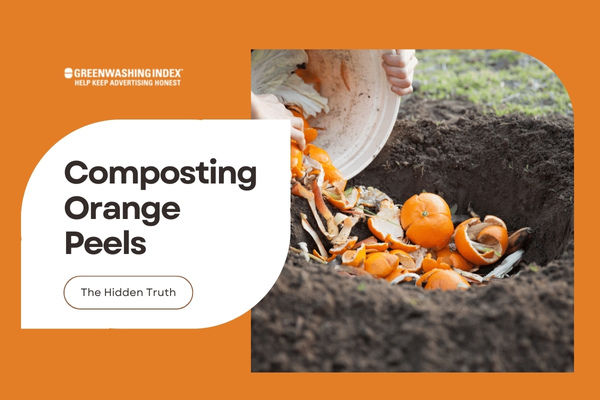
Orange peels can be a controversial addition to compost piles for several reasons. Here are the main factors that discourage people from putting orange peels in compost:
1. Acidity: Orange peels are relatively acidic, with a pH that can be lower than that of many other compostable materials. Adding large quantities of acid-producing materials can create an imbalance in the compost, making it harder for beneficial organisms to thrive.
2. Pesticide Residue: Many commercially grown oranges are treated with pesticides that can remain on the peels. These chemicals may not break down during the composting process and can contaminate the finished compost, potentially harming plants and microorganisms.
3. Decomposition Rate: The thick and waxy nature of orange peels can slow down their decomposition when added to compost. They tend to break down much more slowly than softer organic materials, which can hinder the overall composting process.
See also:
4. Odor Issues: In certain conditions, particularly if the compost pile is not well-aerated, orange peels can contribute to unpleasant odors due to their sugar content. As they break down, they may ferment instead of composting properly.
5. Attracting Pests: The sweet smell associated with orange peels can attract pests, such as fruit flies or rodents. These pests can become a nuisance in your compost area or garden, creating problems that need to be managed.
Acidity of Orange Peels
The acidity of orange peels is one of the primary reasons they are often discouraged in composting. Highly acidic materials can lead to a pH imbalance in the compost pile. An overly acidic environment can limit the effectiveness of microorganisms that are essential for decomposition.
- Possible harm to beneficial microorganisms.
- Limitation on nutrient availability for plants.
- Unpleasant smells may result from a disrupted composting process.
Pesticide Residues
Another important factor is the presence of pesticides on orange peels. Many orange crops are treated with a variety of chemicals to protect them from pests and diseases. These chemicals might not degrade completely during composting, which poses a risk to the health of plants and the ecosystem.
- Potential for chemical runoff into soil.
- Concerns about food safety and contamination.
- Impact on beneficial insects and wildlife.
Decomposition Speed
The rate at which orange peels decompose can be significantly slower compared to softer organic matter like fruit and vegetable scraps. This slow breakdown can disrupt the balance in the compost pile, leading to issues such as anaerobic conditions that hinder overall composting efficiency.
- Impedes the overall composting process.
- Can lead to half-composted materials in finished compost.
- Delays nutrient release for plants.
Odor Management
Orange peels, if not managed properly in the composting process, can contribute to undesirable odors. The fermentation of their sugars in a poorly aerated pile can result in foul smells that attract pests and deter beneficial organisms from thriving in the compost.
- Attracts unwanted pests to the compost area.
- Contributes to a chaotic composting environment.
- May require additional management techniques to mitigate odors.
Pest Attraction
The sweet scent of orange peels can attract various pests, including rodents and fruit flies, which can be problematic for those maintaining compost piles or gardens. The presence of these pests can lead to complications, as they may create more significant issues in the overall compost management.
- Can lead to increased pest populations.
- May require additional pest control measures.
- Could deter wildlife that is beneficial to gardens.
What fruits cannot be composted?

Fruits are a vital component of composting, contributing to the nutrient content of the compost. However, not all fruits are suitable for composting due to various factors such as pests, diseases, or potential toxicity. Below are some fruits that should generally be avoided in the compost pile.
1. Citrus Fruits
Citrus fruits such as oranges, lemons, limes, and grapefruits should be composted with caution. The acidity in these fruits can disrupt the balance of microorganisms essential for healthy compost. Furthermore, citrus peels contain oils that may deter certain beneficial insects and microorganisms.
- Acidity levels can hinder composting processes.
- Essential oils may impede the growth of beneficial microbes.
- Excessive use of citrus can lead to smelly compost.
2. Stone Fruits
Stone fruits like peaches, cherries, and plums contain large pits, which can take a significant amount of time to break down in a compost pile. Additionally, the pits can create challenges during the turning process, and if they don't decompose, they might become a nuisance.
- Pits may take years to decompose.
- Can interfere with compost aeration.
- Unbroken pits can attract pests in the compost.
3. Banana Peels
While many people believe banana peels are good for compost, they can cause issues when included in large quantities. They can attract pests and may decompose too quickly, potentially leading to bad odors in the compost pile.
See also:
- Attracts fruit flies and other insects.
- Rapid decomposition can create an anaerobic environment.
- May require balancing with drier materials.
4. Fruits with Mold
Fruits that show signs of mold, such as bruised or rotten apples and berries, should be avoided in compost. Introducing these fruits can spread mold spores, which may lead to mold problems in the compost.
- Spread of spores can cause contamination.
- May lead to unpleasant odors during composting.
- Uncontrolled mold can affect the quality of finished compost.
5. Pesticide-Treated Fruits
Fruits that have been treated with pesticides should not be added to the compost pile. The chemicals can persist through the composting process and potentially harm beneficial organisms in the soil after application.
- Pesticide residues can remain in the compost.
- Potential harm to beneficial soil organisms.
- Can affect plant growth when applied to garden soil.
Why can't you compost onions?
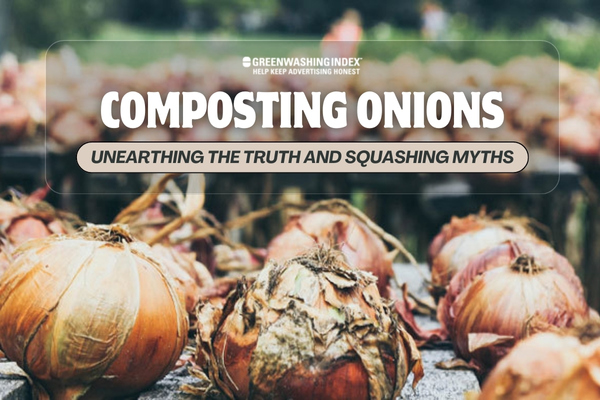
Onions are often considered problematic in composting due to several factors that can affect the quality of the compost and the overall composting process. Here’s a detailed explanation of why onions shouldn't be composted, followed by relevant subsections.
Odor Issues
One of the primary reasons why onions are discouraged in compost piles is the strong odor they emit. When onions decompose, they can produce a pungent smell that might attract unwanted pests such as rodents and insects. This can lead to an unpleasant composting experience and potential infestations.
- Strong aroma may linger during the decomposition phase.
- Attracts pests, which can disturb the balance of the compost pile.
- May lead to an unpleasant smell in your yard or garden.
High Sulfur Content
Onions contain a significant amount of sulfur, which can alter the chemical composition of the compost. High levels of sulfur can result in an unbalanced nutrient profile, affecting the microbial life in the compost. This can hinder the overall composting process.
- High sulfur can lead to a decrease in beneficial microorganisms.
- May create a nutrient imbalance that affects plants after compost application.
- Alters the pH level of the compost.
Slow Decomposition
Onions decompose at a slower rate compared to other organic materials. This can lead to an uneven composting process where other components break down efficiently while the onions linger. Slow decomposition can also create a thick, undesirable layer in the compost pile, which can be problematic.
- Leaves behind large chunks that can take longer to break down.
- Can lead to clumping in the compost pile, affecting aeration.
- Results in a longer wait time before the compost is ready for use.
Risk of Disease Transfer
Onions can be susceptible to various diseases and pests, such as onion maggots. If these materials are included in the compost, there is a risk of transferring diseases to the plants in the garden, posing a threat to the health of future crops.
- Potential transfer of onion diseases to other plants.
- Increases the chance of pest infestations in the garden.
- Sets back proper growth of healthy plants.
Compounding Problems with Composting Techniques
Using onions in compost can complicate certain composting techniques, particularly those that rely on speed and efficiency, such as hot composting. The presence of onions can lead to failures in achieving the desired temperature, making it difficult to fully break down materials and rid the compost of pathogens.
- Hinders the ability to reach optimal composting temperatures.
- Can slow down the overall composting process, leading to longer wait times.
- Challenges in maintaining proper aeration due to slow decomposition.
Questions from Our Readers
Can I compost orange peels?
Yes, you can compost orange peels. They are a good source of nitrogen and can add valuable nutrients to your compost pile. However, it's important to do so in moderation, as too many can upset the balance of your compost.
Are orange peels biodegradable?
Yes, orange peels are biodegradable. They break down naturally in compost or soil, contributing organic material and aiding in the growth of beneficial microorganisms.
Do orange peels attract pests in compost?
Yes, orange peels can attract certain pests if used in large quantities. To minimize this risk, it's advisable to mix them with other compost materials and cover them with brown materials, like leaves or straw.
See also:
How should I prepare orange peels for composting?
To prepare orange peels for composting, chop them into smaller pieces. This helps them decompose faster and balances their acidity in the compost pile.
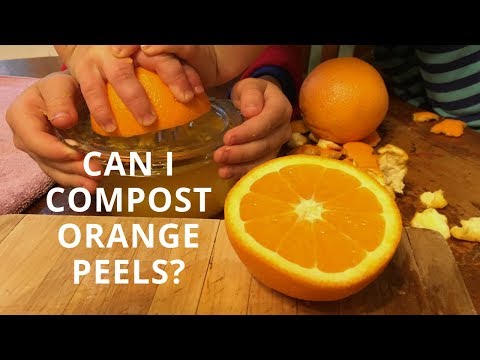
If you want to read more articles like Can I Compost Orange Peels? Discover the Benefits and Tips for Composting Citrus Waste, we recommend you check out our Compost category.
Leave a Reply
Related Articles