Can I Compost Cotton Balls? A Comprehensive Guide to Eco-Friendly Disposal
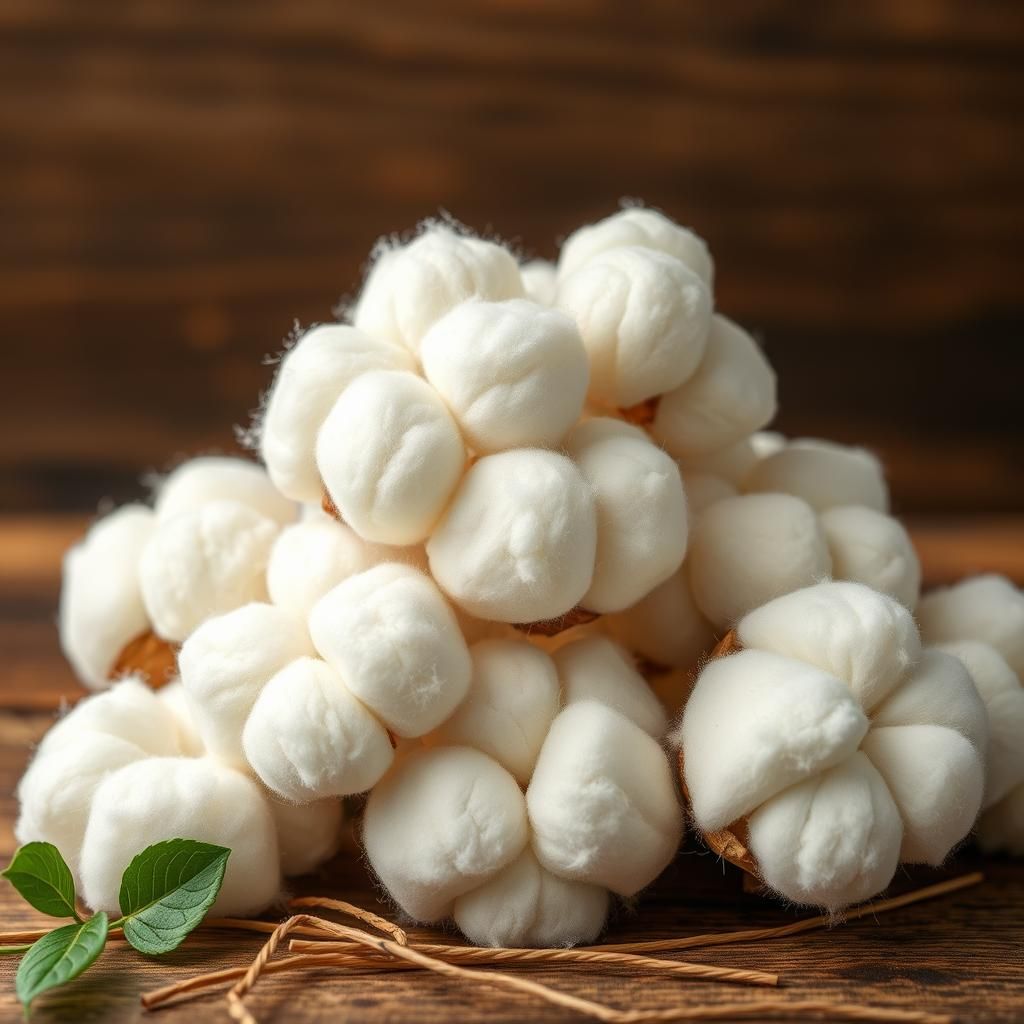
In recent years, eco-conscious living has surged in popularity, leading many to explore sustainable disposal methods for everyday items. One such item often overlooked is the cotton ball. While they are a staple in many households for personal care and beauty routines, their environmental impact may raise questions. This article provides a comprehensive guide on whether cotton balls can be composted, the materials used in their production, and eco-friendly alternatives. By understanding the disposal options for cotton balls, readers can make informed choices that contribute to a greener planet while maintaining their daily routines.
Can I Compost Cotton Balls?
Yes, you can compost cotton balls, but there are some important factors to consider before doing so. Cotton balls are made from natural fibers, which means they are biodegradable and can break down in a composting environment. However, if the cotton balls are treated with chemicals, such as those found in certain beauty products, this may hinder their compostability. To compost cotton balls effectively, ensure that they are made from 100% cotton and free of synthetic materials and chemicals. Additionally, it's crucial to balance them with green materials, like kitchen scraps, to promote healthy composting.
What Are Cotton Balls Made Of?
Cotton balls are typically made from 100% cotton, a natural fiber derived from the cotton plant. This plant is valued for its softness, durability, and versatility, making cotton a popular choice for various products, including cotton balls. However, while most cotton balls are made from natural fibers, some may include synthetic or treated fibers, especially if they've been marketed for specific uses. It is essential to check the labels to ensure they are purely natural, as this will affect their ability to compost effectively.
Can You Compost Used Cotton Balls?
You can compost used cotton balls, but you need to be cautious about what they have been exposed to. If they have been used with natural products, such as water or mild cleansing fluids, they can typically be added to your compost. Conversely, if they have been soiled with chemicals, makeup, or any synthetic products, their addition to your compost might not be advisable, as these substances could harm the microbial community in your compost pile.
How Should You Prepare Cotton Balls for Composting?
Before adding cotton balls to your compost, it’s wise to check their composition. Ensure that they are 100% cotton and devoid of synthetic materials. If they have been used, rinse them lightly to remove any residue from cosmetic products. After preparation, you can tear them into smaller pieces to speed up the decomposition process and mix them with brown materials, like dried leaves or cardboard, to maintain a balanced composting mix.
See also:
What Other Household Items Can Be Composted?
In addition to cotton balls, many household items can be composted. Kitchen scraps like fruit and vegetable peels, eggshells, and coffee grounds are excellent green additions. Yard waste, such as grass clippings, leaves, and small branches, can also be included. Additionally, natural fibers from paper products, such as cardboard and newspaper (shredded), can enrich your compost. However, always avoid composting items like meat, dairy, and oily foods, as they can attract pests and create odors.
What Are the Benefits of Composting Cotton Balls?
Composting cotton balls has several benefits. First, they help divert waste from landfills and promote sustainability. By breaking down cotton balls in compost, you contribute to the creation of nutrient-rich compost, which can enhance soil quality for gardens and plants. Additionally, composting helps reduce the need for chemical fertilizers, leading to healthier ecosystems. As they decompose, cotton balls contribute to the overall aeration and structure of the compost, which increases its effectiveness.
| Item | Compostable | Preparation Needed |
|---|---|---|
| Cotton Balls (clean) | Yes | Rinse, tear into pieces |
| Cotton Balls (used with chemicals) | No | Avoid composting |
| Fruit Scraps | Yes | No preparation needed |
| Meat Products | No | Avoid composting |
| Eggshells | Yes | Crush before adding |
Understanding the Compostability of Cotton Balls
Cotton balls are often considered as biodegradable materials, making them a potential candidate for composting. However, before adding them to your compost pile, it's crucial to consider the processing methods used in manufacturing cotton balls, such as the use of bleach, fragrances, or synthetic components that may hinder their ability to break down completely in a natural composting environment. To ensure your compost remains healthy, always check the ingredients and opt for organic cotton balls when considering composting as a disposal method.
What Makes Cotton Balls Compostable?
The primary factor that makes cotton balls compostable is their organic nature; they are made from natural fibers derived from the cotton plant. When they decompose, they contribute valuable nutrients to the compost, enriching the soil. However, additional features like chemical treatments or blends with synthetic materials can affect their compostability, highlighting the need for awareness regarding the source and composition of the cotton balls you choose.
Assessing the Environmental Impact of Cotton Balls
While cotton balls can be biodegradable, their overall environmental impact should also be analyzed considering the resources required for cotton cultivation, including water and pesticides. Moreover, many conventional cotton balls are treated with chemicals that may not decompose in a compost environment, leading to potential soil contamination. Thus, opting for eco-friendly, organic options is beneficial for minimizing ecological harm.
See also:
How to Compost Cotton Balls Effectively
To effectively compost cotton balls, first, ensure that they are made from 100% natural cotton without harmful additives. Next, cut or tear the balls into smaller pieces to accelerate the decomposition process. They can then be added to a balanced compost pile, where they will break down alongside green materials like vegetable scraps and brown materials like dried leaves, promoting a healthy composting environment.
Alternatives to Composting Cotton Balls
If you find that your cotton balls are unsuitable for composting due to chemical treatments, consider other eco-friendly disposal methods. For example, reusing them for cleaning or crafting can extend their life and reduce waste. Alternatively, you can also explore biodegradable options, such as cotton pads or towels, which may provide similar functionality without the composting concerns.
Best Practices for Eco-Friendly Disposal
For eco-friendly disposal of cotton balls, always opt for products that are labeled as organic and free from harmful synthetic substances. Incorporating sustainable practices like composting, reusing, or recycling any organic waste will contribute positively to the environment. Additionally, educating yourself about the life cycle of the products you use can empower you to make better choices that minimize your overall environmental footprint.
Questions from Our Readers
Can I compost cotton balls?
Yes, you can compost cotton balls, but it's important to ensure they are made from 100% natural cotton without any synthetic fibers. Check the packaging, as some cotton balls may contain additives or be treated with chemicals that could hinder the composting process.
Do I need to cut or shred cotton balls before composting?
It is not strictly necessary to cut or shred cotton balls before composting, but doing so can help speed up the decomposition process. Smaller pieces break down faster and allow for better aeration in your compost pile.
See also:
Are scented or colored cotton balls safe for composting?
Scented or colored cotton balls are generally not recommended for composting because they often contain chemicals or dyes that could be harmful to the compost. Always opt for natural, unscented cotton balls for a safe composting experience.
How should I dispose of cotton balls that are not compostable?
If your cotton balls are not compostable, it is best to dispose of them in the trash. Make sure to avoid flushing them down the toilet, as they can cause clogs in plumbing systems. Look for biodegradable alternatives if you're concerned about waste.

If you want to read more articles like Can I Compost Cotton Balls? A Comprehensive Guide to Eco-Friendly Disposal, we recommend you check out our Compost category.
Leave a Reply
Related Articles