Why Can't You Compost Onions? Understanding the Reasons Behind It

Composting is an essential practice for reducing waste and enriching soil, yet some kitchen scraps are often met with hesitation when it comes to composting. Onions, in particular, frequently raise questions among compost enthusiasts. While it may seem counterintuitive to exclude such a common vegetable from the compost pile, understanding the reasons behind this decision is crucial for successful composting. This article delves into the complexities of composting onions, exploring their potential impact on the composting process, soil health, and the overall ecosystem. By uncovering these factors, we aim to clarify why onions are best left out of your compost bin.
Why Can't You Compost Onions?
Onions are generally considered unsuitable for composting due to their high levels of sulfur and potential to attract pests and diseases. When composted, onions can undergo a process that creates unpleasant odors and can introduce pathogens that disrupt the balance of beneficial microorganisms in the compost. Additionally, incorporating large amounts of onions into a compost pile can lead to uneven decomposition, causing other materials to ferment poorly. For these reasons, many gardeners advise against composting onions to maintain a healthy and balanced compost environment.
Understanding the Composition of Onions
Onions are rich in sulfur, which can be beneficial in small quantities but problematic in larger amounts during composting. The high sulfur content can lead to the production of foul odors that can deter beneficial organisms necessary for effective composting. When compost materials are not well balanced, the resulting compost may not break down effectively, inhibiting the growth of plants that benefit from it.
The Attraction of Pests
Composting onions can attract a variety of pests, including rodents and insects, due to their strong smell and sweet taste. These pests can cause significant disruption in a compost pile and may lead to contamination of other materials within the pile. Additionally, an influx of pests can create an unhealthy environment for the beneficial microorganisms that contribute to effective composting.
Pathogens and Diseases
Onions can carry pathogens that may survive the composting process, potentially resulting in the transfer of diseases to other plants when the compost is used. The risk of spreading diseases such as onion rot or other soil-borne ailments is higher when incorporating onions into compost, which can compromise the health and productivity of your garden plants.
Alternatives to Composting Onions
Instead of adding onions to the compost pile, consider using them in bokashi composting, which allows for fermentation, or disposing of them in a green waste bin where they can be processed differently. Another option is to utilize kitchen scraps, such as onion peels, in a worm bin where worms can break them down more effectively without impacting the overall health of the compost.
Impact on Compost Quality
Including onions in your compost can reduce the overall quality of the compost, leading to a final product that is less beneficial for your garden. The introduction of strong odors and the imbalance of composting materials can hinder nutrient availability for plants. Maintaining a balanced composition ensures that the compost is rich in essential nutrients that foster plant growth.
| Factor | Impact of Onions |
|---|---|
| Sulfur Content | Creates foul odors and disrupts beneficial microbial balance. |
| Pest Attraction | Increases the presence of pests that can contaminate compost. |
| Pathogen Risk | Presents a risk of transferring diseases to garden plants. |
| Compost Quality | Reduces nutrient availability and overall health of compost. |
| Alternatives | Options include bokashi composting or green waste disposal. |
Are onions bad for compost?
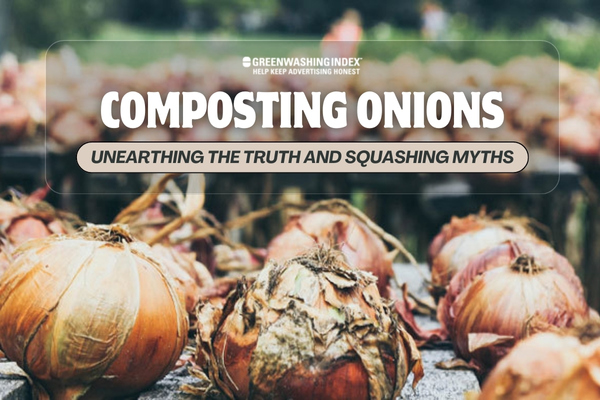
Onions are often debated in the composting community due to their specific characteristics and potential effects on the composting process. Here is a detailed analysis of whether onions are bad for compost.
Are Onions Safe for Composting?
When it comes to composting, onions can be safe, but they should be considered with caution. Onions contain sulfur compounds that can produce strong odors as they decompose. The impact of these compounds can vary depending on how much you compost and the balance of other materials. Key points to remember include:
See also:
- Value of Nutrients: Onions contribute essential nutrients like nitrogen, which is beneficial for compost.
- Potential for Odor: They may create a strong smell if added in large quantities.
- Rodent Attraction: Onions can attract pests if you don't manage your compost pile properly.
How to Compost Onions Properly
To compost onions effectively, you need to follow some specific practices. These practices ensure that you minimize odor issues and manage pests. Here are some steps:
- Chop or Shred: Cut onions into smaller pieces to help them decompose faster.
- Mix with Other Materials: Combine onions with carbon-rich materials like brown leaves or cardboard to balance the nitrogen.
- Monitor Moisture: Keep the moisture level balanced; wet compost can exacerbate odors.
Understanding the Impact of Onions on Soil
Onions have a unique impact on the soil once they decompose fully. Their breakdown contributes to the soil's quality and structure, but there are aspects to be aware of:
- Enhancing Soil Structure: They can improve soil aeration and drainage.
- Fertility: Onions add minerals and nutrients that are essential for plant growth.
- Possible Chemicals: Be mindful of any pesticides or treatments on the onions that could affect the compost.
Alternatives to Composting Onions
If you are hesitant about composting onions, consider some alternatives that can still benefit your garden without the potential drawbacks. Here are some options:
- Vermicomposting: Worms can break down onions more efficiently without producing strong smells.
- Biodegradable Burying: Burying onion scraps directly in the garden can enrich the soil.
- Well-Balanced Bokashi: Using a bokashi fermenting system can handle onions without odor problems.
Common Misconceptions About Onions in Compost
There are several myths regarding composting onions that can lead to confusion. Clarifying these misconceptions can help you make better decisions when composting:
- All Alliums are Bad: Not all onion varieties or related plants like garlic are harmful to compost.
- Only Kitchen Scraps Matter: The success of composting hinges on the right mix of materials and proper maintenance.
- Odors Mean Bad Compost: Some odors are natural; however, managing your compost pile can mitigate this significantly.
What vegetable should not be composted?
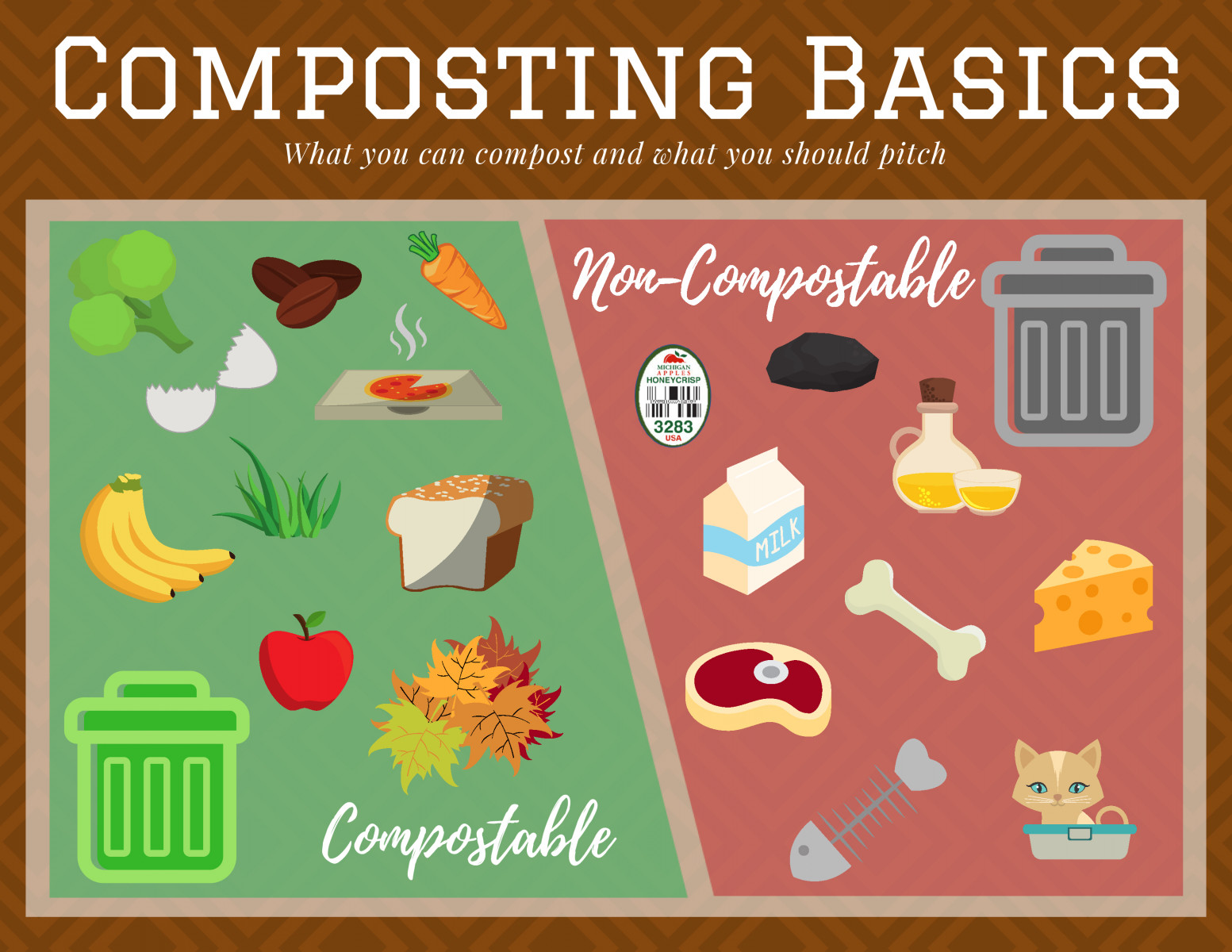
The vegetable that should not be composted is onion. Onions can produce substances that may inhibit the growth of other plants due to their high sulfur content. Additionally, they are susceptible to various diseases and pests, which can transfer to the compost and later affect your garden or other plants.
Potential Issues with Onions in Compost
Composting onions can lead to several issues, including:
- Disease Transmission: Onions are prone to rot and disease, which can contaminate your compost pile.
- Compacting: Their layers can create a compact mass that does not decompose well, inhibiting airflow within the compost.
- Pest Attraction: Composting onions may attract unwanted pests and rodents, causing further problems in your compost system.
Alternative Uses for Onions
Instead of composting, consider these alternative uses for onions:
- Cooking: Onions are a culinary staple in many dishes and can enhance flavors.
- Stock: Use onion scraps to make flavorful vegetable or meat stocks, maximizing their utility.
- Garden Pest Control: Onion peels can be used as a natural method to deter pests in the garden.
Vegetables Safe to Compost
If you're looking for vegetables that are suitable for composting, consider:
- Carrots: They decompose well and add beneficial nutrients to the compost.
- Potatoes: Scraps and peels compost easily without illness concerns.
- Leafy Greens: Items like lettuce and spinach are rich in nitrogen, promoting healthy compost.
How to Compost Safely
Follow these tips to ensure safe composting practices:
See also:
- Layering: Alternate green (nitrogen-rich) and brown (carbon-rich) materials for balanced compost.
- Aeration: Turn the compost pile regularly to aerate and promote even decomposition.
- Moisture Control: Maintain appropriate moisture levels to facilitate the composting process.
Other Vegetables to Avoid in Compost
In addition to onions, there are other vegetables to avoid:
- Citrus Fruits: Their acidity can inhibit compost microbial activity.
- Dairy Products: Difficult to decompose and can produce foul odors.
- Meat Scraps: Attract pests and create odor issues within the compost.
Can I put onion scraps in the compost bin?
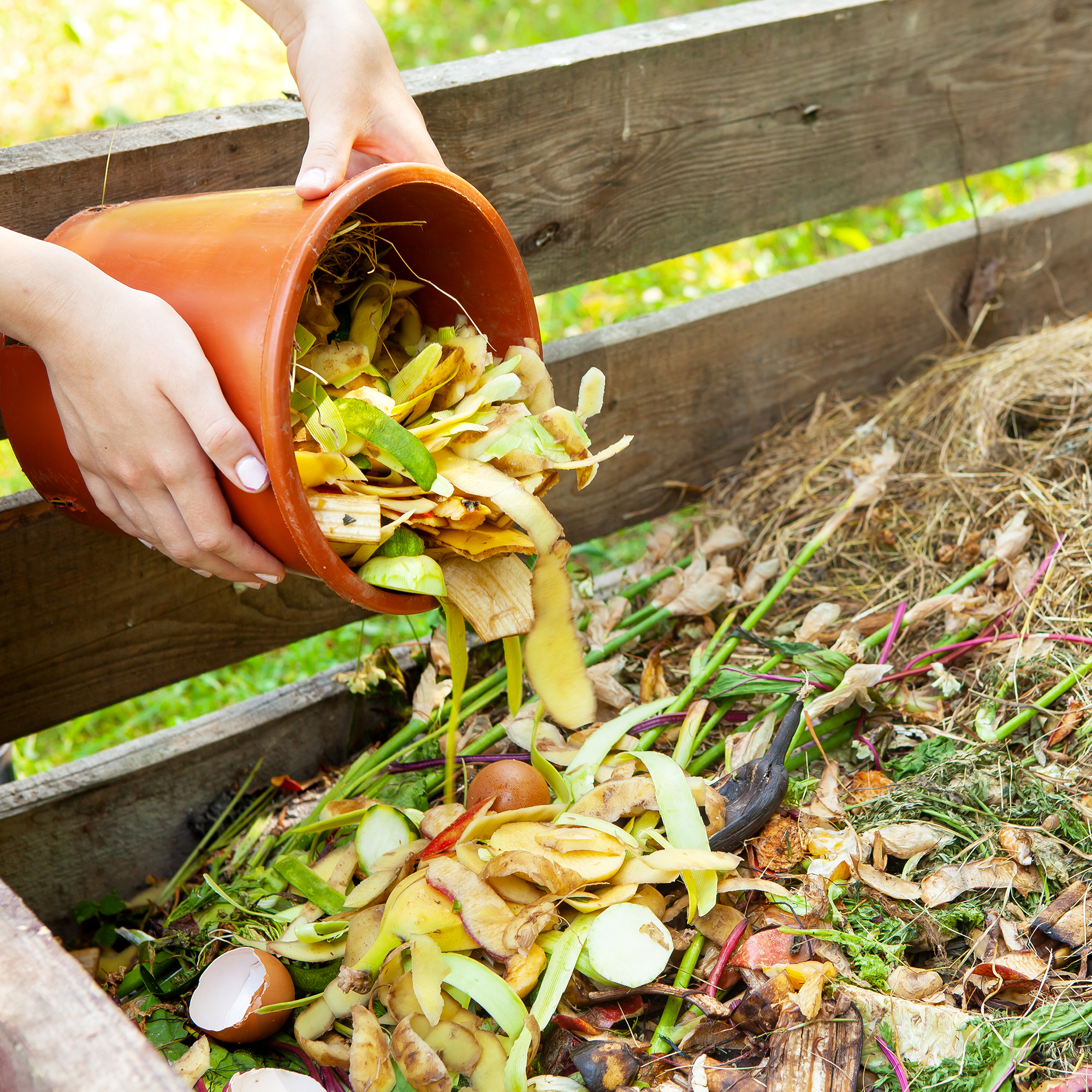
Yes, you can put onion scraps in the compost bin. However, there are some considerations to keep in mind regarding their compostability and the overall balance of your compost pile. Onion scraps, which include peels, ends, and any leftover flesh, can contribute valuable nutrients to your compost. They are rich in nitrogen, which is essential for the composting process. Nevertheless, they can also add a strong odor and attract unwanted pests if not managed properly.
Benefits of Composting Onion Scraps
Composting onion scraps can provide several key benefits to your compost pile and soil health:
- Nutrient-Rich Addition: Onion scraps are high in nitrogen, which is crucial for the breakdown of organic matter.
- Soil Enrichment: When added to the compost, they improve soil structure and fertility upon application.
- Reduced Waste: Adding onion scraps to your compost helps minimize the amount of food waste that ends up in landfills.
Impact on Compost Quality
The inclusion of onion scraps can influence the quality of your compost in several ways:
- Odor Management: Onions can emit a strong smell that may deter some people from using the compost if not balanced with carbon-rich materials.
- Moisture Retention: Onion scraps can retain moisture, which can help maintain a healthy humidity level in the compost bin.
- Pest Attraction: The scent of onions can attract pests like fruit flies or rodents if left uncovered or in large quantities.
Best Practices for Composting Onion Scraps
To ensure effective composting of onion scraps, consider these best practices:
- Chop them Up: Smaller pieces decompose faster, so it's beneficial to chop onion scraps before adding them.
- Balance with Browns: Combine onion scraps with carbon-rich materials like leaves or paper to balance nitrogen levels.
- Aerate Regularly: Turn the compost pile often to speed up the decomposition process and manage odors.
Potential Issues with Composting Onion Scraps
While composting onion scraps is generally acceptable, certain issues may arise:
- Strong Odor: A significant amount of onion scraps can create a potent smell that may require extra management.
- Slow Decomposition: Some varieties of onion peels can take longer to break down compared to softer organic materials.
- Pest Problems: If not properly managed, onion scraps can attract insects and rodents to the compost bin.
Alternatives to Composting Onion Scraps
If you are hesitant to compost onion scraps, here are some alternatives:
- Kitchen Waste Collection: Check if your local waste management has a kitchen scraps collection program.
- Mulching: Use onion scraps as mulch in your garden for soil protection and moisture retention.
- Municipal Composting: Some municipalities have composting facilities that can handle kitchen scraps efficiently.
Questions from Our Readers
Why can't you compost onions?
Onions are generally not recommended for composting because they can attract pests and may produce strong odors during decomposition. Additionally, the high sulfur content in onions can alter the nitrogen balance in your compost pile, potentially harming beneficial microorganisms.
Do onions create bad smells in compost?
Yes, onions can create unpleasant odors when decomposing, which is one reason why they are often discouraged in compost bins. The strong smell can deter you and your neighbors from enjoying the composting process.
See also:
What pests are attracted to composted onions?
Composted onions can attract various pests, including fruit flies and other unwanted insects. These pests are drawn to the strong scent of onions, making your compost bin a breeding ground for them.
Are there any benefits to composting onions?
While onions are not typically recommended for composting, they do contain nutrients that can enrich the soil when broken down. However, the risks of attracting pests and creating odors usually outweigh these potential benefits.
If you want to read more articles like Why Can't You Compost Onions? Understanding the Reasons Behind It, we recommend you check out our Compost category.
Leave a Reply
Related Articles