Is Cardboard Good for Compost? Benefits, Tips, and Best Practices for Composting Cardboard

Composting is an eco-friendly practice that enriches soil and reduces waste, but not all materials are created equal. Cardboard, often viewed as a nuisance in recycling, can actually be a valuable addition to your compost pile. Its carbon-rich nature helps balance the nitrogen from kitchen scraps, promoting healthy decomposition. In this article, we'll explore the benefits of composting cardboard, provide essential tips for preparation, and outline best practices to ensure you maximize its potential. Whether you're a seasoned composter or new to the concept, understanding how to effectively incorporate cardboard can enhance your composting experience and contribute to a sustainable lifestyle.
Is Cardboard Good for Compost?
Cardboard can be a valuable addition to your compost pile, as it serves as a source of carbon in the composting process. When used appropriately, it helps to balance the nitrogen-rich materials, preventing the compost from becoming too wet and promoting better aeration. However, it is essential to ensure that the cardboard is free from any toxic inks, coatings, or adhesives, as these can negatively impact the ecosystem within the compost. Shredding the cardboard into smaller pieces can also facilitate quicker decomposition, making cardboard a practical and effective composting ingredient.
Benefits of Using Cardboard in Compost
Using cardboard in compost offers several benefits, primarily due to its high carbon content. It helps to maintain the proper carbon-to-nitrogen ratio, which is crucial for effective composting. Additionally, cardboard provides structure and aeration, preventing compaction within the compost pile and promoting the activity of beneficial microorganisms. Moreover, using recycled cardboard can contribute to waste reduction, making it an eco-friendly choice for those aiming for a more sustainable lifestyle.
How to Prepare Cardboard for Composting
To prepare cardboard for composting, it is important to first remove any non-compostable elements such as plastic packaging or tape. Shredding the cardboard into smaller pieces accelerates its decomposition process, allowing the microorganisms to break it down more efficiently. It can be helpful to soak the shredded cardboard in water for a short period before adding it to the compost pile, as this will also help initiate the decomposition process and keep the pile moist.
Types of Cardboard Suitable for Composting
Most types of cardboard, such as corrugated boxes and paperboard, can be effectively composted. However, avoid using colored or glossy cardboard, as these may contain inks and coatings that could be harmful to compost quality. Plain, uncoated cardboard is ideal, as it is predominantly made from organic fibers. It is also a good practice to check for any synthetic materials that may not break down, ensuring that your compost remains as organic as possible.
Potential Risks of Composting Cardboard
While cardboard can be a beneficial addition to compost, there are some potential risks associated with its use. If too much cardboard is added, it can lead to an imbalance in the compost, resulting in insufficient nitrogen and potentially slowing down the decomposition process. Additionally, if the cardboard is contaminated with toxic inks or adhesives, it may introduce harmful chemicals into the compost. It is crucial to monitor the compost pile and adjust the proportions of cardboard accordingly to maintain a healthy composting environment.
Effects of Cardboard on Composting Materials
Cardboard interacts with other composting materials by providing a source of carbon, which is essential for the thriving microbial population in the compost. A proper balance of carbon and nitrogen is necessary for efficient microbial activity and decomposition. When combined with wet, nitrogen-rich materials such as kitchen scraps or grass clippings, cardboard helps to create a well-aerated compost pile that can break down organics in a timely fashion, enhancing the overall quality of the resulting compost.
| Material | Carbon Content | Composting Notes |
|---|---|---|
| Cardboard | High | Shred and soak before adding. |
| Corrugated Boxes | Moderate | Remove tape, suitable for compost. |
| Colored Cardboard | Variable | Avoid due to toxic inks. |
| Paperboard (e.g., cereal boxes) | High | Check for coatings, shred well. |
| Waxed Cardboard | Low | Avoid as it does not decompose well. |
Is it safe to put cardboard in compost?
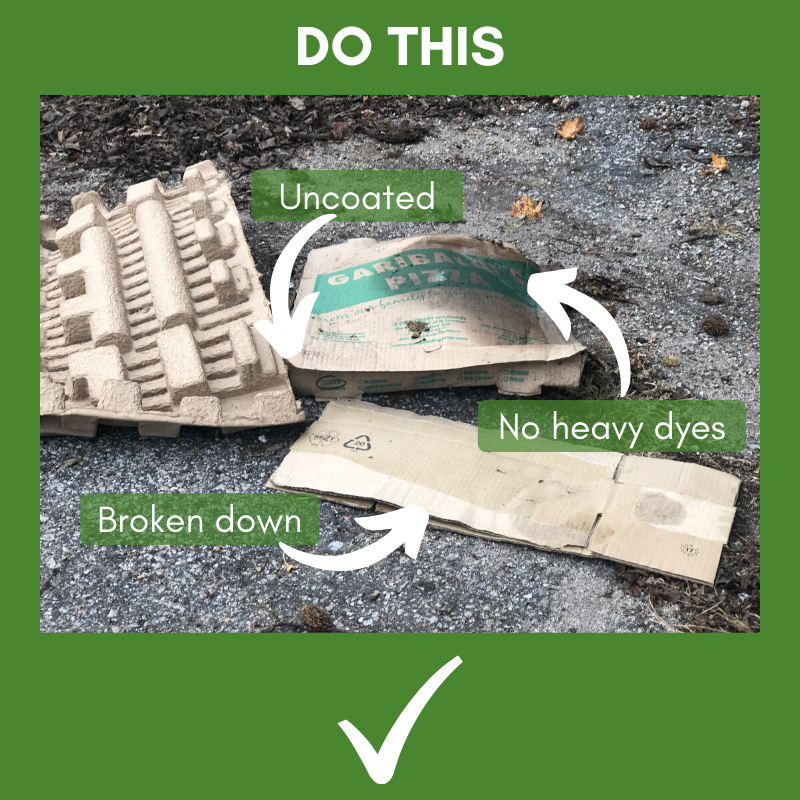
Yes, it is generally safe to put cardboard in compost, but certain considerations should be taken into account to ensure it contributes positively to the composting process. Cardboard is a great source of carbon, which is one of the key components of compost. However, it’s important to prepare the cardboard properly and ensure it’s not contaminated with harmful substances.
Benefits of Adding Cardboard to Compost
Adding cardboard to compost has several benefits, making it a useful addition when managed correctly:
- Carbon Source: Cardboard provides essential carbon, which is a critical ingredient for a balanced compost. Carbon helps fuel the microbial activity in the composting process.
- Volume Reduction: Including cardboard can help reduce the overall volume of organic waste by turning bulky materials into smaller pieces.
- Structure Improvement: Cardboard helps to create air pockets within the compost pile, improving aeration and preventing compaction.
Types of Cardboard Safe for Composting
Not all types of cardboard are equally safe for composting. Here are some types that can be safely included:
- Plain Cardboard: Boxes that are free from ink, adhesives, and coatings can generally be composted without issues.
- Brown Cardboard: This is the most suitable type for composting, often used in packaging.
- Shredded Cardboard: Shredded pieces compost much faster and help blend into the heap effectively.
Preparation of Cardboard for Composting
Proper preparation of cardboard makes a significant difference in the composting process:
- Remove Non-Compostable Elements: Ensure that plastic tape, stickers, and any contaminating materials are removed.
- Shred or Tear: Cutting or tearing the cardboard into smaller pieces increases surface area and accelerates decomposition.
- Moisten: Before adding cardboard to your compost, it can be helpful to moisten it slightly to facilitate breakdown.
Potential Issues with Cardboard in Compost
While adding cardboard can be beneficial, there are potential concerns to be aware of:
See also:
- Chemical Contaminants: Cardboard treated with chemicals, such as those used in printing or preservatives, may leach harmful substances into the compost.
- Nutrient Imbalance: Adding too much cardboard can lead to an excess of carbon, resulting in a nutrient imbalance in the compost.
- Slow Decomposition: Large pieces of cardboard may take a long time to decompose fully, which can slow down the overall composting process if not prepared correctly.
Best Practices for Composting Cardboard
To maximize the benefits and overcome challenges associated with composting cardboard, follow these best practices:
- Maintain Balance: Ensure a balanced mix of carbon-rich materials (browns) and nitrogen-rich materials (greens) in your compost.
- Mix Regularly: Turn the compost pile regularly to promote even decomposition of the cardboard and other materials.
- Monitor Moisture Levels: Keep your compost pile moist but not soggy, ensuring that the cardboard breaks down efficiently.
How long does it take for cardboard to decompose in compost?
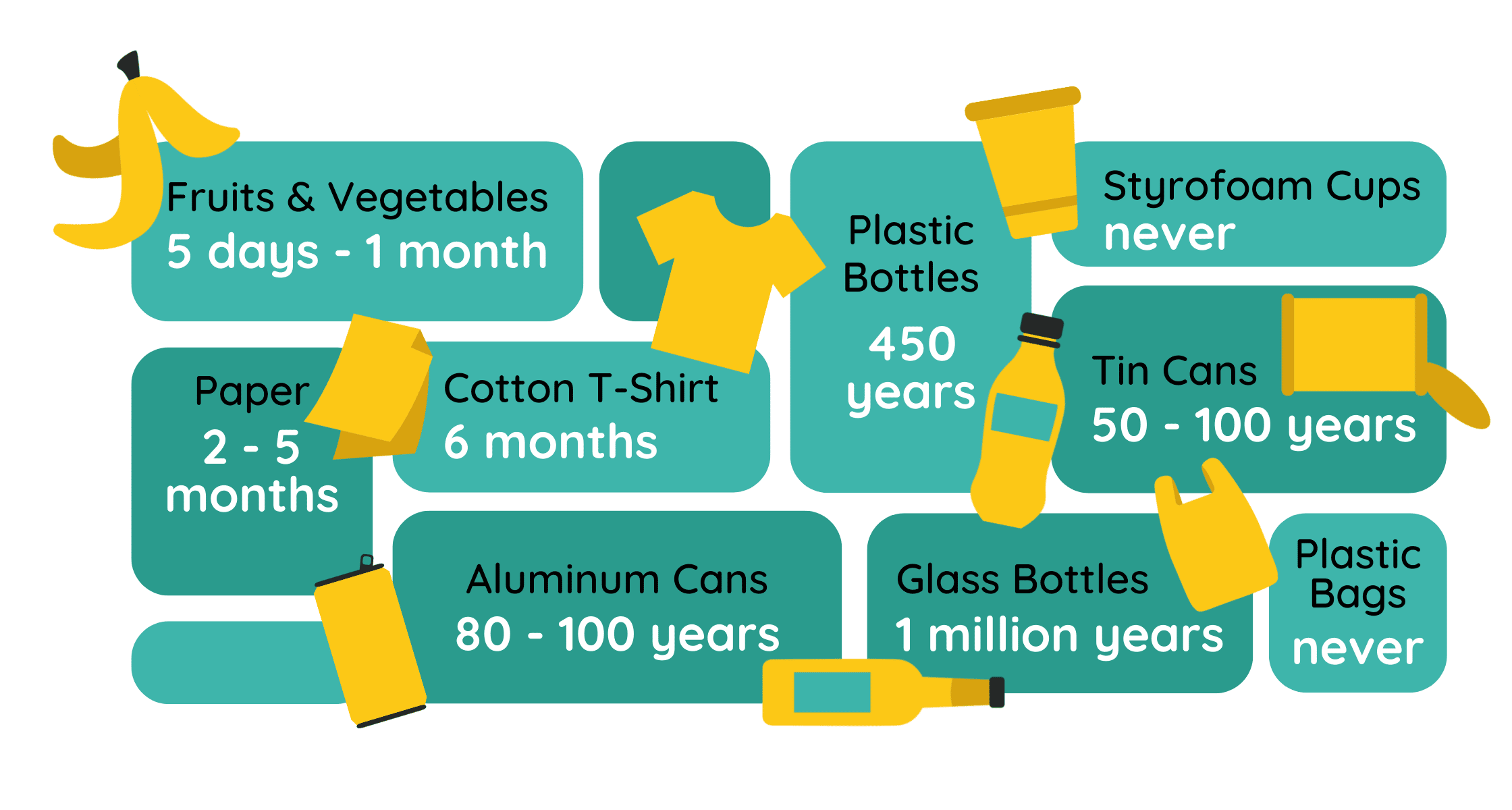
Cardboard can take anywhere from 2 months to 2 years to decompose in a composting environment, depending on several factors. The decomposition rate is influenced by the thickness of the cardboard, the moisture content, the presence of microorganisms, and the overall composting conditions. Thinner pieces of cardboard tend to break down faster than thicker ones because they have a larger surface area exposed to microbes that facilitate the decomposition process.
Factors Influencing Cardboard Decomposition
The decomposition of cardboard in compost is affected by multiple factors:
- Thickness: Thicker cardboard takes longer to break down than thinner sheets.
- Moisture Content: Adequate moisture helps microorganisms to thrive and decompose cardboard faster.
- Air Circulation: Good aeration helps aerobic bacteria to decompose materials more efficiently.
- Temperature: Warmer temperatures can accelerate microbial activity and decomposition.
- Type of Cardboard: Non-waxed and untreated cardboard decomposes more quickly than treated or glossy types.
Strategies to Speed Up Decomposition
If you want to expedite the decomposition of cardboard in your compost, consider the following strategies:
- Shred Cardboard: Cutting cardboard into smaller pieces increases surface area, making it easier for microbes to do their work.
- Add Nitrogen Sources: Mixing shredded cardboard with high-nitrogen materials like grass clippings can enhance microbial activity.
- Maintain Moisture: Regularly monitor and maintain the moisture level to keep the compost rich and active.
- Turn the Pile: Regularly turning the compost helps in aeration and distributes the moisture evenly.
- Use Worms: Introducing worms into your compost can help break down cardboard faster through their digestion process.
Benefits of Composting Cardboard
Composting cardboard offers numerous benefits to the environment and gardening:
- Waste Reduction: Composting cardboard reduces the amount of waste sent to landfills.
- Soil Improvement: Decomposed cardboard adds organic matter to the soil, improving its quality and health.
- Water Retention: The addition of cardboard helps retain moisture in the soil, reducing the need for frequent watering.
- Habitat Creation: It provides a habitat for beneficial organisms like earthworms and beneficial microbes.
- Carbon Source: Cardboard serves as a carbon source in the composting process, balancing nitrogen-rich materials.
Types of Cardboard Suitable for Composting
Not all types of cardboard are suitable for composting. Here’s a list of those that work well:
- Food Packaging Boxes: Unwaxed and untreated boxes are usually safe for compost.
- Brown Cardboard: Made of recycled paper, this type decomposes well.
- Cardboard Tubes: Such as those from toilet paper and paper towels, are excellent additions.
- Shoe Boxes: Often made of brown cardboard, these are compost-friendly if free from plastic coatings.
- Delivery Boxes: As long as they are not treated or coated, they can be composted effectively.
What to Avoid When Composting Cardboard
It's important to know what types of cardboard should be avoided in composting:
- Waxed Cardboard: Often used for food packages, they contain wax that inhibits decomposition.
- Glossy Cardboard: Coated with plastic or shiny finishes, these can introduce harmful chemicals into your compost.
- Colored Cardboard: Cardboard with bright dyes may contain toxic chemicals and should be avoided.
- Pizza Boxes: These often contain grease and food residues that can create issues in compost.
- Cardboard with Adhesives: Boxes held together with strong adhesives can take a long time to break down.
Do compost worms eat cardboard?

Do compost worms indeed eat cardboard? The answer is yes, compost worms can consume cardboard, but there are some essential considerations to keep in mind. Cardboard, primarily made from organic material, can be a beneficial addition to a composting system. However, it should not be the sole food source for these worms. The cardboard provides important carbon content, which is beneficial for the composting process, but it must be properly prepared and balanced with nitrogen-rich materials.
Benefits of Cardboard for Compost Worms
Cardboard can provide several benefits to compost worms when included in their diet:
- Carbon Source: Cardboard serves as an excellent carbon source, vital for the composting process.
- Structure: It helps maintain aeration in the compost pile, allowing airflow that is necessary for worm activity.
- Moisture Retention: Cardboard can help retain moisture within the compost environment, which is crucial for the worms.
How to Prepare Cardboard for Composting
Preparing cardboard correctly is crucial for making it worm-friendly:
- Remove Non-Biodegradable Elements: Ensure that any tape, plastic, or staples are removed before composting.
- Shred the Cardboard: Shredding the cardboard into small pieces increases the surface area, making it easier for worms to break it down.
- Soak the Cardboard: Dampen the shredded cardboard slightly before adding it to the compost pile to aid in decomposition.
Cardboard to Worm Food Ratio
Balancing the compost ingredients is essential for optimal worm health:
See also:
- Equal Parts Carbon and Nitrogen: A good mix of carbon-rich materials like cardboard and nitrogen-rich materials (such as kitchen scraps) is essential.
- Monitor Proportions: Generally, a 2:1 ratio of carbon to nitrogen is beneficial for compost worms.
- Adjust as Needed: Observe the worm activity and adjust the ratios if the worms seem to be struggling or not consuming the cardboard.
Common Issues When Using Cardboard
While cardboard can be beneficial, there can be potential issues:
- Overuse: Excessive amounts of cardboard can create a dry environment that may be inhospitable for worms.
- Pesticide Residues: Some cardboard may have been treated with chemicals or pesticides, which can harm the worms.
- Decomposition Rate: Cardboard decomposes slower than other organic materials, so it shouldn’t dominate the worm’s diet.
Alternative Materials for Worm Composting
There are several alternative materials that can complement the use of cardboard:
- Fruit and Vegetable Scraps: These are excellent nitrogen sources and help keep the compost nutritious.
- Eggshells: Crushed eggshells add calcium, which is beneficial for worms.
- Garden Waste: Leaves, grass clippings, and plant trimmings can provide a diverse diet and enhance compost quality.
Can you make compost with just grass and cardboard?

Yes, you can make compost with just grass and cardboard, but it's important to consider a few factors to ensure the process is effective. Composting involves the breakdown of organic materials by microorganisms, and while both grass and cardboard can be composted, they have different qualities that can impact the end result.
Grass clippings are a green material, meaning they are rich in nitrogen. In contrast, cardboard is a brown material that provides carbon. For optimal composting, a balanced mix of greens and browns is needed to create a healthy compost pile. Using only grass and cardboard can work, but attention should be given to their proportions, moisture levels, and aeration.
Understanding the Role of Grass in Composting
Grass clippings serve as a crucial component in the composting process due to their high nitrogen content. They help to kickstart the microbial activity necessary for decomposition.
- Grass contains essential nutrients that enhance the quality of the compost.
- It decomposes quickly, contributing to faster composting times.
- Be cautious not to use grass clippings from lawns treated with chemicals, as these can contaminate your compost.
The Importance of Cardboard in Compost
Cardboard plays a significant role as a carbon-rich material, supplying the necessary carbon to balance the nitrogen from the grass. Properly prepared cardboard can enhance the composting process.
- Cardboard provides structure to the compost pile, promoting aeration.
- It helps absorb excess moisture, preventing the compost from becoming too soggy.
- Cardboard needs to be shredded or torn into smaller pieces to promote decomposition.
Achieving the Right Balance of Greens and Browns
To create an effective compost pile using grass and cardboard, it’s essential to achieve the right balance between green and brown materials.
- A typical ratio is about three parts brown (cardboard) to one part green (grass).
- Using too much grass can lead to a smelly pile due to anaerobic conditions.
- Conversely, too much cardboard may slow down the decomposition process.
Managing Moisture Levels
Moisture is a critical factor in the composting process. Both grass and cardboard can affect the moisture balance in your compost pile.
- Grass clippings will add moisture, while cardboard can absorb it.
- Ensure that the compost remains damp but not saturated to support microbial life.
- Turning the pile regularly can help maintain optimal moisture levels.
Aeration and Turning the Compost
Aeration is vital for composting, and it helps prevent the pile from becoming compacted and anaerobic.
- Turning the compost pile regularly allows oxygen to reach the microorganisms.
- Mixing grass and cardboard can enhance aeration, helping both materials break down.
- A well-aerated compost pile will decompose faster and produce better-quality compost.
Questions from Our Readers
Is cardboard good for compost?
Yes, cardboard can be a great addition to your compost pile. It serves as a carbon-rich material (often referred to as brown material) that helps balance the nitrogen-rich materials (green materials) in your compost. However, it's important to shred or tear the cardboard into smaller pieces to facilitate quicker decomposition.
What type of cardboard should I use for composting?
You should use plain cardboard without any glossy finishes, coatings, or printed materials when adding to your compost. Cardboard from boxes, like shipping containers, is generally safe, but avoid those with plastic or metal components, as these can hinder the composting process.
Do I need to break down cardboard before composting it?
Yes, it's highly advisable to break down cardboard into smaller pieces before adding it to your compost. This will accelerate the decomposition process, allowing beneficial microbes and worms to break it down more efficiently, thus promoting a better balance in your compost pile.
See also:
How much cardboard can I add to my compost?
You can add a moderate amount of cardboard to your compost, ensuring it makes up about 25% of the total volume. It's essential to maintain this ratio to sustain the aeration and moisture levels necessary for proper composting, preventing the pile from becoming too compacted.

If you want to read more articles like Is Cardboard Good for Compost? Benefits, Tips, and Best Practices for Composting Cardboard, we recommend you check out our Compost category.
Leave a Reply
Related Articles