Are Eggshells Good for Compost? Discover the Benefits and Tips for Your Garden
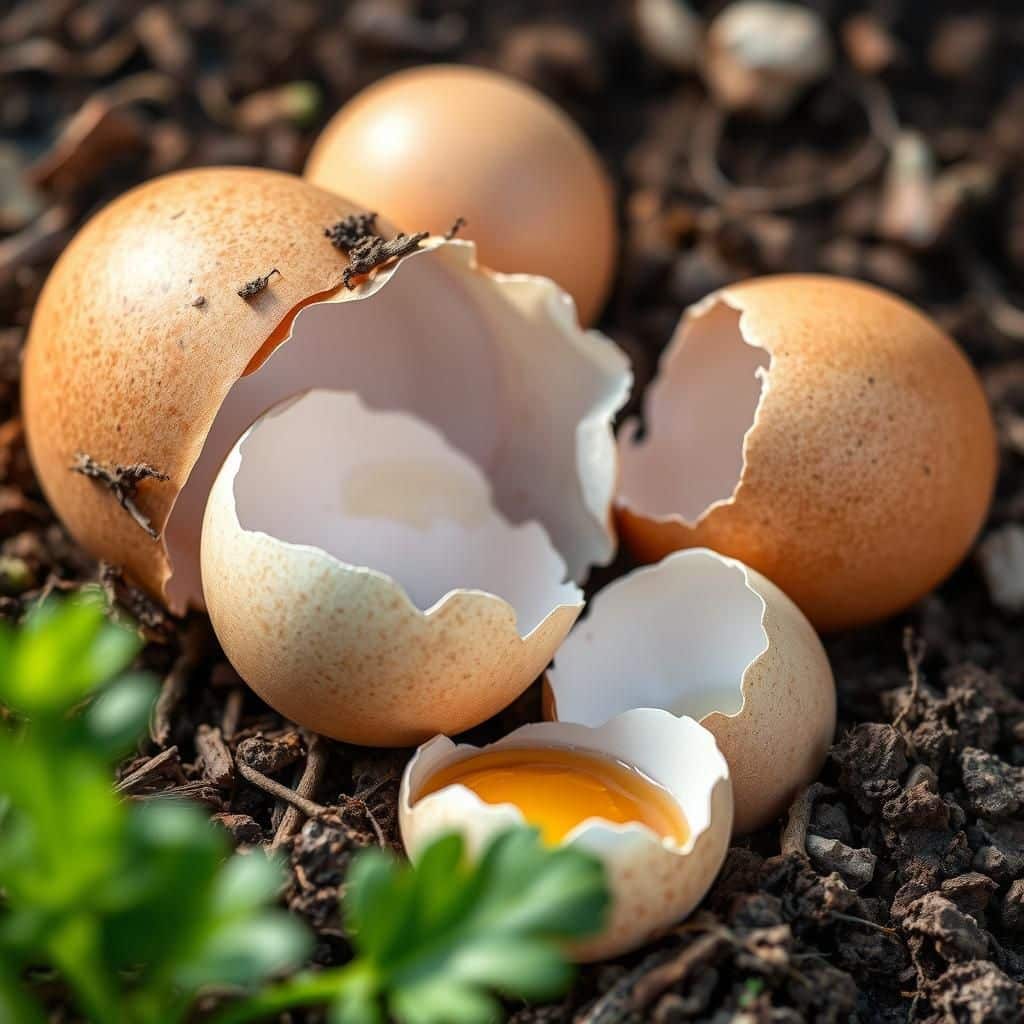
Eggshells are often overlooked as a valuable addition to compost, but they offer numerous benefits for your garden. Rich in calcium and other essential nutrients, crushed eggshells can help improve soil structure and promote healthy plant growth. As organic matter, they contribute to the microbial activity that enhances compost quality. In this article, we will explore the advantages of incorporating eggshells into your compost pile and provide practical tips on how to prepare and use them effectively. Discover how this simple kitchen scrap can transform your compost and support a thriving garden ecosystem.
Are Eggshells Good for Compost?
Eggshells are indeed beneficial for composting, as they provide a rich source of calcium, which is essential for plant growth. When added to compost, eggshells break down slowly, enriching the soil with nutrients over time. They can help to balance the pH levels in compost and deter pests, making them a valuable addition to your compost pile. It's recommended to crush the eggshells before adding them to the compost to accelerate their decomposition process and enhance their nutrient release.
Nutritional Benefits of Eggshells
Eggshells are predominantly composed of calcium carbonate, which is crucial for the development of strong cell walls in plants. This mineral supports the cell division process, aiding in overall plant health and growth. Additionally, the presence of other trace minerals like magnesium, phosphorus, and potassium in eggshells further contributes to a nutrient-rich compost mix, promoting a more robust agricultural environment.
How to Prepare Eggshells for Composting
To effectively compost eggshells, it is beneficial to first rinse them to remove any remaining egg residue, which can attract pests or create odors. After rinsing, allow them to dry thoroughly before crushing them into smaller pieces or a fine powder. This crushing process increases the surface area and speeds up decomposition, ensuring that the eggshells can integrate efficiently into your compost pile.
Eggshells and pH Levels in Compost
Eggshells can play a significant role in maintaining pH levels within your compost. They are alkaline, which means that they can help to neutralize acidity in overly acidic compost material. This balance is essential for creating an optimal environment for microbial life, which is necessary for successful composting and nutrient cycling within the soil.
Effect on Pests and Insects
In addition to their nutritional benefits, crushed eggshells can act as a natural pest deterrent in the garden. The sharp edges of the crushed shells can deter soft-bodied pests like slugs and snails from crossing garden beds. Furthermore, sprinkling eggshells around your plants can provide a barrier that helps protect seedlings from various ground-dwelling insects, promoting healthier plants.
Eggshells and Soil Structure
Incorporating eggshells into compost not only adds nutrients but also enhances the soil structure. The incorporation of crushed eggshells can improve aeration and drainage in the soil when mixed with organic matter. This improved pore space can lead to better water retention and root development, ultimately leading to healthier, more productive plants.
| Benefits | Details |
|---|---|
| Calcium Source | Essential for cell structure and plant growth. |
| pH Neutralization | Helps balance acidity in compost. |
| Pest Deterrent | Sharp edges can deter harmful insects. |
| Enhanced Soil Structure | Improves aeration and drainage. |
| Nutrient Release | Slow breakdown enriches soil over time. |
Why not put egg shells in compost?
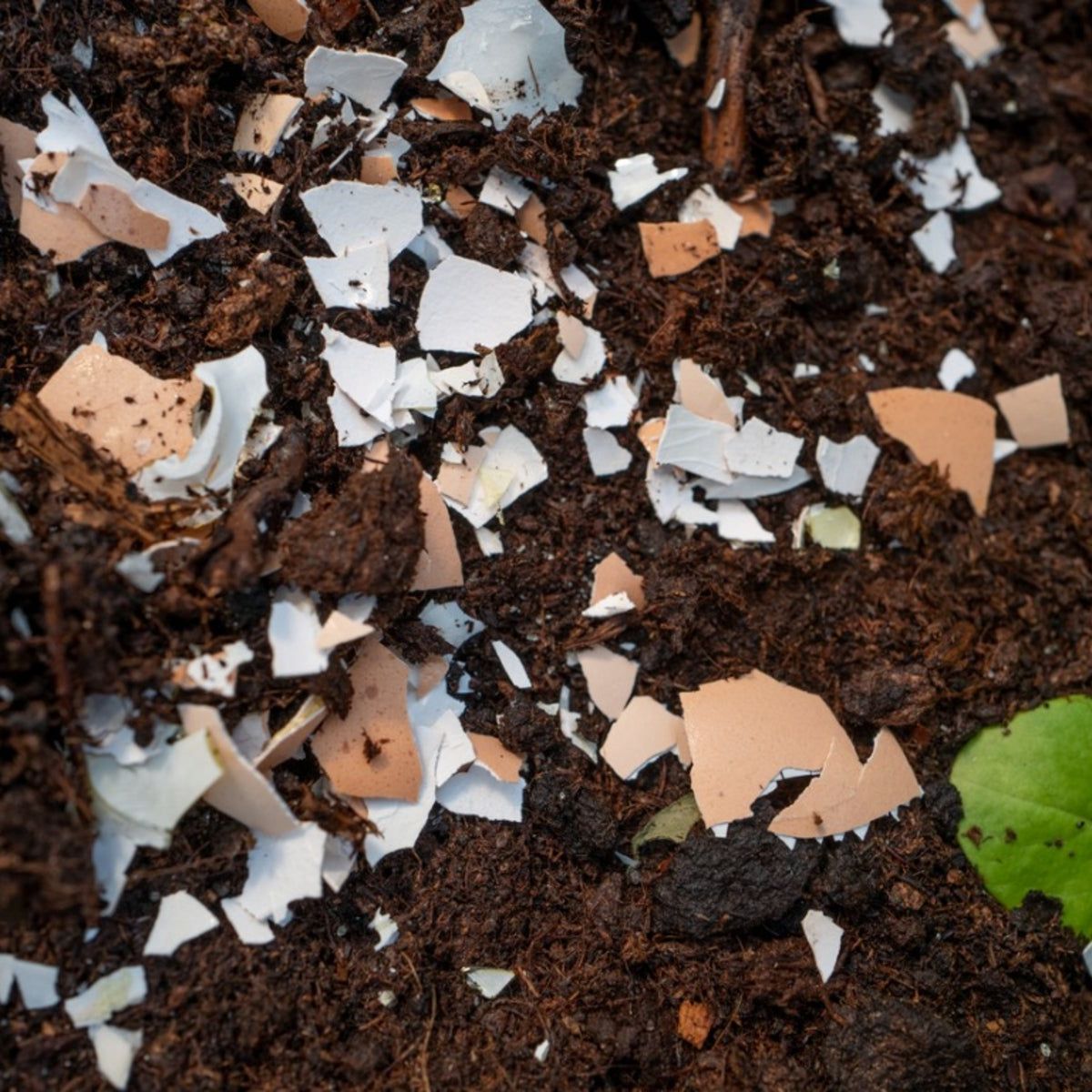
Eggshells are often considered a beneficial addition to compost due to their calcium content. However, there are several reasons why some composting experts may advise against adding eggshells to compost piles.
1. Slow Decomposition
Eggshells decompose much more slowly than other organic materials. This can create issues in the compost pile because they take a long time to break down, which can lead to an unbalanced composting process.
See also:
- The hard shell is primarily made of calcium carbonate, which is not easily broken down by microorganisms.
- This can lead to a slow accumulation of eggshells in your compost, potentially causing composting inefficiencies.
- As a result, you may end up with a compost pile that does not reach its full potential for breaking down other materials.
2. Potential Contamination
Adding eggshells can sometimes introduce the risk of introducing pathogens or harmful bacteria. If the eggs are cracked or not properly cleaned, they could contain remnants of the egg white or yolk, which can attract pests.
- Unsanitary eggs can lead to compromised compost health, potentially affecting the plants that receive the compost.
- There is a risk of introducing bacteria like Salmonella if the shells are contaminated.
- While the risk is low, it’s still a consideration for those maintaining a clean composting environment.
3. Imbalance in Nutrient Ratios
Eggshells are primarily composed of calcium, which could lead to an imbalance in the overall nutrient ratios of the compost. Too much calcium can interfere with the compost's ability to provide a balanced diet for plants.
- Nutrient balance is essential for healthy plant growth, and too much of any single nutrient can hinder that.
- When compost is overly rich in calcium, it may lead to nutrient deficiencies in nitrogen, phosphorus, and potassium.
- Regularly adding eggshells can disrupt the natural balance, requiring additional adjustments in composting practices.
4. Preference for Other Materials
Composting is best achieved with a variety of materials, and experts often recommend focusing on those that break down more swiftly. Using too many eggshells can take away from valuable space needed for items like greens and browns.
- Greener materials (like fruit scraps) tend to decompose much faster than eggshells.
- By concentrating on faster-decomposing materials, you can create a more efficient compost pile.
- Incorporating a variety of materials will also allow microorganisms to thrive better, leading to a more productive composting process.
5. Alternative Uses for Eggshells
Instead of composting, eggshells can be utilized in various other ways, reducing the necessity of adding them to the compost.
- They can be ground into a fine powder and used directly as a calcium supplement for plants.
- Eggshells can be sprinkled around plants to act as a natural deterrent against pests like slugs and snails.
- They can even be used in homemade organic fertilizers, contributing beneficial nutrients without complicating the composting process.
Which plants do not like egg shells?

When considering the impact of egg shells on plants, it's essential to recognize that while many plants benefit from the added calcium and nutrients found in crushed egg shells, some may actually be negatively affected. Here are some plants that do not typically thrive when exposed to egg shells:
1. Plants Sensitive to Soil pH
Certain plants prefer a very specific soil pH range, and adding egg shells can increase the alkalinity of the soil. This can be detrimental to them.
- Blueberries: They thrive in acidic soil and may suffer from reduced growth and yield if the soil becomes too alkaline due to egg shells.
- Cranberries: Similar to blueberries, cranberries prefer a lower pH and are sensitive to increases in soil alkalinity.
- Azaleas: These plants also prefer acidic conditions, making them less compatible with the addition of calcium-rich egg shells.
2. Members of the Nightshade Family
Plants in the nightshade family can sometimes experience issues with adding egg shells, depending on the existing soil composition.
- Tomatoes: Excess calcium from egg shells might lead to increased blossom end rot, which is often the result of irregular watering rather than a deficiency.
- Peppers: While they can tolerate some calcium, too much can hinder their nutrient uptake and overall health.
- Eggplants: Similar to tomatoes and peppers, eggplants may struggle with excess calcium, especially in already alkaline conditions.
3. Plants Requiring High Levels of Magnesium
Some plants need higher levels of magnesium for optimal growth, and excessive calcium from egg shells can interfere with the absorption of this important nutrient.
- Spinach: If the soil becomes too high in calcium, it can lead to magnesium deficiencies which can stunt growth.
- Swiss Chard: High calcium levels may also inhibit magnesium uptake, affecting the plant's health.
- Potatoes: An imbalance in nutrient levels could impact their growth negatively, particularly if magnesium is deficient.
4. Acid-Loving Plants
Many plants that thrive in naturally acidic environments may not respond well to the alkalinity introduced by egg shells.
See also:
- Rhododendrons: These require acidic soil conditions, which can be ruined by the addition of egg shells.
- Gardenias: Like rhododendrons, gardenias prefer lower pH and may face problems in more alkaline settings.
- Ferns: Many ferns appreciate acidity; therefore, adding egg shells can lead to poor growth.
5. Plants Prone to Calcium Toxicity
Some plants can be sensitive to an excess of calcium, which can happen when too many egg shells are added.
- Orchids: These often prefer a balance of nutrients and can suffer if subjected to too much calcium.
- Hibiscus: They can exhibit poor growth and yellowing leaves due to calcium excess.
- Peace Lilies: They may develop issues such as leaf tip burn and overall decline when overly exposed to calcium from egg shells.
How to prepare egg shells for compost?
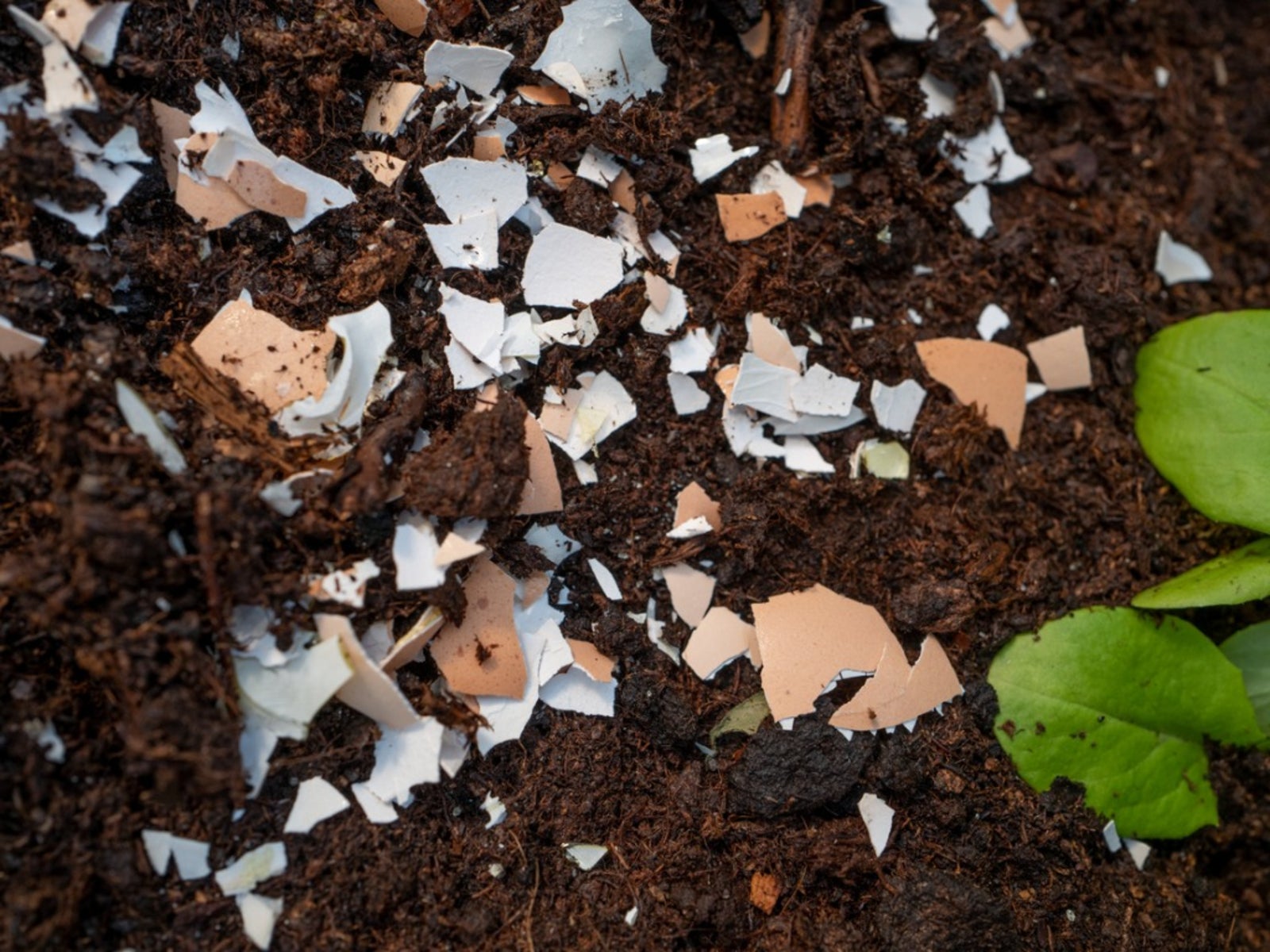
To prepare egg shells for compost, follow these simple steps to ensure they break down effectively and enrich your compost pile. Egg shells are a great source of calcium carbonate, which is beneficial for plant growth. Here’s how to prepare them for composting:
1. Collecting Eggshells
Begin by saving your egg shells regularly. You can do this by:
- Rinse the shells after use to remove any egg residue, which can attract pests.
- Store the cleaned shells in a dedicated container until you have enough for composting.
- Avoid using shells from eggs that are cracked or spoiled, as they can introduce bacteria into your compost.
2. Crushing the Eggshells
Before adding egg shells to your compost, it's important to crush them. This helps them break down more quickly. Here’s how:
- Use a mortar and pestle for a traditional method, which allows for finer pieces.
- Place shells in a plastic bag and use a rolling pin or your hands to crush them.
- Consider a food processor for larger batches, which can grind the shells into a powdery consistency.
3. Adding Eggshells to Compost
Now that your shells are prepared, it's time to incorporate them into your compost pile. Follow these tips:
- Mix the crushed shells evenly throughout the compost to ensure uniform distribution of nutrients.
- Layer them with other organic materials, such as green waste or brown matter, to help maintain a balanced compost.
- Monitor the moisture levels, as egg shells can absorb water, aiding in the overall breakdown process.
4. Understanding the Benefits
Eggshells provide multiple benefits to your compost. Here’s why they are valuable:
- Calcium supply, which is crucial for strong cell walls in plants.
- pH balance, helping to neutralize acidic compost, leading to better nutrient availability.
- Soil aeration, as the shells create small pockets in the compost, enhancing airflow.
5. Storage and Usage Tips
Here are some tips on how to store and use egg shells effectively:
- Store dried shells in an airtight container to prevent moisture and bacteria growth.
- Use crushed shells directly in your garden beds as a natural fertilizer.
- Be patient, as eggshells may take time to decompose fully in the compost, typically several months.
Questions from Our Readers
Are eggshells beneficial for compost?
Yes, eggshells are beneficial for compost because they add valuable calcium to the soil, which is essential for plant growth. When added to compost, they decompose slowly, helping to balance the pH levels and improving the overall quality of the compost.
How should eggshells be prepared before composting?
Before composting, it's a good idea to rinse the eggshells to remove any residual egg, which can attract pests. Then, crushing them into smaller pieces or grinding them can help them decompose more rapidly in the compost pile.
See also:
Can I add a large amount of eggshells to my compost?
While eggshells are beneficial, it's important not to add them in large quantities, as it can lead to an imbalance in materials. Adding them in moderation ensures that your compost remains well-balanced and decomposes efficiently.
Do eggshells attract pests in compost?
When properly prepared and used in moderation, eggshells do not typically attract pests. However, if they are added with excess food waste or not rinsed properly, they can contribute to attracting unwanted insects or animals.

If you want to read more articles like Are Eggshells Good for Compost? Discover the Benefits and Tips for Your Garden, we recommend you check out our Compost category.
Leave a Reply
Related Articles