Ultimate Guide: What to Put Around the Base of Blueberry Bushes? Expert Tips and Ideas

When it comes to cultivating healthy blueberry bushes, the area surrounding their base plays a crucial role in their growth and productivity. Choosing the right materials and techniques for ground cover can enhance soil quality, control weeds, and retain moisture, ultimately benefiting your plants. This ultimate guide explores expert tips and creative ideas for what to put around the base of your blueberry bushes. From organic mulches to companion plantings, we will cover various options that not only promote a thriving environment but also add aesthetic appeal to your garden. Discover how to maximize the health and yield of your blueberries effectively.
What to Put Around the Base of Blueberry Bushes?
To encourage healthy growth and fruit production in your blueberry bushes, it's important to put the right materials around their base. The best options typically include mulch, which can help retain moisture, suppress weeds, and enhance soil nutrients. Pine bark or pine needles are especially beneficial, as they naturally acidify the soil, promoting the optimal pH level for blueberries. Other materials such as compost or well-rotted manure can also be used to improve soil fertility. Not only will these additions help in keeping the area around your bushes neat, but they will also create a healthier environment for roots to thrive.
Benefits of Using Mulch
Applying mulch around the base of blueberry bushes can significantly improve moisture retention, reducing the need for frequent watering. Mulch acts as a protective barrier, keeping the soil temperature more stable, which is critical for root health. It also inhibits the growth of weeds that compete for nutrients and water, allowing the blueberry plants to access resources more effectively. Additionally, as the mulch breaks down, it enriches the soil with organic matter, encouraging beneficial microbial activity.
Choosing the Right Type of Mulch
When selecting mulch for blueberry bushes, consider organic options such as pine needles, wood chips, or straw. Pine needles are particularly effective because they help to lower the soil pH, making it more suitable for blueberries, which thrive in acidic conditions. Wood chips provide a longer-lasting layer of mulch, while straw is a lightweight option that can be easily spread and integrated into garden beds. Avoid using inorganic mulches, such as rubber or gravel, as they do not provide soil benefits and can retain heat excessively.
Soil Amendments for Blueberry Bushes
In addition to mulch, soil amendments such as compost and sulfur can optimize growing conditions for blueberries. Compost enriches the soil with essential nutrients and improves its structure, allowing for better water retention and drainage. Adding elemental sulfur can help lower the soil pH, aligning it with the preferred acidic environment for blueberries. Testing the soil before applying amendments ensures that you provide the right balance of nutrients and pH levels.
Pest and Disease Control Strategies
Keeping the area around blueberry bushes clean and well-maintained is crucial for preventing pests and diseases. Regularly removing fallen fruit and foliage can reduce the risk of fungal diseases and attract fewer pests. In addition to mulch, using beneficial insects like ladybugs can help control aphid populations. Organic solutions such as neem oil can protect plants from mildew and other pathogens while remaining safe for the environment.
Watering Needs of Blueberry Bushes
Proper watering is essential for the health of blueberry bushes, particularly in conjunction with the materials placed around their base. Mulch can help regulate soil moisture, but it's still important to provide adequate water, especially during dry spells. Blueberries prefer evenly moist soil, but overwatering should be avoided to prevent root rot. Watering deeply and less frequently encourages deep root growth, making the plants more resilient to drought conditions.
| Material | Benefit | Duration |
|---|---|---|
| Pine Needles | Lowers soil pH | Long-lasting |
| Wood Chips | Improves soil structure | Very long-lasting |
| Straw | Weed suppression | Short-lasting |
| Compost | Nutrient-rich | Varies (2-3 years) |
| Elemental Sulfur | Acidifies soil | Long-lasting |
What is the best ground cover under blueberries?
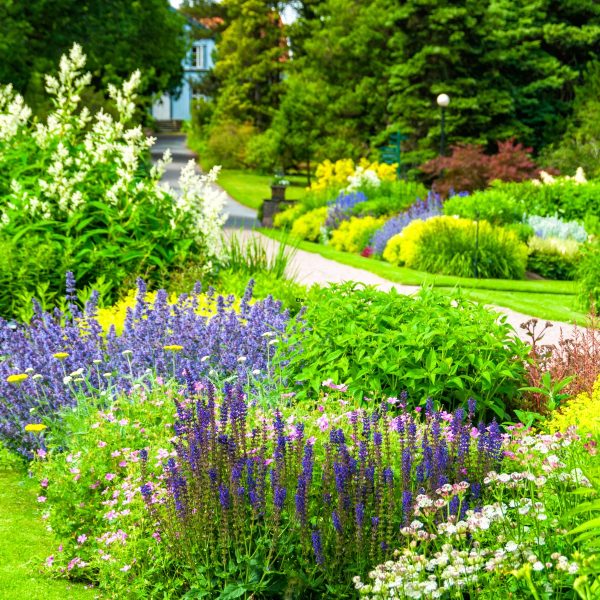
The best ground cover under blueberries is essential for maintaining healthy plants, managing weeds, and improving soil conditions. Various types of ground covers can serve different purposes, and choosing the right one depends on factors such as soil type, drainage, and sunlight availability. In general, the best ground covers will not only suppress weeds but also provide benefits such as moisture retention and soil enhancement.
Advantages of Ground Covers Under Blueberries
Ground covers offer numerous benefits for blueberry plants, including:
See also:
- Weed Suppression: Ground covers effectively block the sunlight that weeds need to grow, reducing competition for nutrients.
- Moisture Retention: A well-chosen ground cover can help retain soil moisture, which is crucial for the water-sensitive blueberry plants.
- Soil Improvement: Some ground covers add organic matter to the soil as they decompose, enhancing soil structure and fertility.
Best Types of Ground Cover for Blueberries
Several types of ground covers are particularly well-suited for planting under blueberries:
- Clover: White clover is a popular choice due to its ability to fix nitrogen in the soil, thus providing essential nutrients to blueberry plants.
- Strawberry: Alpine strawberries not only provide a sweet fruit but also improve soil oxygenation as a living mulch.
- Mulch: Organic mulches, such as wood chips or pine needles, are excellent for moisture retention and weed control while also slowly adding nutrients to the soil.
Considerations When Choosing Ground Cover
When selecting ground cover for blueberries, there are several important considerations:
- Soil Acidity: Blueberries thrive in acidic soil, so it's important to choose ground covers that also prefer similar conditions.
- Sunlight Needs: Ensure that the chosen ground cover is compatible with the light conditions of your blueberry planting area.
- Growth Habit: Opt for ground covers that do not invade or compete aggressively with the blueberry plants.
Maintenance of Ground Covers Under Blueberries
Proper maintenance is vital for the success of your chosen ground cover:
- Regular Monitoring: Check for any weeds that may appear and remove them promptly, even with ground cover present.
- Watering: Ensure that both the ground cover and blueberry plants receive adequate moisture, especially during dry spells.
- Periodic Pruning: Depending on the ground cover type, some may require pruning to ensure they do not outcompete your blueberries for nutrients and light.
Potential Challenges with Ground Covers
While ground covers provide many benefits, there can be challenges:
- Competition for Nutrients: If not managed properly, ground covers may compete with blueberries for nutrients and water.
- Pest Issues: Some ground covers may attract pests that could also affect blueberry plants.
- Overgrowth: Vigorous ground covers can become invasive, requiring more frequent management to keep them in check.
Is it good to put coffee grounds around blueberry bushes?
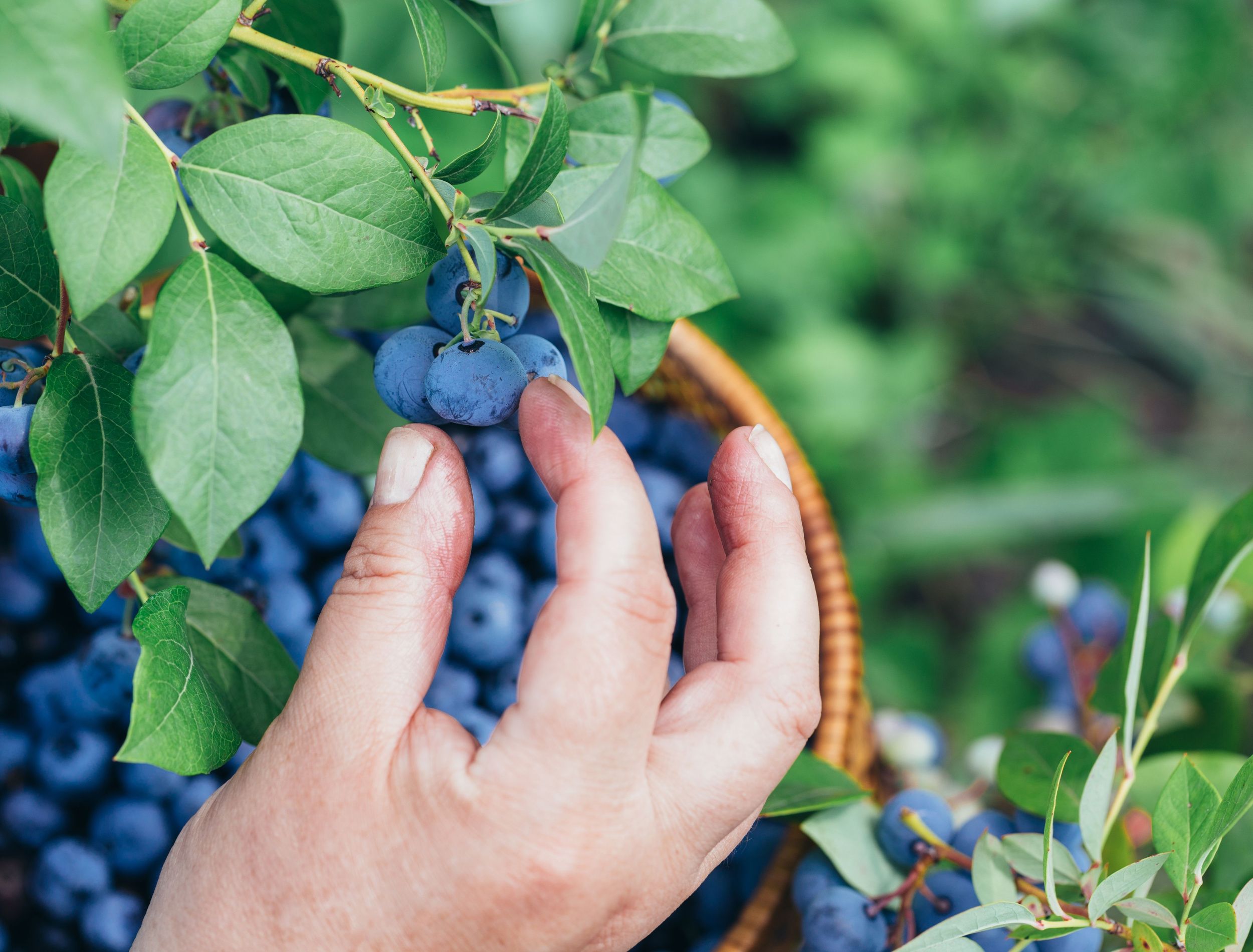
Using coffee grounds around blueberry bushes can be beneficial, but there are several factors to consider to ensure that this practice is effective without causing harm.
Benefits of Coffee Grounds for Blueberry Bushes
Using coffee grounds can offer multiple benefits for blueberry bushes, which prefer acidic soil. Here's how coffee grounds can help:
- Acidity Boost: Coffee grounds have a low pH, typically ranging from 6.0 to 6.5, which can help to slightly increase the acidity of the soil, making it more suitable for blueberries.
- Nutrient Source: They are rich in nitrogen and contain a range of other nutrients such as phosphorus and potassium, aiding in plant growth.
- Moisture Retention: Coffee grounds can help retain moisture in the soil, which is beneficial during dry spells.
How to Apply Coffee Grounds
The method of application is crucial for the proper use of coffee grounds around blueberry bushes:
- Mix with Soil: Blend coffee grounds into the top layer of soil rather than leaving them in clumps, which can repel water.
- Use in Moderation: A small amount goes a long way; use just a few tablespoons per plant to avoid overwhelming the soil.
- Composting: Consider adding coffee grounds to your compost pile to enhance nutrient distribution before applying them to your blueberry bushes.
Potential Drawbacks
While coffee grounds can be helpful, there are some drawbacks to monitor:
- Over-Acidity: Excessive use can lead to overly acidic soil, which may be detrimental to plant health.
- Attraction of Pests: Coffee grounds may attract pests like snails or slugs, so it's essential to monitor the area closely.
- Variable Nutrient Content: Not all coffee grounds are created equal; some may lack crucial nutrients if the coffee was poorly brewed.
Other Organic Amendments to Consider
In addition to coffee grounds, other organic materials can contribute positively to the health of blueberry bushes:
See also:
- Pine Needles: They help maintain the acidic environment necessary for blueberries and can also improve soil texture.
- Mulch: Organic mulches, such as wood chips or straw, can provide nutrients while helping to maintain soil moisture.
- Leaf Mold: Decomposed leaves add essential organic matter and can help improve soil structure.
Timing of Application
The timing of when to apply coffee grounds is also important for maximizing benefits:
- Spring Application: Early spring is an excellent time to apply coffee grounds as plants begin to wake from dormancy.
- Post-Blooming: Adding them after the plants have finished blooming can help with nutrient uptake during fruit development.
- Avoid Late Fall: It is best to avoid applying coffee grounds late in the season, as they may not decompose before winter.
How to prepare the ground for blueberry bushes?
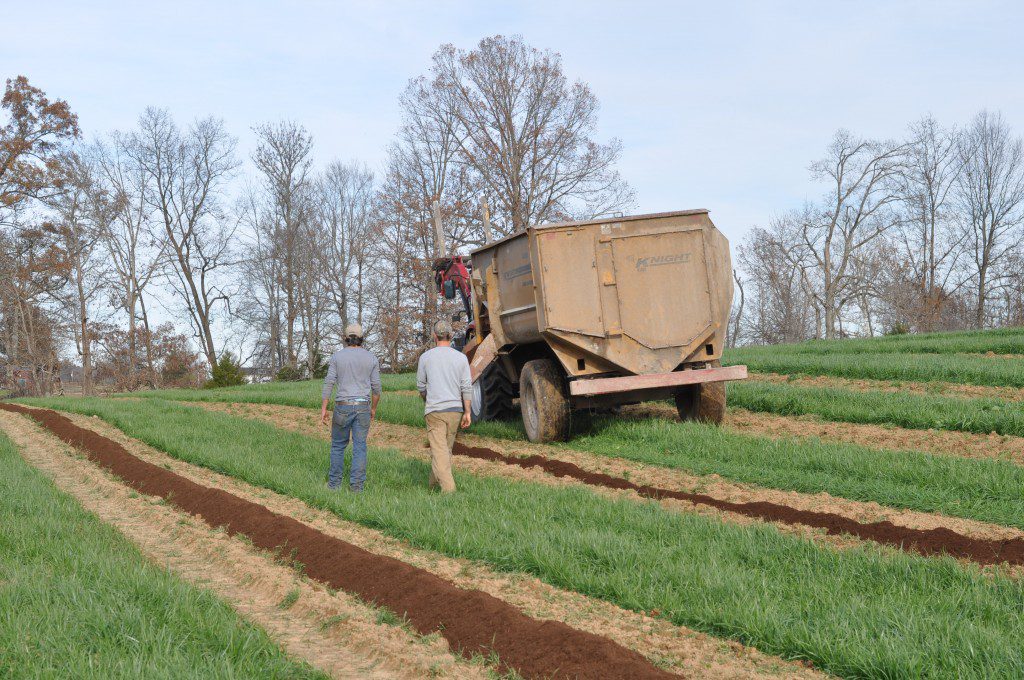
To prepare the ground for blueberry bushes, it is essential to take several key steps to ensure optimal growth and fruiting. Blueberries thrive in acidic, well-drained soil with specific nutrient requirements. Here's how to get started:
1. Test the Soil pH
Testing the soil pH is crucial for determining whether your ground is suitable for blueberries. Blueberries prefer a pH range of 4.5 to 5.5.
- Use a soil testing kit from a gardening store or send a sample to a local lab.
- Follow the instructions for testing and analyze the results carefully.
- If the pH is higher than desired, consider using sulfur or acidic organic matter to lower it.
2. Amend the Soil
Once the pH level is within the desired range, amending the soil with organic material can improve its structure and nutrient content.
- Add peat moss, pine bark, or compost to enhance soil quality.
- Incorporate these amendments to a depth of at least 12 to 18 inches.
- Regularly check the moisture retention ability of your soil after amendments.
3. Choose the Right Location
The site selection can significantly impact the health of your blueberry bushes. Blueberries require full sun exposure for productive yield.
- Pick a location that receives at least 6 to 8 hours of sunlight daily.
- Avoid areas prone to flooding or standing water to prevent root rot.
- Consider planting on a slight slope, if available, to improve drainage.
4. Prepare the Planting Area
Preparing the planting area is essential for establishing healthy blueberry bushes.
- Clear the area of weeds, grass, and debris to minimize competition for nutrients.
- Till the soil to create a loose environment and mix in your amendments thoroughly.
- Create raised beds if necessary, which can help with drainage and soil quality.
5. Consider Companion Planting
Companion planting with acid-loving plants can be beneficial for blueberries, as they often share similar soil requirements.
- Consider planting azaleas, rhododendrons, or cranberries nearby.
- Ensure the companion plants also thrive in acidic soils.
- This practice can improve pollination and increase overall garden biodiversity.
Questions from Our Readers
What is the best mulch to put around blueberry bushes?
Using a pine bark mulch or wood chips is often recommended for blueberry bushes, as they provide excellent aeration and retain moisture. Additionally, they help maintain the acidic soil pH that blueberries thrive in, which is essential for their health and productivity.
How much mulch should I apply around my blueberry bushes?
A layer of 2 to 4 inches of mulch is generally sufficient for blueberry bushes. This depth helps to conserve moisture, suppress weeds, and maintain a stable soil temperature, all of which contribute to the overall well-being of your plants.
See also:
Can I use grass clippings around blueberry bushes?
While grass clippings can be used as mulch, it's important to apply them in thin layers to prevent matting and ensure proper aeration. Mixing grass clippings with other types of mulch can enhance their benefits and provide a more balanced environment for your blueberry bushes.
Is it necessary to remove old mulch before adding new mulch?
It's generally a good practice to remove old mulch before adding new material, especially if it has broken down significantly or contains pests. However, if the old mulch is still in decent condition, you can simply add a fresh layer on top to enhance its effectiveness and improve the visual appeal of your blueberry bushes.

If you want to read more articles like Ultimate Guide: What to Put Around the Base of Blueberry Bushes? Expert Tips and Ideas, we recommend you check out our Berries category.
Leave a Reply
Related Articles