Can I Use a Tomato Cage for Raspberries? Discover the Best Support Solutions
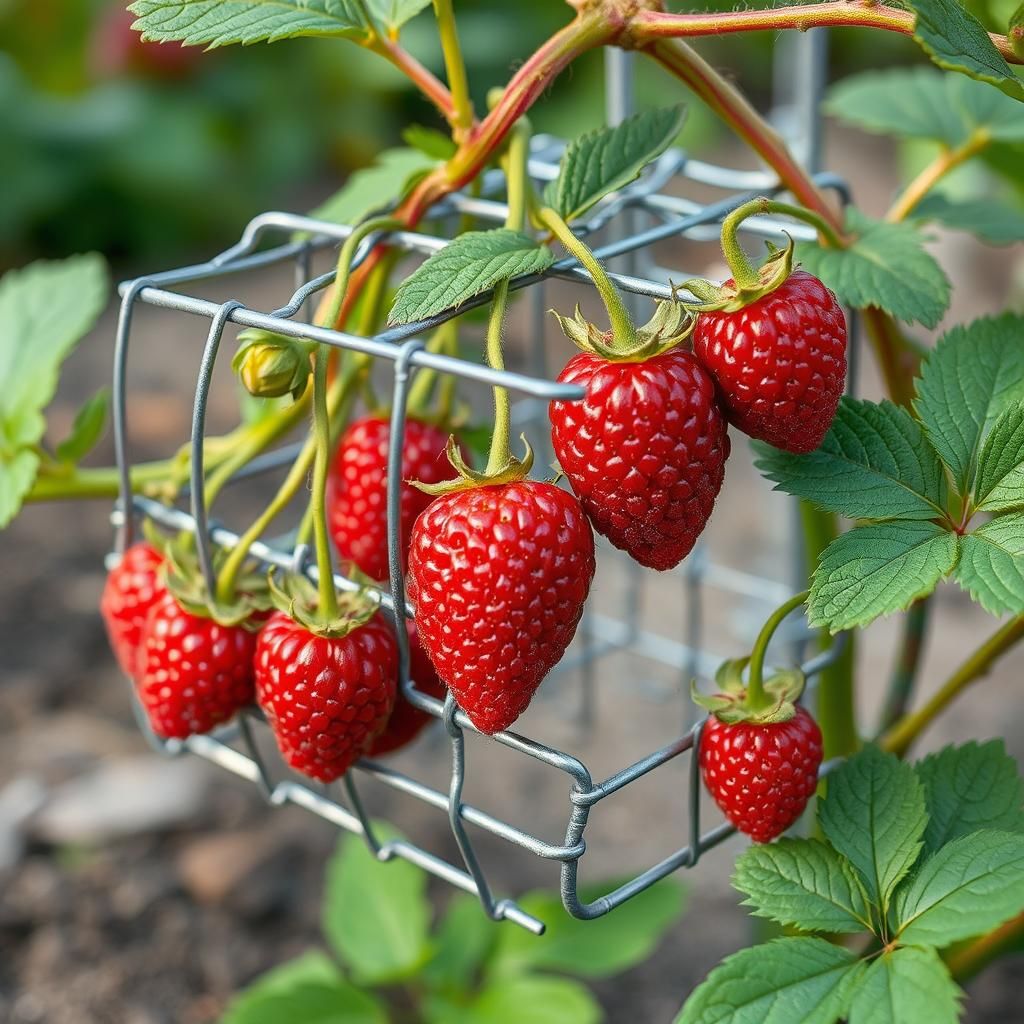
When growing raspberries, providing adequate support is crucial for healthy plants and bountiful yields. Many gardeners wonder if tomato cages, a popular support option for other plants, can effectively be used for raspberries. This article delves into the compatibility of tomato cages with raspberry plants, exploring their structure and design to assess their effectiveness. Additionally, we'll discuss alternative support solutions that might better suit raspberry growth requirements, ensuring your berry harvest thrives. Whether you're a seasoned gardener or a novice, understanding the best support methods can make all the difference in your raspberry-growing success.
Can a Tomato Cage Be Used for Raspberries?
Using a tomato cage for raspberries is not only possible but can also be quite effective for supporting their growth. Raspberry plants, which can grow tall and become heavy with fruit, benefit from vertical support to prevent them from sprawling on the ground. Tomato cages provide a sturdy structure that allows raspberries to climb, improving air circulation and reducing the risk of diseases. By placing the cage in the soil before planting or around existing plants, you can train the raspberry canes to grow upward, making it easier to harvest and maintain the plants.
Advantages of Using Tomato Cages for Raspberries
One of the main advantages of using tomato cages for raspberries is the excellent support they provide. This structure helps keep the canes upright, which not only maximizes sunlight exposure but also makes harvesting more efficient. Furthermore, a tomato cage can help minimize the risk of disease by allowing for better air circulation around the plants, preventing moisture buildup. Additionally, this method makes it easier to manage weeds and is generally simple to implement, requiring minimal additional materials.
Types of Tomato Cages Suitable for Raspberries
There are various types of tomato cages available, but sturdy metal or reinforced plastic cages are the most suitable for supporting raspberry plants. Metal cages, particularly those made from galvanized steel, offer durability and can withstand the weight of heavy fruit-bearing canes. On the other hand, plastic cages may be cheaper but can become brittle over time, especially if exposed to harsh weather conditions. When selecting a cage, ensure it is tall enough (ideally 5 to 6 feet) to accommodate the growth of raspberry plants.
How to Set Up a Tomato Cage for Raspberries
To set up a tomato cage for raspberries, first, choose a location with full sun and well-drained soil. If planting new raspberry plants, position the cage around the planting hole before placing the plant inside. For existing plants, gently insert the cage into the soil, ensuring that it is securely grounded. As the raspberry canes grow, carefully tie them to the cage using soft plant ties or twine to encourage vertical growth. It's important to monitor the plants regularly, adjusting ties as necessary to ensure proper support.
See also:
Potential Drawbacks of Using Tomato Cages
While tomato cages can be beneficial for raspberries, there are some potential drawbacks to consider. One significant issue is that if the cage is too short or unstable, it might not provide adequate support as the canes grow taller and heavier. Furthermore, if the cages are not secured properly in the ground, they can topple over in windy conditions, damaging the plants. Lastly, some gardeners find that training the canes can be time-consuming, as they need to be tied regularly to prevent them from falling out of the cage.
Alternative Supports for Raspberries
If tomato cages are not suitable for your gardening style, there are alternative support methods for raspberries. Common options include using a trellis made from fencing or wooden posts and wire, which allows for maximum airflow and makes harvesting easier. Other gardeners prefer using vertical stakes to support individual canes or employing a DIY method using sturdy twine or rope strung between posts. Each alternative has its benefits, depending on your garden layout and personal preference for maintenance.
| Support Type | Durability | Ease of Setup | Cost |
|---|---|---|---|
| Tomato Cage | Moderate | Easy | Low |
| Trellis | High | Moderate | Moderate |
| Vertical Staking | Moderate | Easy | Low |
| DIY Support with Twine | Variable | Moderate to Hard | Very Low |
Alternative Support Structures for Raspberry Plants
Using a tomato cage for raspberry plants can be a creative solution, but it may not provide the ideal support these vining plants require. Raspberries grow taller and more robust than most tomato varieties, which means they may outgrow the confines of a simple cage. While tomato cages can offer some support, they often lack the height and stability needed for optimal raspberry growth, especially for those varieties that produce larger yields. Therefore, while it's possible to use a tomato cage in a pinch, investing in more robust support options like trellises or post-and-wire systems may lead to better fruit production and healthier plants overall.
Understanding Raspberry Plant Growth Habits
Raspberry plants have a unique growth habit characterized by their perennial canes that will grow much taller than a typical tomato plant. After the canes mature, they become heavy with fruit, needing adequate support to prevent them from bending or breaking. The canes can reach heights of up to 6 feet, and this size is beyond the capacity of a standard tomato cage. Understanding these growth habits is crucial when deciding whether a tomato cage will suffice for your raspberry plants.
Benefits of Using Trellises for Raspberries
Trellises offer significant advantages for supporting raspberry plants compared to tomato cages. By utilizing a trellis, you can provide vertical support that allows the canes to grow upwards, promoting better air circulation and easy access for harvesting. Trellises also help to keep the fruit off the ground, reducing the risk of diseases that can occur from soil contact. This method of support encourages healthier growth and maximizes fruit production, making it a preferred option for many gardeners.
See also:
How to Build a Raspberry Support System
Building a proper support system for raspberry plants can be simple and effective. You can create a wire trellis by installing tall posts, spaced evenly apart, and running sturdy wire between these posts at different heights. This allows the canes to be secured with twine or clips, keeping them upright as they grow. Make sure to use rust-resistant materials to ensure longevity. This DIY approach not only supports the raspberry plants but also integrates well into your garden design.
Common Mistakes to Avoid When Supporting Raspberries
One common mistake many gardeners make is opting for inadequate support structures that cannot bear the weight of the heavy canes and fruit. Another pitfall is failing to plan for horizontal expansion; raspberry plants can spread out as they grow, requiring additional support or space. Additionally, neglecting to secure the canes properly can lead to breakage or damage during windy conditions. Recognizing these potential issues beforehand can lead to a healthier and more productive raspberry patch.
Seasonal Maintenance for Raspberry Supports
Maintenance of your raspberry support system is crucial for the longevity and effectiveness of your garden. During the growing season, regular checks should be made to ensure that the canes are securely tied and properly aligned with the support structure. After the harvesting season, it's important to prune the canes to promote new growth and remove any dead or diseased parts. Proper maintenance will enhance the stability of your chosen support and ensure your raspberry plants remain healthy year after year.
Questions from Our Readers
Can I use a tomato cage for raspberries?
Yes, you can use a tomato cage for raspberries, but it may require some modifications. Raspberry plants tend to grow taller and require more support than typical tomato plants, so ensure that the cage is sturdy enough and tall enough to accommodate their growth.
What type of support do raspberries need?
Raspberries need vertical support to keep the canes upright and promote healthy growth. Using a trellis system or a tall tomato cage can provide the necessary structure to prevent the canes from sprawling on the ground, which can lead to pest issues and reduced fruit yield.
See also:
How do I modify a tomato cage for raspberries?
To modify a tomato cage for raspberries, consider adding extra stakes or height extension to ensure it can support the taller canes. You might also want to add additional horizontal supports to help guide the canes as they grow, making it easier to manage the plants.
Are there better options than tomato cages for raspberries?
While tomato cages can work, there are better options like a wire trellis or obelisks specifically designed for raspberries. These structures offer better support and more flexibility for training the canes, which can lead to a healthier harvest and easier maintenance.

If you want to read more articles like Can I Use a Tomato Cage for Raspberries? Discover the Best Support Solutions, we recommend you check out our Berries category.
Leave a Reply
Related Articles