Discover What is the Best Tasting Blueberry to Grow for Your Garden
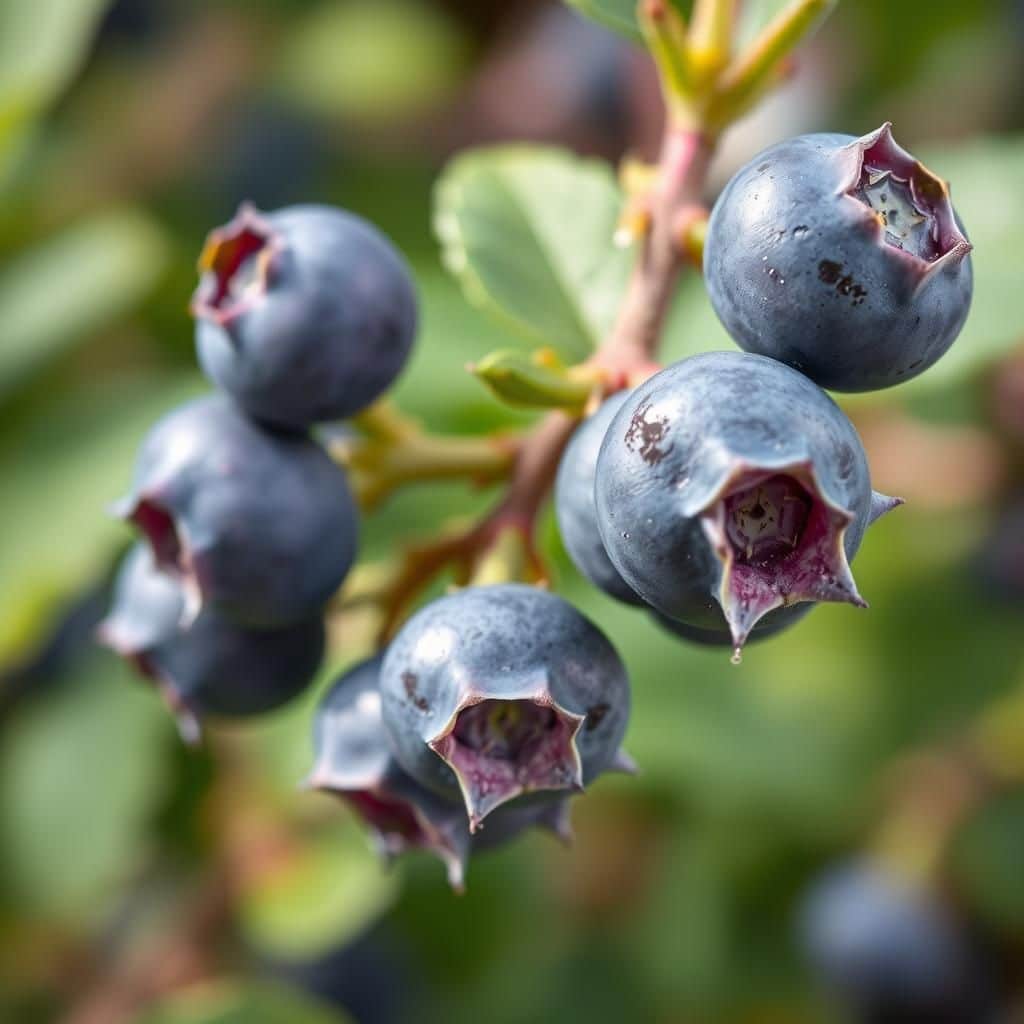
Blueberries are a delightful addition to any garden, offering not only a burst of flavor but also numerous health benefits. However, with various varieties available, choosing the best-tasting blueberry can be a daunting task for gardeners. The right selection can greatly enhance your gardening experience and ensure a bountiful harvest of sweet, juicy berries. In this article, we will explore the top blueberry varieties, taking into consideration taste, growth conditions, and overall yield. Whether you're a seasoned gardener or a beginner, discover which blueberry is perfect for your garden and how to cultivate them for the best results.
What is the Best Tasting Blueberry to Grow?
When considering the best tasting blueberry to grow, the highbush blueberry (Vaccinium corymbosum) variety stands out due to its superior flavor and quality. Among the many cultivars available, 'Bluecrop' is often heralded for its balanced sweetness and acidity, making it ideal for fresh consumption and culinary uses. This variety produces medium to large berries with a robust flavor profile. It's also known for its adaptability to various climates and soil types, yielding a higher yield in a shorter growing season compared to other varieties, thus making it a favorite among both home gardeners and commercial growers alike.
Top Blueberry Varieties for Flavor
Several blueberry varieties are famed for their exceptional taste. Besides 'Bluecrop', the 'Legacy' variety offers an extended harvest period and a sweet-tart flavor profile that many find appealing. 'Jelly Bean' blueberries are another favorite, known for their small size and intense sweetness. 'Northcountry' and 'Patriot' are also worth considering, as they provide delicious berries and are hardy in cooler climates, ensuring that you can enjoy flavorful harvests no matter where you're located.
Growing Conditions for Optimal Flavor
To grow the best tasting blueberries, it's crucial to provide them with the right conditions. They thrive in acidic soil (pH 4.5 to 5.5) that is well-draining and rich in organic matter. Adequate sunlight is essential; therefore, planting in a spot that receives full sun for at least six hours a day promotes vigorous growth and enhances berry flavor. Regular watering is also necessary, especially during dry spells, to ensure that the bushes do not go into stress, which can affect the overall quality and taste of the berries.
Harvesting Tips for Maximum Taste
Harvesting blueberries at the right time can significantly influence their flavor. Blueberries should be picked when they are fully ripe, displaying a deep blue color and a slight softness when gently squeezed. It's important to taste the berries during the harvest to find the perfect balance of sweetness and acidity. Typically, farmers and gardeners should aim to harvest in the morning after the dew has dried, as this prevents bruising and retains the most flavor in the berries.
Common Pests and Diseases Affecting Flavor
Protecting your blueberry plants from pests and diseases is essential for ensuring the best tasting fruit. Common threats include the blueberry maggot and aphids, which can affect the health and flavor of the berries. Furthermore, fungal diseases like mummy berry can diminish the quality of the berries during the growing season. Implementing good cultural practices, such as proper pruning, ensuring adequate airflow through the plants, and using organic pest control methods, can help maintain plant health and flavor integrity.
Benefits of Organic Blueberry Farming
Growing organic blueberries can result in tastier fruit, as natural growing methods often enhance the berry's flavor without the use of synthetic chemicals. Organic practices, such as using compost and natural fertilizers, promote a healthier soil ecosystem and contribute to a more robust flavor. Additionally, organic blueberries tend to have a higher antioxidant content, making them not only delicious but also very nutritious for consumers. The commitment to sustainable farming practices also means that these berries support a healthier environment, contributing positively to both human health and nature.
| Variety | Flavor Profile | Harvest Time |
|---|---|---|
| Bluecrop | Sweet and balanced | Mid-season |
| Legacy | Sweet-tart | Late-season |
| Jelly Bean | Intensely sweet | Mid-season |
| Northcountry | Sweet, hardy | Early to Mid-season |
| Patriot | Rich and sweet | Mid-season |
What is the most delicious blueberry variety?

The most delicious blueberry variety is subjective, as individual preferences can vary. However, many experts and blueberry enthusiasts often highlight the 'Bluecrop' variety as one of the most flavorful and versatile options. Renowned for its sweet taste, ease of cultivation, and adaptability to different climates, 'Bluecrop' has gained immense popularity among gardeners and commercial growers alike.
Flavor Profile
The flavor of blueberries can vary widely between different varieties. The 'Bluecrop' blueberry is characterized by its sweetness and juiciness, which are key factors in its appeal. Its taste profile includes:
- Sweetness: Many describe it as having a perfect balance of sugar and acidity.
- Richness: The deep blue color contributes to its rich flavor experience.
- Freshness: Its juicy texture gives a refreshing bite.
Growing Conditions
To achieve optimal flavor in blueberries, the growing conditions are crucial. The 'Bluecrop' variety thrives in:
- Well-drained soil: This variety prefers acidic soils with good drainage.
- Sunlight: A minimum of 6-8 hours of sunlight daily is essential for maximum sweetness.
- Adequate watering: Consistent watering, especially during the fruiting season, ensures juicy yields.
Nutritional Benefits
Blueberries, including the 'Bluecrop' variety, are not only delicious but also packed with health benefits. They are known for:
- Antioxidants: High levels of antioxidants help combat oxidative stress.
- Vitamins: A great source of vitamins C and K, which are essential for health.
- Low calories: They provide a nutritious snack option with fewer calories than many other fruits.
Culinary Uses
The 'Bluecrop' blueberry can be used in various dishes, enhancing their flavor and appeal. Some popular culinary uses include:
See also:
- Fresh consumption: Eaten raw as a healthy snack.
- Baking: Used in pies, muffins, and breads to add sweetness and moisture.
- Sauces and jams: Perfect for making delicious homemade preserves and toppings.
Variety Comparisons
While 'Bluecrop' stands out, it's essential to consider other varieties that also offer great flavor. When comparing:
- 'Legacy': Known for its unique flavor profile and extended harvest season.
- 'Northblue': A compact plant with deliciously sweet berries, ideal for smaller gardens.
- 'Chandler': Offers large berries with a sweet taste and is known for high yields.
What is the easiest blueberry to grow?
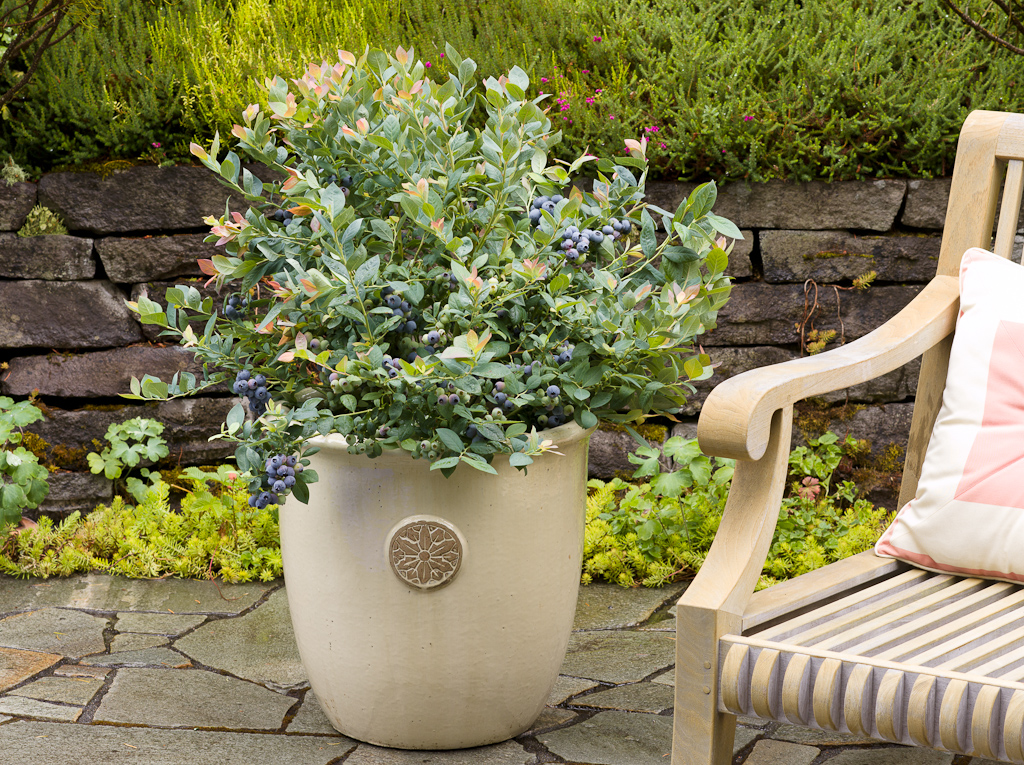
The easiest blueberry to grow is often considered to be the highbush blueberry species, particularly the varieties of the Vaccinium corymbosum. These blueberries are favored by both amateur gardeners and commercial growers due to their hardiness, adaptability to various soil types, and the abundance of fruit they produce.
Growing Conditions for Highbush Blueberries
Highbush blueberries thrive in well-drained, acidic soils with a pH of 4.5 to 5.5. They require specific growing conditions to ensure optimal growth and fruit production. Key aspects include:
- Sunlight: Full sun exposure for at least 6–8 hours daily.
- Water: Consistent moisture, particularly during fruiting, without waterlogged conditions.
- Mulching: Organic mulch to retain moisture and keep soil temperatures even.
Best Varieties of Highbush Blueberries
Some varieties of highbush blueberries are particularly recommended for beginners due to their robust nature and reliable yields. The following are some of the best choices:
- Bluecrop: Known for its high yield and adaptability to various conditions.
- Legacy: Offers great flavor and is resistant to disease.
- Patriot: Cold-hardy and produces large berries with a sweet taste.
Pests and Diseases Management
While highbush blueberries are relatively resistant to many pests and diseases, they can still face some challenges. Effective management includes:
- Regular Monitoring: Check for signs of insect infestations or disease symptoms.
- Organic Treatments: Use natural pesticides such as neem oil if necessary.
- Soil Health: Maintaining healthy soil can prevent many issues related to pests and diseases.
Fertilization and Care
Proper fertilization is crucial for highbush blueberry plants to thrive and produce abundant fruit. Recommended practices include:
- Soil Testing: Test your soil annually to determine nutrient content.
- Acidic Fertilizers: Use fertilizers specifically designed for acid-loving plants.
- Timing: Fertilize in early spring as new growth begins.
Harvesting Blueberries
The harvesting process for highbush blueberries is simple but requires timing and care. Follow these tips:
- Color Check: Wait until berries turn a deep blue color and are slightly soft.
- Gentle Picking: Remove berries gently to avoid damaging the delicate fruit.
- Regular Harvesting: Harvest every few days during peak season for optimal freshness.
Which blueberry is best to eat?

The best blueberries to eat can depend on various factors such as taste, nutritional value, and growing conditions. There are several varieties of blueberries that are commercially available, each offering unique flavors and textures. Among these, the highbush and lowbush blueberries are the most popular, with other varieties like rabbiteye and half-high also being notable.
When selecting the best blueberries to eat, consider the following criteria: taste, size, nutritional content, and local availability. The sweetest and most flavorful varieties are generally preferred for fresh eating.
Varieties of Blueberries
There are several common varieties of blueberries, each with distinct characteristics:
- Highbush Blueberries: Known for their large fruit size and sweet flavor, making them ideal for fresh consumption.
- Lowbush Blueberries: Smaller and typically sweeter, these blueberries are often used in jams and desserts.
- Rabbiteye Blueberries: Native to the southeastern U.S., they are hardy and can withstand heat; they have a mild flavor.
- Half-High Blueberries: A hybrid of highbush and lowbush, they grow well in colder climates and carry both sweetness and adaptability.
- Wild Blueberries: Often smaller, they are celebrated for their intense flavor and nutritional benefits, usually found in natural settings.
Flavor Profile
The flavor of blueberries can vary significantly based on their variety and ripeness:
See also:
- Sweetness: Most people prefer varieties that are naturally sweet, making them ideal for snacking.
- Acidity: A balance of sweetness and slight tartness can enhance the flavor experience.
- Aroma: The aroma often complements the taste, enriching the overall sensory experience when consumed.
Nutritional Benefits
Blueberries are not just delicious but also packed with nutrients:
- Antioxidants: Blueberries are high in antioxidants, which help combat oxidative stress.
- Vitamins: They are a good source of vitamin C, vitamin K, and other essential nutrients.
- Dietary Fiber: Eating blueberries contributes to your daily fiber intake, supporting digestive health.
Growing Regions
The growing conditions can affect blueberry quality and flavor:
- Climate: Blueberries thrive in regions with a temperate climate, which impacts their sweetness and size.
- Soil Conditions: Acidic soils lead to healthier and more flavorful blueberries, affecting local farming practices.
- Harvest Time: Freshly harvested berries in season are usually the best in terms of flavor and nutrient content.
Choosing Fresh Blueberries
When selecting blueberries at the market or grocery store, consider these tips:
- Color: Look for plump, deep blue berries with no white or green streaks, indicating ripeness.
- Firmness: Choose firm berries without mushy spots, as they indicate freshness and quality.
- Packaging: Inspect for signs of mold or moisture inside packaging, which can affect the entire batch.
What are the best blueberries to grow in your yard?
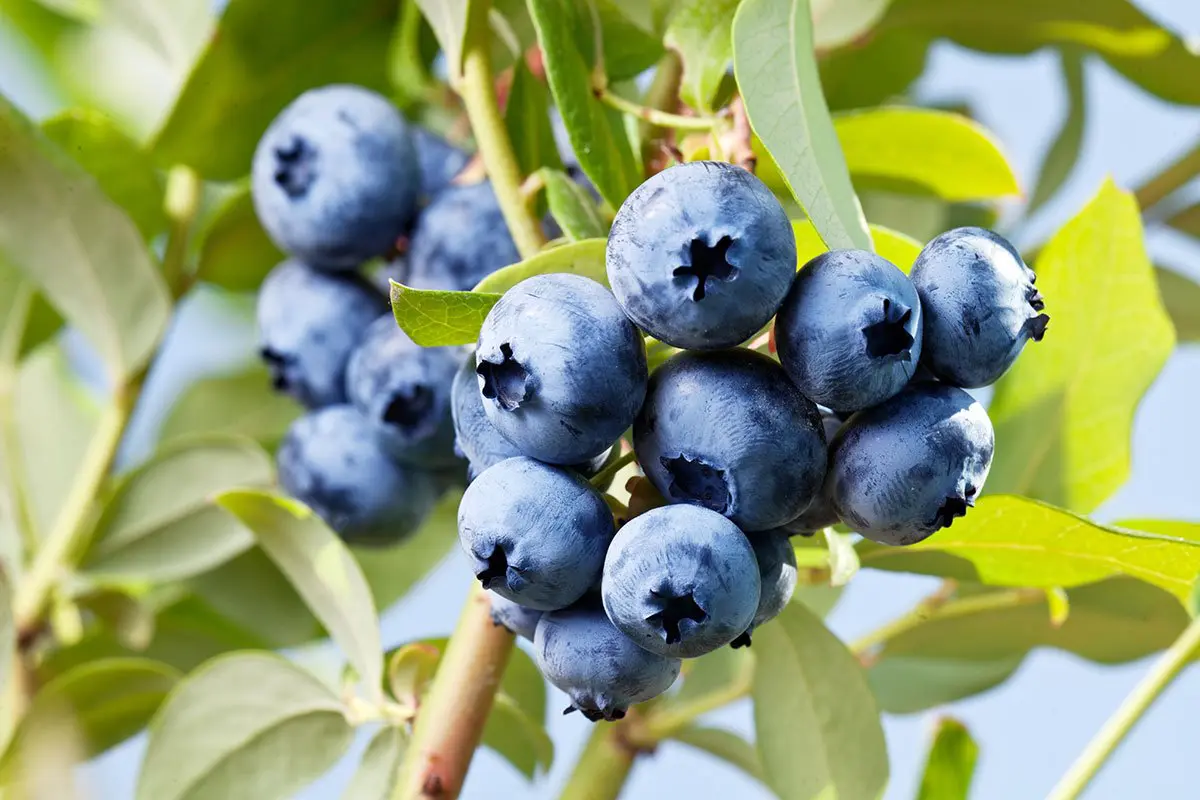
To determine the best blueberries to grow in your yard, it’s essential to consider several factors including climate, soil type, and the specific varieties that thrive well in your region. Here’s a detailed exploration of the top blueberry varieties suited for home gardens along with recommendations based on different conditions.
Highbush Blueberries
Highbush blueberries are perhaps the most popular species for home gardeners, thanks to their tall bushy structure and abundant fruit production.
- 'Bluecrop': Known for its adaptability and high yield, this variety produces medium to large berries and has a great flavor.
- 'Legacy': This variety is praised for its resilience and creamy, sweet berries. It also offers a longer harvest season.
- 'Northcountry': Ideal for colder climates, Northcountry blueberries are dwarf bushes that produce small, flavorful berries.
Lowbush Blueberries
Lowbush blueberries, including wild varieties, are suited for those who prefer a more natural appearance in their landscape.
- 'Top Hat': A compact variety perfect for smaller yards, offering sweet fruits and stunning fall color.
- 'Blueberry Glaze': This variety is not just productive but is also renowned for its ornamental qualities, making it visually appealing.
- 'Northblue': A hardy type that thrives in northern climates, producing larger berries with excellent sweetness.
Rabbiteye Blueberries
Rabbiteye blueberries are ideal for warmer regions and are generally more drought-resistant than their highbush counterparts.
- 'Climax': One of the most reliable varieties, Climax offers high yields and early berries with a sweet flavor.
- 'Premier': Known for its consistent fruiting and large berries, this variety is excellent for both fresh eating and processing.
- 'Tifblue': A robust cultivar well-suited to southern climates, Tifblue produces a large quantity of medium-sized berries.
Container-Friendly Varieties
For those with limited space, particularly in urban settings, container-grown blueberries provide a perfect solution.
- 'Sunshine Blue': This adaptable variety tolerates warmer climates and is perfect for pots, producing medium-sized berries with a tangy flavor.
- 'Jelly Bean': A dwarf type known for its sweet berries and compact size, making it suitable for balcony gardens.
- 'Peach Sorbet': An ornamental blueberry with colorful foliage that also produces sweet berries, great for sunny spots in containers.
Best Growing Conditions
To grow blueberries successfully, it’s crucial to provide them with optimal growing conditions.
- Soil: Blueberries prefer acidic soil (pH 4.5-5.5), rich in organic matter. Testing your soil before planting can help.
- Sunlight: Aim for at least 6-8 hours of full sun daily to encourage healthy growth and fruit production.
- Watering: Blueberries require consistent moisture, especially during dry periods, but avoid waterlogged conditions.
Questions from Our Readers
What is the best tasting blueberry to grow?
The best tasting blueberry variety to grow often depends on personal preference, but many gardeners recommend the Highbush type, particularly those such as Bluecrop and Legacy. These varieties are known for their sweet flavor and large fruit size, making them excellent choices for both fresh eating and cooking.
Are there any blueberries that are especially sweet?
Yes, Sweetheart is one of the varieties recognized for its exceptionally sweet taste. It is a late-season producer, offering plump berries that are perfect for snacking or desserts. Additionally, these berries tend to have good cold hardiness, making them suitable for varied climates.
What blueberries are best for cooking and baking?
For cooking and baking, the Northern Highbush blueberries, particularly Bluegold and Patriot, are highly recommended. These varieties not only have a delicious flavor but also hold their shape well when cooked, making them ideal for uses in pies, muffins, and other baked goods.
See also:
How do I choose the best blueberry variety for my climate?
When selecting the best blueberry variety for your climate, consider your hardiness zone and whether you need a highbush, lowbush, or rabbiteye type. For instance, Rabbiteye blueberries are perfect for warmer climates, while Northern Highbush varieties thrive in cooler areas. It's important to choose varieties that will adapt well to your local conditions for optimal flavor and productivity.
If you want to read more articles like Discover What is the Best Tasting Blueberry to Grow for Your Garden, we recommend you check out our Berries category.
Leave a Reply
Related Articles