What's the Easiest Berry Bush to Grow? A Comprehensive Guide for Beginners

Growing berry bushes can be a rewarding experience for both novice gardeners and seasoned horticulturists. With a myriad of options available, choosing the right one can be overwhelming. This comprehensive guide aims to simplify that process by exploring the easiest berry bushes to grow. Whether you're looking to cultivate juicy blueberries, sweet raspberries, or delectable strawberries, we’ll provide you with essential tips on selecting, planting, and caring for your berry bushes. Embrace the joys of gardening and enjoy the delicious fruits of your labor with our helpful insights tailored specifically for beginners eager to embark on this fruitful journey.
What is the Easiest Berry Bush to Grow?
One of the easiest berry bushes to grow is the blueberry bush. Known for its hardy nature and adaptability, the blueberry bush thrives in a variety of climates and soil types, as long as it has well-drained, acidic soil and sufficient sunlight. With proper care, including regular watering and occasional pruning, they can provide a bountiful harvest of delicious berries year after year. Their self-pollinating abilities also make them a practical choice for novice gardeners, as even a single bush can yield fruit. Additionally, blueberries are not only tasty but also highly nutritious, which enhances their appeal for home gardeners.
Benefits of Growing Blueberry Bushes
Growing blueberry bushes has numerous benefits. They are low-maintenance and resistant to pests compared to other berry bushes. The small, nutrient-rich berries are a great source of vitamins and antioxidants, making them a popular choice for health-conscious individuals. Moreover, blueberry bushes can be cultivated in containers, making them suitable for small gardens or patios. As a bonus, their flowers in spring and colorful foliage in autumn provide aesthetic value to your garden throughout the year.
Ideal Growing Conditions for Blueberries
Blueberries thrive in full sun for at least six hours a day and require acidic soil with a pH between 4.5 and 5.5. They prefer well-drained, sandy, or loamy soil where water does not accumulate. Regular watering is essential, especially during dry spells, to maintain consistent soil moisture. It's also important to mulch around the base of the plants to keep their roots cool and retain moisture. Choosing the right location will significantly impact the health and productivity of blueberry bushes.
Varieties of Blueberry Bushes
There are several popular varieties of blueberry bushes, including Highbush, Lowbush, and Rabbiteye blueberries. Highbush varieties, such as ‘Bluecrop’ and ‘Legacy’, are commonly grown for their large fruit and high yields. Lowbush blueberries are smaller and often used for wild berry harvesting. Rabbiteye blueberries, adaptable to warmer climates, include varieties like ‘Climax’ and ‘Brightwell’. Each variety has unique characteristics that cater to different gardening conditions and preferences.
Care and Maintenance for Berry Bushes
To ensure healthy growth, blueberry bushes require regular care and maintenance. This includes consistent watering, particularly during dry seasons, and applying a layer of mulch to retain soil moisture. Fertilizing with an appropriate acidic fertilizer can promote growth and berry production. Pruning should be done in late winter or early spring to remove dead or weak branches and encourage more fruitful growth. Regularly checking for pests and diseases will also help maintain the health of the plants.
Harvesting and Storing Blueberries
Blueberries can be harvested when they are fully ripe, which is generally when they have turned a deep blue color. It's best to pick them in the morning after the dew has dried for optimal freshness. After harvesting, blueberries should be stored in the refrigerator, where they can last up to two weeks. For longer storage, freezing the berries is an excellent option, as they retain their flavor and nutritional value. Properly sealed, frozen blueberries can last for up to a year without losing quality.
| Variety | Yield | Best Season for Harvest |
|---|---|---|
| Highbush | 5-15 lbs per bush | June to July |
| Lowbush | 1-2 lbs per bush | July to August |
| Rabbiteye | 10-20 lbs per bush | Late June to July |
What berry bush is the easiest to grow?

The easiest berry bush to grow is generally considered to be the blueberry bush. Blueberries are not only resilient but also adaptable to various soil conditions, making them an ideal choice for beginner gardeners. They thrive in acidic soils and require minimal care once established. The Vaccinium genus offers multiple varieties, providing options suitable for different climates and garden spaces.
Growing Conditions for Blueberry Bushes
Blueberry bushes thrive in the right conditions, which include:
- Soil Type: Blueberries prefer acidic soils with a pH of 4.5 to 5.5. It's beneficial to amend your soil with peat moss or sulfur to achieve the desired acidity.
- Sun Requirements: These plants require full sun for at least 6 to 8 hours a day to produce a bountiful harvest.
- Watering Needs: Consistent moisture is important, especially during fruit development. However, they do not tolerate standing water.
Varieties of Blueberry Bushes
There are several different varieties of blueberry bushes suitable for home gardeners:
- Highbush Blueberries: These are the most common type, ideal for cooler climates and can grow up to 6-12 feet tall.
- Southern Highbush Blueberries: Best suited for warmer climates, these varieties are shorter and easier to harvest.
- Rabbiteye Blueberries: These are more drought-resistant and can thrive in a wider range of soils, making them great for Southern regions.
Pest and Disease Management
Managing pests and diseases for blueberry bushes is relatively straightforward:
- Common Pests: Watch for pests such as aphids and spider mites. Introducing beneficial insects like ladybugs can help control these infestations.
- Diseases: Fungal issues like powdery mildew can occur, so ensuring good air circulation and avoiding overhead watering can mitigate these problems.
- Organic Solutions: If pest problems occur, consider using neem oil or insecticidal soap as environmentally friendly treatments.
Harvesting Blueberries
Harvesting blueberries is a simple process:
See also:
- Timing: Berries generally ripen in mid-summer. Check your bush regularly once fruit begins to develop.
- Picking: Gently twist and pull the berries from the bush; ripe blueberries should come off easily.
- Storage: Store harvested blueberries in the refrigerator, where they can last up to two weeks.
Best Practices for Maintaining Blueberry Bushes
To ensure your blueberry bushes remain healthy and productive, follow these best practices:
- Pruning: Prune your bushes in late winter to encourage new growth and remove any dead or diseased branches.
- Fertilization: Use a fertilizer formulated for acid-loving plants in early spring to promote optimal growth.
- Winter Protection: In colder climates, mulch around the base of the bush to protect roots during winter.
What is the easiest fruit bush to grow?

The easiest fruit bush to grow is often considered to be the blueberry bush. Blueberries are not only delicious but also relatively simple to cultivate, making them a favorite among home gardeners. Here are some of the reasons why blueberries are the easiest fruit bush to grow, along with tips on their care and maintenance.
Growing Conditions for Blueberry Bushes
Blueberries thrive in acidic soils with a pH level between 4.5 and 5.5. They also require well-draining soil and a sunny location to produce the best fruit. Here are some essential conditions for optimal growth:
- Sunlight: Ensure the bush receives at least 6-8 hours of direct sunlight daily.
- Soil: Test soil pH and amend it with elemental sulfur if necessary to maintain acidity.
- Watering: Blueberries prefer consistent moisture, so regular watering is crucial, especially during dry spells.
Types of Blueberry Bushes
There are several varieties of blueberry bushes that can be grown, each with unique characteristics. Choosing the right type for your climate is important for successful growth. Here are the common types:
- Highbush Blueberries: These are the most common type and are suitable for home gardens in northern climates.
- Lowbush Blueberries: Ideal for colder areas, these bushes are smaller and often used for wild harvesting.
- Rabbit Eye Blueberries: Best suited for southern areas, these bushes are more heat-tolerant than others.
Pests and Diseases
While blueberry bushes are generally resilient, they can be affected by certain pests and diseases. Knowing how to handle these can help ensure healthy plants. Common issues include:
- Birds: Birds love blueberries, so using netting can protect crops from being eaten.
- Fungal Infections: Regularly inspect plants for signs of fungal diseases and use appropriate fungicides if needed.
- Aphids: These pests can be controlled by introducing beneficial insects or using insecticidal soap.
Harvesting Blueberries
Blueberries typically take several years to produce a significant harvest. They are ready to be picked when they are fully ripe, which is indicated by their deep blue color. Here’s how to ensure a successful harvest:
- Timing: Harvest in late summer when the berries are plump and fully colored.
- Harvesting Technique: Gently twist and pull the berries off the stems without damaging the plant.
- Storage: Store harvested blueberries in the fridge and consume within a week for the best taste.
Additional Benefits of Growing Blueberry Bushes
Beyond their delicious fruit, blueberry bushes offer a range of benefits that make them appealing to gardeners. These include:
- Nutritional Value: Blueberries are rich in antioxidants and vitamins, making them a healthy choice.
- Attractive Foliage: The bushes have beautiful flowers in spring and vibrant autumn foliage, enhancing garden aesthetics.
- Wildlife Habitat: They provide food and habitat for various birds and beneficial insects.
What is the quickest growing berry?
The quickest growing berry is the strawberry. Strawberries are known for their fast growth and rapid production, making them a popular choice for home gardens and commercial farming. They typically take just 4 to 6 weeks from planting to harvest, depending on the variety and growing conditions. With the right care, these delicious berries can yield fruit multiple times throughout the growing season, offering both flavor and nutrition.
Growth Rate of Different Berry Varieties
Strawberries are not the only fast-growing berries. Here are some berry varieties that grow quickly:
- Raspberries: Can produce fruit in 1 year if planted from young canes.
- Blackberries: Similar to raspberries, they can bear fruit in about 1 year.
- Blueberries: Typically take about 2-3 years to start producing, making them slower than strawberries.
Ideal Conditions for Growing Strawberries
To maximize the growth rate of strawberries, it is essential to provide them with the right conditions. Here are some factors to consider:
- Soil Quality: Strawberries prefer well-drained, sandy loam soil enriched with organic matter.
- Sunlight: A minimum of 6-8 hours of direct sunlight per day is crucial for healthy growth.
- Watering: Consistent moisture is important; strawberries need regular watering, especially during dry spells.
Benefits of Growing Fast-Growing Berries
Fast-growing berries offer several advantages for both home gardeners and commercial growers:
See also:
- Quick Harvest: Early harvests allow for higher turnover and multiple harvesting periods within a season.
- Space Efficiency: Their rapid growth means less time spent waiting for crops, making efficient use of garden space.
- Encouragement for New Growers: Fast yields can boost the confidence of novice gardeners.
Common Pests and Diseases
While strawberries have a rapid growth rate, they are also susceptible to pests and diseases. Awareness and management are key:
- Slugs and Snails: These pests can damage young plants and berries.
- Powdery Mildew: A fungal disease that can affect strawberry plants if conditions are too humid.
- Spider Mites: These tiny pests can cause significant damage by feeding on the leaves of the plants.
Harvesting and Storing Strawberries
Proper harvesting and storage techniques can extend the shelf life of strawberries and enhance their flavor:
- Harvesting: Pick strawberries when they are fully red and plump for optimal sweetness.
- Storage: Store harvested strawberries in a cool, dry place to prevent spoilage.
- Freezing: For long-term storage, freeze strawberries to preserve their quality and nutrients.
What berry bushes come back every year?
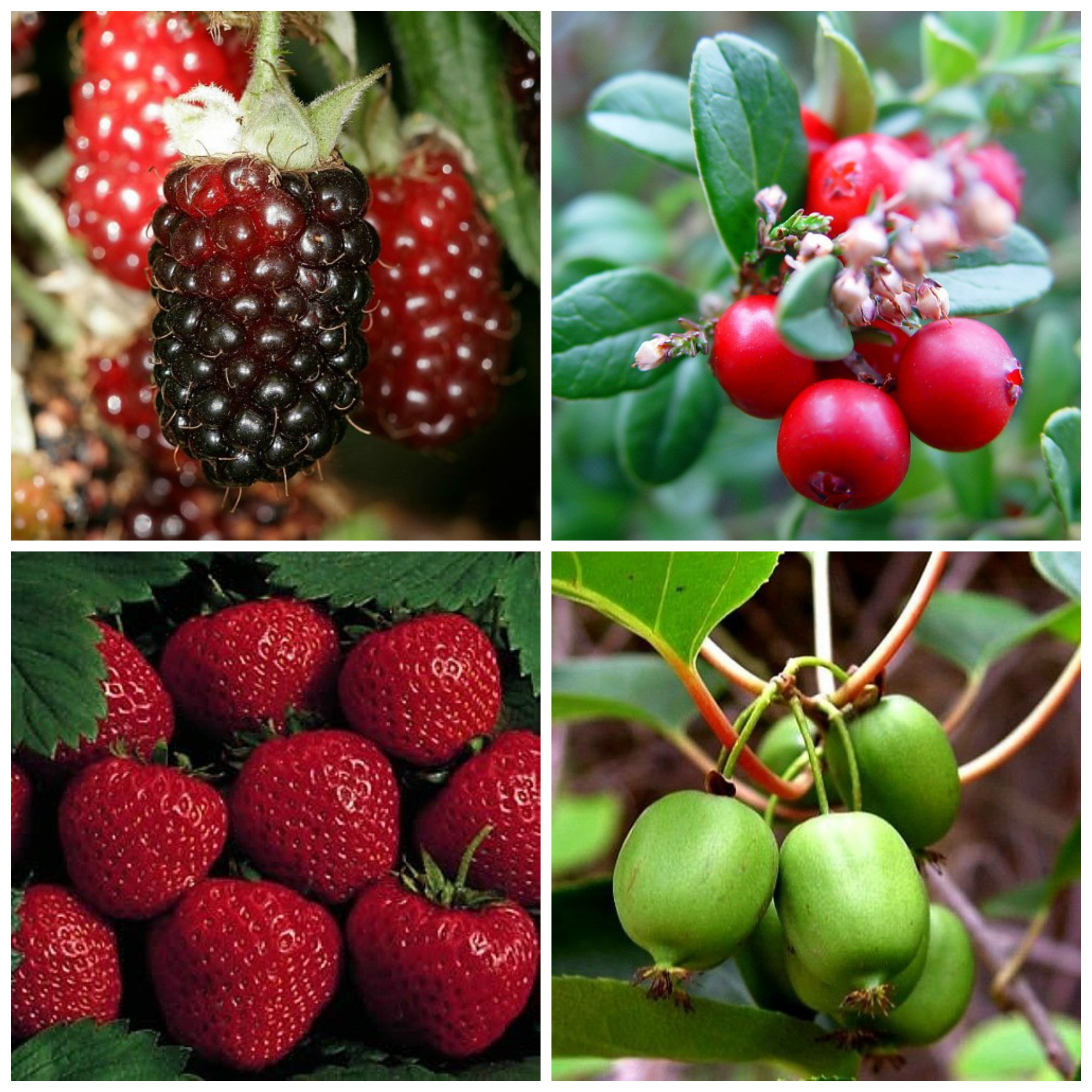
Berry bushes that come back every year are a popular choice for gardeners looking for perennial fruit-bearing plants. There are several types of berry bushes that thrive and produce fruit year after year, providing sustenance and beauty to any garden.
Blueberries
Blueberries are highly valued for their sweet flavor and nutritional benefits. These bushes are perennial, meaning they return each spring. They thrive in acidic soils and require full sun for the best yield. Blueberries tend to produce fruit in the second or third year after planting but can continue to bear fruit for up to 20 years with proper care.
- Plant in acidic soil with a pH of 4.5 to 5.5.
- Water sufficiently, especially during dry spells.
- Prune in late winter to encourage new growth.
Raspberries
Raspberry bushes are another popular perennial option. They come in two main types: summer-bearing and ever-bearing. Summer-bearing raspberries produce a single crop in summer, while ever-bearing types yield fruit in both summer and fall. These bushes are known for their vigorous growth, often requiring support systems to manage their canes.
- Choose a location with well-drained soil and full sun.
- Thin out canes regularly to improve airflow.
- Applying mulch helps retain moisture and suppress weeds.
Blackberries
Similar to raspberries, blackberries are a robust berry bush that returns yearly. They can be thorny or thornless varieties and produce large, juicy fruit. These can also be categorized as summer-bearing or ever-bearing, like raspberries. Blackberries are quite adaptable but prefer a sunny spot and well-drained soil.
- Mulch around the base to improve moisture retention.
- Train the canes to a trellis or fence for better access.
- Prune after harvesting to encourage healthy growth next season.
Strawberries
While often classified as ground-hugging plants, strawberries can also be regarded as berry bushes, particularly when grown in raised beds or containers. June-bearing, ever-bearing, and day-neutral strawberries each have unique harvest schedules. They are hardy perennials that return each spring, yielding delicious fruit.
- Provide rich, well-drained soil to ensure vigorous growth.
- Use straw mulch to protect while keeping fruits clean.
- Regularly refresh your planting to manage disease and extend yield.
Gooseberries
Gooseberries are less common but offer a tangy flavor and high yield. These bushes can bear fruit year after year and are relatively low-maintenance. They grow well in various soil types but perform best in cool climates with some shade during the hottest part of the day.
- Ensure adequate spacing between plants for optimal growth.
- Fertilize in early spring to encourage fruit development.
- Control pests and diseases through regular inspections.
Questions from Our Readers
What is the easiest berry bush to grow for beginners?
Raspberries are often considered the easiest berry bushes for beginners due to their hardy nature and minimal care requirements. They can thrive in various soil types and do not demand extensive maintenance, making them a great choice for those new to gardening.
How much sunlight do berry bushes need?
Most berry bushes, including blueberries and strawberries, require full sunlight for at least 6 to 8 hours a day. Adequate sunlight is essential for healthy growth and optimal fruit production, so it's important to select a planting location that receives ample sunlight.
What type of soil is best for growing berry bushes?
Berry bushes generally prefer well-drained, nutrient-rich soils with a slightly acidic pH. For optimal growth, consider amending your soil with organic matter such as compost or peat moss to improve drainage and provide essential nutrients.
When is the best time to plant berry bushes?
The best time to plant berry bushes is in the spring after the last frost or in the fall before the first frost. Planting during these times allows the bushes to establish their roots before facing extreme weather conditions.
See also:

If you want to read more articles like What's the Easiest Berry Bush to Grow? A Comprehensive Guide for Beginners, we recommend you check out our Berries category.
Leave a Reply
Related Articles