Do Saskatoon Berries Grow in BC? Exploring the Growing Conditions and Tips

Saskatoon berries, known for their sweet and nutty flavor, have garnered attention from fruit enthusiasts across North America. With their rich nutritional profile and versatility in culinary applications, many gardeners are curious about their adaptability outside of their native regions. This article explores whether Saskatoon berries can thrive in British Columbia's diverse growing conditions. We will delve into the necessary climate, soil types, and care requirements for successful cultivation. Additionally, we'll provide practical tips for home gardeners looking to incorporate these delicious berries into their landscapes, ensuring a fruitful harvest. Join us as we uncover the potential of growing Saskatoon berries in BC.
Do Saskatoon Berries Grow in British Columbia?
Yes, Saskatoon berries do grow in British Columbia (BC), where the climate and soil conditions are favorable for their cultivation. This fruit, known for its sweet flavor and rich nutritional profile, thrives in the region’s diverse environments, from coastal areas to the interior. Farmers and gardeners appreciate Saskatoon berries for their resilience and adaptability, making them a popular choice for both commercial and home production. With the right care and conditions, including well-drained soil and adequate sunlight, these berries can flourish and produce bountiful harvests in BC.
Climate Requirements for Saskatoon Berries
Saskatoon berries require a specific climate to grow successfully, ideally thriving in regions where summers are warm and winters are cold. In British Columbia, the climate can vary significantly, but generally, the temperate conditions found in many areas of the province provide a suitable environment. The berries flourish in areas that experience temperature variations, as they typically need a chilling period in winter to produce fruit in the following summer.
Soil Conditions for Cultivation
The soil conditions for planting Saskatoon berries are crucial for their growth and overall health. They prefer well-drained, sandy loam soils rich in organic matter. In British Columbia, many regions possess these ideal soil conditions, allowing for successful cultivation. It is essential to avoid waterlogged soils as the roots are susceptible to rot, which can hinder the growth and yield of the berries.
Growing Guidelines for Home Gardeners
Home gardeners in British Columbia interested in cultivating Saskatoon berries should follow specific growing guidelines to ensure a successful yield. First, it is recommended to plant them in early spring or fall when the conditions are cool but not freezing. Adequate spacing between plants is critical, as they can grow up to six feet tall and wide. Additionally, pruning is vital for maintaining plant health and encouraging fruit production, while regular watering during dry spells can also enhance the growth rate and berry yield.
Pest and Disease Management
Saskatoon berries are relatively hardy plants, but they can still be affected by pests and diseases. In British Columbia, common pests include aphids and spider mites, which can damage the foliage. It's essential to monitor plants regularly and apply integrated pest management strategies, such as introducing beneficial insects or using organic pesticides when necessary. Fungal diseases like powdery mildew can also occur, so ensuring proper air circulation and avoiding excessive moisture will help mitigate these risks.
Harvesting Techniques
Harvesting Saskatoon berries requires careful timing and technique to ensure the fruit remains intact and flavorful. Typically, berries are ready for harvest from late June to mid-July in British Columbia, depending on the specific variety and local climate conditions. The berries should be picked when they have reached a deep purple to black color, indicating ripeness. Hand harvesting is recommended to prevent bruising, and using gentle methods will help maintain the quality of the berries for fresh consumption or preservation.
| Aspect | Details |
|---|---|
| Climate | Temperate, with warm summers and cold winters |
| Soil Type | Well-drained sandy loam, rich in organic matter |
| Spacing | At least 5-6 feet apart for optimal growth |
| Pests | Aphids, spider mites |
| Harvest Time | Late June to mid-July |
What are saskatoon berries called in the USA?

Saskatoon berries, known scientifically as Amelanchier alnifolia, are commonly referred to as serviceberries in the United States. This name primarily stems from the historical use of the fruit and the tree's association with early American settlers and Indigenous peoples. The serviceberry is recognized for its sweet, edible berries, which are enjoyed raw or used in various culinary applications.
Characteristics of Serviceberries
Serviceberries are small, round berries that can be blue, purple, or black when ripe. They grow on shrubs or small trees and are native to North America. Their flavor is often described as a mix of blueberry and cherry, making them a popular choice for desserts and jams.
- Size: Typically, the berries are about 1/4 inch in diameter.
- Color: They turn from reddish to dark blue or purple when fully ripe.
- Taste: Sweet with a slightly tart undertone, reminiscent of other berries.
Culinary Uses of Saskatoon Berries in the USA
In the USA, serviceberries can be utilized in a variety of dishes. They are often used in pies, jams, and sauces, similar to other fruits. The berries can also be eaten fresh or dried, appealing to a range of culinary preferences.
- Pies: Serviceberry pies are a popular choice, offering a unique flavor.
- Jams and Jellies: The berries' sweetness lends well to making spreads.
- Salads: Fresh serviceberries can be added to salads for a burst of flavor.
Nutritional Benefits of Serviceberries
Saskatoon berries, or serviceberries, are not only delicious but also nutrient-dense. They provide numerous health benefits, making them a healthy addition to one’s diet.
- Vitamins: Rich in vitamin C, which supports the immune system.
- Antioxidants: High in antioxidants that can help combat oxidative stress.
- Fiber: Provide dietary fiber, promoting digestive health.
Growing Conditions for Serviceberries in the USA
Serviceberry plants thrive in a variety of conditions, making them accessible to many gardeners across the United States. They prefer well-drained soil and can tolerate both full sun and partial shade.
- Soil: Ideal in loamy or sandy soils.
- Light: Should receive at least 6 hours of sunlight each day.
- Water: Requires moderate watering; drought-resistant once established.
Regional Popularity of Serviceberries
The popularity of serviceberries varies significantly across regions in the USA. While they are commonly found in the northern states, awareness and use of these berries are growing elsewhere.
See also:
- Northern States: Particularly popular in places like Montana and Alaska.
- Midwest: Gaining recognition for their culinary uses in states like Wisconsin.
- Urban Areas: Increasingly available in farmers' markets in urban centers.
What zone do Saskatoon berries grow in?

Saskatoon berries, also known as Amelanchier alnifolia, thrive primarily in USDA Plant Hardiness Zones 2 to 6. These zones indicate the geographic areas where certain plants can grow successfully based on the minimum winter temperatures. The adaptability of Saskatoon berries is one of the reasons they are popular in northern climates and can be found in diverse areas ranging from Canada to parts of the northern United States.
Growing Conditions
Saskatoon berries prefer well-drained soils and need full sun for optimal growth. To ensure healthy plants, consider the following conditions:
- Soil pH: Ideal pH is between 5.5 and 7.0.
- Sunlight: Requires at least 6 hours of direct sunlight daily.
- Watering: Needs moderate watering, particularly in dry spells but avoids waterlogging.
Climate Adaptability
These berries are tough and can withstand a variety of climate conditions. Some factors include:
- Cold resistance: Can handle temperatures as low as -45°F (-43°C).
- Drought tolerance: Established plants can survive periods of drought.
- Heat tolerance: They can adapt to warmer climates if sufficient water is provided.
Planting Tips
To successfully cultivate Saskatoon berries, follow these planting tips:
- Choose a planting location that receives full sunlight throughout the day.
- Prepare the soil by adding organic matter or compost to improve fertility.
- Space plants approximately 3 to 5 feet apart to allow for growth and air circulation.
Pest and Disease Management
While Saskatoon berries are relatively resistant, pests and diseases can still occur. Here are common issues to watch out for:
- Sawfly larvae: Can defoliate bushes; use insecticidal soap or hand-picking.
- Cankers: Fungal infections that can harm branches; prune affected areas.
- Birds: They love the berries; use nets or scare devices to protect the harvest.
Harvesting Techniques
Proper harvesting ensures the quality and quantity of the berries. Key points include:
- Timing: Harvest when the berries are fully ripe, typically in late June to early July.
- Method: Gently twist or pull the berries to avoid damaging the plant.
- Container: Use shallow containers to prevent squishing and maintain berry integrity.
What berries grow in British Columbia?

British Columbia (BC), with its diverse climate and rich ecosystems, is home to a variety of native and cultivated berries. The province's mild coastal regions and fertile valleys provide ideal conditions for berry production, making it a great place for both commercial farming and foraging. Here are some of the most notable berries found in British Columbia:
Native Berries
Native berries are an essential component of the flora in British Columbia. They play a critical role in the local ecosystem and offer numerous benefits.
- Salmonberry: This berry is characterized by its bright orange or yellow color and distinct flavor, reminiscent of a mix between raspberries and blackberries.
- Thimbleberry: Known for its soft, red berries that resemble raspberries, thimbleberries have a sweet and tart flavor and are often found in woodland areas.
- Huckleberry: A small blue-black berry that grows in clusters, huckleberries are highly sought after for their sweet flavor and are often used in jams and desserts.
Cultivated Berries
In addition to native species, British Columbia is also renowned for its cultivated berries, particularly in the Fraser Valley and other agricultural areas.
- Blueberries: BC is one of the largest producers of blueberries in Canada, with both highbush and lowbush varieties harvested for fresh consumption and processing.
- Raspberries: Both red and black raspberries thrive in BC's climate, and they are widely cultivated for their sweet, juicy flavor.
- Strawberries: CULTIVATED strawberries in BC are popular, with several varieties grown, ranging from June-bearing to everbearing types.
Wild Foraging
Foraging for wild berries is a popular activity in British Columbia, as many edible species can be found throughout the province's forests and open spaces.
- Wild Blackberry: Often found in hedgerows and disturbed areas, wild blackberries are sweet and delicious when fully ripened.
- Wild Raspberry: While less common than cultivated raspberries, wild varieties can be found in various habitats and are prized for their rich flavor.
- Chokecherry: These tart berries often grow in clusters and are used in jellies and jams, though they must be properly processed to remove toxins.
Health Benefits of Berries
Berries are not only delicious but also packed with numerous health benefits that contribute to a healthy diet.
- Antioxidants: Many berries are rich in antioxidants, which help combat oxidative stress and inflammation in the body.
- Vitamins and Minerals: Berries provide essential vitamins, such as vitamin C and vitamin K, along with minerals like manganese.
- Fiber: High in dietary fiber, berries promote healthy digestion and can aid in weight management.
Berry Festivals in British Columbia
British Columbia hosts various berry festivals celebrating the local harvest and attracting visitors with food, fun, and festivities.
See also:
- Fraser Valley Cherry Festival: Typically held in July, this festival highlights the region's cherry harvest along with various local products.
- Okanagan Berry Harvest Festival: This event showcases the region's fruit production, including berry picking, tastings, and family activities.
- Peachland Peachfest: Although focused on peaches, this event includes many local berry vendors and dessert options, emphasizing the region's diverse agricultural offerings.
Where can you grow saskatoon berries?
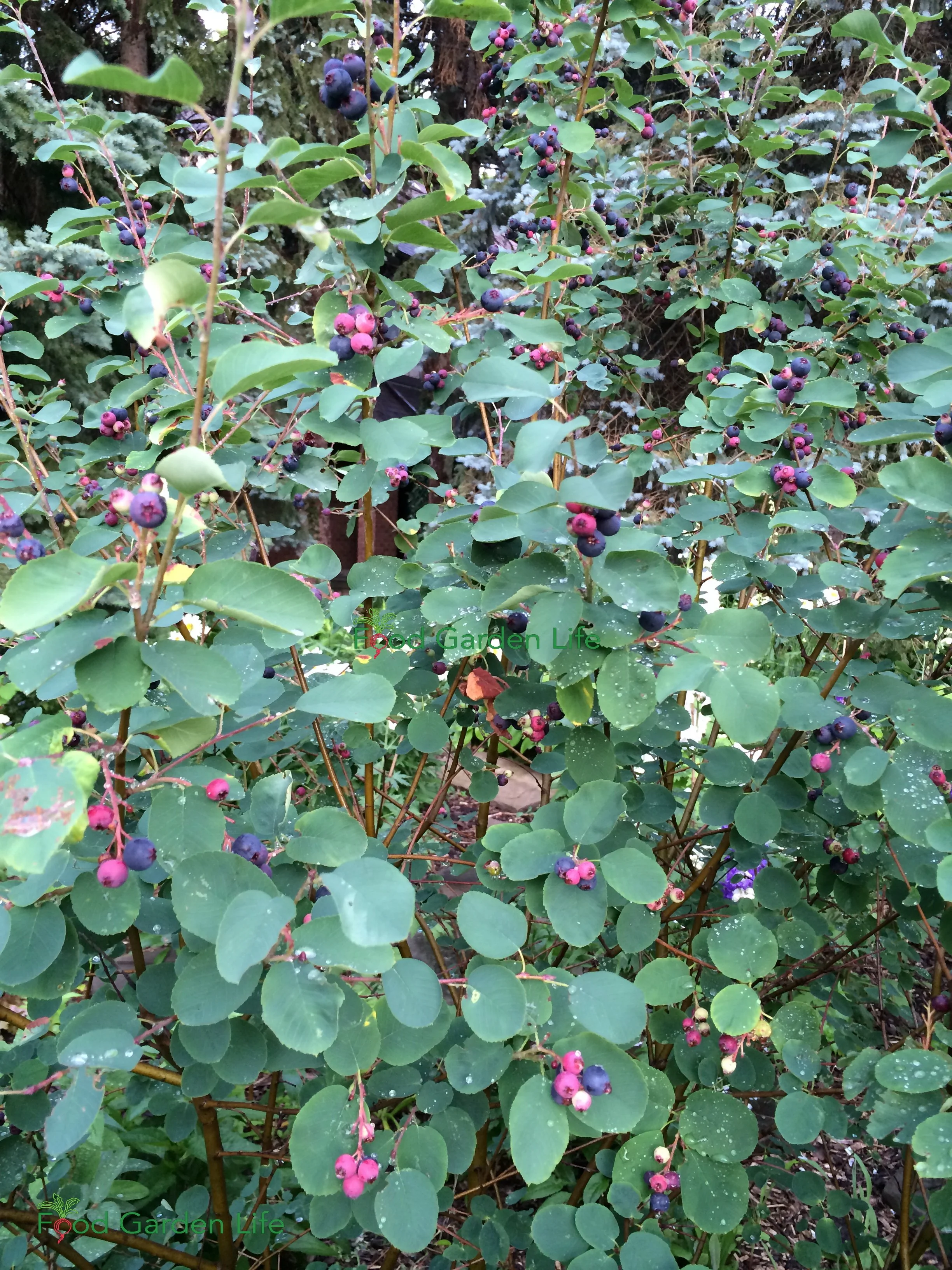
Saskatoon berries, also known as Amelanchier or serviceberries, thrive in specific climatic conditions and regions. They are native to North America, particularly found in the northern parts of the continent. When considering where to grow saskatoon berries, it is essential to look at the following factors:
1. Climate: Saskatoon berries prefer a temperate climate with cold winters and warm summers. They are hardy and can withstand temperatures as low as -40°F (-40°C).
2. Geographical Location: They are commonly found in the prairies and woodlands of Canada and the northern United States. States such as Montana, North Dakota, and Washington are ideal, as well as provinces like Alberta and Saskatchewan.
3. Soil Type: Optimal growth requires well-drained soil that is slightly acidic to neutral (pH range of 5.5 to 7.0). Sandy loam is particularly favorable for saskatoon berry production.
4. Sunlight: These plants thrive in full sunlight and require at least 6 to 8 hours of direct sunlight each day to produce fruit effectively.
5. Watering Needs: While establishing, saskatoon berries need adequate moisture; however, they are drought-tolerant once established, making them a low-maintenance choice for many regions.
Understanding the Native Range of Saskatoon Berries
Saskatoon berries are traditionally found in Canada and the northern United States. Their native range allows them to be well adapted to the local environmental conditions. The following locations are significant for their wild growth:
- Canadian Prairies: Particularly in Alberta and Saskatchewan, where they grow abundantly.
- Northern United States: States like North Dakota and Montana host significant wild populations.
- Alaskan Islands: Certain areas in Alaska also provide a suitable environment for these berries.
Commercial Cultivation Areas
Commercially, saskatoon berries are increasingly grown in large orchards across the prairie provinces and parts of the northwestern United States. Factors that influence commercial growers include:
- Availability of land: Regions with sufficient land for orchards are sought after.
- Market Demand: Increasing popularity in markets for fresh and processed fruit boosts cultivation.
- Research Facilities: Local agricultural universities often support the development of best practices for growers.
Ideal Soil Conditions for Growing Saskatoon Berries
The soil type plays a crucial role in the successful growth of saskatoon berries. Key soil characteristics that benefit the growth include:
- Well-draining: Avoiding water-logged conditions is critical for root health.
- Organic Matter: Soil enriched with organic content promotes healthy plant development.
- pH Levels: Maintaining a slightly acidic to neutral pH helps in nutrient uptake.
Sunlight Requirements for Optimal Growth
Saskatoon berries require plenty of sunlight to flourish. Specific requirements include:
- Full Sun Exposure: At least 6 to 8 hours of direct sunlight daily is ideal.
- Protection from Wind: Sites that provide some shelter from harsh winds can enhance growth.
- Spacing: Proper spacing between plants ensures that they receive adequate light without overcrowding.
Watering and Maintenance Practices
While saskatoon berries are relatively low maintenance, proper watering practices are essential during establishment. Important practices include:
- Initial Regular Watering: New plants need consistent moisture for root development.
- Drought Resistance: Once established, these plants require minimal watering, making them ideal for drier regions.
- Mulching: Applying mulch can help retain moisture and suppress weeds around the plants.
Questions from Our Readers
Do saskatoon berries grow in BC?
Yes, saskatoon berries do grow in British Columbia (BC). They are well-suited to the local climate and are often found in the wild as well as cultivated in farms across the province.
What climate conditions do saskatoon berries need?
Saskatoon berries thrive in temperate climates with well-drained soil and full sunlight. In BC, the varying climates across regions provide ideal conditions for the successful growth of these berries.
See also:
When is the harvest season for saskatoon berries in BC?
The harvest season for saskatoon berries in British Columbia typically occurs between mid-June and late July. This timing can fluctuate slightly based on the specific region's climate and weather conditions.
Are saskatoon berries beneficial for health?
Yes, saskatoon berries are known for their numerous health benefits. They are rich in antioxidants, vitamins, and minerals, making them a nutritious addition to a balanced diet.

If you want to read more articles like Do Saskatoon Berries Grow in BC? Exploring the Growing Conditions and Tips, we recommend you check out our Berries category.
Leave a Reply
Related Articles