What Berry is the Easiest to Grow? Discover the Best Options for Beginners
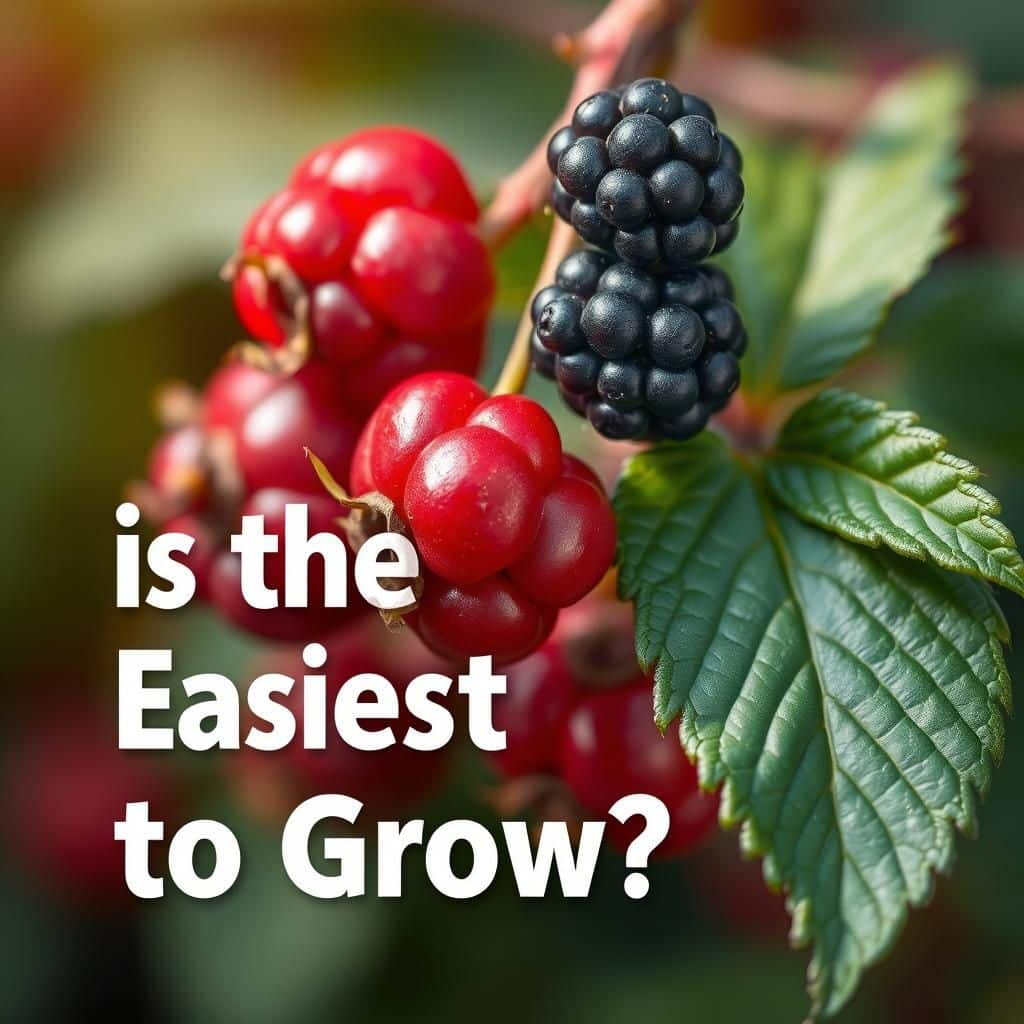
Growing berries can be a rewarding and enjoyable experience, especially for beginners looking to dive into gardening. With a plethora of berry varieties available, choosing the right one can be daunting. This article aims to simplify that decision by exploring which berries are the easiest to cultivate for novice gardeners. From strawberries to raspberries, we will discuss the growing conditions, care requirements, and overall yield of each option. By the end, you’ll have a clear understanding of the best berries for your garden, ensuring a fruitful and successful planting experience. Let’s dig into the best choices for new growers!
What Berry is the Easiest to Grow?
Growing berries can be a rewarding endeavor, and strawberries often emerge as the easiest berry to cultivate, especially for novice gardeners. They thrive in a variety of environments, from home gardens to pot systems on balconies, making them incredibly versatile. Their adaptability allows them to flourish in different soil types and climates with minimal care. Furthermore, strawberries can produce fruit in their first year, providing almost instant gratification. Regular watering, appropriate sunlight, and a bit of mulch can yield a bountiful harvest, making them the go-to choice for budding horticulturists.
Benefits of Growing Strawberries
Strawberries offer numerous benefits beyond their delightful taste. They are packed with vital nutrients like vitamins C and K, as well as antioxidants that contribute to overall health. Furthermore, growing your own strawberries ensures you have access to fresh, organic produce right at your fingertips, which can significantly enhance the flavors of your meals. Additionally, strawberries can be easily stored by freezing or making preserves, facilitating long-term enjoyment of their sweet flavor throughout the year.
Ideal Growing Conditions
To achieve optimal growth, strawberries prefer full sun for at least six hours a day, allowing them to flourish and produce sugary fruit. They thrive in slightly acidic soil with a pH range of 5.5 to 6.8 and require well-drained soil to prevent root rot. Regular watering is essential, particularly during dry spells, but gardeners must be cautious to avoid standing water. The right conditions can lead to abundant yields, making careful attention to their environment key to successful growth.
Common Pests and Diseases
While strawberries are relatively easy to grow, they are susceptible to certain pests and diseases. Common threats include aphids, spider mites, and slugs, which can damage leaves and fruit. Fungal infections, such as powdery mildew and botrytis (gray mold), can also affect the plants, particularly in humid environments. Implementing preventive measures like crop rotation, maintaining airflow, and using organic pesticides can help mitigate these risks and keep plants healthy.
Harvesting and Storing Strawberries
Harvesting strawberries requires careful timing; they should be picked when fully ripe, indicated by their vibrant red color and sweet aroma. To harvest, gently twist or cut the stem, leaving a small portion attached to the fruit. After harvesting, strawberries are best used promptly for maximum flavor, but they can also be stored in the refrigerator for short periods. For long-term storage, consider freezing them, as this preserves their taste and nutrition for later use in smoothies, desserts, or sauces.
Other Easy-to-Grow Berry Varieties
While strawberries are a top choice for beginners, other berries like raspberries and blackberries also present easy growing options. Raspberries thrive in somewhat similar conditions, with a preference for well-drained soil and direct sunlight. Blackberries are resilient and can tolerate less-than-ideal soil conditions, making them less finicky than some other fruits. Both types offer delicious yields and can enhance a garden's productivity, providing a variety of flavors and uses.
| Berry | Ease of Growth | Harvest Time |
|---|---|---|
| Strawberries | Very easy | June to July |
| Raspberries | Easy | July to August |
| Blackberries | Moderately easy | June to August |
What is the easiest berry to grow?

The easiest berry to grow is generally considered to be the strawberry. Strawberries are versatile, can thrive in various conditions, and are relatively low-maintenance, making them an ideal choice for both novice and experienced gardeners. They can be grown in gardens, containers, or hanging baskets, adapting well to different environments. Here are some key reasons why strawberries are a popular choice:
- Quick germination: Strawberries germinate relatively quickly, providing faster results for eager gardeners.
- Perennial plants: Once established, strawberry plants can produce fruit for several years.
- Favorable conditions: They thrive in a range of soil types as long as there is good drainage.
Growing Conditions for Strawberries
Strawberries prefer full sun conditions, ideally receiving at least 6-8 hours of sunlight each day. They grow best in well-drained soil with a slightly acidic pH between 5.5 and 6.8. Here are the optimal growing conditions to ensure a healthy crop:
- Soil type: Loamy, fertile soil enriched with organic matter is ideal.
- Watering: Regular watering is crucial, especially during dry spells, but avoid waterlogging.
- Mulching: Use mulch to retain moisture, suppress weeds, and protect the berries from pests.
Types of Strawberries
There are three main types of strawberries to choose from, each with its unique growing characteristics:
- June-bearing: Produces a single large harvest in late spring to early summer.
- Everbearing: Offers two to three harvests throughout the growing season.
- Day-neutral: Can produce fruit all season long regardless of day length.
Pest and Disease Management
Managing pests and diseases is vital for a successful strawberry crop. Some common challenges include:
See also:
- Aphids: Can be controlled using insecticidal soap or introducing beneficial insects like ladybugs.
- Botrytis (Gray Mold): Improve air circulation and avoid wetting foliage to minimize the risk.
- Slugs and snails: Use barriers or natural methods like traps to protect your strawberries.
Harvesting Strawberries
Knowing when to harvest strawberries is crucial for ensuring the best flavor and sweetness. Here are some tips for harvesting:
- Color: Look for bright red, fully colored fruit with no green or white areas.
- Firmness: Ripe strawberries should feel firm but slightly soft to the touch.
- Stem attachment: To pick, grasp the berry gently and twist or cut the stem leaving a small section attached.
Benefits of Growing Strawberries
Growing your own strawberries comes with several benefits:
- Freshness: Homegrown strawberries are fresher and tastier than store-bought.
- Cost-effective: Growing strawberries at home can save money in the long run.
- Health benefits: Strawberries are rich in vitamins, antioxidants, and dietary fiber.
What is the most easiest fruit to grow?

The easiest fruit to grow varies depending on the climate, soil, and gardening experience of the individual; however, one of the most commonly recognized options is the strawberry. Strawberries are favored by many gardeners for their simplicity, quick growth, and ability to produce fruit in a relatively short period. They can thrive in various conditions, making them accessible for beginners as well as more experienced gardeners.
Growing Conditions
To successfully grow strawberries, it’s essential to understand their preferred growing conditions. Strawberries thrive in:
- Well-drained soil: Ensure the soil is loose and allows water to flow freely to prevent root rot.
- Sunlight: Locate your strawberry plants in a spot that receives full sun for at least six hours a day.
- Moderate temperatures: Strawberries prefer temperatures between 60°F and 80°F (15°C - 27°C) for optimal growth.
Varieties of Strawberries
Several varieties of strawberries can be grown, each with unique traits:
- June-bearing strawberries: These produce a large crop in late spring to early summer and are ideal for preserving.
- Ever-bearing strawberries: They yield fruit multiple times throughout the growing season, offering harvests in spring, summer, and fall.
- Day-neutral strawberries: These can bear fruit under various temperature conditions and provide continual harvests.
Planting Techniques
When planting strawberries, specific techniques can enhance their growth:
- Spacing: Space plants about 12-18 inches apart to ensure adequate airflow and sunlight.
- Mulching: Apply a layer of mulch to retain moisture, suppress weeds, and maintain soil temperature.
- Watering: Keep the soil consistently moist, especially during flowering and fruiting, but avoid overwatering.
Pest and Disease Management
Strawberries can be susceptible to various pests and diseases; therefore, management is crucial:
- Common pests: Watch for aphids, spider mites, and slugs, which can damage plants.
- Fungal diseases: Implement preventive measures to avoid issues like powdery mildew and botrytis.
- Regular inspections: Check plants regularly for early signs of trouble to address problems promptly.
Harvesting and Enjoying Your Strawberries
Proper harvesting techniques can lead to the best flavor and quality:
- Timing: Harvest strawberries when they are fully ripe, typically when they are fully red and fragrant.
- Technique: Pinch the stem just above the fruit to avoid damaging the plant.
- Storage: Store harvested strawberries in a cool place and consume them within a few days for peak freshness.
What's easier to grow, strawberries or blueberries?
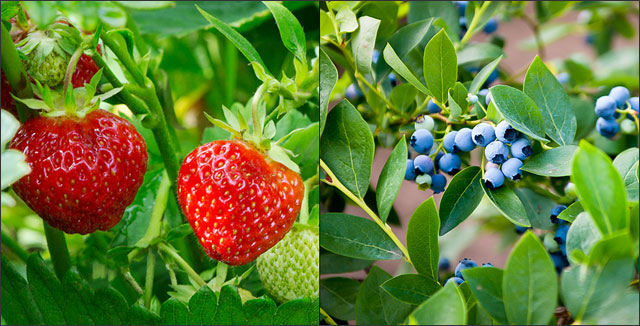
Strawberries and blueberries are both popular berries that many gardeners enjoy growing. When comparing their ease of cultivation, strawberries are generally considered easier to grow than blueberries. Here are some factors that contribute to this conclusion:
Growing Conditions
Growing conditions play a pivotal role in the success of cultivating berries.
- Strawberries: These berries thrive in a variety of soil types as long as there is good drainage. They prefer full sun and can tolerate a range of pH levels, although they flourish in slightly acidic soil.
- Blueberries: Blueberries require more specific conditions. They prefer acidic soil with a pH between 4.5 and 5.5, which can be more challenging to achieve. Full sun is also important for blueberry plants.
- Temperature: Strawberries tolerate a wider range of temperatures than blueberries, making them more adaptable to different climates.
Propagation Techniques
The methods used for propagation can affect the ease of growing these fruits.
See also:
- Strawberries: They can easily be propagated via runners or seedlings, making it simple to expand a strawberry patch.
- Blueberries: While blueberries can be propagated through cuttings, this method requires more care and expertise compared to strawberries, making it less accessible for beginners.
- Time to Harvest: Strawberries typically produce fruit within the first year of planting, while blueberries take at least two years to start bearing fruit.
Pest and Disease Resistance
Pest and disease issues can significantly impact ease of cultivation.
- Strawberries: They are susceptible to pests like snails, slugs, and certain insects, but with proper management, these issues can be controlled.
- Blueberries: They can be affected by blueberry maggots and various fungal diseases, which may require more attention and prevention methods.
- Overall Resistance: Strawberries show a moderate level of resilience, while blueberries often need more vigilant monitoring and care.
Maintenance Requirements
Ongoing maintenance is crucial for successful berry production.
- Strawberries: They require minimal maintenance, mainly just periodic watering, weeding, and fertilization once or twice a year.
- Blueberries: Blueberries need regular pruning to maintain plant health and fruit quality, which adds to their maintenance demands.
- Fertilization Needs: Strawberries can benefit from compost and general-purpose fertilizers, while blueberries require specific acidic fertilizers, which might be less familiar to most gardeners.
Harvesting and Yield
The potential yield and harvesting process are essential considerations for any gardener.
- Strawberries: These can be harvested several times a season, leading to a continuous supply throughout the summer.
- Blueberries: They typically yield once a year but may produce large quantities of fruit; however, this yield is delayed until the plants are mature.
- Ease of Picking: Strawberries are often easier to pick due to their accessible positioning, while blueberry bushes can be more challenging to navigate.
Which berries are best to grow?
Which Berries Are Best to Grow?
Growing berries can be a rewarding experience, both in terms of the enjoyment of gardening and the delicious fruits produced. Berries that are often recommended for home gardeners include strawberries, blueberries, raspberries, blackberries, and elderberries. Each type has unique requirements, flavor profiles, and growth habits which can impact your choice based on your garden's conditions.
Strawberries
Strawberries are one of the most popular and easiest berries to grow. They can be cultivated in various environments, including garden beds, containers, and hanging baskets. Their sweet flavor and versatility in culinary uses make them a favorite.
- Strawberries prefer full sun and well-drained soil.
- They can produce fruit within the first year, typically yielding a good harvest.
- Options include June-bearing, everbearing, and day-neutral varieties based on growing season preferences.
Blueberries
Blueberries are not only delicious but also highly nutritious. They require acidic soil for optimal growth and can be a bit more challenging to cultivate due to this requirement.
- Full sun is essential for blueberry plants to produce the best yield.
- Regular watering is critical, especially during dry spells.
- Choose at least two different varieties for cross-pollination to improve fruit yield.
Raspberries
Raspberries thrive in well-drained, fertile soils and can be grown in both summer and fall varieties. Their tangy flavor offers a unique taste twist and can be used in desserts, jams, and as fresh snacks.
- Raspberries benefit from a trellis system to support their growth.
- They require regular pruning to maintain health and improve yields.
- Early varieties can produce fruit faster, while fall varieties can yield longer into the season.
Blackberries
Blackberries are similar to raspberries but often produce larger and juicier fruit. They are also quite hardy and can tolerate varying soil conditions, making them an excellent addition to any garden.
- These berries need a trellis or support to maintain upright growth.
- They thrive in full sun and can yield fruit in their second year.
- Different varieties can provide extended harvesting seasons.
Elderberries
Elderberries are not only appreciated for their fragrant flowers but also for their nutrient-rich berries, which are often used in syrups and jams. They can grow in a variety of conditions and are relatively easy to maintain.
- They prefer moist, well-drained soil and can tolerate some shade.
- These plants can grow quite large, often becoming small shrubs.
- They require careful management since raw berries and other parts of the plant are toxic if consumed improperly.
Questions from Our Readers
What berry is the easiest to grow for beginners?
Growing strawberries is often considered the easiest berry for beginners. They can be planted in the ground or in containers, thrive in most climates, and require minimal care once established. With proper sunlight and water, strawberries can produce fruit within a few months.
Do blueberries require special care to grow?
While blueberries do need acidic soil and a bit more attention than some other berries, they can still be relatively easy to grow if you provide the right conditions. It's essential to amend the soil with sulfur for acidity and ensure they get plenty of sunlight to reward you with delicious fruit.
See also:
Can I grow raspberries in containers?
Yes, you can successfully grow raspberries in containers as long as you choose a suitable variety and provide a large enough pot. Ensure the container has good drainage and place it in a sunny spot to produce healthy, sweet raspberries throughout the growing season.
What factors affect the growth of berries in my garden?
Several factors can affect the growth of berries in your garden, including soil quality, sunlight, water availability, and climate. Providing well-drained soil, ensuring adequate sunlight exposure, and maintaining consistent moisture levels are crucial for a fruitful berry harvest.

If you want to read more articles like What Berry is the Easiest to Grow? Discover the Best Options for Beginners, we recommend you check out our Berries category.
Leave a Reply
Related Articles