What are the Best Berries for the Garden? Top Varieties and Growing Tips
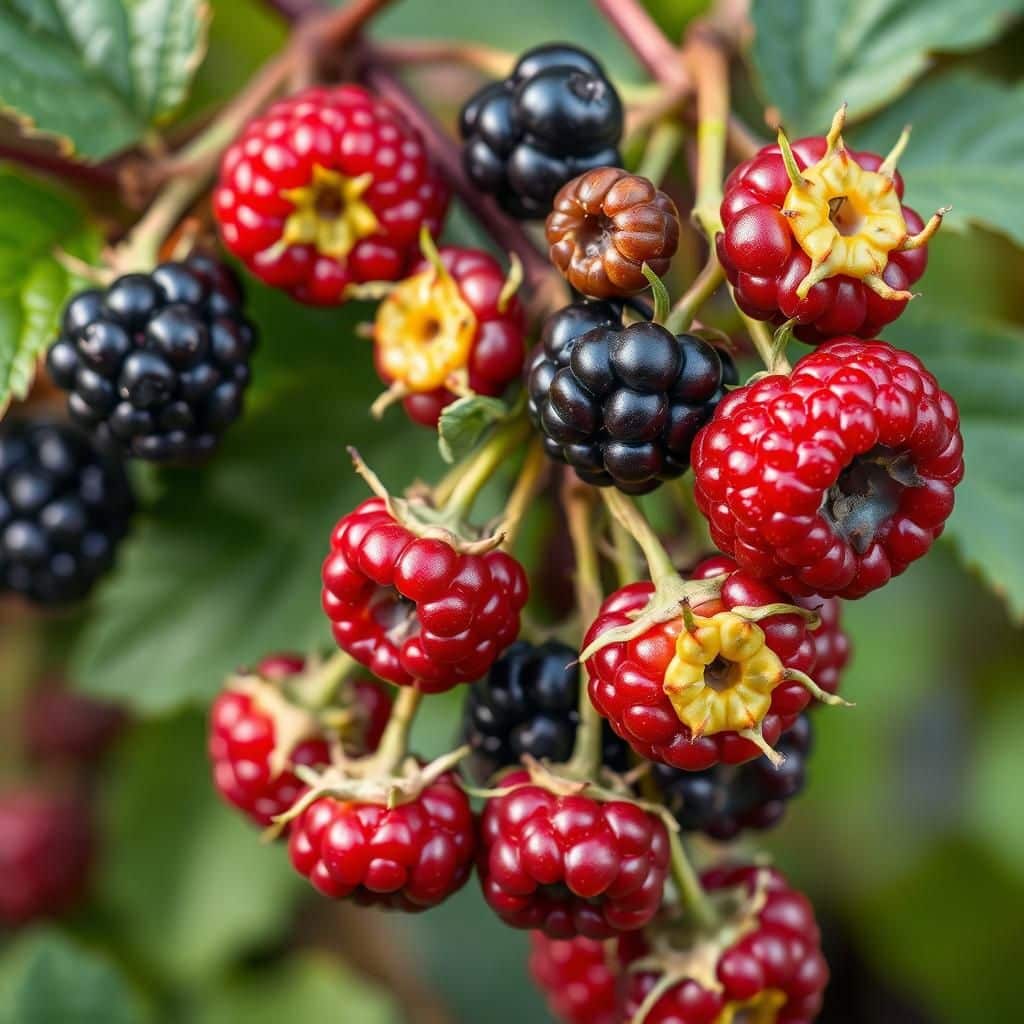
Berries are a delightful addition to any garden, offering vibrant colors, delicious flavors, and numerous health benefits. Whether you’re a seasoned gardener or a novice, choosing the right berry varieties can elevate your gardening experience and provide a bountiful harvest. From strawberries to blueberries, each berry comes with its unique set of requirements and growing tips. In this article, we will explore the top berry varieties for home gardens, highlighting their flavor profiles, growth conditions, and care instructions. Discover how to cultivate the best berries and enjoy their natural sweetness straight from your backyard.
What Are the Best Berries for the Garden?
Growing berries in your garden not only enhances the aesthetic appeal but also provides you with fresh, nutritious fruits. Some of the best berries for home gardens include strawberries, blueberries, raspberries, blackberries, and currants. Each of these berries offers unique flavors, varying growth requirements, and health benefits. Strawberries are relatively easy to cultivate and produce fruit in the first year, while blueberries require acidic soil but are worth the effort due to their rich flavor and antioxidant properties. Raspberries and blackberries are prolific growers, providing abundant yields, while currants are excellent for making jams and jellies. By considering your climate, soil type, and space availability, you can select the perfect berry plants to create a fruitful garden.
Strawberries
Strawberries are one of the most popular berries for home gardens due to their sweet flavor and ease of growth. They can be grown in containers, raised beds, or directly in the ground. Strawberries prefer a sunny location and well-drained soil, and they can produce fruit in the same year they are planted. With both June-bearing and ever-bearing varieties available, you can choose a type that fits your gardening schedule and enjoy fresh strawberries from late spring through fall.
Blueberries
Blueberries are not only delicious but also packed with antioxidants and vitamins. They thrive in acidic soils with a pH between 4.5 and 5.5, which requires some special attention when preparing your garden bed. Planting multiple varieties can enhance pollination and produce larger yields. Blueberries require full sun, and with proper care, they can provide fruit for up to 20 years, making them a worthwhile long-term investment in your garden.
Raspberries
Raspberries are a favorite among gardeners for their vibrant colors and rich taste. They can be divided into red, black, and purple varieties, each offering different flavor profiles and growth habits. Typically, raspberries prefer well-drained soil and full sun, and they can be grown in rows or with support systems to manage their sprawling canes. Regular pruning is necessary to maintain healthy plants and promote better fruit production.
Blackberries
Blackberries are known for their juicy and slightly tart flavor, making them a versatile fruit for eating fresh or turning into preserves. They can be trailing or erect in growth habit, with the trailing types requiring support structures. Like raspberries, blackberries thrive in full sun and well-drained soil. They generally bear fruit in the summer and may produce two crops in one growing season, providing an extensive harvest.
Currants
Currants are unique berries that produce small, tart fruits in red, white, and black varieties. They thrive in partial shade but can also adapt to sunny spaces, making them suitable for various garden conditions. Currants prefer well-drained soil and must be pruned to maintain their shape and productivity. These berries are often used in baking, jellies, and sauces, adding distinct flavors to culinary creations.
| Berry | Flavor | Sun Requirement | Soil Type | Yield |
|---|---|---|---|---|
| Strawberries | Sweet | Full Sun | Well-drained | High |
| Blueberries | Sweet & Tart | Full Sun | Acidic | Moderate to High |
| Raspberries | Sweet & Tart | Full Sun | Well-drained | High |
| Blackberries | Juicy & Tart | Full Sun | Well-drained | High |
| Currants | Tart | Partial Shade | Well-drained | Moderate |
What are the best berries to grow in the garden?

When it comes to gardening, berries are some of the most rewarding plants to cultivate due to their delicious taste, health benefits, and relatively easy maintenance. Here are some of the best berries to consider for your garden:
Strawberries
Strawberries are a popular choice for home gardens because they are easy to grow and yield fruit quickly. They thrive in well-drained soil and require ample sunlight. Here are some features of strawberry plants:
- Varieties: Everbearing and June-bearing are two main types, offering different harvest times.
- Care: Regular watering and mulching help retain moisture and suppress weeds.
- Harvesting: Strawberries are typically ready to harvest in late spring to early summer.
Blueberries
Blueberries are not only delicious but also highly nutritious. They prefer acidic soil conditions and require full sun to produce the best fruit. Here are essential aspects of growing blueberries:
- Soil Requirements: Amend the soil with peat moss or sulfur to lower the pH level.
- Companions: Plant different varieties together to enhance pollination and fruit yield.
- Pests: Keep an eye out for birds, as they love to eat ripe blueberries; netting can protect your harvest.
Raspberries
Raspberries are versatile and can be grown in different climates. They grow well in rich, moist soil and require support as they can become quite tall and bushy. Key points include:
- Types: Red, black, and yellow raspberries offer variety in flavor and uses.
- Pruning: Proper pruning is vital for stimulating new growth and increasing yield.
- Spacing: Allow adequate space between plants to promote good air circulation.
Blackberries
Blackberries are similar to raspberries but have a unique flavor and different growing habits. They can either be thorny or thornless varieties, making them suitable for various garden preferences. Important considerations include:
- Training: Trellising helps support the plants and makes harvesting easier.
- Watering: Keep the soil consistently moist, especially during fruiting season.
- Harvest Time: Blackberries typically ripen in late summer and fall.
Cranberries
Cranberries are not just for Thanksgiving; they can also be grown in home gardens. These berries thrive in acidic, sandy soils and require a specific growing environment, such as wet conditions. Here’s what to know:
- Water Requirements: Cranberries need plenty of water, especially during the growing season.
- Pests and Diseases: Watch out for pests like cranberry weevils, and implement preventative measures.
- Harvesting: They are often harvested in late fall when they are plump and brightly colored.
What berry is the most beneficial?


The title of the most beneficial berry can vary depending on specific health needs and nutritional preferences, but one of the most widely recognized berries for overall health benefits is the blueberry.
Blueberries are packed with a range of nutrients and compounds that offer various health benefits, including high levels of antioxidants, vitamins, and phytonutrients. These small, blue fruits are renowned for their anti-inflammatory properties and their ability to support brain health. Their rich concentration of anthocyanins, which are responsible for the blue color, provides significant health advantages, contributing to heart health, improved cognitive function, and even reduced risk of chronic diseases.
Nutritional Profile of Blueberries
Blueberries are low in calories yet rich in essential nutrients. A cup of fresh blueberries contains:
- Vitamin C: Important for immune function and skin health.
- Vitamin K: Vital for bone health and proper blood coagulation.
- Fiber: Aids in digestive health and can help manage blood sugar levels.
These nutrients collectively contribute to the overall functional benefits of consuming blueberries.
Antioxidant Properties
The antioxidant properties of blueberries are among their most celebrated health benefits. They contain high levels of:
- Anthocyanins: These compounds neutralize harmful free radicals in the body.
- Flavonoids: Another class of antioxidants that support heart health and reduce inflammation.
- Polyphenols: Known for their potential in reducing risks associated with chronic diseases.
The presence of these compounds helps protect the body from oxidative stress and can contribute to longevity.
Benefits for Brain Health
Research has indicated that blueberries might have a positive impact on cognitive function as we age. Some key benefits include:
- Improved memory: Studies suggest that regular consumption of blueberries can enhance memory and cognitive performance.
- Neuroprotective effects: The antioxidants in blueberries may protect the brain from neurodegenerative diseases.
- Enhanced brain signaling: Some compounds in blueberries may improve communication between brain cells.
This makes blueberries particularly interesting for aging populations and those concerned about mental health.
Heart Health Benefits
Blueberries have been linked to various aspects of heart health, showing potential in:
- Lowers blood pressure: Regular intake of blueberries has been associated with reduced blood pressure levels.
- Improves cholesterol levels: They can help increase HDL (good) cholesterol while decreasing LDL (bad) cholesterol.
- Reduces arterial stiffness: The anti-inflammatory properties may contribute to improved vascular function.
These factors collectively boost cardiovascular health and reduce the risk of heart disease.
How to Incorporate Blueberries into Your Diet
Adding blueberries to your diet can be easy and enjoyable. Some practical suggestions include:
- Smoothies: Blend them with yogurt, spinach, and other fruits for a nutritious breakfast or snack.
- Salads: Include fresh blueberries in salads for a touch of sweetness and added nutrients.
- Baking: Use them in muffins, pancakes, or oatmeal to enhance flavor and health benefits.
These methods help ensure you get the maximum health benefits from blueberries as part of a balanced diet.
Which berries are best to grow?
The best berries to grow depend on several factors, including climate, soil conditions, and personal preference. Here are some of the top choices for berry cultivation:
1. Blueberries
Blueberries are one of the most popular and nutritious berries to grow. They thrive in acidic soil with a pH between 4.5 and 5.5, making them a bit more particular than other berries. When grown in the right conditions, they produce large, sweet fruits that are loaded with antioxidants.
See also:
- Varieties: Northern Highbush, Southern Highbush, and Rabbiteye.
- Growing Requirements: Well-drained, acidic soil with ample sunlight.
- Pest and Disease Resistance: Generally resistant to many pests but watch for birds and neck rot disease.
2. Strawberries
Strawberries are beloved for their sweet flavor and versatility. These berries can be grown in various climates and are relatively easy to cultivate. There are three main types of strawberries: June-bearing, everbearing, and day-neutral, allowing for flexibility in harvesting.
- Planting Time: Early spring or late fall, depending on the variety.
- Soil Requirements: Sandy loam that drains well and prefers a slightly acidic to neutral pH.
- Maintenance: Regular watering and mulching help retain moisture and prevent weeds.
3. Raspberries
Raspberries offer a rich flavor and can be grown in diverse climates. They prefer well-drained soil and benefit from full sun. There are two main types: summer-bearing and everbearing, which allows flexibility in harvest times.
- Growing Conditions: Well-drained, loamy soil rich in organic matter.
- Pest Management: Common pests include aphids and fruit flies; preventive measures should be taken.
- Support Systems: Trellises can help keep the plants upright and promote airflow.
4. Blackberries
Blackberries are robust plants that can adapt to various soil types. They are sweet and juicy, making them favorites for desserts and jams. Like raspberries, they require good drainage and can be thorny, so selecting thornless varieties may be beneficial.
- Sunlight Needs: Require full sun for best fruit production.
- Harvesting: Typically produce fruit during mid-summer.
- Maintenance: Regular pruning promotes healthier growth and better yield.
5. Goji Berries
Goji berries are gaining popularity due to their health benefits and unique flavor. They are hardy plants that can thrive in various conditions, making them an attractive option for home gardeners. These berries are often consumed dried or used in smoothies.
- Soil Preference: Thrives best in well-drained, nutrient-rich soil.
- Watering Needs: Drought-resistant but benefit from regular watering during dry spells.
- Sun Exposure: Requires full sunlight for optimal growth and fruit production.
Which is the easiest berry to grow?
The easiest berry to grow is often considered to be the strawberry. Strawberries are favored by gardeners due to their relatively simple care requirements and quick growth cycles. They can be grown in various environments, including containers, raised beds, and garden plots, which makes them versatile and accessible for beginners.
Growing Conditions for Strawberries
Strawberries thrive in well-drained soil with plenty of sunlight. They prefer a pH level between 5.5 and 6.8, which is slightly acidic. It’s essential to monitor the moisture levels, as strawberries require consistent watering.
- Location: Choose a spot that receives at least 6-8 hours of direct sunlight daily.
- Soil Preparation: Amend soil with organic matter to enhance drainage and fertility.
- Watering: Ensure even moisture, particularly during flowering and fruiting periods.
Types of Strawberries
There are three primary types of strawberries: June-bearing, everbearing, and day-neutral. Each type has unique characteristics that cater to different harvesting preferences.
- June-bearing: Produce a large crop once a year, typically in late spring to early summer.
- Everbearing: Produce fruit multiple times a year, usually in spring and fall.
- Day-neutral: Produce fruit continuously throughout the growing season, depending on conditions.
Pest and Disease Management
Like any other plants, strawberries can be susceptible to pests and diseases. It’s important to be vigilant and implement preventive measures to protect your crops.
- Common Pests: Monitor for aphids, spider mites, and slugs.
- Diseases: Be aware of fungal infections like powdery mildew and leaf spot.
- Prevention Strategies: Use organic pesticides, practice crop rotation, and maintain good air circulation around plants.
Harvesting and Storing Strawberries
Harvesting strawberries at the right time is crucial to ensure the best flavor and quality. Ripe strawberries should be fully colored and easily detach from the plant.
- Timing: Harvest when the berries are bright red and have a sweet aroma.
- Method: Use scissors or garden shears for clean cuts to prevent damage to the plant.
- Storage: Store unwashed strawberries in the refrigerator to prolong shelf life, ideally in a shallow container to avoid crushing.
Advantages of Growing Strawberries
Growing strawberries comes with several benefits that make them an appealing choice for home gardeners.
- Nutritional Value: Strawberries are rich in vitamins and antioxidants, making them a healthy fruit option.
- Versatility: They can be used in various culinary applications, from desserts to salads.
- Aesthetic Appeal: Strawberry plants not only produce fruit but also vibrant blooms, enhancing garden beauty.
Questions from Our Readers
What are the best berries to grow in a home garden?
The best berries for a home garden include strawberries, blueberries, raspberries, and blackberries. These varieties are popular due to their delicious taste, ease of growth, and adaptability to various climates. When selecting berries, consider factors like soil type, sunlight, and available space to ensure a thriving harvest.
How much sunlight do berry plants need?
Most berry plants require at least 6 to 8 hours of full sunlight each day to produce healthy and abundant fruit. Adequate sunlight encourages proper growth and increases yield, so it’s crucial to choose a location in your garden that receives plenty of light throughout the day.
What is the best soil for growing berries?
Berries thrive in well-draining, rich soil that is slightly acidic, especially varieties like blueberries. A pH level of around 5.5 to 6.5 is ideal for most berry plants. Amending the soil with organic matter, such as compost, can improve fertility and help retain moisture while promoting healthy root development.
How often should I water berry plants?
Berry plants typically need consistent moisture but should not be overwatered. Watering should be done deeply and less frequently, aiming for at least 1 inch of water per week. During dry spells or hot weather, it's important to monitor the soil moisture levels to ensure the plants remain healthy and productive.
See also:

If you want to read more articles like What are the Best Berries for the Garden? Top Varieties and Growing Tips, we recommend you check out our Berries category.
Leave a Reply
Related Articles