Can I Put Banana Peels Straight on Plants? Discover the Benefits and Tips for Your Garden

If you're looking for a natural way to boost your garden's health, you might be wondering about the potential benefits of banana peels. Rich in essential nutrients like potassium, phosphorus, and calcium, banana peels can be a valuable addition to your gardening routine. In this article, we’ll explore whether you can put banana peels directly on your plants, the advantages they provide, and some practical tips for incorporating them into your gardening practices. Discover how this simple waste can enhance soil quality, promote plant growth, and help you cultivate a thriving garden.
Can I Put Banana Peels Straight on Plants?
Yes, you can put banana peels straight on plants, as they are rich in essential nutrients like potassium, phosphorus, and calcium, which are beneficial for plant growth. When added to the soil, banana peels decompose and release these nutrients, enriching the soil and promoting healthier plants. However, it's essential to chop the peels into smaller pieces to facilitate faster decomposition and ensure that the nutrients are evenly distributed in the soil. Additionally, consider organic gardening practices to avoid any possible pests or diseases from whole peels being directly applied to the soil.
Benefits of Using Banana Peels in Gardening
Using banana peels in gardening can significantly enhance soil health. They are an excellent source of potassium, which plays a vital role in plant root development and overall growth. Furthermore, banana peels can attract beneficial organisms, such as earthworms, which help aerate the soil, leading to improved root systems. By incorporating banana peels, gardeners can promote stronger, healthier plants without the need for synthetic fertilizers.
How to Apply Banana Peels to Plants
The best method to apply banana peels to your plants is to chop them into small pieces and bury them in the soil around the plant's roots. This method speeds up the decomposition process, allowing the nutrients to be absorbed more quickly. Alternatively, you can also blend banana peels with water to create a nutrient-rich banana peel tea that can be watered onto your plants. This tea provides a quick nutrient boost and can be easily absorbed by the roots.
Potential Drawbacks of Using Banana Peels
While banana peels are beneficial, there are potential drawbacks to consider. Whole peels can attract pests, such as fruit flies, which can become a nuisance in your garden. Additionally, if not properly composted or decomposed, banana peels may become a breeding ground for bacteria and fungi, which can harm your plants. It's important to monitor your plants for any signs of pests or disease when using banana peels and to use them in moderation.
Comparing Banana Peel Use to Other Organic Fertilizers
Compared to other organic fertilizers, banana peels are an affordable and environmentally friendly option. They provide a well-rounded nutrient profile, mainly potassium, but may lack some nutrients found in other fertilizers, such as nitrogen. However, when used in conjunction with other organic matter like compost or coffee grounds, banana peels can complement these nutrients, creating a more balanced fertility program for your plants.
Composting Banana Peels for Soil Enrichment
Composting banana peels is an excellent way to enrich your garden soil while minimizing waste. During the composting process, the peels break down and enrich the compost mixture with vital nutrients. To compost banana peels effectively, cut them into small pieces and mix them with a variety of other organic materials, such as leaves, grass clippings, and kitchen scraps. This variety helps maintain a good carbon-to-nitrogen ratio, which is essential for a successful composting process.
| Benefits | Potential Drawbacks | Application Methods |
|---|---|---|
| Rich in nutrients | Attracts pests | Bury chopped peels |
| Environmentally friendly | Risk of bacteria | Make banana peel tea |
| Encourages earthworms | Limited nitrogen | Compost with other materials |
Can I put banana peels directly in my plants?
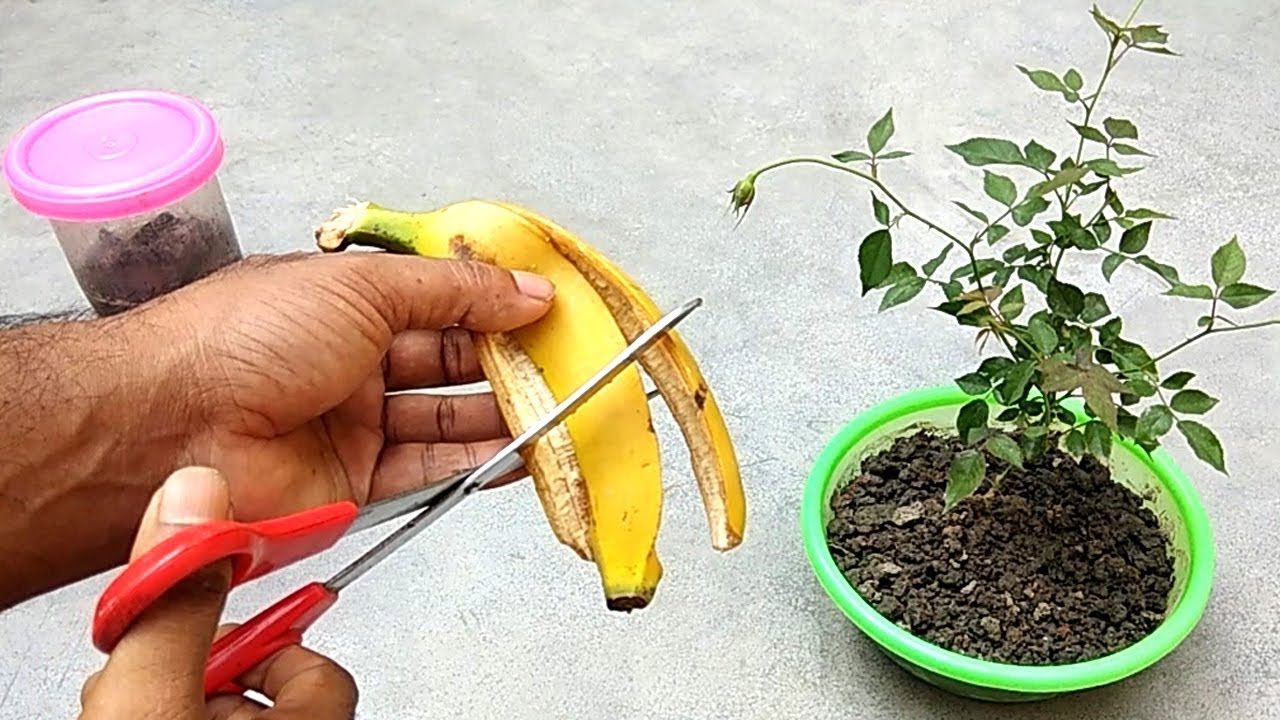
Yes, you can put banana peels directly in your plants, but there are several factors to consider for optimal results. Banana peels are rich in nutrients such as potassium, phosphorus, and calcium, which can benefit plant growth. However, it is essential to prepare the peels appropriately and understand how they will decompose in the soil.
Benefits of Using Banana Peels in Gardening
Using banana peels in your garden can provide several significant benefits:
- Rich in Nutrients: Banana peels contain essential nutrients, mainly potassium, which helps plants build resistance to diseases and improves their overall growth.
- Organic Matter: Adding banana peels increases organic matter in the soil, which can enhance soil structure and drainage.
- Attracts Beneficial Organisms: The decomposition of banana peels attracts earthworms and beneficial microorganisms that can enrich the soil.
How to Prepare Banana Peels for Plants
To maximize the effectiveness of banana peels, proper preparation is necessary:
- Cut into Pieces: Chop the peels into smaller pieces to accelerate decomposition and make it easier for nutrients to reach the soil.
- Drying or Steeping: Some gardeners recommend either drying the peels before use or steeping them in water to create a nutrient-rich liquid fertilizer.
- Composting: Adding banana peels to your compost heap can help create nutrient-dense compost over time.
Best Practices for Applying Banana Peels
For effective application, follow these guidelines:
- Mix with Soil: Mix banana peel pieces directly into the soil rather than just laying them on top, which can deter pests.
- Monitor Pest Activity: Watch for any unwanted pests that may be attracted to the peels; removing them promptly can help.
- Timing: Apply banana peels at the beginning of the growing season for best results in nutrient uptake during the plants' most active phase.
Potential Downsides of Using Banana Peels
There are potential downsides to consider when using banana peels:
- Pest Attraction: Banana peels may attract pests such as fruit flies if not buried properly.
- Decomposition Timing: The breakdown of banana peels can take time, which may not provide immediate nutrients if the plants need them urgently.
- Over-Application: Excessive use of banana peels may lead to nutrient imbalances in the soil, particularly in potassium levels.
Alternative Uses for Banana Peels in Gardening
Besides using them directly in soil, banana peels have various alternative applications:
- Natural Pest Repellent: Some gardeners use banana peels to deter aphids and other pests by placing them near affected plants.
- Fertilizer Tea: Soaking banana peels in water can create a nutrient-rich fertilizer tea that can be watered onto plants.
- Enhancing Plant Growth: Incorporating banana peels into the planting hole can promote root growth when planting new seedlings.
What are the disadvantages of banana peels as fertilizer?

The use of banana peels as fertilizer is a common practice among gardeners due to their rich nutrient content. However, there are several disadvantages associated with their use that should be considered:
1. Nutrient Imbalance: While banana peels are high in potassium, they lack essential nutrients such as nitrogen and phosphorus. This imbalance can lead to adverse effects on plant growth.
2. Slow Decomposition: Banana peels can take a long time to decompose when added directly to the soil. This slow breakdown can hinder the availability of nutrients to plants during critical growth periods.
3. Pest Attraction: Using banana peels in your garden may attract pests such as fruit flies and rodents, which can lead to further problems in the landscape.
4. Acidic Residue: Although banana peels have some alkalizing effects, they can also add acidity to the soil when they decompose. This can affect soil pH levels and impact plant health.
5. Limited Effectiveness: The amount of nutrient release from banana peels is relatively low compared to commercial fertilizers. Therefore, relying solely on them may not provide the necessary nutrient levels for optimal plant growth.
Nutrient Imbalance
Using banana peels as fertilizer can lead to a nutrient imbalance in the soil. They are rich in potassium but low in both nitrogen and phosphorus. This lack of balance can result in plant growth issues, as these nutrients are essential for overall health.
- Potassium promotes flowering and fruiting.
- Nitrogen is crucial for leaf and stem growth.
- Phosphorus supports root development and energy transfer.
Slow Decomposition
One significant drawback of banana peels as fertilizer is their slow decomposition rate. When added to the soil, they take time to break down, which can delay the release of nutrients. This can disadvantage gardeners looking for quick nutrient availability.
- Fresh banana peels can take weeks or even months to decompose.
- Delayed nutrient release may slow down plant growth.
- Composting banana peels can mitigate this issue, but requires additional time and effort.
Pest Attraction
Another issue with using banana peels as fertilizer is their tendency to attract various pests. The sweet smell of decomposing banana peels can lure pests that may harm the garden.
- Fruit flies may be drawn to the peels, creating a nuisance.
- Rodents can also be attracted, leading to potential plant damage.
- Implementing pest control measures can become necessary if peels are used frequently.
Acidic Residue
As banana peels decompose, they can create acidic residues that may affect soil pH levels. While some plants thrive in slightly acidic conditions, others may struggle or be adversely affected by increased acidity.
- Soil pH affects nutrient availability to plants.
- Constantly adding banana peels may lead to overly acidic soil.
- Regular testing of soil pH can help manage these effects.
Limited Effectiveness
Lastly, the effectiveness of banana peels as fertilizer is limited compared to commercial options. While they provide some nutrients, they may not meet the total nutrient requirements of fast-growing or nutrient-hungry plants.
- Home gardens may not get adequate nutrient levels from banana peels alone.
- Supplementing with commercial fertilizers can ensure optimal growth.
- Banana peels can still be used as a supplemental option rather than a primary nutrient source.
Which plants like banana skins?
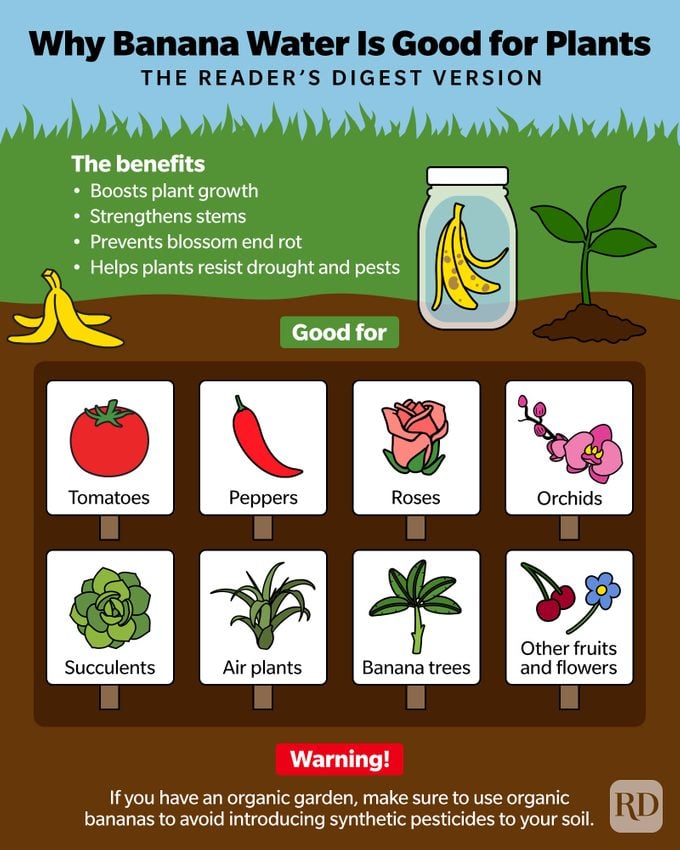
Banana skins are a valuable addition to a garden, as they are rich in nutrients, especially potassium, phosphorus, and calcium. Certain plants thrive when banana skins are added to the soil or compost. Here’s a detailed overview of which plants benefit from banana skins.
1. Tomato Plants
Tomato plants are among the most popular garden plants that benefit from banana skins. The potassium found in banana peels can enhance fruit development and improve overall plant health.
- Nutrient Boost: Banana peels provide essential nutrients that promote fruit ripening.
- Improved Soil Quality: Incorporating banana skins can improve soil fertility over time.
- Natural Pest Deterrent: The peels may help to deter certain pests that are attracted to tomatoes.
2. Rose Bushes
Roses also appreciate the nutrients from banana skins, particularly potassium, which is vital for flowering.
See also:
- Enhanced Blooming: The potassium content helps increase the quantity and size of rose blooms.
- Improved Root Development: Nutrients from the peels support root growth and vitality.
- Natural Fertilizer: Banana skins break down into organic matter, adding beneficial components to the soil.
3. Pepper Plants
Like tomatoes, pepper plants can take advantage of the nutrients found in banana skins, particularly during their growing phase.
- Enhanced Taste: Peppers grown with banana peels may have a sweeter and more robust flavor.
- Stronger Growth: The peels provide a nutrient foundation that encourages vigorous growth.
- Better Fruit Set: Increased potassium helps with improved fruit set and size enhancement.
4. Cabbage and Other Brassicas
Cabbage, broccoli, and other brassicas can thrive when banana skins are added to their growing medium.
- Nutrient-Rich Soil: Banana peels contribute to the potassium levels required for healthy cabbage and broccoli.
- Improved Pest Resistance: Healthier plants are often better able to resist pests and diseases.
- Organic Matter Supply: Decomposed banana skins enrich the soil with organic matter, improving moisture retention.
5. Squash and Cucumbers
Squash and cucumber plants benefit from the nutrient density of banana skins, which supports their growth cycle.
- Fruiting Power: The potassium aids in the production of larger and more abundant fruits.
- Soil Enrichment: Over time, banana skins contribute to the microbial life in the soil, enhancing soil health.
- Balanced Nutrient Delivery: The peels assist in providing a balanced mix of nutrients necessary during the growing season.
Is raw banana peel good for plants?

Raw banana peel can be quite beneficial for plants. It is rich in essential nutrients, making it a popular organic option for gardeners. The components of banana peels include potassium, phosphorus, calcium, and magnesium, which are crucial for plant health. These nutrients help in root development, flower and fruit production, and overall plant growth.
Banana peels can also enhance soil quality and provide a slow-release source of nutrients as they decompose, thus improving soil fertility over time. Furthermore, they can deter certain pests and improve the microbial activity in the soil, aiding in a healthy garden ecosystem.
Benefits of Nutrients in Banana Peels
Banana peels contain a wealth of essential nutrients that are vital for plant growth. The primary advantages include:
- Potassium: This nutrient enhances flowering and fruiting, making plants more productive.
- Phosphorus: It promotes healthy root systems, ensuring plants can access water and nutrients effectively.
- Calcium: This helps in strengthening cell walls and preventing diseases.
- Magnesium: Essential for photosynthesis, it aids in the overall energy production of plants.
- Organic matter: As banana peels decompose, they contribute to soil structure and fertility.
How to Use Banana Peels in Gardening
Using banana peels in your garden can be quite straightforward. Here are some effective methods:
- Composting: Chop them up and add them to your compost pile for balanced nutrient content.
- Direct application: Burying banana peels near the roots of plants can provide localized nutrient delivery.
- Banana peel tea: Steeping pieces of banana peel in water creates a nutrient-rich liquid fertilizer.
- Mulching: Adding banana peels on top of the soil can help retain moisture and deter pests.
- Planting with peels: When planting new plants, place a banana peel in the hole to give them a nutritious start.
Environmental Impact of Using Banana Peels
Utilizing banana peels in gardening can have positive effects on the environment:
- Reduces waste: Using food scraps like banana peels helps minimize landfill contributions.
- Encourages sustainable practices: It promotes organic gardening, reducing reliance on chemical fertilizers.
- Improves soil health: Natural decomposition of peels enhances soil quality and supports beneficial organisms.
- Reduces carbon footprint: Home composting contributes to a decrease in overall waste transportation emissions.
- Natural pest resistance: By fostering healthier soil, plants are better equipped to resist pests naturally.
Pest Control Benefits of Banana Peels
Banana peels can serve as a natural deterrent against certain garden pests:
- Repels aphids: The smell of banana peels can deter these common plant pests.
- Deters snails and slugs: Placing peels around plants can create barriers that these pests avoid.
- Attracts beneficial insects: The decomposition process can help attract earthworms and other helpful organisms.
- Reduces fungal diseases: When incorporated into the soil, banana peels can promote beneficial microbial activity.
- Non-toxic option: They provide a safe alternative to chemical pesticides, beneficial for both plants and the environment.
Scientific Research on Banana Peels and Plants
Research studies have explored the effectiveness of banana peels in promoting plant growth and health:
- Growth stimulation: Studies have shown that plants treated with banana peels outperform those without.
- Nutrient absorption improvement: Peels enhance the soil's ability to absorb water and nutrients.
- Microbial activity enhancement: Research indicates that banana peels promote beneficial microorganisms in the soil.
- Natural fertilizer efficacy: They serve as an effective organic fertilizer, increasing soil quality over time.
- Comparative studies: Tests comparing banana peels with traditional fertilizers indicate comparable results without chemical side effects.
Questions from Our Readers
Can I put banana peels straight on plants?
Yes, you can put banana peels directly on plants, as they are rich in nutrients like potassium and phosphorus. However, it’s advisable to chop them up to facilitate decomposition and prevent pests from being attracted to the larger pieces.
How do banana peels benefit plants?
Banana peels provide essential nutrients to plants, particularly potassium, which helps in flower and fruit development. The natural composting process of the peels also improves soil health over time.
Are there any risks to using banana peels on plants?
While banana peels are generally safe for plants, using them in large quantities can lead to a build-up of sugars and attract pests or create a mold issue. It's best to use them in moderation and incorporate them into your compost.
How should I prepare banana peels for my plants?
To prepare banana peels, you can chop them into smaller pieces or dry them out before adding to the soil. This helps speed up the decomposition process and ensures that the nutrients are released gradually to the plants.
See also:

If you want to read more articles like Can I Put Banana Peels Straight on Plants? Discover the Benefits and Tips for Your Garden, we recommend you check out our Compost category.
Leave a Reply
Related Articles