Discover Which is the Most Easiest Plant to Grow: A Beginner's Guide

Are you eager to dive into the world of gardening but don’t know where to start? Choosing the right plant can make all the difference, especially for beginners. In this guide, we’ll explore the most accessible plants that thrive with minimal care, allowing you to build your confidence as a gardener. From resilient succulents to forgiving houseplants, we’ll outline characteristics that make these green companions easy to grow. Whether you’re looking to brighten your home or cultivate a small outdoor garden, this article will help you discover the perfect plant to kickstart your gardening journey.
Which is the Easiest Plant to Grow?
The easiest plant to grow is arguably the snake plant, also known as Sansevieria. This hardy succulent thrives in a variety of conditions, requiring minimal care. Its ability to survive in low light and endure neglect from infrequent watering makes it perfect for beginners. With its striking vertical leaves and air-purifying qualities, the snake plant not only enhances indoor spaces aesthetically but also contributes to a healthier environment.
Benefits of Growing a Snake Plant
One of the major benefits of the snake plant is its air-purifying properties. It efficiently removes toxins such as formaldehyde and benzene from the air, making it an excellent choice for indoor spaces. Additionally, the plant is resilient and can tolerate various environmental changes, thus requiring little maintenance while providing significant benefits to your living space.
Ideal Growing Conditions for Snake Plants
Snake plants are incredibly adaptable and can thrive in both low light and direct sunlight. They prefer well-draining soil and should not be overwatered, as they are prone to root rot. An ideal location is a spot receiving indirect sunlight, although they can also survive in darker environments. This flexibility makes them suitable for various rooms in your home or office.
Watering Frequency for Snake Plants
When it comes to watering, the snake plant is forgiving. It is best to water it every 2 to 6 weeks, depending on the season and humidity levels. In the spring and summer, when the plant is actively growing, it may require more frequent watering. Conversely, during the winter months, it thrives on minimal moisture, often leading to neglect in watering without adverse effects.
Propagation Methods for Snake Plants
Propagation of the snake plant is straightforward and can be done through leaf cuttings or by dividing the rhizomes. To propagate via cuttings, simply take a leaf, cut it into sections, and place them in soil. For rhizome division, carefully separate offshoots from the main plant and replant them individually. This simple method ensures you can expand your plant collection with little effort.
Common Pests and Diseases
Although the snake plant is hardy, it can occasionally fall victim to pests such as spider mites or mealybugs. Regular inspection and good air circulation can help prevent infestations. If these pests are detected, removing them with a damp cloth or using insecticidal soap often suffices. It's essential to keep the plant healthy to reduce susceptibility to diseases and pests.
| Aspect | Details |
|---|---|
| Light Requirements | Low light to bright indirect light |
| Watering Schedule | Every 2 to 6 weeks |
| Soil Type | Well-draining soil |
| Propagation Methods | Leaf cuttings and rhizome division |
| Pests | Spider mites and mealybugs |
What is the most easiest plant to grow?
:max_bytes(150000):strip_icc()/easy-houseplants-hard-to-kill-4141665_FINAL-0bc50c3aba574267a35607dc34a27392.png)

The easiest plant to grow is often considered to be the snake plant (Sansevieria), thanks to its hardiness and minimal care requirements. This plant is ideal for beginners due to its ability to thrive in a variety of conditions and its forgiving nature when it comes to watering and light levels.
Benefits of Growing Snake Plant
The snake plant offers numerous benefits that make it a great choice for any home or office.
- Air Purification: This plant is known for its ability to filter toxins from the air, improving indoor air quality.
- Low Maintenance: It requires very little care, making it perfect for busy individuals or those new to gardening.
- Aesthetic Appeal: With its striking upright leaves and unique patterns, the snake plant adds a touch of elegance to any space.
Light Requirements for Snake Plant
The snake plant is incredibly versatile when it comes to light conditions.
- Low Light: It can survive in low light conditions, making it suitable for rooms with minimal natural light.
- Indirect Sunlight: The plant thrives best in indirect sunlight, which helps it grow robustly without burning its leaves.
- Avoid Direct Sunlight: Prolonged exposure to direct sunlight can scorch its leaves, so it’s important to place it in the right location.
Watering Guidelines for Snake Plant
Understanding how to water the snake plant is crucial for its longevity.
- Infrequent Watering: This plant prefers to dry out between waterings, so it’s essential to water it sparingly.
- Check Soil Moisture: Always check the soil moisture by inserting your finger about an inch deep; if it's dry, then it's time to water.
- Drainage: Ensure the pot has proper drainage to prevent root rot, which can occur if the plant sits in water.
Soil Preferences for Snake Plant
Selecting the right soil is vital for the health of the snake plant.
- Well-Draining Soil: Use a well-draining potting mix to avoid excess moisture around the roots.
- Sandy or Cactus Soil: Consider using a cactus or succulent mix, as they are designed to allow quick drainage.
- Soil pH: The ideal soil pH for snake plants is between 6.0 and 7.0, which is slightly acidic to neutral.
Common Pests and Issues
While the snake plant is generally resilient, it can still encounter a few pests or issues.
- Spider Mites: These pests can thrive in dry conditions; regular misting can help prevent them.
- Mealybugs: They can be treated by wiping leaves with a cotton swab dipped in rubbing alcohol.
- Root Rot: This occurs due to overwatering, so it’s essential to ensure proper watering practices and soil drainage.
What is the best thing to plant for beginners?
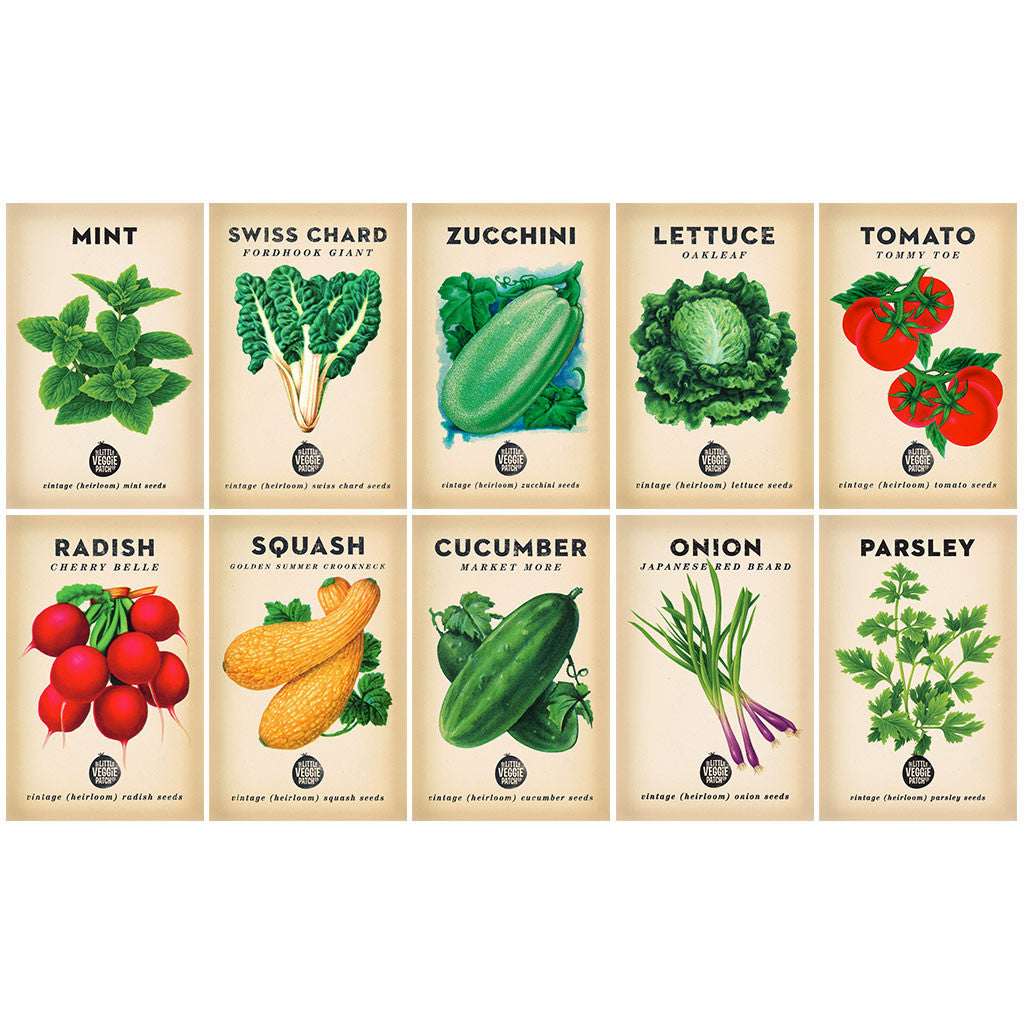
The best thing to plant for beginners is generally easy-to-grow vegetables and herbs that require minimal maintenance and provide quick results. Some of the top choices include radishes, lettuce, carrots, and herbs like basil and parsley. These plants are not only resilient but also teach novice gardeners the basics of planting, caring, and harvesting effectively.
See also:
Why Choose Easy-to-Grow Plants?
Choosing easy-to-grow plants is essential for beginners because it boosts their confidence and reduces frustration. When starting a garden, opting for varieties that thrive with basic care can lead to a more fulfilling experience.
- Immediate Results: Plants like radishes can be harvested in as little as 30 days.
- Minimal Care: These plants generally require less attention and are more forgiving of mistakes.
- Inspiration: A successful harvest can motivate beginners to expand their gardening skills.
Top Vegetables for Beginners
The variety of vegetables that are suitable for novice gardeners is extensive. However, some stand out for their ease of growth and tasty yields.
- Radishes: These are quick and can be sown directly into the soil.
- Lettuce: Varieties like leaf lettuce grow quickly and can be harvested while the plant continues producing more leaves.
- Carrots: Though they take a bit longer, they require little maintenance and are harvested in late spring or summer.
Benefits of Growing Herbs
Herbs are an excellent choice for beginners, offering compact growth and versatility in culinary applications. They are often resilient and can thrive well even in smaller spaces.
- Basil: This aromatic herb thrives in warm temperatures and can be easily grown in pots.
- Parsley: This herb is hardy and can grow throughout different seasons with proper care.
- Cilantro: Quick to germinate and easy to grow; it enhances many dishes.
Understanding Planting Conditions
Knowing the right planting conditions is crucial for the success of your garden. Beginners should observe sun exposure, soil quality, and water needs.
- Sunlight: Most veggies and herbs require at least 6 hours of sunlight per day.
- Soil: Well-draining, nutrient-rich soil is ideal for healthy plant growth.
- Water: Consistent watering is key, but overwatering should be avoided to prevent root rot.
Common Mistakes to Avoid
Beginners often make mistakes that can be easily avoided with some knowledge and preparation. Understanding these can help in achieving greater success with your gardening efforts.
- Overcrowding: Allow adequate space between plants for proper air circulation and growth.
- Ignoring Local Climate: Choosing plants unsuitable for your climate can hinder growth.
- Neglecting Weeding: Regularly removing weeds will reduce competition for nutrients and water.
Questions from Our Readers
What is the easiest plant for beginners to grow?
Spider plants are often considered one of the easiest plants for beginners to grow. They are very resilient and can thrive in a variety of conditions, making them suitable for people who might not have a green thumb. Additionally, they require minimal care, only needing occasional watering and indirect sunlight.
Can you recommend an indoor plant that is easy to care for?
The pothos plant is highly recommended for indoor spaces and is known for its hardiness. It can tolerate low light conditions and infrequent watering, making it perfect for those who may forget to tend to their plants regularly.
What outdoor plant is simple to grow in most climates?
The marigold is an excellent outdoor plant that is easy to grow in various climates. These flowers are not only beautiful but also resistant to pests and can bloom throughout the summer with minimal maintenance required.
See also:
Are there any herbs that are easy to grow at home?
Basil is a great herb for home gardeners, as it is easy to grow both indoors and outdoors. This fragrant herb thrives in warm sunlight and can be harvested continuously, adding fresh flavor to many dishes with very little effort involved.

If you want to read more articles like Discover Which is the Most Easiest Plant to Grow: A Beginner's Guide, we recommend you check out our Plants category.
Leave a Reply
Related Articles