Discover Which is the Most Difficult Plant to Grow: Expert Tips and Insights

Growing plants can be a rewarding endeavor, but some species pose unique challenges that can test even the most seasoned gardener. In this article, we will delve into the world of horticulture to uncover which plant is considered the most difficult to cultivate. We will provide expert tips and insights to help you understand the complexities involved, from specific environmental needs to unique care requirements. Whether you are a novice looking to expand your gardening skills or an experienced grower seeking a new challenge, this exploration will guide you through the intricacies of growing the most elusive plants.
Which is the Most Difficult Plant to Grow?
Growing plants can be a rewarding experience, but some species come with significant challenges that can deter even the most dedicated gardeners. One of the most difficult plants to grow is the Stephanotis floribunda, commonly known as the Madagascar jasmine. This tropical vine requires a specific environment to thrive, including high humidity, consistent temperatures between 60-70°F (15-21°C), and bright but indirect sunlight. It is particularly sensitive to water levels, needing a precise balance between wet and dry conditions to prevent root rot or dehydration. In addition, it takes several years for this plant to bloom, which can test the patience and skills of plant enthusiasts.
Environmental Requirements
The environmental requirements for growing difficult plants are often quite specific. For the Madagascar jasmine, maintaining a high humidity level is essential, which can be challenging in many home environments. Using a humidity tray or a moist environment can help simulate the plant's natural habitat. Moreover, ensuring adequate air circulation is crucial to prevent mold and bolster healthy growth.
Watering Needs
Understanding the watering needs of difficult plants is vital to their survival. The Madagascar jasmine thrives in well-draining soil that retains some moisture but doesn't stay soggy. This delicate balance makes it tricky, as overwatering can quickly lead to root rot, while underwatering can cause the plant to wilt. Regular checks to assess the soil moisture can help ensure consistent care.
Light Requirements
Light is another critical factor when growing demanding plants. The Madagascar jasmine prefers bright, indirect light, which can be hard to achieve in areas with limited natural light. Grow lights can be an effective solution, but care must be taken to prevent leaf burn, which can occur if the plant is exposed to direct sunlight for prolonged periods.
Fertilization Tips
Fertilization is paramount in helping difficult plants thrive. For Madagascar jasmine, using a balanced liquid fertilizer every two to four weeks during the growing season can promote healthy growth. However, it's important not to over-fertilize, as this can create buildup in the soil and lead to toxic conditions for the plant.
Conclusion on Care
Caring for the Madagascar jasmine can be a considerable commitment, often requiring regular attention to detail and dedication. Understanding the specific care requirements for this and similarly difficult plants can lead to a fulfilling gardening experience, while also enhancing knowledge about plant care and nurturing.
| Aspect | Requirement |
|---|---|
| Humidity | High humidity level is essential |
| Temperature | Maintain between 60-70°F (15-21°C) |
| Watering | Water regularly, avoid over/underwatering |
| Light | Bright, indirect light preferred |
| Fertilization | Use balanced liquid fertilizer regularly |
What plant removes 78% of airborne mold?
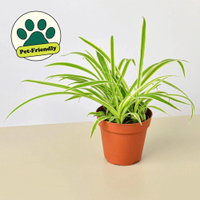
The plant that is known to remove 78% of airborne mold is the Peace Lily (Spathiphyllum spp.). This plant is not only appreciated for its aesthetic appeal but also for its air-purifying capabilities. Studies conducted by NASA and other organizations have highlighted the efficacy of Peace Lilies in improving indoor air quality by eliminating harmful pollutants, including airborne molds and spores.
Understanding the Peace Lily
The Peace Lily is a perennial plant belonging to the Araceae family. It is popular for its beautiful white blooms and lush green leaves. Besides its visual appeal, it serves as a natural air purifier. The plant thrives in low-light conditions, making it ideal for indoor gardening. Its ability to tolerate neglect while still providing significant air purification benefits makes it a favorite among plant enthusiasts.
How Peace Lilies Purify Air
Peace Lilies purify air through a process called phytoremediation. They absorb toxins and mold through their leaves and roots. Here’s how the process works:
See also:
- Absorption: As airborne particles come into contact with the plant, the leaves absorb these pollutants.
- Degradation: The plant's biological processes break down the harmful substances into less harmful components.
- Translocation: Nutrients and clean air are then released back into the environment, enhancing air quality.
Benefits of Keeping a Peace Lily Indoors
Having a Peace Lily in your home or office comes with numerous benefits. These include:
- Air Purification: It reduces airborne mold and other toxins, promoting a healthier living environment.
- Humidity Control: The plant releases moisture into the air, which can help maintain humidity levels.
- Aesthetic Value: Its striking white flowers and lush foliage add beauty to any space.
Care Tips for Peace Lilies
To ensure your Peace Lily thrives and effectively purifies air, follow these care tips:
- Watering: Keep the soil moist but avoid waterlogging. Water when the top inch of soil feels dry.
- Lighting: Place the plant in low to medium indirect light; direct sunlight can scorch the leaves.
- Humidity: Mist the leaves occasionally to maintain adequate humidity, as Peace Lilies prefer moist environments.
Finding the Right Place for Your Plant
Choosing the right location for your Peace Lily is crucial for its growth and air-purifying effectiveness. Consider the following aspects:
- Indoor Position: Ideal spots include living rooms, bedrooms, or offices where air circulation is prevalent.
- Temperature: Keep it away from drafty windows and radiators to maintain a stable temperature.
- Safety: Ensure it is out of reach of pets, as the plant can be toxic if ingested.
What is the hardiest plant to grow?
:strip_icc()/agave-and-cacti-in-garden-f85ad131496346a6b6743f55aef69439.jpg)
The hardiest plant to grow is often considered to be the Japanese knotweed (Fallopia japonica). This perennial plant is known for its extreme resilience and adaptability. Originally from East Asia, it has spread to various climates worldwide and can withstand a range of conditions, including poor soil and extreme temperatures.
The Japanese knotweed is particularly notorious for its ability to thrive in urban environments and can grow through concrete, rocky soils, and even flood zones. Its rapid growth rate allows it to outcompete many native species, which also makes it a formidable presence in gardens and natural landscapes.
Characteristics of the Japanese Knotweed
The Japanese knotweed features several distinct characteristics that contribute to its hardiness:
- Rapid Growth: It can grow up to 10 cm a day during the growing season.
- Extensive Root System: The root system can extend up to 3 meters deep, allowing it to access water and nutrients.
- Seasonal Resilience: It can survive harsh winters and adapt to different weather conditions.
Advantages of Growing Hardy Plants
Growing hardy plants like Japanese knotweed offers several advantages that are worth considering:
- Low Maintenance: They require less attention and care compared to more delicate species.
- Environmental Benefits: They can prevent soil erosion and improve soil health.
- Versatility: Hardy plants can thrive in various conditions, making them suitable for diverse gardening environments.
Challenges of Cultivating Hard Plants
While hardy plants have many benefits, they can also pose specific challenges:
- Invasiveness: Some hardy plants may become invasive and overpower local flora.
- Limited Aesthetic Appeal: Many hardy plants may not have the decorative qualities of more delicate species.
- Difficult Management: Controlling the spread of certain hardy plants can be challenging and require effort.
Other Hardy Plants to Consider
Besides the Japanese knotweed, there are other hardy plants worth exploring:
- Common Bluebell (Hyacinthoides non-scripta): Tolerates shade and poor soil conditions.
- Thrift (Armeria maritima): Thrives in rocky, coastal conditions and attracts pollinators.
- Sea Kale (Crambe maritima): Adapts well to salt and sandy soils, making it suitable for coastal gardens.
Growing Tips for Hardy Plants
To successfully cultivate hardy plants, consider these essential tips:
See also:
- Choose the Right Location: Select a site that meets the plant's sunlight and soil needs.
- Monitor Soil Quality: Although hardy plants tolerate poor soil, improved conditions can enhance growth.
- Regular Maintenance: Even hardy plants benefit from occasional pruning and care to keep them healthy.
What is the most fragile plant?

The most fragile plant is often considered to be the sensitive plant, scientifically known as Mimosa pudica. This plant is native to South America and is well-known for its remarkable ability to respond to touch. When its leaves are disturbed, they fold up and droop, giving the appearance of being wilting or fragile. This reaction is a defense mechanism that helps deter herbivores and prevent damage from environmental factors.
Characteristics of the Sensitive Plant
The sensitive plant is characterized by its unique traits that contribute to its fragility. These characteristics are both physical and biological:
- Leaf Structure: The leaves of Mimosa pudica are compound and delicate, which adds to its fragile appearance.
- Growth Habit: The plant typically grows low to the ground, making it more susceptible to damage from animals and environmental factors.
- Rapid Movement: Its ability to quickly fold its leaves in response to touch showcases its delicate nature and susceptibility to stress.
Habitat and Distribution
The sensitive plant thrives in tropical and subtropical regions, but its sensitivity to extreme conditions highlights its fragility:
- Tropical Regions: Commonly found in areas with high humidity and temperature, where it flourishes despite its delicacy.
- Invasive Species: In some regions outside its native habitat, it can become invasive, which can lead to its fragility as it competes with local flora.
- Soil Preferences: It prefers well-drained soils, making it vulnerable in overly saturated conditions.
Environmental Threats
The sensitive plant faces numerous environmental threats that contribute to its classification as fragile:
- Climate Change: Changes in temperature and weather patterns can adversely affect its growth and ability to thrive.
- Pests and Diseases: Being delicate, it is more prone to infestations and diseases that can easily overwhelm it.
- Habitat Loss: Urbanization and deforestation lead to habitat loss, which further endangers this sensitive species.
Care and Cultivation
When cultivating the sensitive plant, specific care practices are essential due to its fragile nature:
- Watering Needs: Requires regular watering but should not be overwatered to prevent root rot.
- Sunlight Requirements: Prefers bright, indirect sunlight, as direct sunlight can scorch its delicate leaves.
- Temperature Control: Thrives in warm temperatures and should be protected from cold drafts and frost.
Cultural Significance
The sensitive plant holds cultural significance in various societies, underscoring its perceived fragility:
- Symbol of Sensitivity: Often regarded as a symbol of sensitivity and response to environment in various cultures.
- Educational Use: Frequently used in educational settings to teach students about plant behavior and response to stimuli.
- Medicinal Uses: In some cultures, parts of the plant are used in traditional medicine, which reflects its importance despite its fragility.
Questions from Our Readers
What is considered the most difficult plant to grow?
Growing plants can vary in difficulty, but many horticulturists agree that the carnivorous plant known as the Nepenthes species, often referred to as pitcher plants, is one of the most challenging. This is due to its specific requirements for humidity, light, and soil composition, which are not easily replicable in a typical indoor environment.
Why is the Nepenthes species so challenging?
The Nepenthes species requires a high level of humidity, typically above 50%, and needs to be grown in a special orchid mix or moss that retains moisture. Furthermore, they thrive under bright, indirect light, making it challenging to find the right balance for their ideal growth conditions.
Are there other difficult plants besides Nepenthes?
Yes, besides Nepenthes, other difficult plants include the Staghorn Fern and the Raflesia arnoldii, known for its large bloom. These plants also have strict environmental needs, making their cultivation a daunting task for even experienced gardeners.
What tips can help in growing difficult plants?
To successfully grow difficult plants like Nepenthes, it is crucial to carefully monitor their environment, maintain consistent watering habits, and understand their specific nutritional needs. Utilizing a humidity tray or a humidifier can also be beneficial to mimic their natural habitats.
See also:

If you want to read more articles like Discover Which is the Most Difficult Plant to Grow: Expert Tips and Insights, we recommend you check out our Plants category.
Leave a Reply
Related Articles