What Plants Like Banana Peels? Discover the Best Plants to Feed with Banana Peels

Banana peels are not just a kitchen waste; they are a powerful natural fertilizer packed with nutrients that can benefit a variety of plants. Rich in potassium, phosphorus, and calcium, banana peels can help enhance soil quality and promote healthy plant growth. In this article, we will explore which plants thrive when fed with banana peels and how to effectively use this organic resource in your gardening routine. Whether you're a seasoned gardener or a beginner, understanding the benefits of banana peels can help you cultivate a thriving garden while reducing waste and improving sustainability.
Which Plants Benefit from Banana Peels?
Using banana peels in the garden can greatly benefit a variety of plants due to their rich content of essential nutrients like potassium, phosphorus, and calcium. These nutrients help enhance plant growth and promote overall health. When added to the soil or used in compost, banana peels decompose and gradually release these vital nutrients, making them readily available for plants such as roses, tomatoes, peppers, cucumbers, and houseplants. Applying banana peels can also improve soil quality over time, encouraging a thriving garden ecosystem.
Benefits of Banana Peels for Roses
Roses thrive when banana peels are incorporated into their soil as these peels provide a significant source of potassium. This essential nutrient helps roses develop stronger stems, vibrant blooms, and a greater resistance to diseases. To use banana peels, simply chop them up and bury them around the base of the rose plants, ensuring they have access to the nutrients released over time.
Using Banana Peels for Tomatoes
Tomato plants greatly benefit from the addition of banana peels due to their potassium content, which enhances the fruit quality and overall yield. Potassium is crucial for the development of firm, flavorful fruits. By placing banana peels in the planting hole or mixing them into the compost, gardeners can support healthier tomato growth and improve their resistance to pests.
Benefits for Pepper Plants
Pepper plants also receive a boost from banana peels, as the phosphorus they contain supports root development and flowering. This nutrient is vital for establishing a strong foundation, enabling the plants to absorb water and nutrients effectively. Adding banana peels to the soil can lead to more abundant and flavorful pepper crops.
Cucumbers and Banana Peels
Cucumber plants enjoy the addition of banana peels in their growth environment, which can achieve increased fruit production due to the nutrients released from the decomposing peels. The potassium and calcium are beneficial for maintaining healthy foliage and preventing blossom end rot, ensuring that cucumbers remain healthy and productive throughout their growing season.
Benefits for Houseplants
Houseplants can also thrive when banana peels are included in their care routine. The nutrients found in the peels help improve soil quality, which can lead to a healthier and more vibrant indoor garden. Simply cut banana peels into small pieces and mix them into the potting soil or place them at the base of the plants to provide a slow-release source of nutrition.
| Plant Type | Key Nutrients from Banana Peels | Benefits |
|---|---|---|
| Roses | Potassium | Stronger stems, vibrant blooms |
| Tomatoes | Potassium, Phosphorus | Improved fruit quality, higher yield |
| Peppers | Phosphorus | Better root development, increased flowering |
| Cucumbers | Potassium, Calcium | Healthy foliage, reduced blossom end rot |
| Houseplants | Potassium, Calcium | Improved soil quality, healthier plants |
Which plants benefit the most from banana peels?

Banana peels are rich in essential nutrients that can greatly benefit various plants. The most notable nutrients found in banana peels include potassium, phosphorus, and calcium. These elements play critical roles in plant development, making banana peels a popular organic fertilizer. Here’s a detailed look at the plants that benefit the most from banana peels.
1. Tomatoes
Tomatoes are heavy feeders that thrive on nutrients, making them ideal candidates for banana peel fertilizer. The potassium in banana peels helps in fruit development and enhances flavor.
- Promotes strong root growth.
- Increases fruit yields.
- Improves plant resilience to diseases.
2. Roses
Roses can benefit significantly from the application of banana peels due to their nutrient-rich composition. The phosphorus found in banana peels encourages blooming, resulting in more vibrant flowers.
- Enhances flower color and size.
- Strengthens stem structure for better support.
- Attracts pollinators to the garden.
3. Peppers
Both sweet and hot peppers benefit from the potassium and calcium in banana peels. This nutrient boost helps in fruit development and increases the overall health of pepper plants.
See also:
- Enhances fruit quality and taste.
- Reduces the risk of blossom end rot.
- Encourages vitality in growth stages.
4. Cabbage
Cabbage plants benefit from the added nutrients in banana peels, fostering robust growth and improving the overall health of the plant. The calcium content supports leaf structure.
- Improves leaf thickness for better harvests.
- Promotes green color and enhanced nutrient uptake.
- Helps with pest resistant qualities.
5. Orchids
Orchids can also thrive with the use of banana peels. The slow release of nutrients helps these delicate plants flourish without being overwhelmed by chemical fertilizers.
- Enhances root health and overall plant growth.
- Supports flower longevity and vibrancy.
- Encourages natural growth cycles without harsh chemicals.
What plants don't like banana peel water?
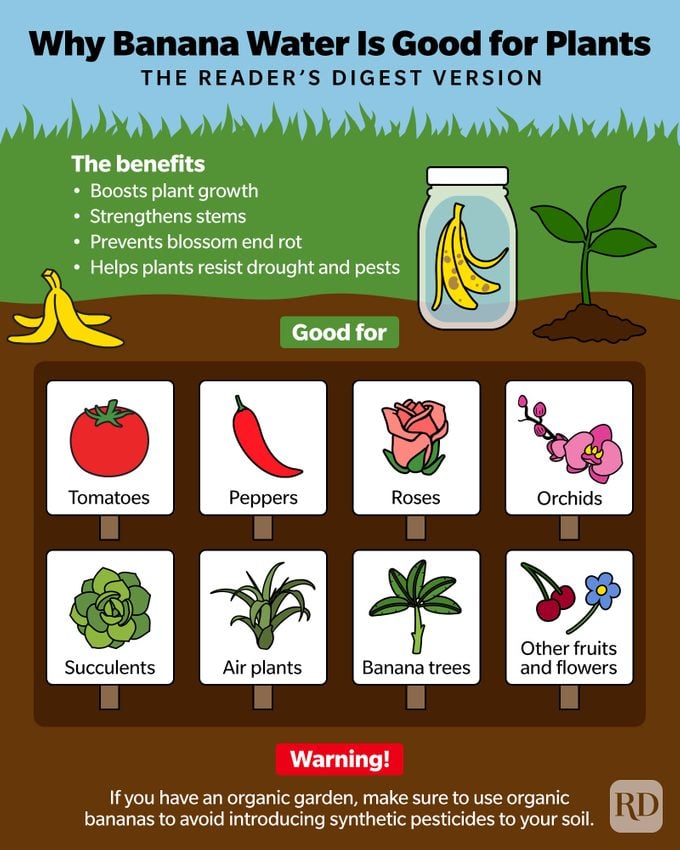
Banana peel water is often used as a natural fertilizer due to its rich nutrient content, particularly potassium. However, certain plants are sensitive to the nutrient composition and may not thrive when exposed to banana peel water. Here are some plants that do not like banana peel water:
1. Cactus Plants: Cacti are adapted to arid environments and require very little water. The high potassium levels in banana peel water can disrupt their nutrient balance.
2. Orchids: These plants prefer a more controlled nutrient intake. Excess nutrients from banana peel water can lead to root burn and overall poor plant health.
3. Ferns: Most ferns prefer acidic soil rather than high-nutrient solutions. The alkalinity introduced by banana peel water can harm ferns.
4. Sage: Sage plants thrive in well-drained, nutrient-poor environments. The added nutrients from banana peel water can lead to oversaturation and rot.
5. Lavender: Similar to sage, lavender prefers well-drained, less nutrient-dense soil. Banana peel water can cause issues with drainage and root health.
Understanding Nutrient Sensitivity in Plants
Certain plants have evolved to thrive in specific nutrient conditions, and adding banana peel water can disturb this balance. Here are key points concerning their sensitivity:
- Specialized Needs: Some plants require specific nutrient levels to function optimally.
- Root Health: Over-fertilization can lead to root rot, particularly in sensitive species.
- Growth Patterns: Nutrient-rich solutions can alter normal growth patterns, leading to stress.
Common Symptoms of Over-Fertilization
When plants are exposed to banana peel water, they may show signs of stress. Symptoms can include:
- Leaf Discoloration: Leaves may turn yellow or brown, indicating stress.
- Stunted Growth: The plant may fail to grow as expected.
- Root Rot: Overwatering can lead to mushy roots, causing overall decline.
Alternatives to Banana Peel Water
If you're looking for alternatives to supplement plant nutrients, consider:
See also:
- Compost Tea: Rich in nutrients but less concentrated than banana peel water.
- Fish Emulsion: A balanced nutrient solution that many plants enjoy.
- Worm Castings: Provides a gentle boost without the risk of over-fertilization.
Effect of Soil Composition
The soil in which a plant grows can influence its reaction to banana peel water. Consider:
- Soil Drainage: Well-drained soils can help mitigate nutrient build-up.
- pH Levels: The pH of the soil can affect nutrient uptake and plant health.
- Microbial Activity: Healthy soil microbes can alter how plants absorb nutrients.
Best Practices for Using Banana Peel Water
If you still wish to use banana peel water, consider these best practices:
- Dilution: Always dilute banana peel water with regular water to reduce nutrient concentration.
- Frequency: Use sparingly; once a month is a safe guideline.
- Observation: Monitor plants closely for any adverse effects after application.
Can I just throw banana peels in my garden?
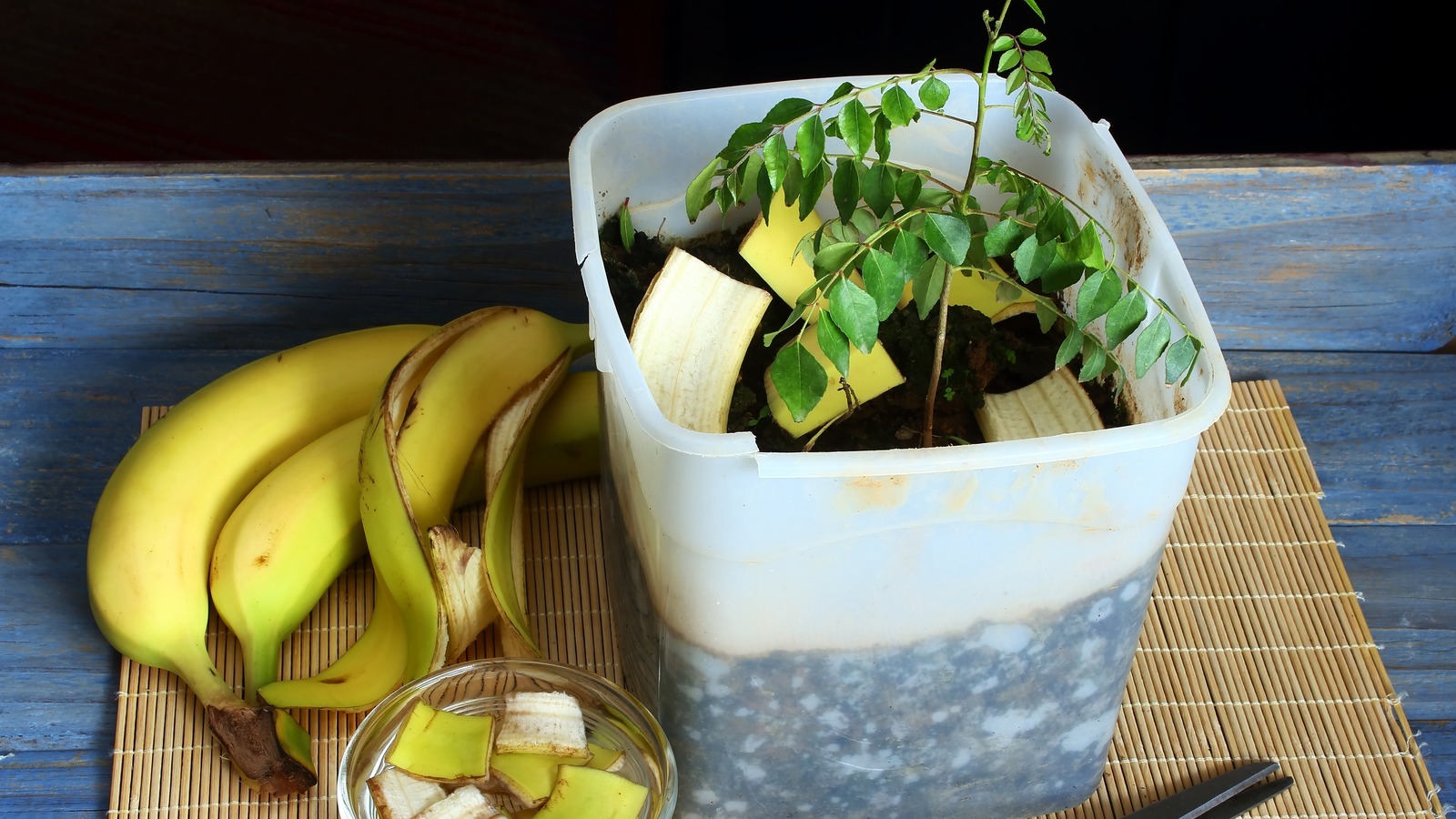
Throwing banana peels in your garden can be a beneficial practice, but it's essential to consider a few factors before doing so. Banana peels are rich in nutrients and can contribute positively to the soil's fertility, attracting beneficial organisms. However, there are also some precautions and best practices to follow.
Benefits of Using Banana Peels in the Garden
Using banana peels has several notable benefits:
- Nutrient-Rich: Banana peels are high in potassium, phosphorus, and calcium, which are essential for plant growth.
- Organic Matter: They decompose quickly and add organic matter to the soil, improving its structure and fertility.
- Attract Beneficial Insects: The decomposing peels can attract insects like earthworms, which aerate the soil and help with nutrient absorption.
How to Properly Use Banana Peels in Your Garden
Simply tossing banana peels onto the garden beds isn't the best method. Instead, consider these practices:
- Chop Them Up: Cutting the peels into smaller pieces accelerates decomposition and increases nutrient availability.
- Bury Them: Burying banana peels in the soil can prevent pests from being attracted to the surface.
- Composting: Adding banana peels to a compost bin allows for a controlled breakdown process and minimizes any odor issues.
Potential Drawbacks of Adding Banana Peels
While banana peels are generally beneficial, there are some potential drawbacks to consider:
- Pest Attraction: In some cases, banana peels can attract unwanted pests like fruit flies or rodents.
- Imbalance in Nutrients: Excessive use of banana peels can lead to an imbalance in soil nutrients if not balanced with other organic materials.
- Decomposition Time: They can take time to decompose fully, which may lead to temporary unattractiveness in your garden.
Alternative Uses for Banana Peels
Apart from garden use, banana peels have other useful applications:
- Fertilizer Tea: Soaking banana peels in water can create a nutrient-rich fertilizer tea for watering plants.
- Plant Pest Deterrent: Placing peels around plants may deter certain pests due to their smell.
- Household Uses: They can also be used to shine leaves of houseplants or even for skin care routines.
Best Practices for Banana Peel Application
To maximize the benefits of banana peels, follow these best practices:
- Moderation: Use banana peels in moderation, combining them with other organic materials for balanced soil health.
- Timing: Apply them during the growing season when plants are actively absorbing nutrients.
- Monitoring: Keep an eye on your garden's health and adjust your banana peel application based on plant responses.
Questions from Our Readers
What plants benefit from banana peels?
Many plants appreciate the nutrients found in banana peels, particularly those that thrive in potassium-rich environments. Examples include tomatoes, roses, and peppers. These plants can benefit significantly from the nutrients released when banana peels decompose in the soil, promoting healthy growth.
How do I use banana peels for my plants?
You can use banana peels by either burying them in the soil or making a banana peel tea. Burying the peels adds nutrients directly to the root zone, while the tea, made by soaking peels in water, can serve as a liquid fertilizer that you can water your plants with, enhancing their growth.
Are banana peels safe for all plants?
In general, banana peels are safe for most plants; however, some acid-sensitive plants may not benefit from them as much. It's essential to monitor your plants' reactions after introducing banana peels into their care routine to ensure they thrive without any adverse effects.
See also:
How often should I use banana peels for my plants?
Using banana peels every few weeks is usually sufficient to provide nutrients without overwhelming your plants. Regular application allows for a constant nutrient supply, helping to promote overall plant health and vitality.

If you want to read more articles like What Plants Like Banana Peels? Discover the Best Plants to Feed with Banana Peels, we recommend you check out our Plants category.
Leave a Reply
Related Articles